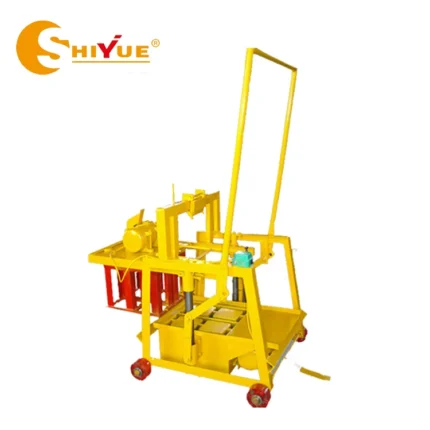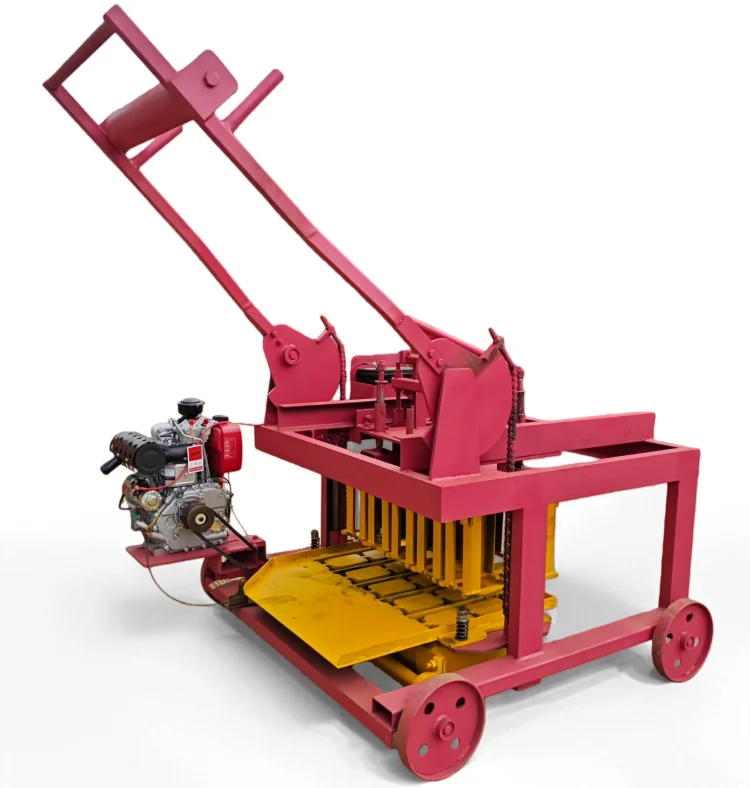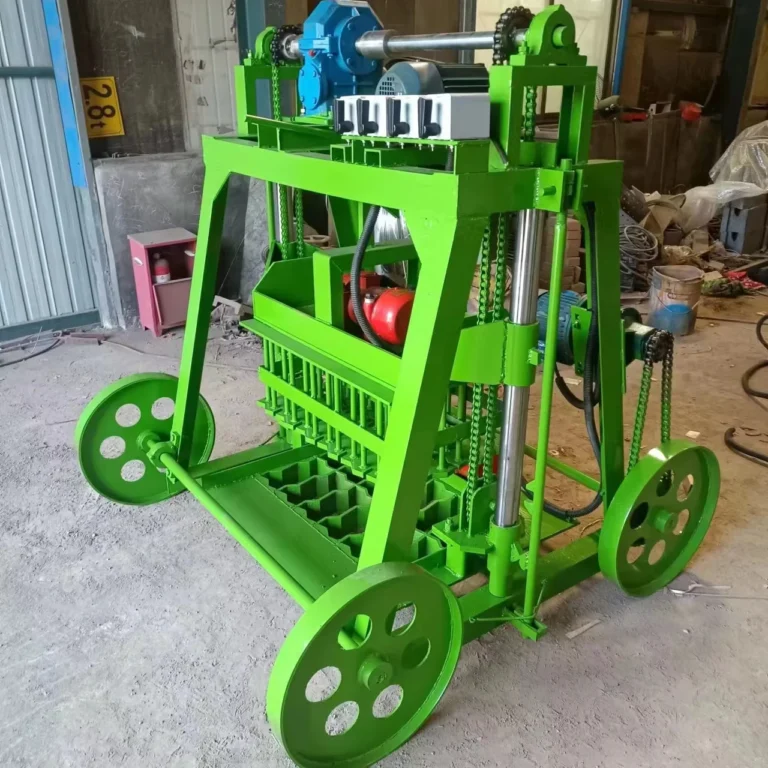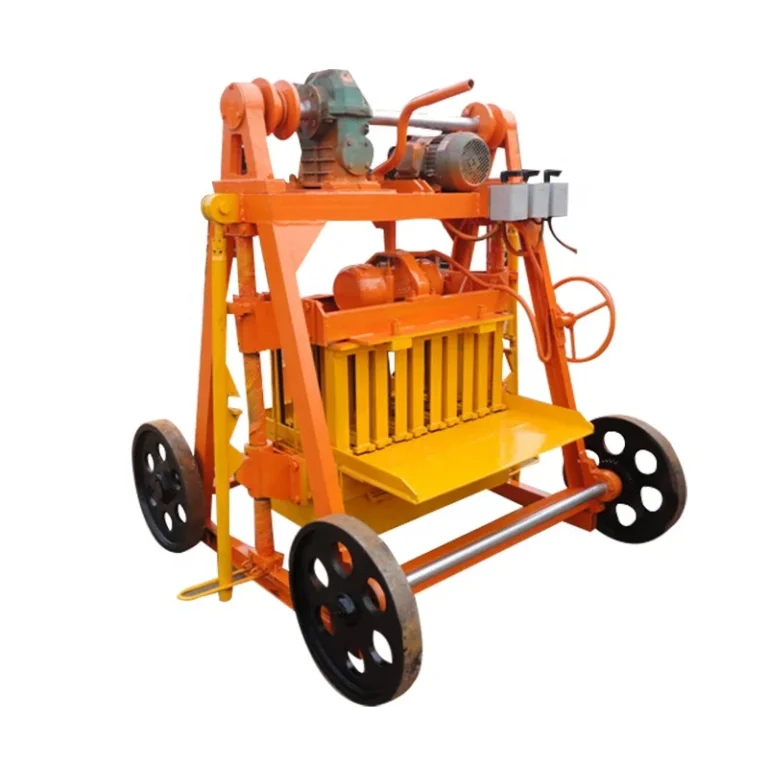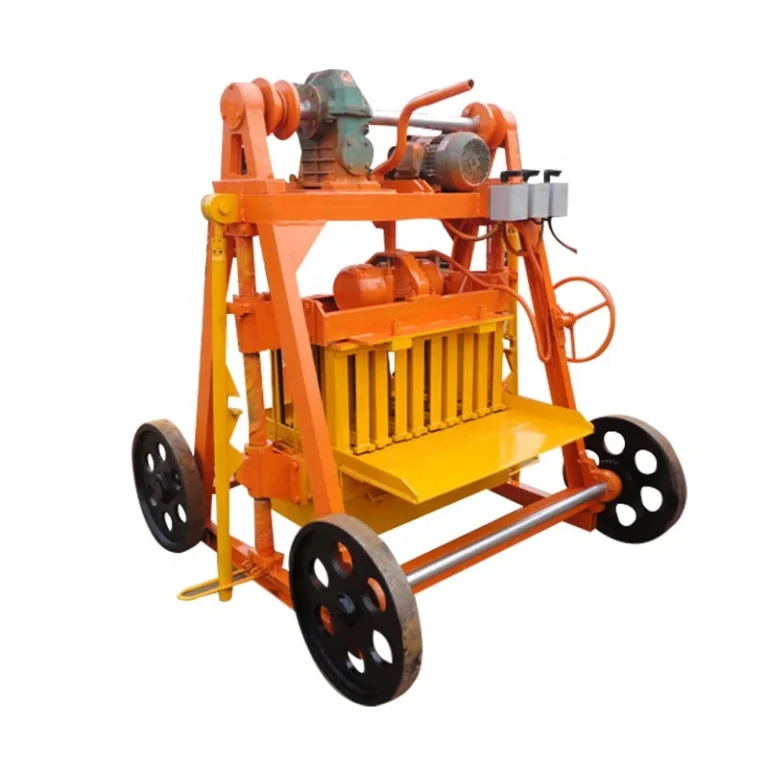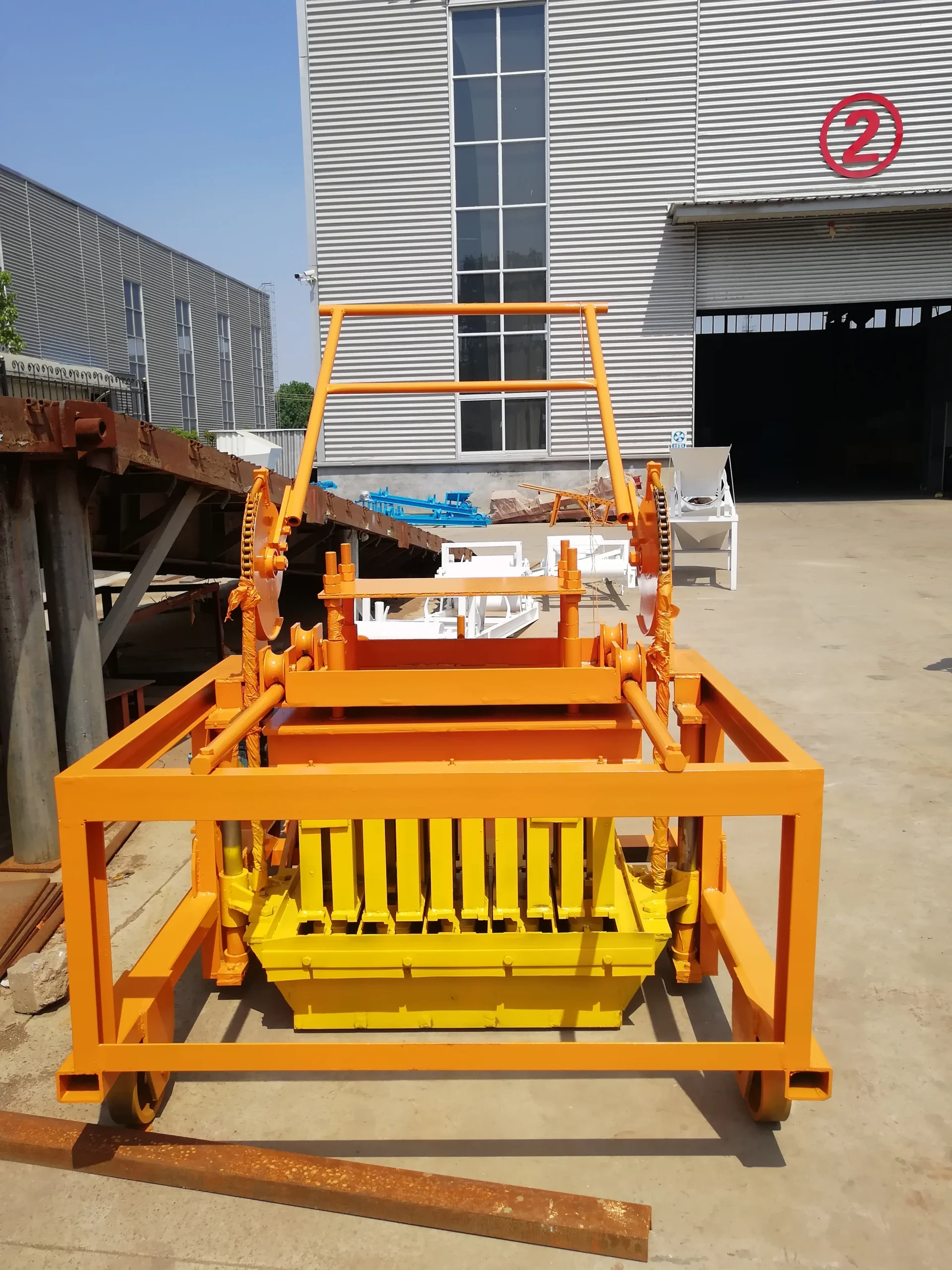
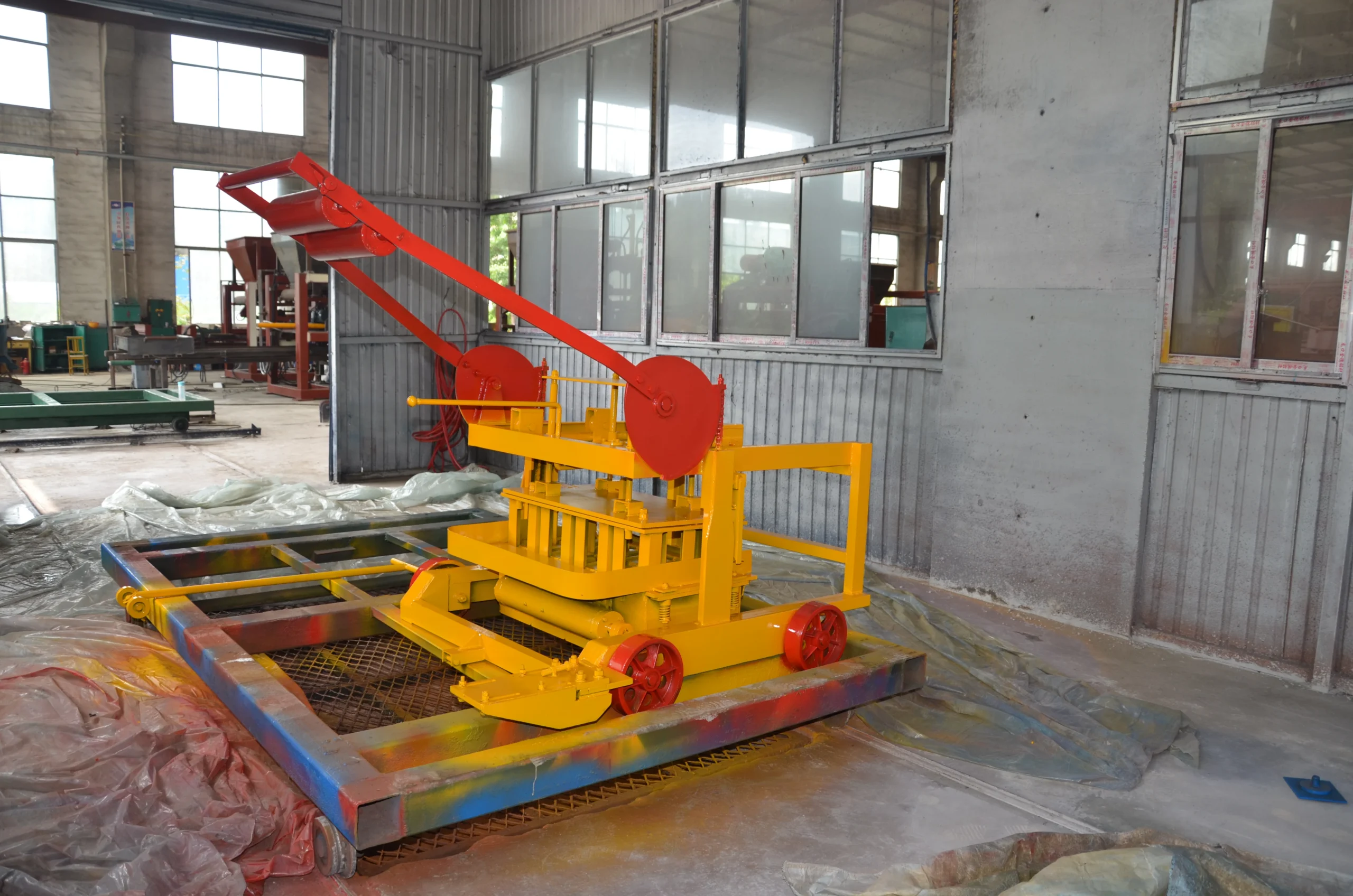
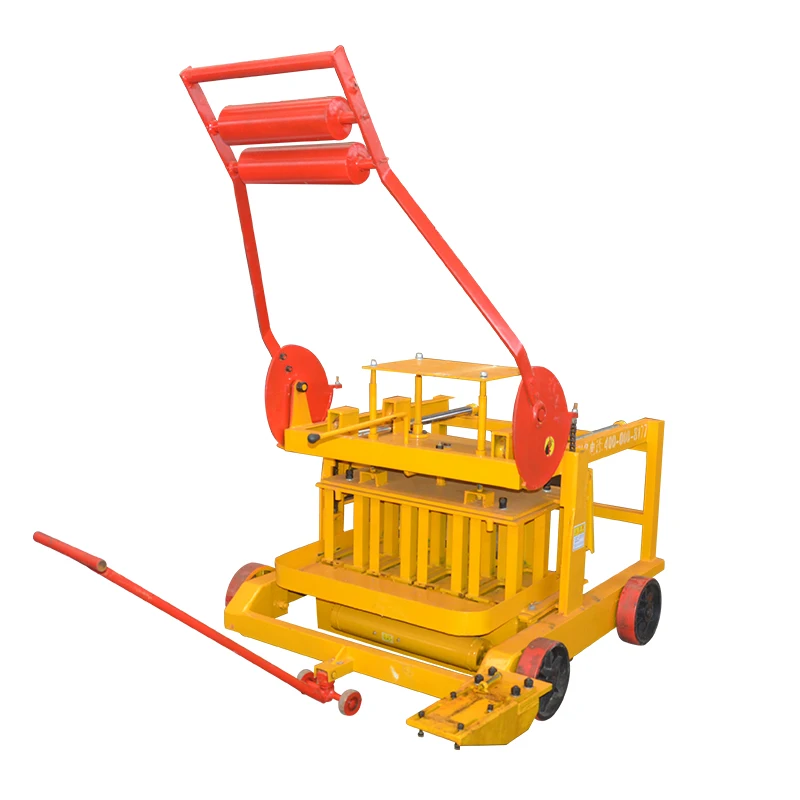
Description
Single-focus engineering — every control component on the QMR4-45 diesel mobile egglaying block machine is specified as part of one matched system, so automation additions integrate without retrofitting conflicts.
Technical Specifications
| Parameter | Value |
|---|---|
| Model | QMR4-45 |
| Product Type | Mobile Manual Egglaying Block Making Machine |
| Power Source | Diesel powered |
| Automation Level | Manual (upgrade options available) |
| Machine Type | Mobile / Egglaying |
| Mould Format | Block and mould sample (basis to be confirmed) |
| Output Capacity | Productivity per image documentation (basis not stated in source) |
| Cycle Time | Dependent on block format and operator rhythm (basis not stated in source) |
| Pallet Size | Not applicable (egglaying type, no pallet required) |
| Control System | Manual operation |
| Optional Parts | Available per configuration request |
Application Suitability
| Application | Material or Output |
|---|---|
| On-site block production without a fixed plant | Concrete mixes using locally sourced crushed stone and cement |
| Remote construction sites without grid electricity | Diesel operation enables independent block forming in off-grid locations |
| Small-scale or startup block production | Standard hollow and solid blocks from basic aggregate blends |
| Building projects requiring local block supply | Kerbstones and pavers where mould samples match project specification |
Why the Voltage Question Should Shape Your Control Decision Early
Even a diesel-powered egglaying machine must be specified with future electrical automation in mind.
The QMR4-45 runs on diesel today, but many buyers eventually add PLC-controlled vibration cycles or automated mould lifting. If the electrical standards and PLC display language were never confirmed at the point of purchase, that upgrade path becomes a costly rewiring project. I once supported a site in West Africa where a mobile block machine sat idle for days because the control panel defaulted to a language the operators could not read, and the remote guidance to switch it took two full days of back-and-forth. An automatic mobile block machine should never arrive without the buyer knowing exactly what the operator will see on the screen [NEED_CITE: control language and voltage standards for industrial exports].
Block strength inconsistency often traces back to vibration force and hydraulic pressure that were never matched to the buyer’s actual mix design. When an operator controls the cycle by feel, every block is slightly different. Controlled vibration cycles remove that variable.
From Manual Baseline to Controlled Cycles
The QMR4-45 ships as a manual egglaying press, which gives buyers a clear starting point. Operators control the mould lowering, vibration duration, and lifting sequence by hand. This keeps the initial investment accessible for entrepreneurs establishing a first block plant or contractors producing on remote sites where complexity is a liability. The diesel engine removes any dependency on grid stability, which matters in regions where power outages would halt an electrically driven automatic mobile block machine mid-cycle.
Where Automation Removes the Operator Variable
Adding controlled vibration timing means the press delivers the same force for the same duration on every cycle, regardless of operator fatigue or shift changes. For buyers planning a PLC-controlled egglaying block machine upgrade later, confirming voltage and frequency at the ordering stage ensures the control cabinet is built to accept those additions. The optional parts availability on this model indicates the frame and wiring pathways can accommodate semi-automatic control modules without structural modification [NEED_CITE: automation upgrade paths for manual mobile block presses].
What the Specifications Mean for Daily Output
The diesel power source determines runtime rather than electrical load, so cycle consistency depends on the operator maintaining steady rhythm during manual operation. The egglaying design eliminates pallet handling entirely, which simplifies the production sequence to mould fill, vibration, and lift. Mould format must be confirmed against the buyer’s target block dimensions, because cycle time and daily output shift significantly between a standard hollow block and a thinner paver format. The absence of a pallet system means curing happens directly on the ground, so the site surface must be level and prepared before production begins.
The Hidden Cost of Skipping Control Specification
Buyers who treat the control system as an afterthought often discover the consequences at commissioning. A PLC display in the wrong language adds days of remote troubleshooting before the first block is produced. An electrical cabinet not rated for the site’s voltage standard means any future automation upgrade requires a full panel replacement. These are not theoretical risks — they appear repeatedly in post-delivery support logs for mobile block equipment shipped without confirmed electrical and language documentation [NEED_CITE: common commissioning delays from unconfirmed control specifications].
Why This Configuration Approach Works Here
Block machinery is the single focus of this supply chain, so the QMR4-45 is not assembled from mismatched components sourced separately. The diesel engine, vibration mechanism, and mould mounting are specified together, which matters when an automation upgrade must interface with the existing vibration timing. Configuration is set against the buyer’s local aggregate and target block format rather than a catalogue default, so the vibration force recommendation matches what the buyer can actually source. Mould design and supply covers the formats the buyer’s market demands, including custom drawings when standard samples do not match. The automation level is selectable, meaning a buyer can begin with manual operation and add semi-automatic control modules as volume justifies the investment [NEED_CITE: matched system specification for mobile block making equipment].
Documentation & Verification
- Machine specification sheet stating manual versus optional control components
- Mould drawing and format list matched to buyer’s target block dimensions
- Voltage and control language confirmation record for any electrical additions
- Factory test record documenting cycle consistency under as-delivered configuration
- Operation and maintenance manual covering manual sequence and upgrade procedures
Installation, Commissioning & Support
- Level ground preparation required since egglaying design places blocks directly on site surface
- Diesel engine fuel supply and exhaust clearance confirmed before first startup
- Mould mounting bolts torqued to specification during on-site assembly
- Manual operation sequence trained with operator using buyer’s local mix design
- Wear parts list provided for mould surfaces and vibration mechanism components
- Vibration timing baseline established during commissioning for future automation reference
What to Prepare Before Requesting a Quotation
Share your target block format with dimensions and required strength grade, along with the local aggregate type you plan to use. Confirm whether your site has any grid power available for future control additions, and specify the voltage and frequency standard in your region. Let us know your target daily output and the language your operators need on any control display.
Frequently Asked Questions
Q: Can the QMR4-45 be upgraded from manual to PLC-controlled operation?
A: Yes. The frame and vibration mechanism accept semi-automatic control modules as optional additions. Upgrading involves adding a PLC cabinet, vibration timing control, and operator interface. Confirming voltage, frequency, and display language at the ordering stage ensures the electrical pathway is ready for that transition without rewiring the existing diesel-driven components.
Q: What automation levels are available for this egglaying machine?
A: The QMR4-45 ships as a fully manual press where the operator controls every cycle step. Optional upgrades include controlled vibration timing and semi-automatic mould lifting sequences. The diesel power source remains independent of the control system, so automation additions do not change the engine configuration.
Q: How does diesel power affect future electrical automation upgrades?
A: The diesel engine handles the vibration and mould movement mechanically, while any added PLC control manages timing and sequence logic through a separate electrical circuit. This means automation upgrades require their own power supply independent of the diesel engine, so site electrical availability must be confirmed before specifying control additions.
Q: What is the realistic cycle time, and how does manual operation affect consistency?
A: Cycle time depends on block format, mix design, and operator rhythm, and the basis must be confirmed for each buyer’s specific product. Manual operation introduces natural variation between cycles. Adding controlled vibration timing standardises the force and duration applied to each block, reducing batch-to-batch strength differences.
Q: How do I specify control language and electrical standards for future automation?
A: Provide your site voltage, frequency, and the language your operators read during the inquiry stage. This information is recorded in the control language confirmation document and built into the electrical cabinet design, so any PLC added later displays correctly from the first day of operation.