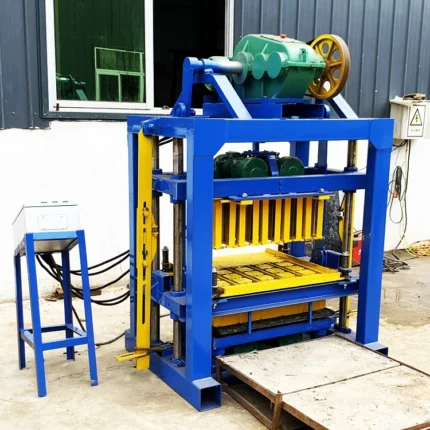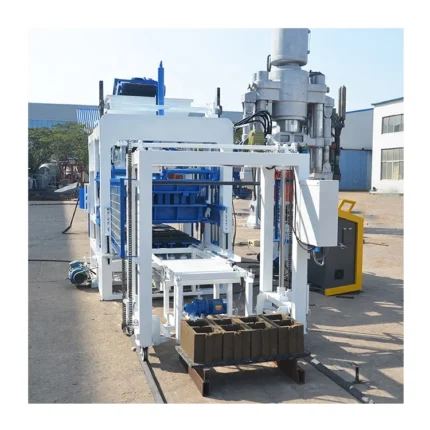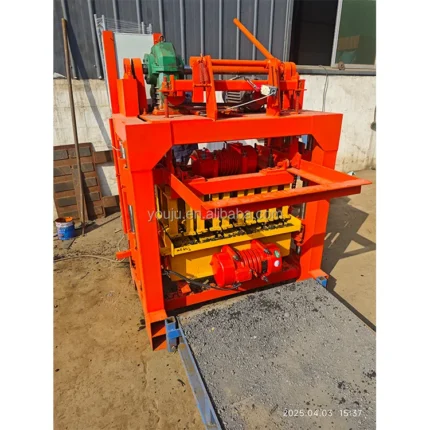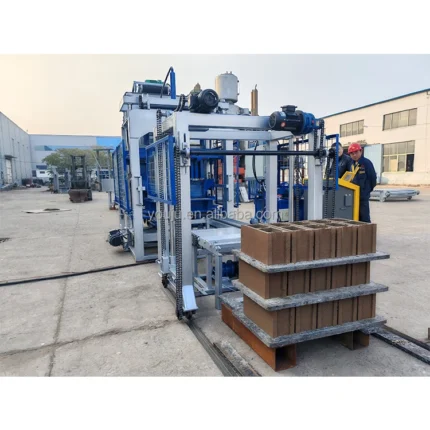


Description
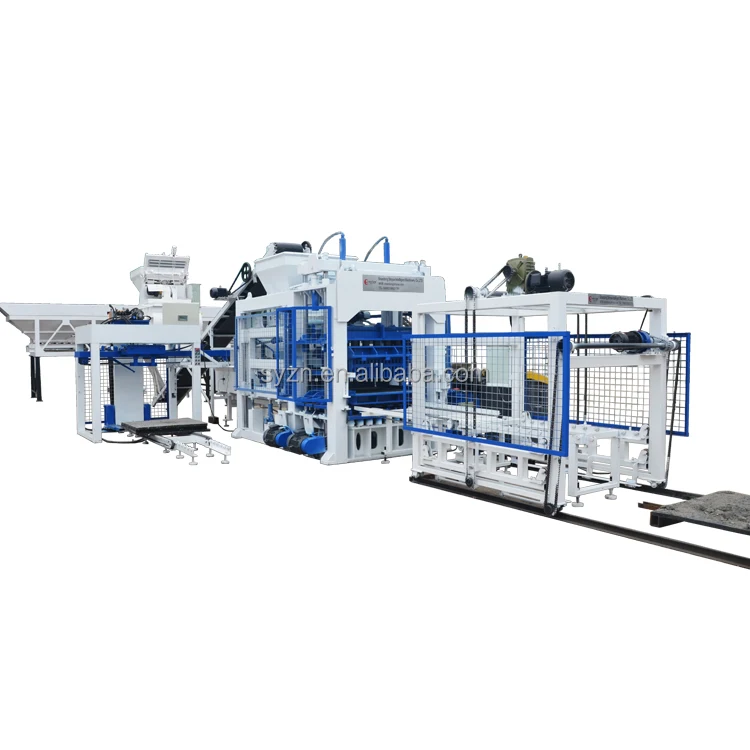
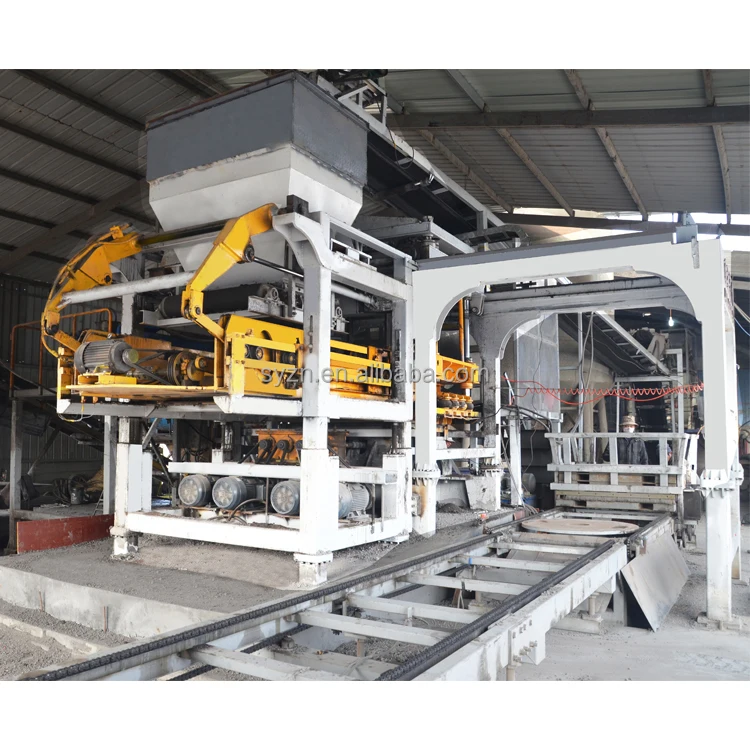
Configuration Matched to Your Mix — Vibration frequency and hydraulic pressure are set against your actual aggregate and block format, not a catalogue default, ensuring the automatic pallet-free block making machine PLC controlled performs on your shop floor as it did during the factory test.
Technical Specifications
| Parameter | Value |
|---|---|
| Model | QT18-25 |
| Product Type | Fully Automatic Pallet-Free Block Making Machine |
| Brick Height Range | 50-300mm |
| Stacking Height | 0-1200mm |
| Main Vibration Form | Platform Vibration |
| Vibration Frequency | 2800~4500 r/min |
| Vibration Power | 60 kW |
| Hydraulic System Power | 59 kW |
| Diving Method | Hydraulic |
| Demolding Method | Vibration and Hydraulic |
| Molding Cycle | 15-25 s (basis to be confirmed per block format) |
| Control System | PLC with person-machine conversation interface |
| Pallet Requirement | Pallet-free (blocks stacked directly) |
| Automation Level | Fully Automatic |
| General Water Consumption | 8T/Day |
| Applied Products | Concrete blocks, hollow/solid blocks, pavers, interlocking blocks, curbstone |
Application Suitability
| Application | Material or Output |
|---|---|
| Hollow Block Production | Crushed stone, sand, cement, fly ash |
| Solid Block Manufacturing | Gravel, slag, cement dust |
| Paver and Curbstone Forming | Aggregates with colored pigments |
| Interlocking Brick Lines | Specific gradations of sand and stone |
Why the Voltage Question Should Come Before the Price
Specifying an automatic pallet-free block making machine PLC controlled system requires locking in electrical standards before the steel is cut. I have spent nights on site rewiring control cabinets because a 50Hz machine was shipped to a 60Hz region.
When the voltage and frequency are not confirmed upfront, the PLC and hydraulic pumps face immediate stress upon arrival. This causes delays during commissioning and can lead to premature failure of the drive motors [NEED_CITE: international voltage and frequency standards]. Matching the electrical schematic to the local grid ensures the machine runs consistently from the first cycle.
Automation Logic and Batch Consistency
The PLC control with a person-machine conversation interface removes operator guesswork from the production loop. By digitizing the parameters for pressure and vibration, the system ensures that every block produced in a shift meets the same density and strength requirements.
Intelligent Pallet-Free Stacking
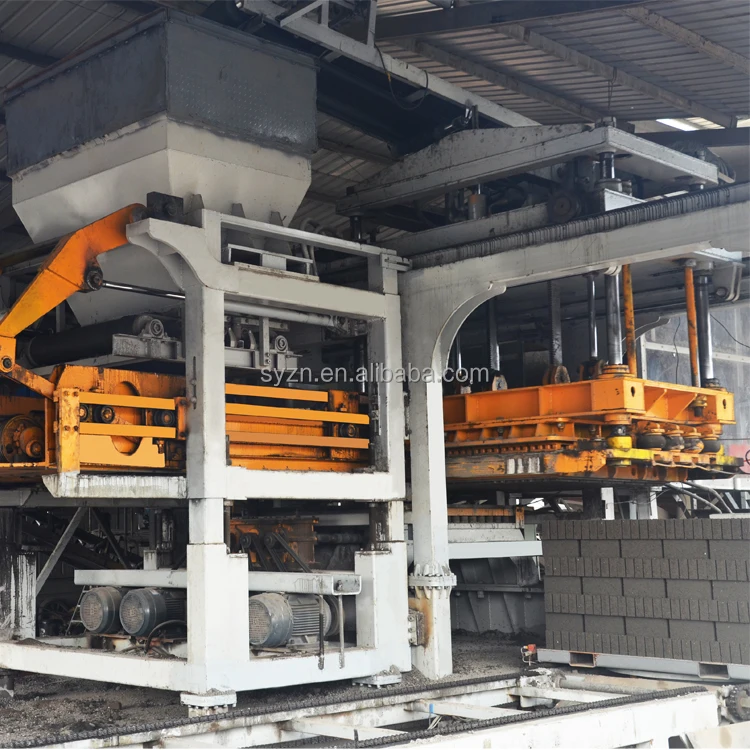
The direct stacking capability up to 1200mm is what defines the intelligence of this line. Instead of managing thousands of wooden or PVC pallets, the machine uses coordinated hydraulic and vibration movements to demold and stack blocks directly. This reduces the factory footprint and eliminates the labor required for pallet circulation and cleaning.
Tuning Vibration to the Mix
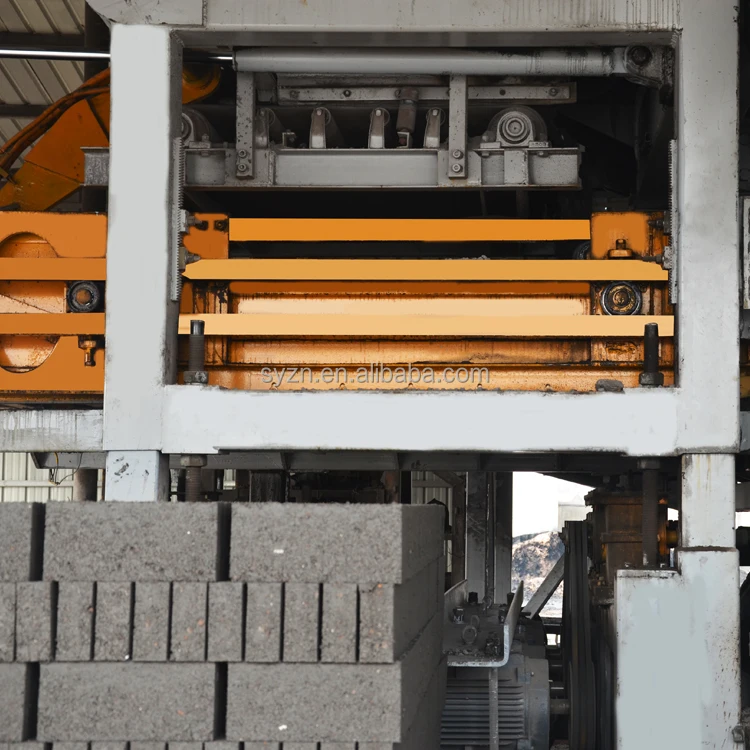
In my experience with machines of this class, a vibration frequency range of 2800–4500 r/min paired with 60 kW vibration power is only effective if it can be tuned. The QT18-25 allows adjustments to match the specific gradation of local aggregates. Whether you are using river gravel or crushed limestone, the platform vibration ensures the concrete settles properly into the mould corners, preventing weak edges and structural inconsistencies [NEED_CITE: concrete block vibration and density principles].
The Cost of Ignoring Site Conditions
If the hydraulic pressure is not matched to the block height—especially at the upper 300mm limit—the demolding process can cause structural cracks. Furthermore, if the line layout does not account for the space needed for direct stacking, the machine will be forced to idle while cured blocks are moved by hand. These configuration gaps turn a fully automatic system into a manual bottleneck [NEED_CITE: block plant layout and curing logistics].
Why Source This Configuration Here
Block machinery is a single focus for the engineering team, meaning the press, moulds, and handling systems are specified as a matched set. The configuration is always verified against the buyer’s actual mix design and target block format. Moulds are designed to match the specific dimensions required by your market, including custom drawings. Installation support includes operator training focused on the PLC interface and maintenance routines to ensure long-term reliability.
Documentation & Verification
- Line layout and capacity calculation stating the assumed block format.
- Machine specification sheet with confirmed pallet-free stacking details.
- Mould drawing and format list tailored to local market requirements.
- Hydraulic and electrical schematic matching the target voltage.
- Factory test record on your specific raw material mix.
- Operation and maintenance manual for the PLC and hydraulic systems.
Installation, Commissioning & Support
- Site planning for the 2000 m² factory area and stacking zones.
- Power supply verification for the 60 kW vibration and 59 kW hydraulic loads.
- Calibration of the PLC interface and person-machine conversation settings.
- Training on direct stacking sequences and mould change procedures.
- Guidance on water consumption management (approx. 8T/Day) for curing.
- Supply of wear parts specific to the vibration platform and hydraulic seals.
Project Details for Quotation
To prepare a proposal for the QT18-25, please provide the target block dimensions and the desired daily output. We also require details on the local aggregate type (gravel, slag, or sand) and the available site dimensions for the stacking area. Finally, specify the local voltage and the preferred PLC display language to ensure the machine is ready for immediate commissioning upon arrival.
Frequently Asked Questions
Q: How is the molding cycle verified for different block formats?
A: The 15–25 second cycle is a baseline for standard hollow blocks. Verification involves a factory test using your specific mix design and block dimensions to determine the precise timing required for consistent density and safe demolding without structural damage.
Q: What PLC language options are supported on the interface?
A: The person-machine conversation interface can be configured in multiple languages. Confirming the operator’s preferred language before production ensures the control screen is readable during setup and troubleshooting, reducing the risk of parameter errors.
Q: How does pallet-free stacking work with downstream curing?
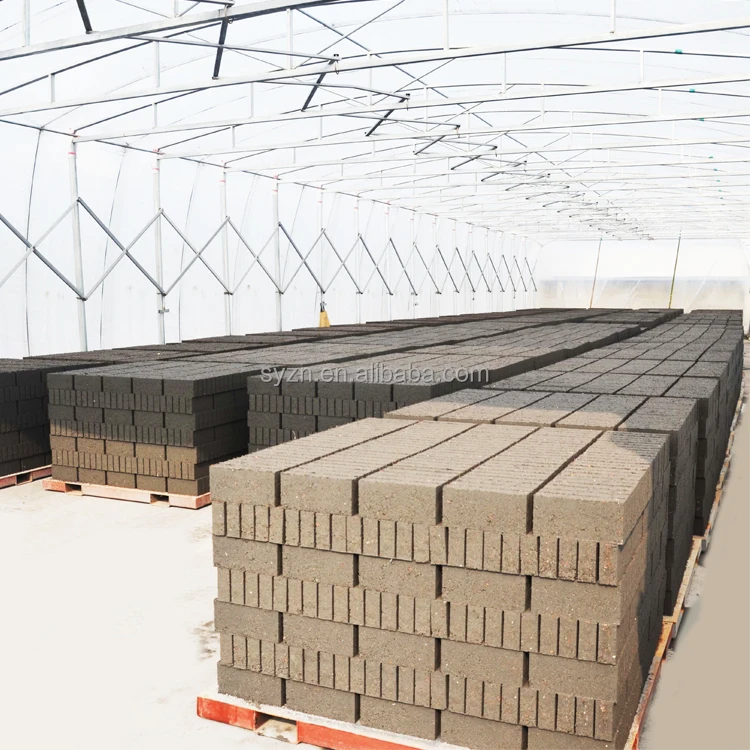
A: Blocks are stacked directly up to 1200mm and then moved to the curing area. This requires coordination with forklifts or automated handling systems designed for pallet-less loads, which must be integrated into the line layout planning.
Q: How are vibration and pressure matched to local aggregates?
A: During the configuration phase, we review the local aggregate gradation and mix design. The vibration frequency and hydraulic pressure are then adjusted to ensure the concrete compacts correctly, preventing voids or weak corners in the finished blocks.