

Description
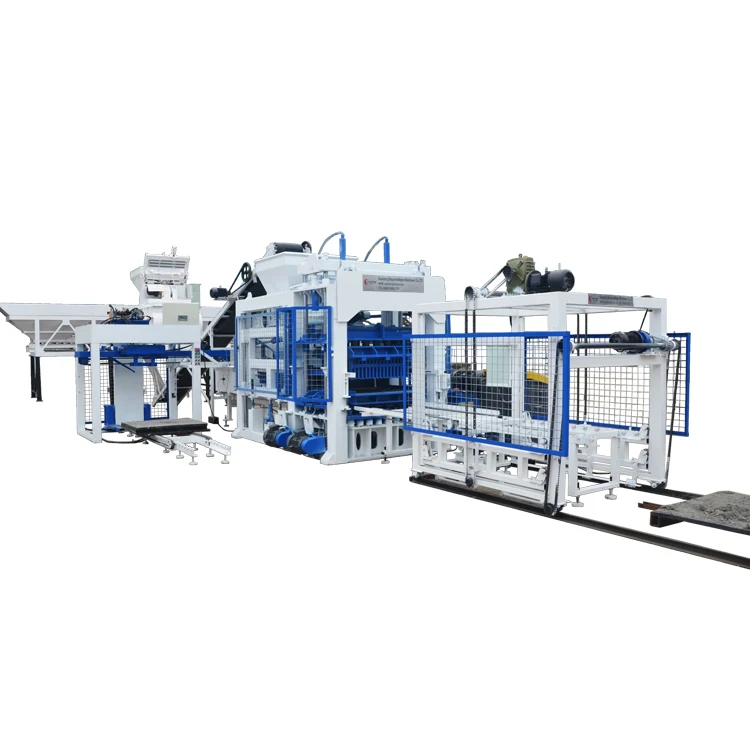
Automation Built Around the Operator — The QT4-15A pairs PLC logic with hydraulic pressing so the control system manages what used to demand constant manual intervention, keeping pallet feeding and cycle timing consistent without adding sensors or stacking hardware the machine was not designed to carry.
Technical Specifications
| Parameter | Value |
|---|---|
| Model | QT4-15A |
| Product Type | Hydraulic Block Making Machine |
| Overall Dimensions | 7100 × 1600 × 2610 mm |
| Total Weight | 3 T |
| Molding Cycle | 15–25 s |
| Vibration Frequency | 4600 r/min |
| Vibration Force | 40–50 kN |
| Total Power | 18.45 kW |
| Mixer Model | JQ350 |
| Pallet Size | 850 × 550 × 25 mm |
| Control System | PLC control system |
| Hydraulic Station | Included |
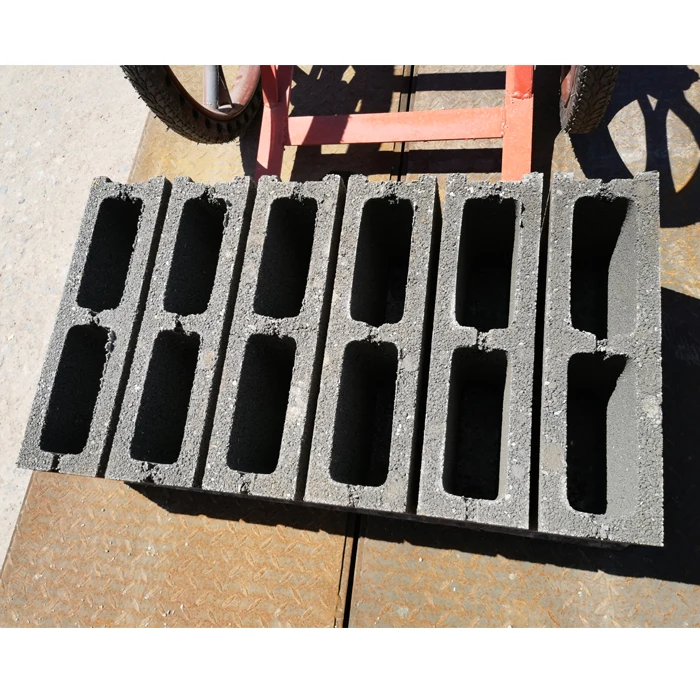
| Output Capacity | 408 pcs/hr (based on 400×200×200 mm hollow block, 4 pcs/mould) |
| Output Capacity | 510 pcs/hr (based on 400×150×200 mm hollow block, 5 pcs/mould) |
| Output Capacity | 2100 pcs/hr (based on 240×115×53 mm solid brick, 18 pcs/mould) |
| Applied Products | Paver, solid block, hollow block, curbstone |
| Raw Materials | Crushed stones, sand, cement, dust, fly ash |
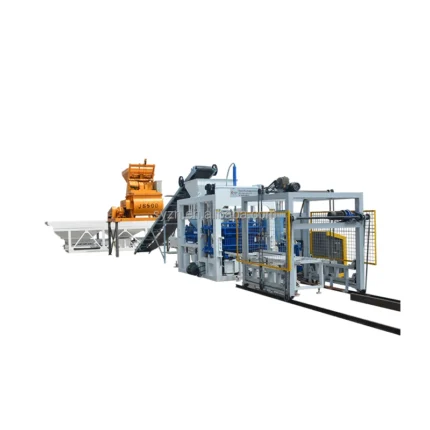
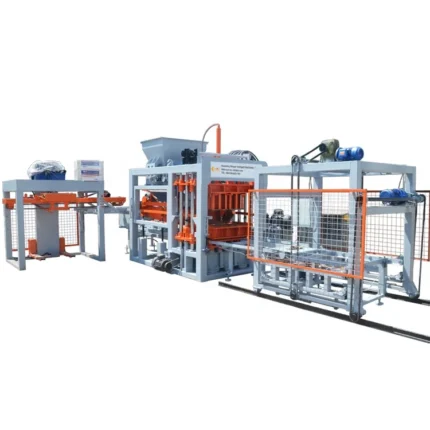
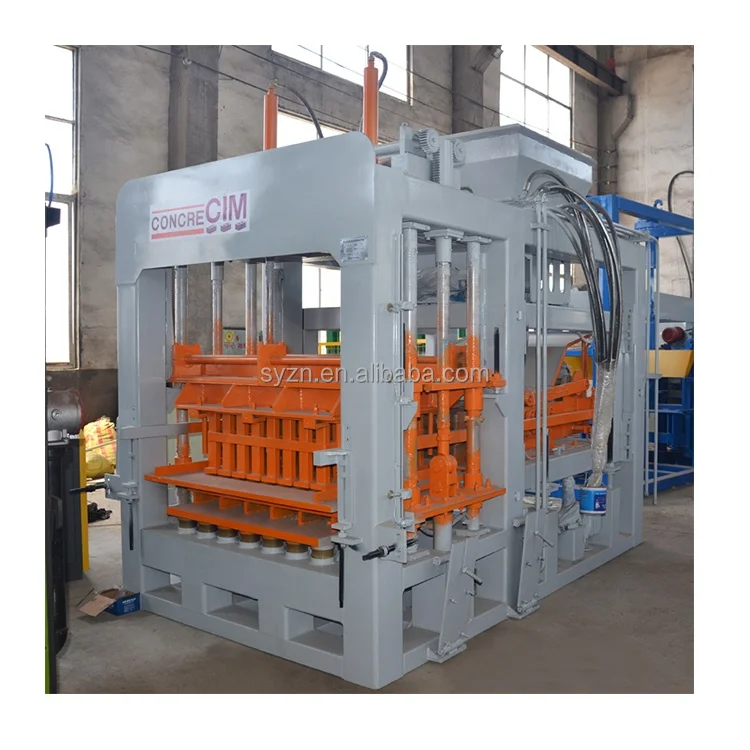
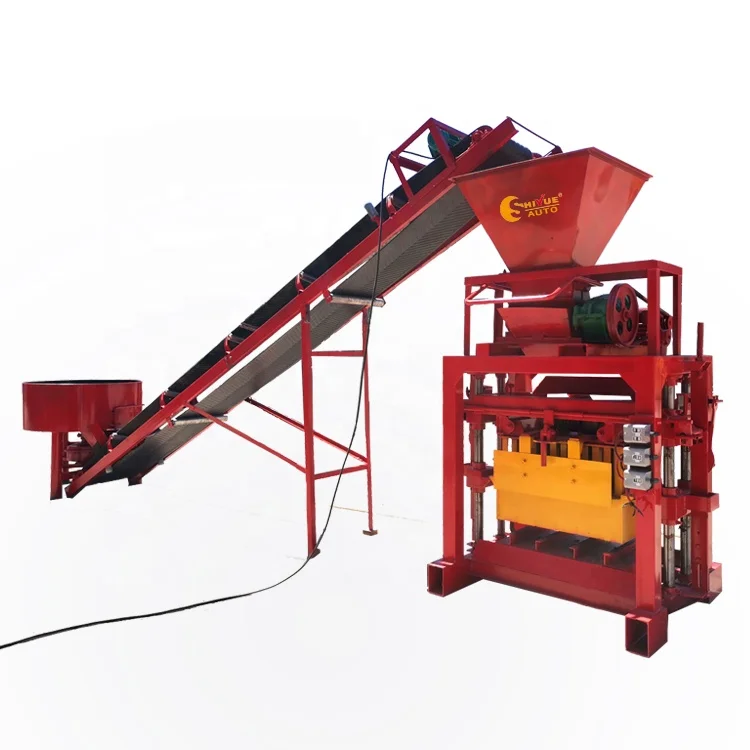
| Included Equipment | Block making machine, hydraulic station, PLC control system, pallet feeder, brick conveyor, block sweeper |
| Free Parts | Manual hydraulic trolley, spare parts and tools |
| Voltage & Frequency | Configurable — confirm before production (basis to be confirmed) |
| Automation Level | Semi-automatic with PLC and pallet feeder |
Application Suitability
| Application | Material or Output |
|---|---|
| Hollow block production for load-bearing walls | Crushed stone, sand, cement, fly ash blends |
| Solid brick runs for partition and infill masonry | Standard cement-aggregate mixes at 240×115×53 mm |
| Paver and curbstone pressing for site infrastructure | Dense aggregate mixes with higher cement content |
| On-site block production for housing projects | Locally sourced sand and crusher dust |
| Medium-output plant adding format variety | Interchangeable moulds across hollow, solid, and paver |
Why the PLC Language Question Must Come Before the Price
An automatic hydraulic block making machine PLC controlled in the wrong language is a manual machine on day one.
I once shipped a QT4-15A to a buyer who specified everything down to the pallet thickness but never mentioned the PLC display language. The default panel arrived in English. The local operator could not read the cycle prompts, and commissioning stalled for a day and a half while we arranged a translated HMI overlay. That delay had nothing to do with the press itself — it was a configuration gap that should have been closed during the quotation stage [NEED_CITE: PLC interface language standards for exported industrial machinery]. When buyers focus the entire conversation on output figures and leave control settings for after shipment, the machine arrives technically complete but operationally frozen. The fix is simple: confirm display language, voltage, and frequency before the order enters production.
What the Control System Actually Governs
The PLC on the QT4-15A manages the molding cycle sequence — pallet advance, feed shuttle traverse, vibration start and stop, hydraulic press descent, dwell time, and retraction. Each step has a programmed duration that the operator can adjust within bounds, but the logic itself prevents out-of-order execution. This means a new operator cannot accidentally drop the press head before the feed box has cleared the mould. For a plant moving from manual toggle switches to an automatic hydraulic block making machine PLC controlled logic, the reduction in mis-pressed cycles is the first visible change on the production floor.
Where Semi-Automatic Ends and the Upgrade Path Begins
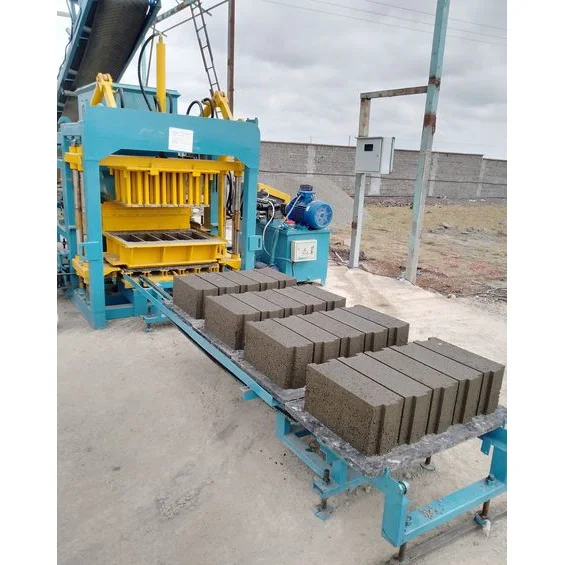
The QT4-15A includes an automatic pallet feeder and a brick conveyor, so the press does not wait for someone to slide a pallet into position or carry fresh blocks to the curing area. What it does not include is automatic stacking or cubing — blocks leave the conveyor and still need manual or forklift transfer to the curing racks. For a plant owner planning a phased investment, this is the deliberate boundary: the press cycle and pallet handling are automated, while downstream curing logistics remain open for a later stacking upgrade. The PLC architecture supports that expansion without replacing the core controller [NEED_CITE: automation upgrade paths in block production lines].
Reading the Specs That Determine Real Output
The 40–50 kN vibration force and the hydraulic station work together: vibration settles the aggregate into the mould cavity, and hydraulic pressure compresses it into a coherent block. If the vibration force is too low for a dense mix, the block exits with voids; if the hydraulic pressure is insufficient, the block lacks compressive strength. The 4600 r/min vibration frequency is tuned for standard hollow block and solid brick formats — running a lightweight paver mix at this frequency without adjusting the cycle time can cause surface cracking. The 850 × 550 × 25 mm pallet size must match the curing rack spacing and the forklift tine width already in the buyer’s yard, because changing pallet dimensions after delivery means replacing the entire pallet inventory. The 15–25 s molding cycle varies with block height and mix stiffness — a 200 mm hollow block will sit at the longer end of that range, while a 53 mm solid brick completes faster, which is why the quoted output of 2100 pcs/hr applies only to the solid brick format at 18 pcs/mould.
The Hidden Cost of Skipping Configuration Checks
When voltage and frequency are assumed rather than confirmed, the machine may power on but run the hydraulic pump at the wrong speed, producing lower pressure than the PLC expects. The controller then extends the press dwell time to compensate, lengthening every cycle without the operator understanding why. Similarly, if the pallet feeder is calibrated for a pallet thickness that does not match what the buyer actually stocks, pallets jam at the feed gate and the press sits idle. These are not equipment failures — they are configuration oversights that turn a semi-automatic line into a source of constant manual intervention [NEED_CITE: common commissioning delays in exported block machinery].
Why Source This Machine From Shiyue
Block machinery is the single focus here, so the QT4-15A is specified as a matched system — press, hydraulic station, pallet feeder, conveyor, and sweeper — rather than assembled from unrelated suppliers. The machine is configured against the buyer’s actual mix design and local aggregate, not a catalogue default, which means the vibration and pressure settings are adjusted before dispatch. Mould design covers the formats the buyer’s market actually sells, with custom mould drawings available on request. The automation level is selectable: a buyer can start with the semi-automatic QT4-15A and plan a stacking upgrade later without replacing the press. Installation support includes operator training on the PLC interface, and wear parts and mould lists are provided so the first replacement cycle does not catch the plant unprepared.
Documentation & Verification
- Line layout with capacity calculation stating the exact block format and mould cavity count assumed
- Machine specification sheet covering hydraulic, vibration, and PLC parameters for the QT4-15A
- Mould drawing and format list for every block type included in the order
- Voltage, frequency, and PLC display language confirmation record signed before production
- Factory test record showing cycle timing and block output on the buyer’s target format
- Operation and maintenance manual with wear parts list and first replacement intervals
Installation, Commissioning & Support
- Foundation must support the 7100 × 1600 mm footprint and 3 T operating weight with level tolerance for the pallet feed track
- Dedicated power circuit sized for 18.45 kW total draw with confirmed voltage and frequency before energizing the hydraulic pump
- Machine ships dismantled for container loading; reassembly on-site covers hydraulic lines, PLC wiring, and pallet feeder alignment
- First-run commissioning includes PLC parameter tuning to the buyer’s mix design and target molding cycle
- Operator training covers PLC navigation, mould change procedure, and daily hydraulic station inspection
- Wear parts list and spare tool set shipped with the machine to cover the initial production period
What We Need to Configure Your Line
To size the QT4-15A correctly, share your target block formats with dimensions, the daily output you need for each format, and the raw materials available locally — especially aggregate type and maximum particle size. Confirm your site voltage, frequency, and the PLC display language your operators read. If you already have curing racks and forklifts in place, send the pallet dimensions and rack spacing so the pallet feeder and pallet specification match your existing infrastructure.
Frequently Asked Questions
Q: How is the quoted output capacity calculated, and which block format does it assume?
A: Every output figure is tied to a specific block format and mould cavity count. For the QT4-15A, 408 pcs/hr assumes a 400×200×200 mm hollow block at 4 pcs per mould, while 2100 pcs/hr assumes a 240×115×53 mm solid brick at 18 pcs per mould. The capacity calculation sheet provided with the quotation states the exact format, cycle time, and mould used so the number matches your planned production.
Q: What voltage, frequency, and PLC language options are confirmed before shipment?
A: Voltage and frequency are set to match your site supply — this must be confirmed before the machine enters production. The PLC display language is selected from available options and locked in during the order stage. A written confirmation record covering all three parameters is signed off before assembly begins, preventing commissioning delays caused by mismatched electrical or interface settings.
Q: How does the QT4-15A automation level compare to a fully automatic stacking line?
A: The QT4-15A automates the press cycle, pallet feeding, and block conveying, but blocks still require manual or forklift transfer from the conveyor to curing racks. A fully automatic line adds stacking and cubing stations downstream. The PLC architecture on the QT4-15A supports adding those stations later, so a plant can start semi-automatic and expand without replacing the core press or controller.
Q: How is the machine configured to match my local aggregate rather than a catalogue default?
A: During the inquiry stage, you provide your raw material details — aggregate type, particle size range, and cement ratio. The vibration force and hydraulic pressure settings are then adjusted to match that mix, ensuring the block achieves target strength without surface defects. The factory test record documents performance on a mix profile matching your specification before the machine ships.
Q: What is included in the delivery, and what must I source separately?
A: The delivery includes the block making machine, hydraulic station, PLC control system, pallet feeder, brick conveyor, block sweeper, a manual hydraulic trolley, and a spare parts and tools set. Pallets themselves, curing racks, and any downstream stacking equipment are not included. The pallet specification is matched to your existing curing area dimensions so you can source pallets locally to the correct size.