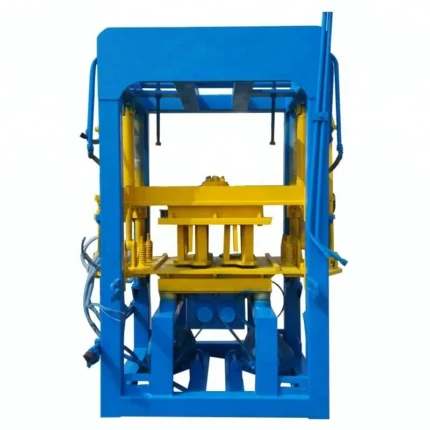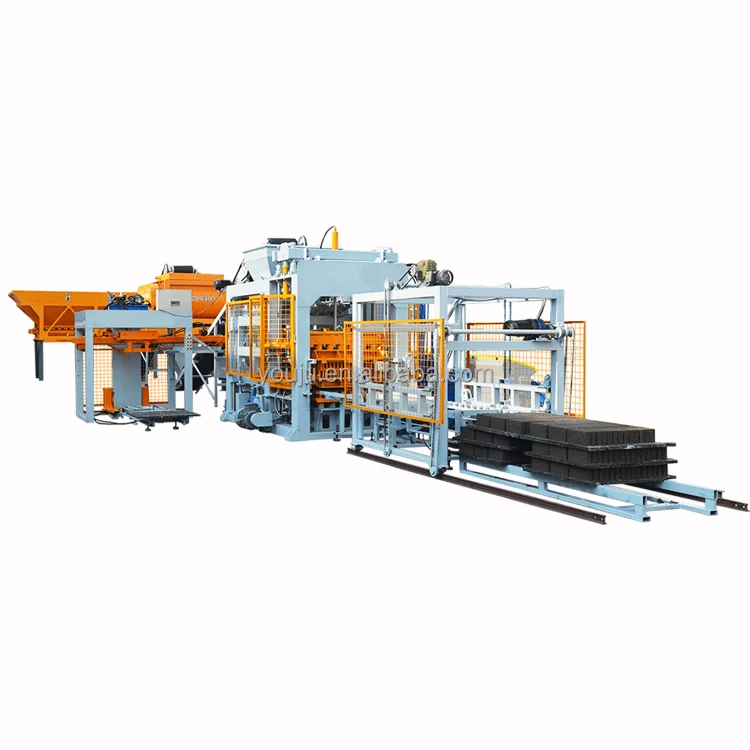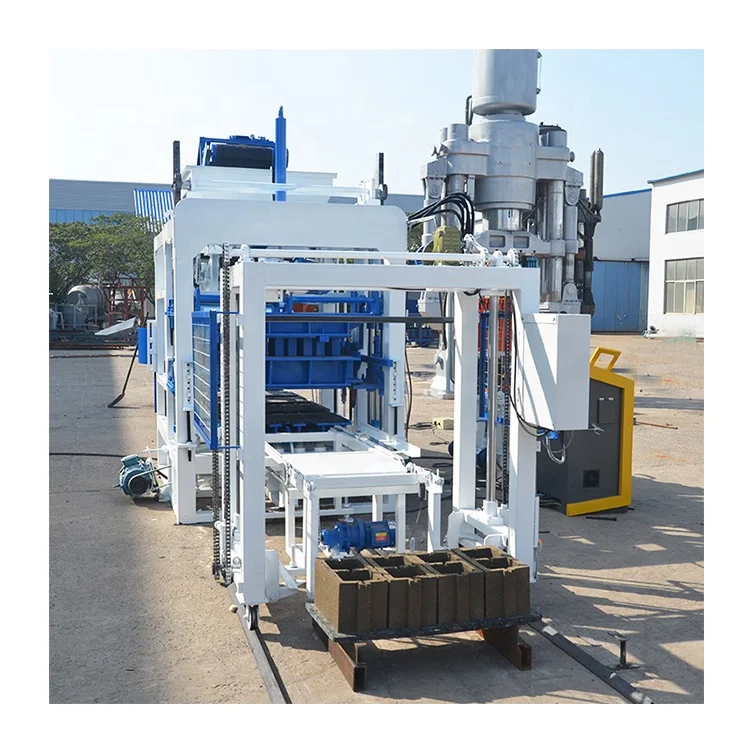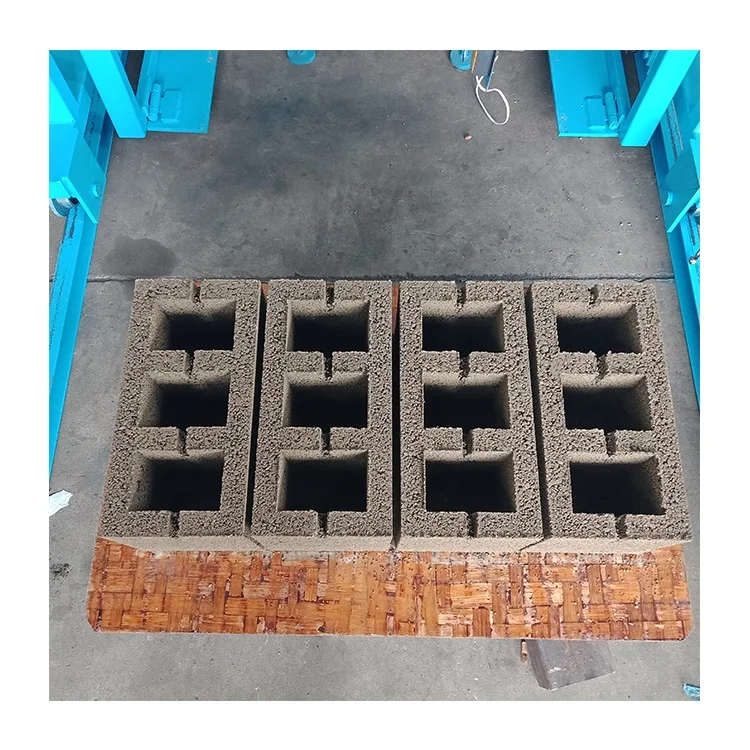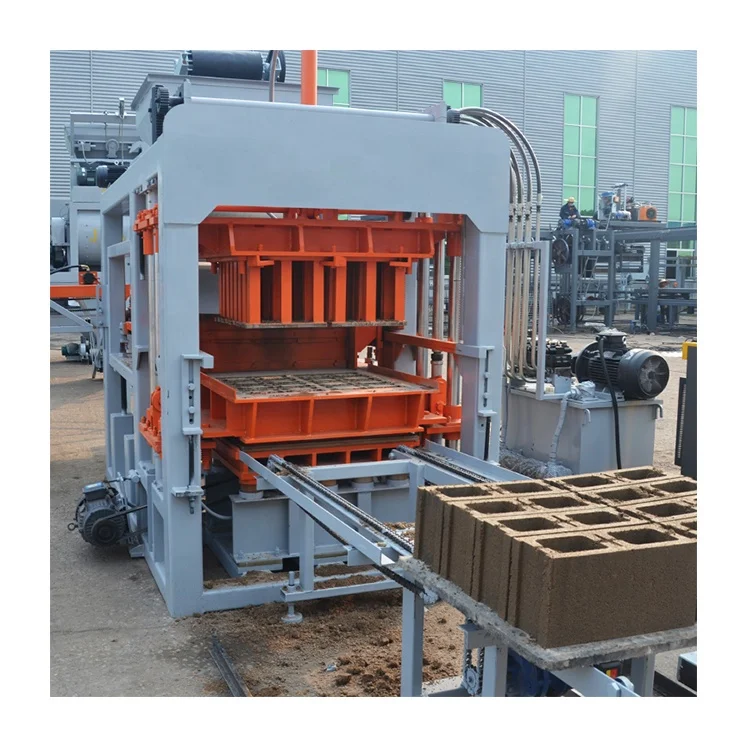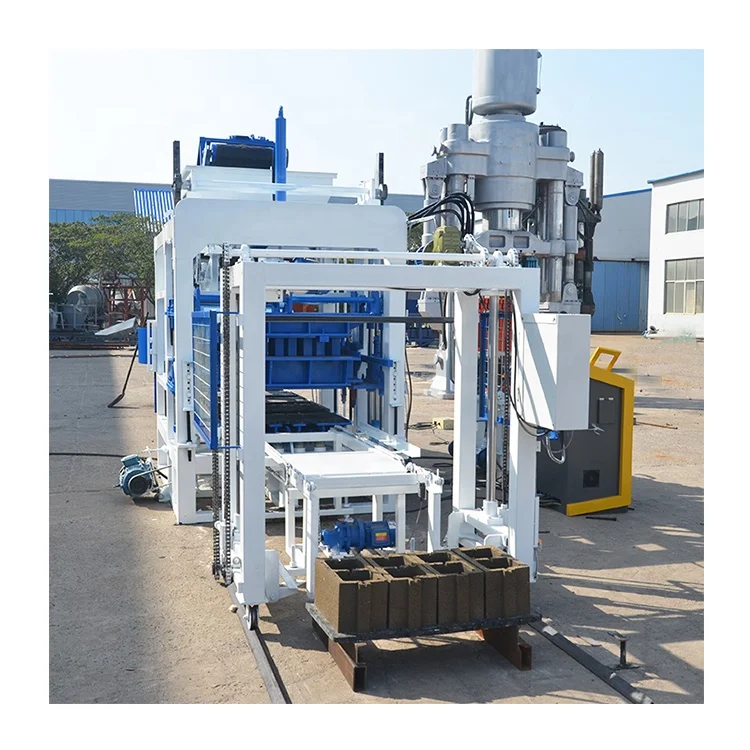
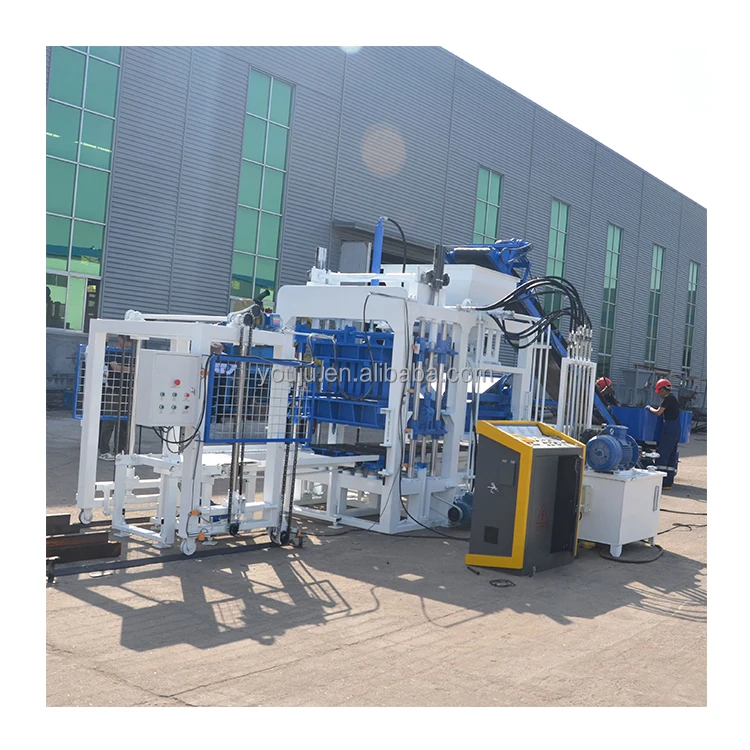
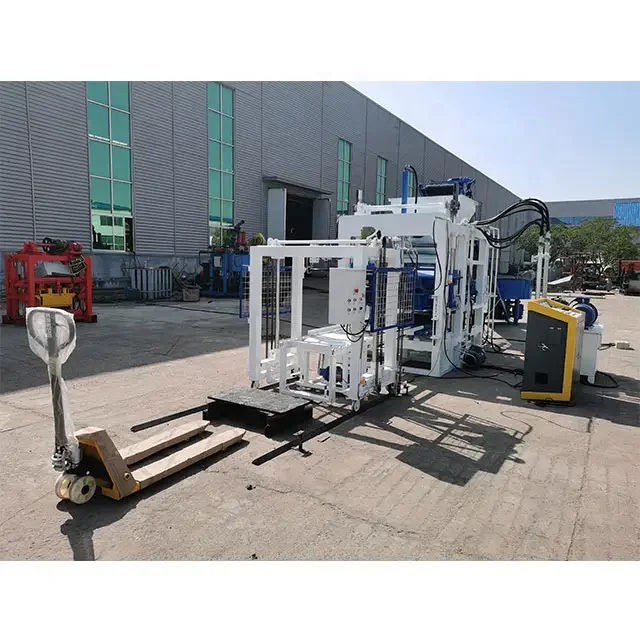

Description
Control Logic Tuned to Your Operator — QT4-16 PLC parameters confirmed against your local aggregate and block format before the machine leaves the factory, eliminating the commissioning delays I have seen halt production for days.
Technical Specifications
| Parameter | Value |
|---|---|
| Model | QT4-16 |
| Product Type | Automatic Hydraulic Concrete Block Making Machine |
| Overall Dimensions (L×W×H) | 7400×1950×2800 mm |
| Total Mass | 5 T |
| Rated Pressure | 21 MPa |
| Vibration Force | 40 kN |
| Vibration Frequency | 2800–4500 r/min |
| Main Vibration Form | Platform Vibration |
| Pallet Size | 900×550 mm |
| Molding Cycle | 15–20 s (basis not stated in source — confirm block format / material / thickness) |
| Demolding Method | Hydraulic |
| Control System | PLC intelligent control with man-machine interface, logic control, production program, malfunction diagnosis, remote control function |
| Recommended Factory Area | 600 m² |
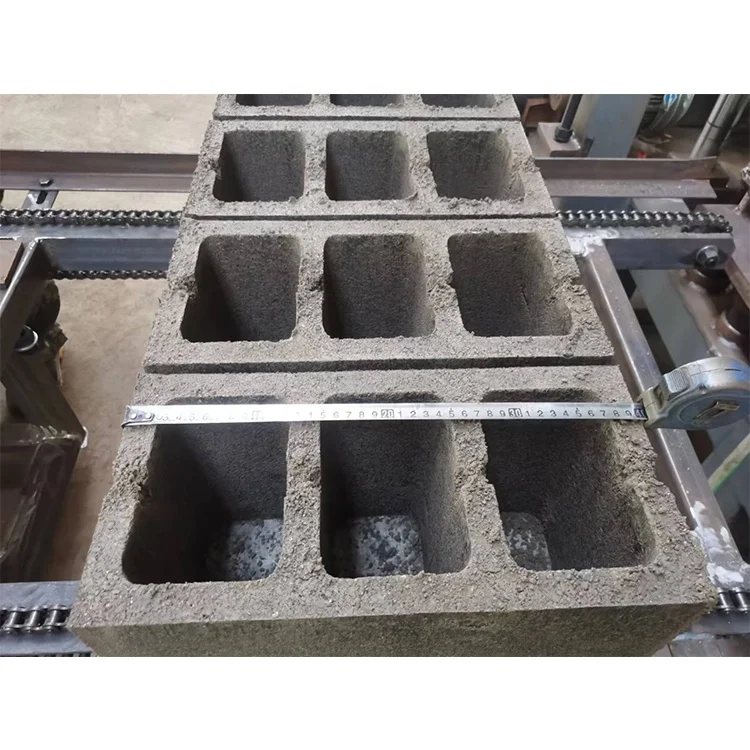
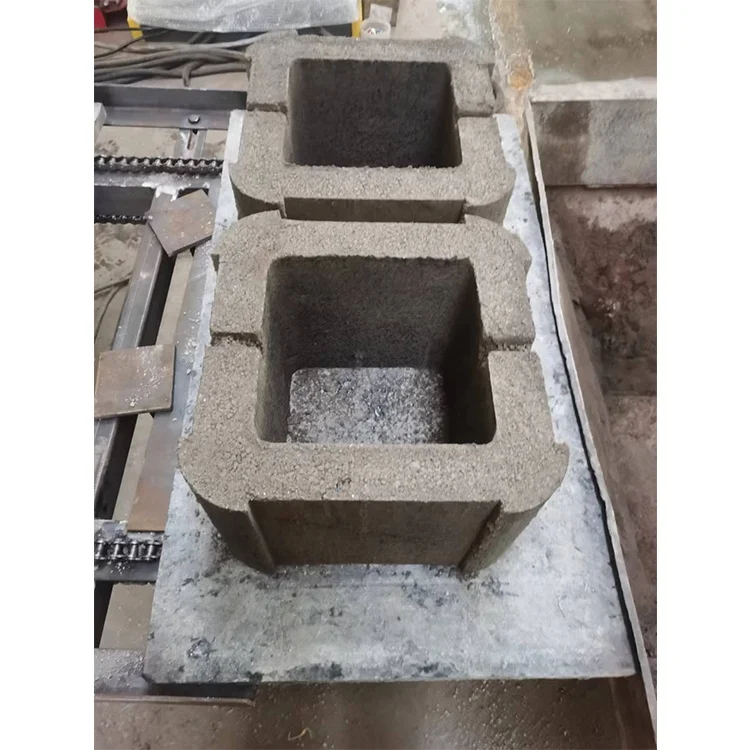
| Applied Products | Concrete blocks, hollow/solid blocks, pavers, interlocking blocks, curbstone, colored pavers |
| Voltage & Frequency | Configurable to site (to be confirmed before commissioning) |
| Language Options | Display language configurable (to be confirmed before production) |
Application Suitability
| Application | Material or Output |
|---|---|
| Hollow Block Production | Crushed stone, sand, cement, fly ash |
| Solid Block Manufacturing | Gravel, slag, dust, cement |
| Paver and Interlocking Brick | Colored concrete mixes, fine aggregates |
| Curbstone and Boundary Blocks | High-density concrete with coarse aggregate |
| Building Material Plants | Local aggregates processing into structural and decorative formats |
Why the Language Question Must Precede the Price
A control panel the operator cannot read turns an automatic block making machine with PLC control into a very expensive manual press.
I spent three days on a remote call walking a plant foreman through an English-only HMI because the display language was never asked during the order stage. The machine sat idle while production targets slipped, and the owner paid for every lost shift. Confirming the PLC display language and verifying the logic match your operator’s reading level is the single most overlooked step when sourcing this equipment [NEED_CITE: operator interface language requirements for exported machinery].
The Role of Intelligent Control on the Shop Floor
The automatic block making machine with PLC control on this platform runs a stored production program per block format, meaning vibration duration, hydraulic dwell, and feed timing repeat identically across every cycle. This removes the variance that appears when operators adjust parameters by feel during a long shift.
Remote Diagnostics and Fault Response
When a sensor drifts or a solenoid sticks, the malfunction diagnosis module flags the fault on the HMI with a specific code rather than a generic alarm. Remote control function allows the control logic to be reviewed from off-site, reducing the time between a fault appearing and a technician identifying the root cause [NEED_CITE: remote diagnostic capabilities in industrial PLC systems].
Reading the Core Parameters
Platform vibration at 2800–4500 r/min combined with 40 kN force compacts the mix from below, which is necessary for close-grained faces on pavers and interlocking formats. The 21 MPa rated hydraulic pressure provides the demolding force to release blocks cleanly without edge damage, particularly on tall hollow formats. Pallet size of 900×550 mm defines the curing rack spacing and forklift capacity you need on the floor, so verify this matches your existing handling equipment before the machine ships.
The Cost of Skipping Configuration Checks
Machines configured for a default catalogue mix frequently arrive at sites where the local aggregate has a different absorption rate, producing blocks that crack during curing or fail compression tests. When the pallet size does not match the curing racks already welded and painted, the buyer ends up rebuilding the entire rack system. Voltage mismatch discovered after arrival means the machine cannot be powered on until a transformer is sourced locally, sometimes adding weeks to the commissioning timeline [NEED_CITE: voltage and frequency standards by export market].
Why This Configuration Approach Matters
Machine, mould, pallet, and handling equipment are specified together rather than assembled from separate quotations, so the 7400 mm machine length and 900×550 mm pallet are matched to your stacking and curing layout. The automation level is selectable, allowing a plant to start with semi-automatic pallet handling and add automatic stacking later without replacing the press. The PLC production program stores parameters per block format so your operator calls up the correct recipe with one screen tap. Mould design covers the formats your local market actually purchases, including custom drawings when standard catalogues do not include your required dimension.
Documentation & Verification
- Line layout with capacity calculation stating the block format assumed for the 15–20 s cycle
- Hydraulic and electrical schematic matched to your confirmed voltage and frequency
- PLC display language confirmation signed off before production begins
- Factory test record run on your specified block format and mix ratio
- Wear parts and mould list with part numbers for your first reorder
Installation, Commissioning & Support
- 600 m² recommended factory area verified against your pallet stacking and curing rack plan
- Dedicated power circuit sized to the confirmed voltage and total connected load
- Machine arrives dismantled to fit standard container loading with reassembly support
- PLC parameters loaded and production program tested against your local aggregate on site
- Operator training covers fault code recognition on the man-machine interface
- Wear parts list provided so spares are on shelf before the first mould change is needed
What to Include in Your Inquiry
Share your target block formats, daily output requirement, and the local aggregate you intend to use so the capacity calculation can be stated honestly. Confirm your site voltage, frequency, and the language your operators read so the control system arrives ready to run. Note whether you plan to handle pallets manually or want automatic stacking included in the initial scope.
Frequently Asked Questions
Q: How do I verify the actual daily output for my specific block?
A: The 15–20 s molding cycle is published without stating which block format or mix it assumes. Request a capacity calculation that names the exact block dimension, wall thickness, and material composition used to derive the figure, so you can compare it directly against your production targets.
Q: Can the PLC display be set to my local language?
A: Yes, the man-machine interface supports multiple display languages. Specify the language your operators read during the inquiry stage so the correct language pack is loaded and tested at the factory before the machine ships to your site.
Q: How does remote diagnostics help during a fault?
A: The malfunction diagnosis system displays a specific fault code rather than a generic alarm. The remote control function allows the PLC program state to be reviewed off-site, helping identify whether the issue is a sensor, solenoid, or logic parameter before a technician is dispatched.
Q: What is the upgrade path from semi-automatic operation?
A: The platform supports adding automatic pallet feeding, stacking, and cubing modules to the existing press. The PLC architecture accommodates these additions, so you can start with manual pallet handling and introduce automation stations as production volume grows.