
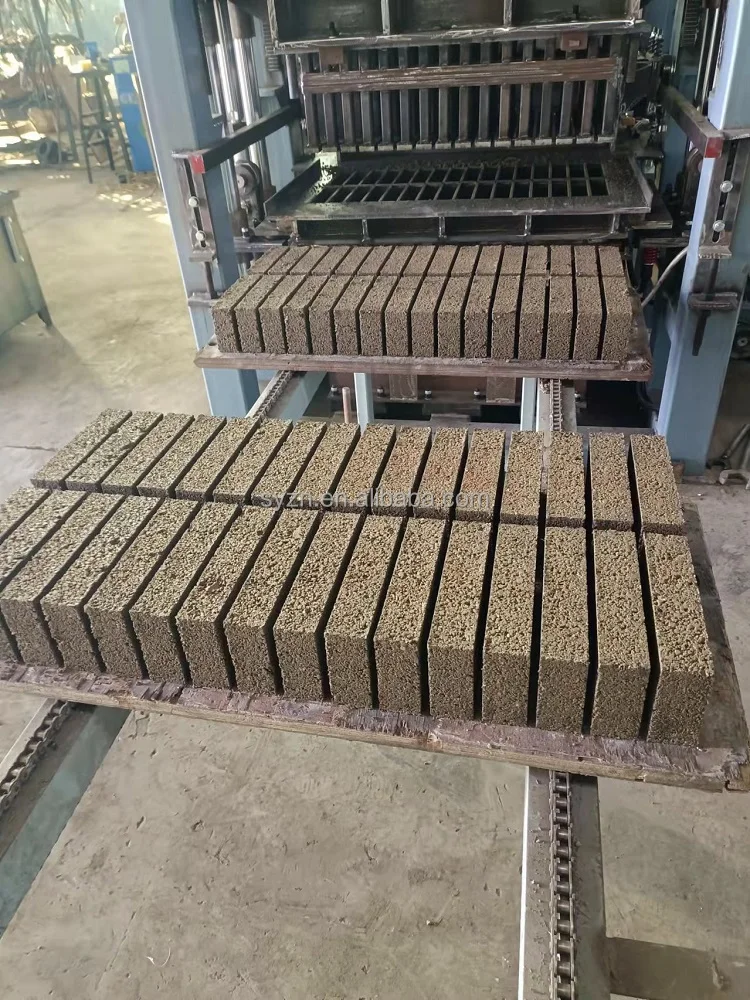
Description
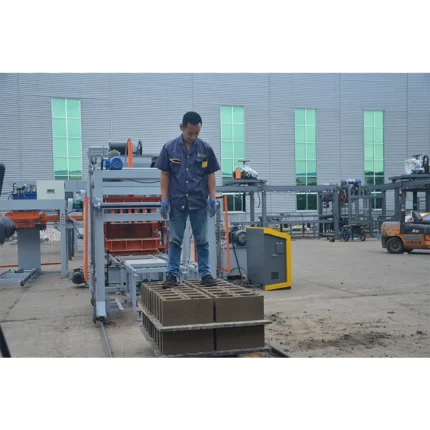
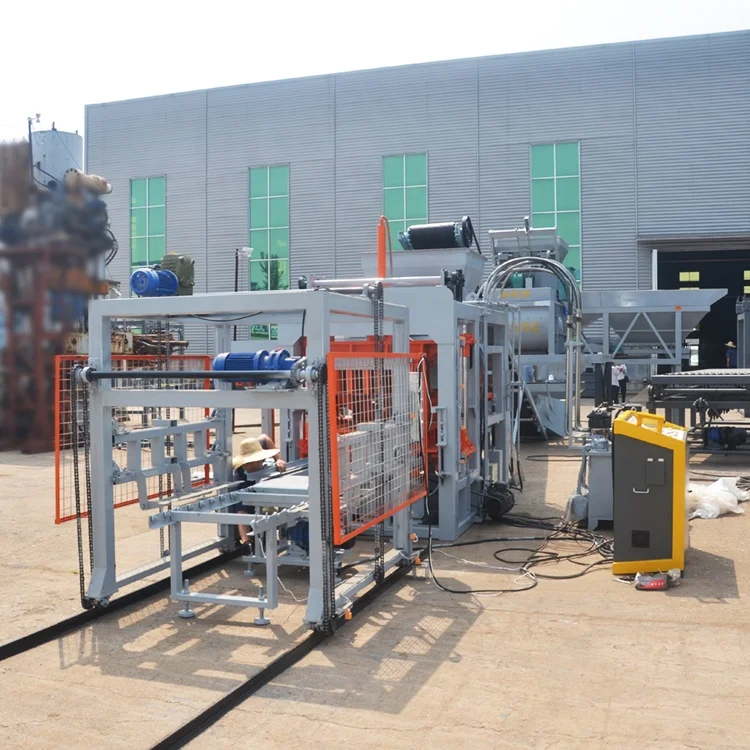
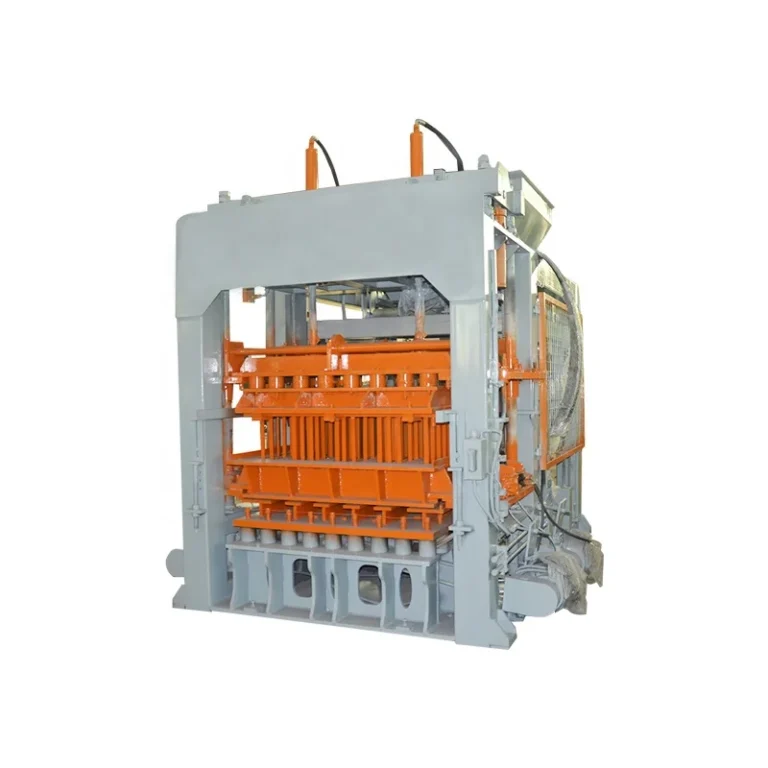
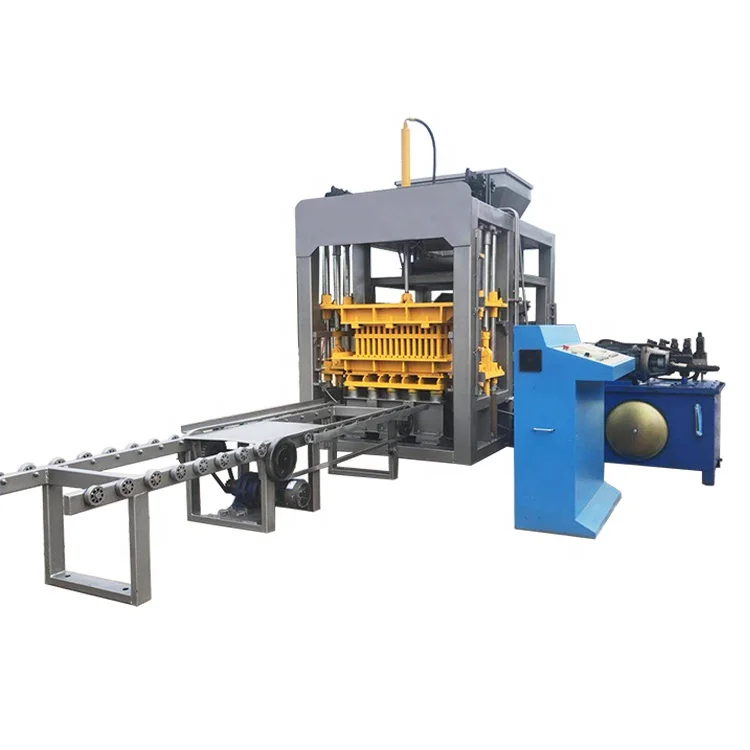
Synchronized control logic — the QT5-15 aligns platform vibration with hydraulic pressure through PLC interlocking so each cycle repeats identically, reducing operator dependency across every block format the machine runs.
Technical Specifications
| Parameter | Value |
|---|---|
| Model | QT5-15 |
| Product Type | Automatic Hydraulic Block Making Machine |
| Rated Power | 26.5 kW |
| Hydraulic Pressure | 16–21 MPa |
| Vibration Force | 45 kN |
| Main Vibration Form | Platform Vibration |
| Pallet Size | 1100×550 mm |
| Molding Cycle | 15–20 seconds |
| Overall Dimensions | 7400×1950×2800 mm |
| Net Weight | 6000 kg |
| Control System | PLC Controller |
| Voltage & Frequency | According to local voltage (basis not stated in source — confirm voltage, frequency and phase) |
| PLC Display Language | Not stated in source — confirm before production |
| Automation Level | Automatic with electric-hydraulic interlocking procedures |
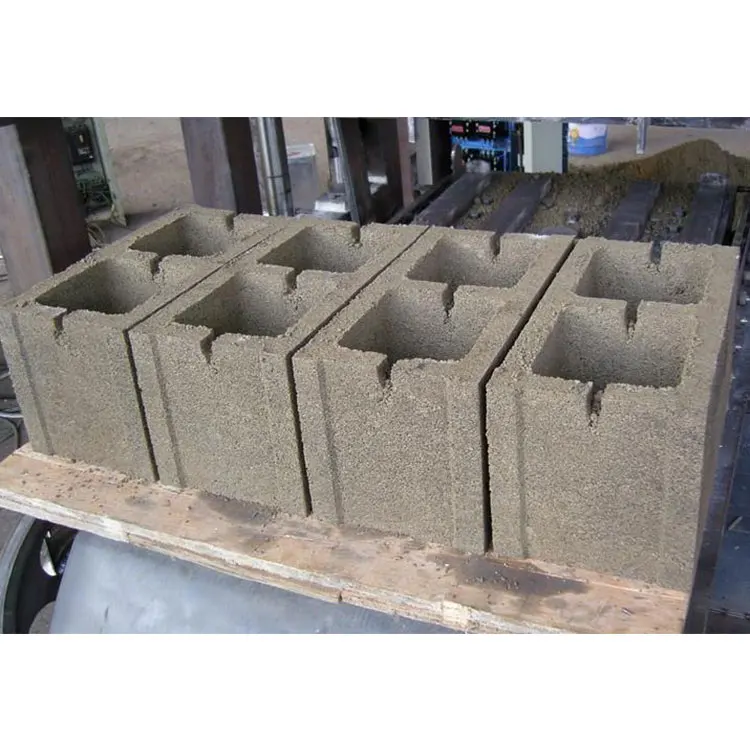
| Output — Hollow Block 400×200×200 mm (5 pcs/mould) | 7,200–9,600 pcs/day |
| Output — Porous Block 240×115×90 mm (16 pcs/mould) | 23,000–28,800 pcs/day |
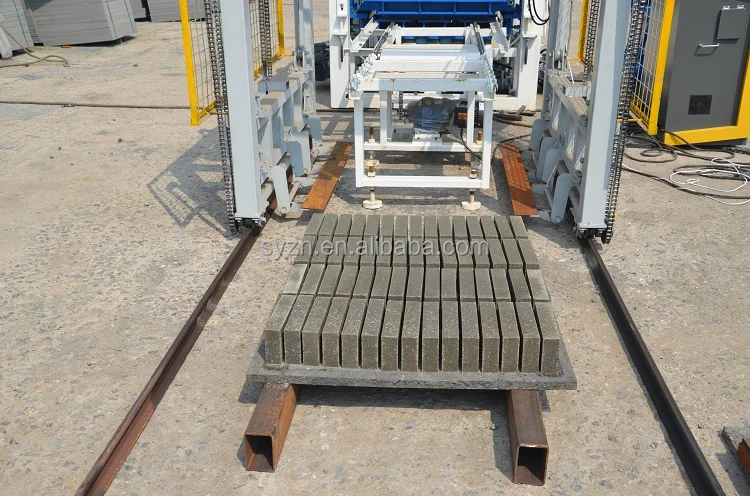
| Output — Standard Block 240×115×53 mm (32 pcs/mould) | 61,440–70,400 pcs/day |
| Mould Change Time | Not stated in source — confirm |
| Stacking Method | Not stated in source — confirm manual or automatic |
Application Suitability
| Application | Material or Output |
|---|---|
| Hollow block production | Crushed stone, sand, cement, fly ash |
| Solid and standard brick manufacturing | Gravel, slag, industrial waste aggregates |
| Paver and interlocking block forming | Colored concrete mixes, dust, cement blends |
| Porous and permeable brick production | Lightweight aggregates, cement, sand |
| Kerbstone and curb unit pressing | Coarse crushed stone, high-cement mixes |
What "Automatic" Really Means When the PLC Meets Your Raw Material
A buyer in West Africa once signed for an automatic block making machine PLC controlled based on catalogue output, only to find the local river sand carried high clay content that disrupted the vibration rhythm and cut daily yield noticeably. Automation only delivers consistency when the control logic is matched to what actually goes into the mixer.
The QT5-15 addresses this gap by letting the PLC coordinate hydraulic pressure within the 16–21 MPa range and platform vibration at 45 kN as a single timed sequence. If the aggregate profile shifts, the pressure setpoint and vibration duration can be adjusted rather than leaving the operator to compensate manually. An automatic block making machine PLC controlled system is only as reliable as the tuning behind it [NEED_CITE: impact of aggregate clay content on concrete block density].
Control Logic That Replaces Operator Guesswork
The PLC controller on the QT5-15 manages interlocking electric and hydraulic procedures so that pallet feeding, mould clamping, vibration, and pressing follow a fixed sequence every cycle. This removes the variability that comes from different operators timing steps by feel. For a plant owner moving up from semi-automatic equipment, the shift means the automatic block making machine PLC controlled system holds cycle repeatability regardless of who is on shift.
Where Automation Stops and the Buyer Must Decide
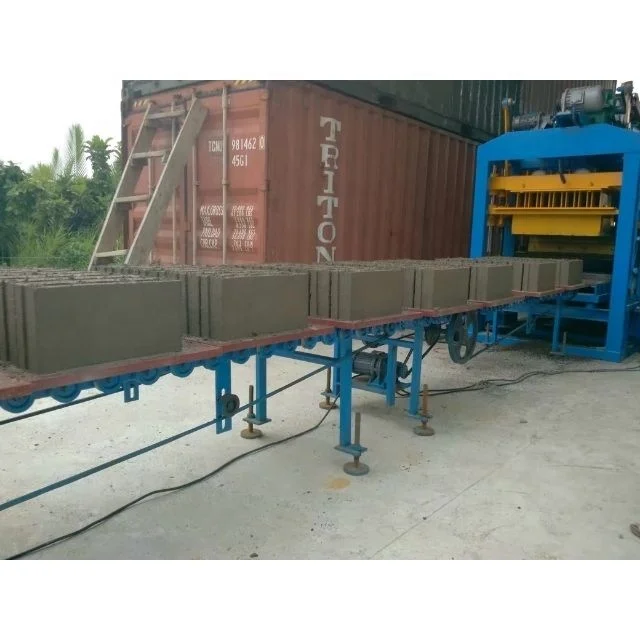
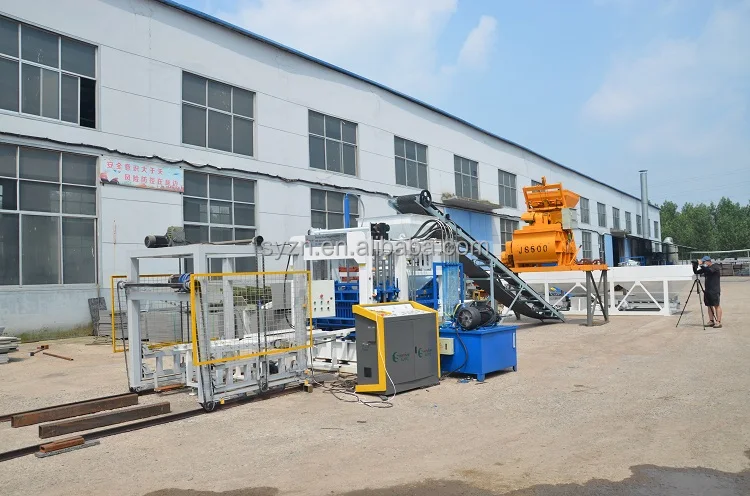
Automation on the QT5-15 covers the press cycle itself, but pallet handling after the press, stacking method, and curing rack transfer require separate confirmation. A buyer who assumes full-line automation without checking the stacking configuration may still need manual labour at the output end. Clarifying whether pallet feeding and stacking are included in the scope prevents surprises once the machine is on the floor [NEED_CITE: typical scope boundaries in automatic block production lines].
Reading the Specs That Actually Shape Output
The 16–21 MPa hydraulic pressure range and 45 kN platform vibration work together to compact the mix inside the mould box. Higher pressure alone does not guarantee block strength if the vibration frequency cannot settle the aggregate; the QT5-15 times both forces within a 15–20 second cycle. The 1100×550 mm pallet size determines how many blocks fit per cycle and must align with the curing area dimensions and the forklift capacity already on site. The 26.5 kW rated power demands a dedicated circuit — running it on a shared supply with other heavy equipment risks voltage drops that disrupt PLC timing [NEED_CITE: power supply stability requirements for PLC-controlled hydraulic machinery].
The Cost of Skipping Configuration Details
Overlooking the PLC display language before shipment means the operator may face an interface in a language they cannot read, delaying commissioning and forcing ad-hoc translation of fault codes. Choosing a pallet size without checking curing rack spacing leads to pallets that do not fit existing racks, requiring either new racks or manual restacking. Leaving voltage and phase unconfirmed can result in a machine that simply cannot start on arrival, adding weeks of rewiring work to the project timeline [NEED_CITE: common commissioning delays from unconfirmed electrical specifications].
Why Buyers Source This Class of Machine Here
Block machinery is our single focus, so the QT5-15 is specified as part of a matched system — press, mould, pallet, and handling — rather than assembled from separate vendors. Configuration starts from the buyer’s actual mix design and local aggregate, not a catalogue default. Moulds are designed for the formats the buyer’s market demands, including custom drawings where standard formats do not apply. The automation level is selectable, allowing a plant to begin semi-automatic and add stacking or pallet automation later. Installation includes on-site commissioning and operator training so the PLC parameters are set to the buyer’s material before production begins.
Documentation & Verification
- Line layout showing QT5-15 placement with capacity stated per block format
- Machine specification sheet with confirmed voltage, frequency, and PLC language
- Mould drawing and format list covering every block type the buyer plans to run
- Hydraulic and electrical schematic for local maintenance reference
- Factory test record on buyer’s target block format before dispatch
- Packing photographs and customs documentation support for shipment
Installation, Commissioning & Support
- Foundation must support the QT5-15 overall dimensions of 7400×1950×2800 mm and 6000 kg net weight
- Dedicated power circuit required for 26.5 kW rated load with confirmed voltage and phase
- Machine arrives with electrical and hydraulic systems pre-assembled for on-site connection
- First-run commissioning includes PLC parameter tuning to buyer’s local aggregate and mix
- Operator training covers cycle timing, mould change procedure, and fault code response
- Wear parts list and mould inventory supplied for initial replacement planning
What We Need to Size Your Line Correctly
Share your target block formats with dimensions, the daily volume you need per format, and the aggregate and cement sources available locally. Include your site’s voltage, frequency, and phase so the electrical package is built to match. Let us know whether you already have pallets, curing racks, and forklifts so the pallet size and handling scope are set correctly from the start.
Frequently Asked Questions
Q: How is the daily output figure calculated and which block format does it assume?
A: The output figures listed for the QT5-15 are each tied to a specific block format and mould cavity count — for example, 7,200–9,600 pieces per day applies to 400×200×200 mm hollow blocks at five per mould. Capacity for other formats must be calculated separately based on the mould layout and cycle time for that product.
Q: How does the PLC control system handle language settings and fault diagnostics?
A: The PLC display language must be confirmed before production so the interface matches the operator’s language. Fault diagnostics are presented through the controller screen, and the electrical schematic is provided for local troubleshooting. Language confirmation is part of the pre-production checklist.
Q: Can the automation level be upgraded from semi-automatic later?
A: The QT5-15 supports selectable automation, so a buyer can begin with semi-automatic pallet handling and add automatic stacking or pallet feeding later. The upgrade path should be discussed during initial configuration so mechanical and electrical provisions are in place.
Q: How is vibration force matched to local raw material?
A: The 45 kN platform vibration and 16–21 MPa hydraulic pressure are adjusted during commissioning to suit the buyer’s aggregate profile and mix design. High-clay or fine-sand mixes may require different timing than coarse crushed stone, and the PLC allows these parameters to be saved per format.
Q: What is the mould change procedure and how long does it take?
A: Mould changeover time is not stated in the base specification and must be confirmed based on the change system selected. The procedure involves releasing the mould box, swapping the mould, and resetting PLC parameters for the new format. Fastening type and alignment method determine actual changeover duration.