
Description
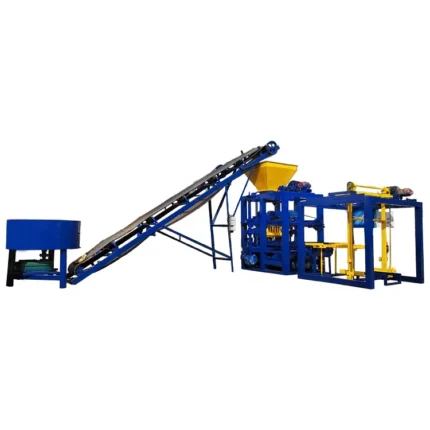
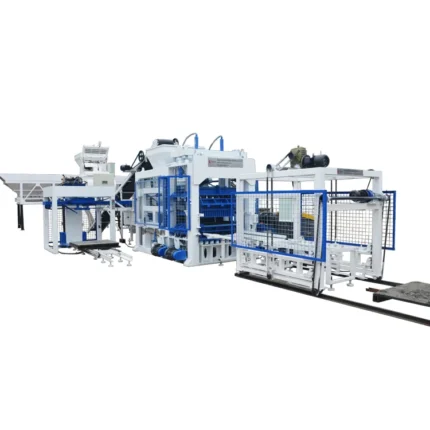
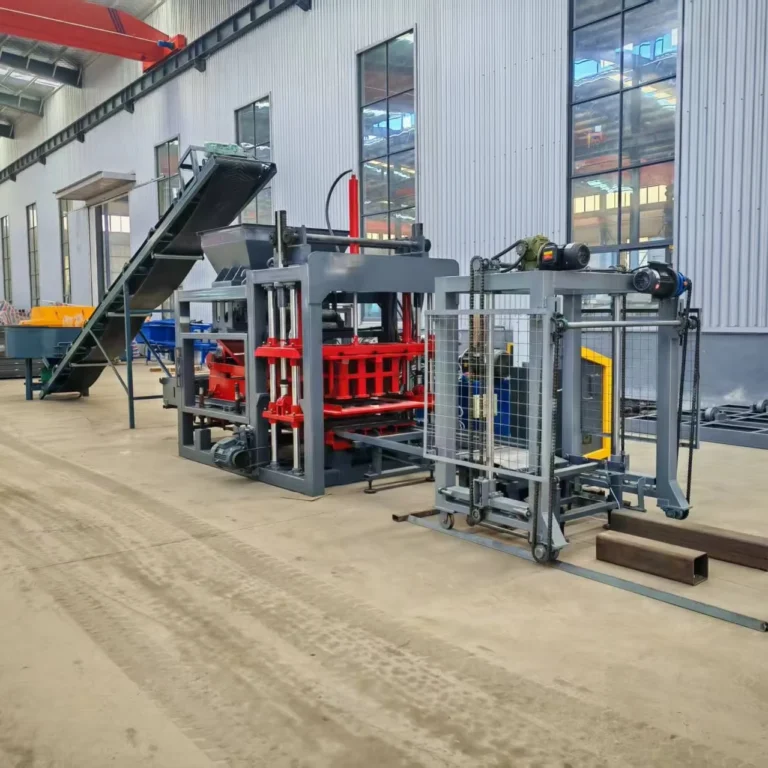
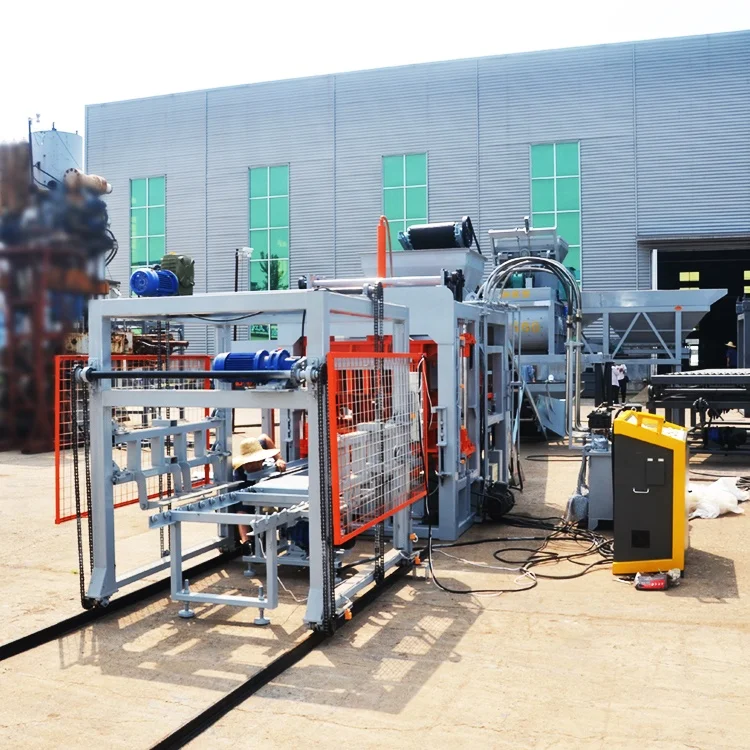
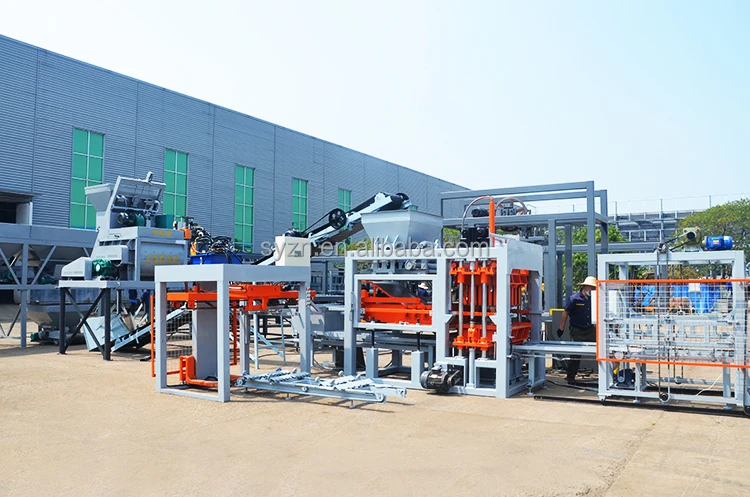
Integrated Control Logic — the QT6-15 is specified as a matched system where PLC, hydraulics, pallet feeder and conveyor are timed to the press cycle rather than sourced as independent components.
Technical Specifications
| Parameter | Value |
|---|---|
| Model | QT6-15 |
| Product Type | Automatic Hydraulic Concrete Block Making Machine |
| Overall Dimensions (L×W×H) | 7400 × 1900 × 2660 mm |
| Molding Cycle | 15–25 s |
| Vibration Frequency | 4600 r/min |
| Exciting Force | 40–50 kN |
| Total Power | 31.25 kW |
| Mixer Model | JQ350 |
| Pallet Size | 850 × 550 × 25 mm |
| Total Weight | 7 T |
| Control System | PLC control system |
| Hydraulic Station | High-pressure hydraulic system, included |
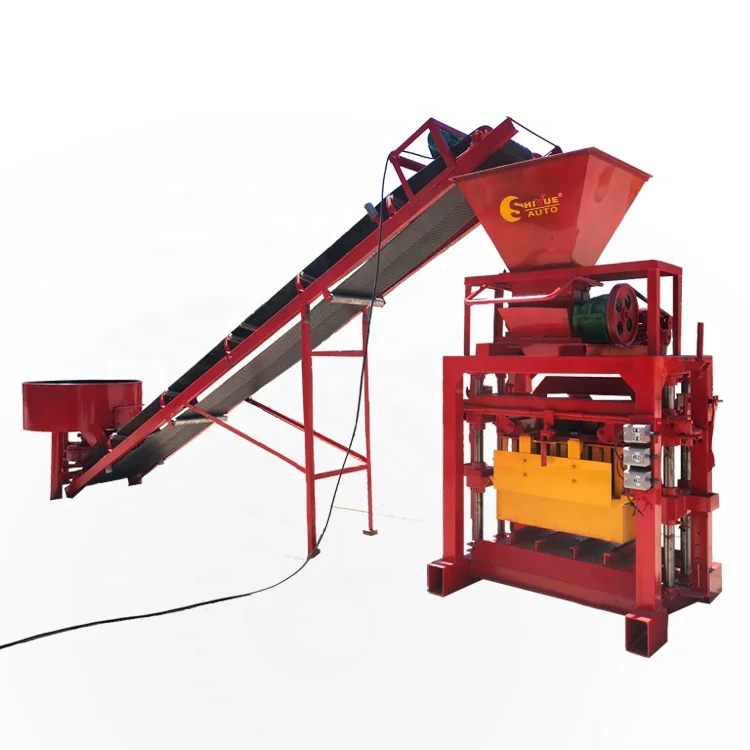
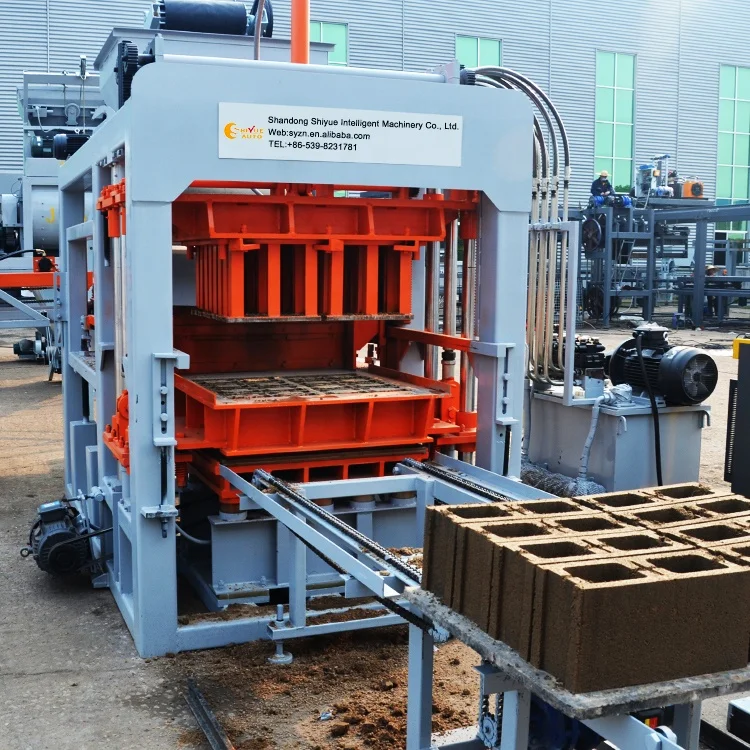
| Included Equipment | Block making machine, hydraulic station, PLC control system, pallet feeder, brick conveyor, block sweeper |
| Output Capacity | 1200–1680 pcs/hr (based on 400×200×200 mm hollow block, 15–20 s cycle) |
| Output Capacity | 1800–2400 pcs/hr (based on 400×150×200 mm hollow block, 15–20 s cycle) |
| Output Capacity | 3240 pcs/hr (based on 240×115×53 mm solid brick, 15–20 s cycle) |
| Voltage & Frequency | Basis to be confirmed |
| PLC Display Language | Basis to be confirmed |
| Hydraulic Pressure | Basis to be confirmed |
| Mould Change Time | Basis to be confirmed |
| Stacking Method | Basis to be confirmed |
Application Suitability
| Application | Material or Output |
|---|---|
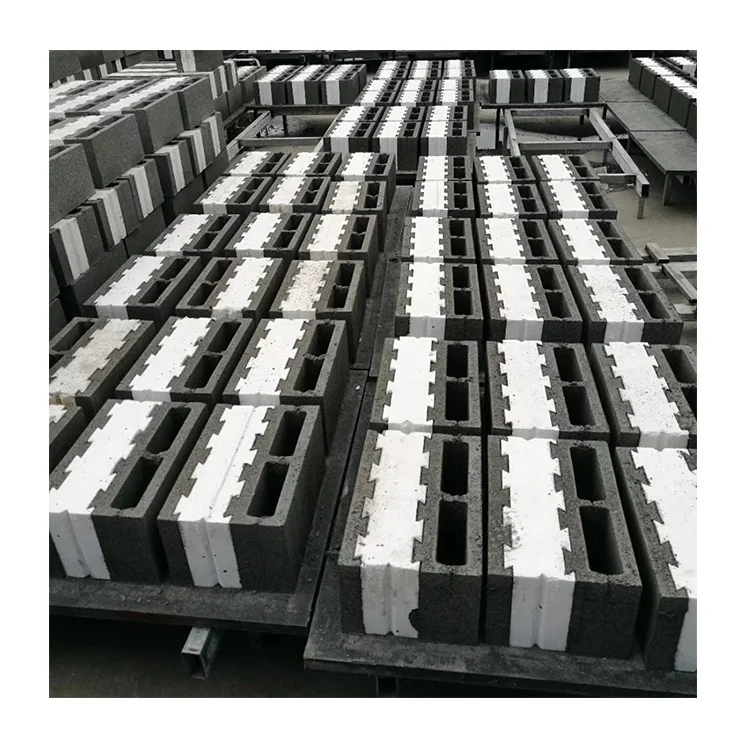
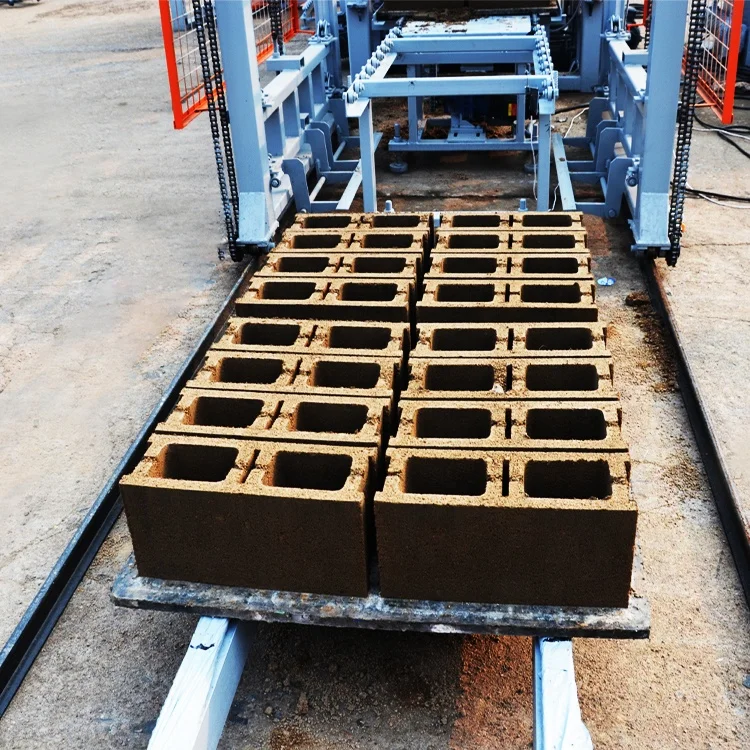
| Hollow block production for masonry and wall construction | Crushed stone, sand, cement, fly ash |
| Solid brick production for load-bearing and infill | Sand, cement, dust, aggregate |
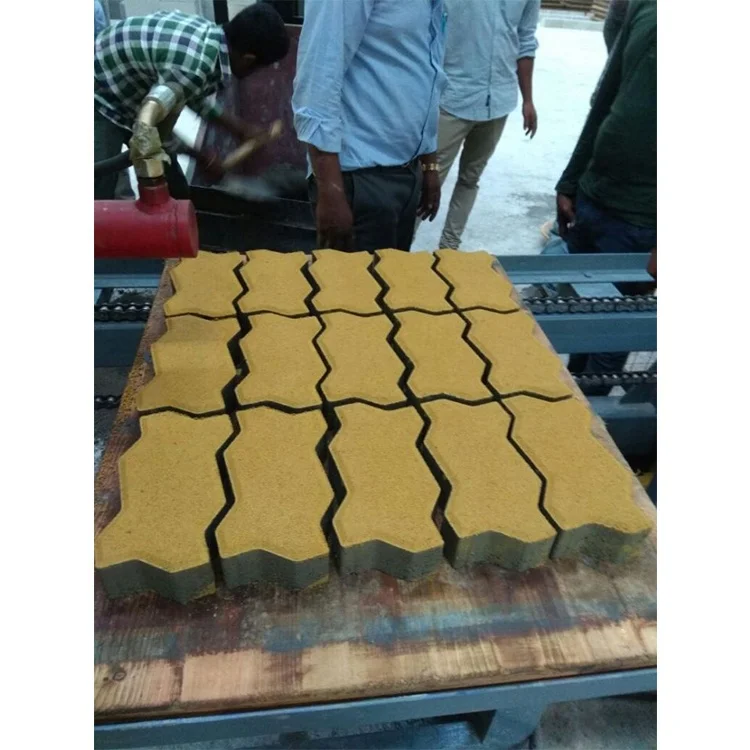
| Paving block and interlock paver production | Crushed stone, sand, cement |
| Kerbstone and curbstone production for road edging | Coarse aggregate, cement, sand |
| On-site or plant-based concrete product manufacturing | Locally available aggregates |
Why the PLC Question Must Precede the Price on an Automatic Concrete Block Making Machine PLC Controlled
A PLC that only governs the press while pallet feeding and conveying run on separate timers creates the very bottlenecks the automation was meant to remove.
Many quotations list PLC control as a single checkbox without clarifying what the controller actually manages. The result on site is a press that finishes its cycle, then sits idle while a pallet feeder or conveyor catches up — negating the consistency the buyer paid for. On one South Asian installation I worked on, the cycle log showed the press waiting up to several seconds per cycle for downstream stations, quietly erasing the promised output. [NEED_CITE: PLC I/O scope and station synchronization in block lines]
When sourcing an automatic concrete block making machine PLC controlled, the real question is not whether a PLC is present, but which stations it sequences and how the timing between them is tuned.
What the PLC Actually Sequences on the QT6-15
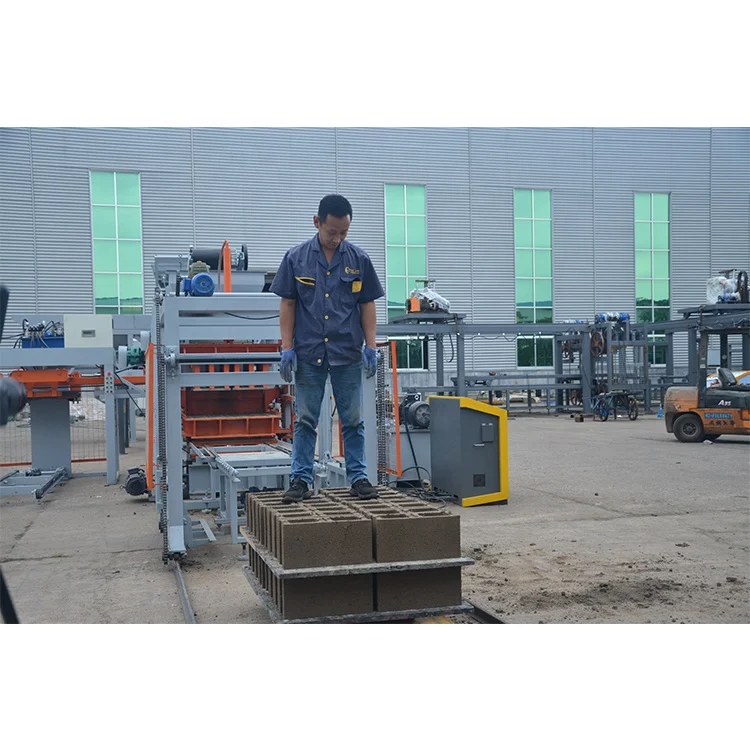
The PLC control system on the QT6-15 coordinates the press cycle, pallet feeder, brick conveyor and block sweeper as one automated sequence. Rather than each station running on its own timer, the controller tracks the press position and triggers pallet advance, sweep and conveyor movement only when the press is ready. This removes the dead time between cycles where manual or semi-automatic lines lose output. For a plant owner migrating from a machine where operators feed pallets by hand, the shift means cycle-to-cycle timing becomes a parameter set in the controller rather than a variable dependent on operator speed.
Consistency from Press to Curing Area
The hydraulic station delivers high-pressure forming that, when paired with vibration at 4600 r/min and 40–50 kN exciting force, produces uniform block density across batches. But consistency at the press means little if pallets are handled unevenly downstream. The automatic pallet feeder included with the QT6-15 places each pallet at a fixed position before the press descends, so the vibration plate always contacts the pallet at the same point. [NEED_CITE: pallet positioning tolerance and block density variance] The brick conveyor then carries finished blocks to the curing area at a controlled speed, reducing the chipping and corner damage that typically occurs when blocks are moved by hand or pushed along improvised rails.
Reading the Specifications That Matter
The 31.25 kW total power rating covers the press, hydraulic pump, vibration motors, pallet feeder and conveyor together. When comparing this automatic concrete block making machine PLC controlled against alternatives, check whether the quoted power figure includes all stations or only the press itself — a lower number often means peripheral equipment is left out of the scope. The 850 × 550 × 25 mm pallet size determines how many blocks are formed per cycle and must match the curing rack spacing and forklift dimensions the buyer already has on site. The 15–25 s molding cycle is the press parameter; actual line cycle depends on how quickly the pallet feeder loads and the conveyor clears, which is where the PLC timing logic makes its contribution. The 7 T total weight reflects the frame mass that absorbs vibration, keeping forming energy directed into the mould cavity rather than dissipating into the foundation.
The Hidden Cost of a Mismatched Automation Scope
A quotation may list pallet feeder and conveyor but leave stacking and cubing as manual operations, so the line still requires two workers at the curing end. When the automation scope is unclear before order, the buyer arrives at commissioning to find the press-to-conveyor section runs automatically while blocks are still pulled off and stacked by hand — reintroducing the labour dependency and handling damage the upgrade was supposed to eliminate. [NEED_CITE: automation scope gaps and labour allocation at curing end] Voltage, frequency and PLC display language are sometimes assumed rather than confirmed, delaying first startup while panels are rewired or operators struggle to read fault messages in an unfamiliar language.
Why Source This Configuration Here
Block machinery is a single focus, so the QT6-15 press, mould, pallet and handling equipment are specified as one matched system rather than assembled from separate suppliers. Configuration is set against the buyer’s actual mix design and local aggregate, not a catalogue default — the vibration and hydraulic parameters are adjusted to the material on hand. Mould design covers the formats the buyer’s market actually sells, and custom drawings are accepted. The automation level is selectable, so a buyer can start with pallet feeder and conveyor and add stacking and cubing later. Installation and commissioning support includes operator training on the PLC interface and daily maintenance routines. [NEED_CITE: block line configuration matched to buyer aggregate and format]
Documentation & Verification
- Line layout and capacity calculation stating the block format assumed for the QT6-15
- PLC specification sheet confirming brand, I/O count and display language options
- Hydraulic and electrical schematic showing station wiring and valve layout
- Factory test record on buyer’s target block format before dispatch
- Voltage, frequency and control language confirmation signed before production
- Operation and maintenance manual covering PLC fault codes and hydraulic service intervals
Installation, Commissioning & Support
- Foundation pad must support the 7 T machine weight and vibration loads from the 40–50 kN exciting force
- Dedicated power circuit sized for 31.25 kW total draw with voltage and frequency confirmed before shipment
- Pallet feeder, press, conveyor and sweeper timed during on-site commissioning to eliminate station bottlenecks
- PLC display language set and verified during commissioning so operators can read cycle data and fault codes
- Operator training on mould change procedure, PLC parameter adjustment and hydraulic system daily checks
- Wear parts and mould list provided for the specific formats running on the 850 × 550 mm pallet size
Before You Request a Quote
Share the block formats you currently sell or plan to add, the daily output you need per format, and the raw materials available locally including aggregate type and moisture range. Confirm your site voltage, frequency and preferred PLC display language so the control panel is built correctly before shipment. If you already have curing racks, forklifts or upstream mixers in place, provide their dimensions and capacities so the pallet size and line speed are matched to your existing equipment.
Frequently Asked Questions
Q: What does the PLC control actually manage on the QT6-15?
A: The PLC coordinates the press cycle, pallet feeder, brick conveyor and block sweeper as one sequence. It tracks the press position and triggers each downstream station only when the press is ready, rather than running them on independent timers. This removes dead time between cycles and keeps output consistent regardless of operator speed.
Q: Can the automation level be upgraded after installation?
A: The QT6-15 automation scope is selectable. A buyer can start with the pallet feeder and conveyor running automatically while stacking remains manual, then add automatic stacking and cubing later. The PLC platform supports additional I/O modules, so the upgrade adds stations to the existing control sequence rather than replacing the controller.
Q: How is PLC display language confirmed before shipment?
A: Language preference is confirmed during the voltage and control confirmation stage before production begins. The PLC display is set to the agreed language and tested at the factory so operators can read cycle parameters and fault codes from the first day of commissioning. Changes on site are possible but require parameter re-entry.
Q: What is the realistic daily output per block format?
A: Output depends on the format being produced. The QT6-15 is rated at 1200–1680 pieces per hour based on a 400×200×200 mm hollow block, and 3240 pieces per hour based on a 240×115×53 mm solid brick, both on a 15–20 second cycle. Daily figures assume an eight-hour shift and uninterrupted pallet supply.
Q: How are hydraulic pressure and vibration matched to local materials?
A: The vibration force and hydraulic pressure settings are configured against the buyer’s mix design and local aggregate rather than set to a catalogue default. During commissioning, test blocks are produced with the buyer’s actual materials, and parameters are adjusted until block density and strength meet the target specification consistently across batches.