

Description
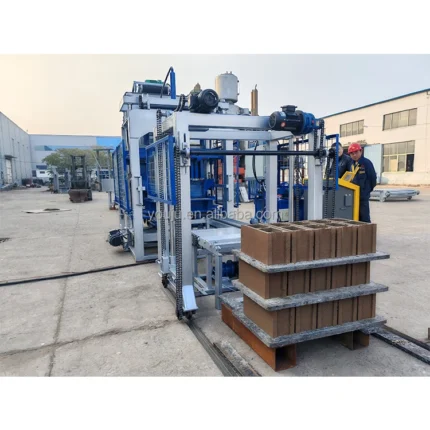
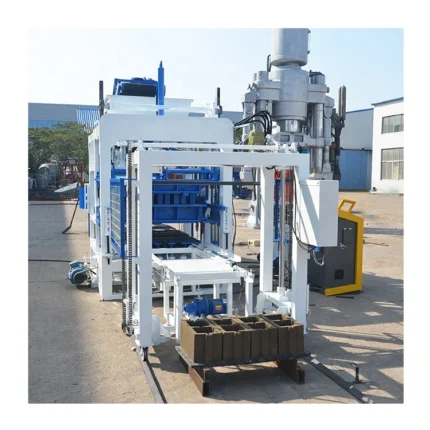
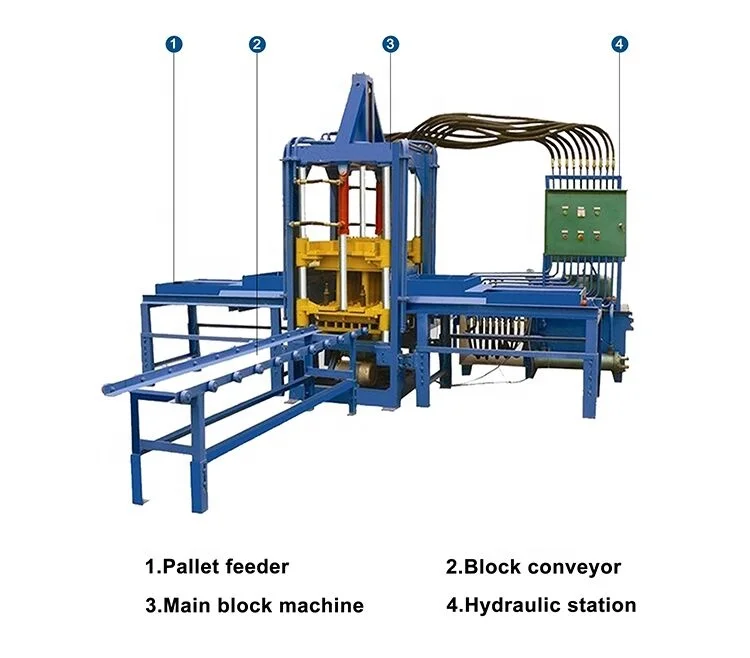
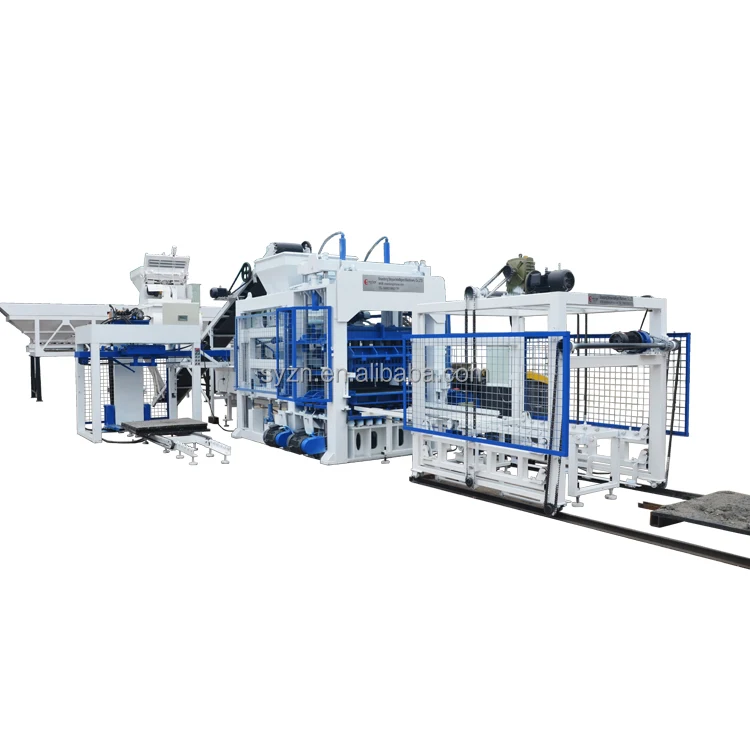
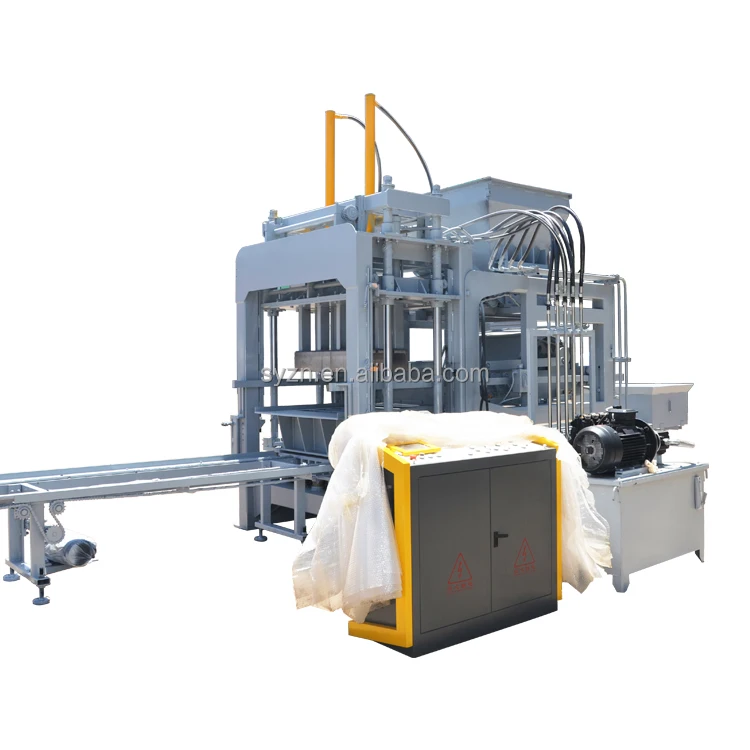
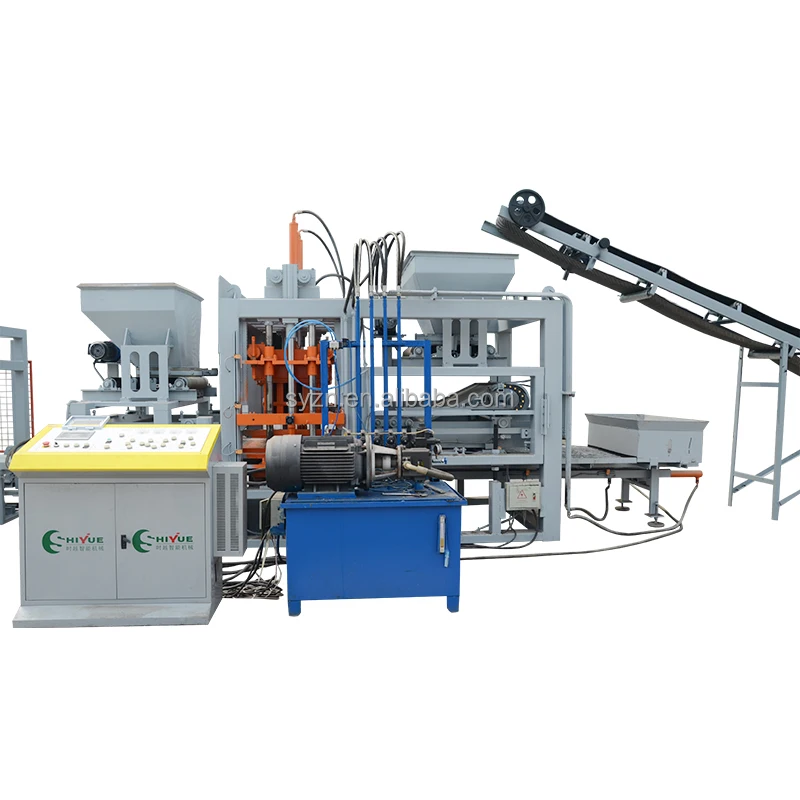
Integrated Control Logic — The QT7-15 automatic hydraulic block machine runs press, pallet feeder and stacker from a single Siemens PLC sequence, so stations wait for each other, not for operators.
Technical Specifications
| Parameter | Value |
|---|---|
| Product Type | Automatic Hydraulic Block Making Machine |
| Model | QT7-15 |
| Dimension of Host Machine | 3200×2300×2750 mm |
| Weight of Host Machine | 6 Tons |
| Molding Area | 1150×700 mm |
| Workshop Area Required | 200 m² |
| Host Machine Power | 45 kW |
| Vibration Force | 100 kN |
| Vibration Frequency | 2800–4500 Times/Minute |
| Vibration Method | Hydraulic + Platform Vibration |
| Pallet Size | 1150×700×25 mm |
| Molding Period | 15 Seconds |
| Control System | Siemens PLC with independently developed program |
| Motor | Germany SIEMENS or CE standard brand |
| Travel Switch | France Schneider and Japan Omron |
| Mould Hardness | 54–58 HRC (carburizing treatment) |
| Voltage | 220/380/415/440V (Configurable) |
| Batching Machine | PLD1200, ±2% ingredient precision |
| Mixer | JS500, 25 m³/h production capacity |
| Stacker | SY-4, 3 kW, mobile pallet stack |
| Automation Level | Automatic |
| Standards | CE |
Application Suitability
| Application | Material or Output |
|---|---|
| Hollow block production | Crushed stone, sand, cement and fly ash blends |
| Solid block manufacturing | Dense aggregate and cement mixes |
| Paving block production | High-strength concrete with fine aggregates |
| Interlocking brick forming | Stabilized soil and cement combinations |
| On-site contractor production | Locally sourced aggregate for housing projects |
Why the Control Panel Language Matters Before the Price
A PLC-controlled line is only automatic if the operator can read the screen.
When I first commissioned an automatic QT7-15 block making machine PLC controlled system in East Africa, the HMI was still displaying factory-default Chinese characters. The local crew could not acknowledge alarms or adjust cycle parameters, so the line sat idle for two days while we sourced a translation patch. Voltage mismatches and language locks are the two most common reasons a fully automatic line behaves like a manual one on arrival [NEED_CITE: common commissioning delays in exported industrial machinery]. Confirming the display language and the target voltage in writing before production starts costs nothing but prevents weeks of idle capacity.
What Automation Actually Removes from the Operator
The Siemens PLC on the QT7-15 manages the entire pressing sequence — mould filling, hydraulic clamping, vibration timing, pallet indexing and brick ejection — inside a single program loop. The operator’s role shifts from timing each action manually to monitoring the HMI for alarm states and batching accuracy. This is the core of what makes the automatic QT7-15 block making machine PLC controlled: it replaces human timing judgment with a fixed, repeatable cycle.
Where the Line Stops Being Automatic
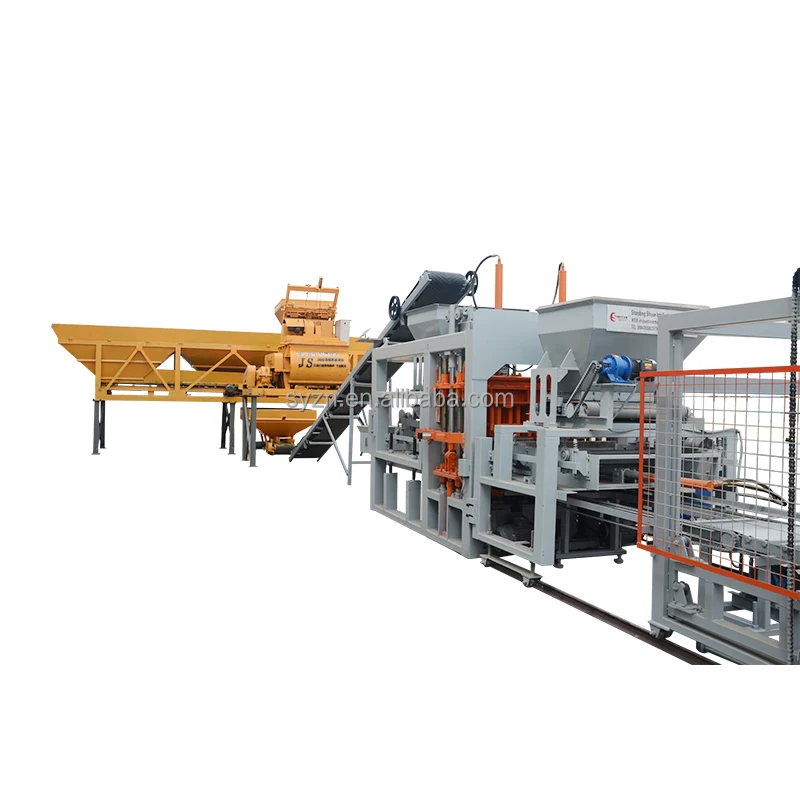
Automation only holds if every station keeps pace with the press. The PLD1200 batcher, JS500 mixer and conveyor must deliver a fresh charge before the 15-second mould cycle completes, and the SY-4 stacker must clear the cured pallets before the next wet pallet arrives. When any station falls behind, the PLC pauses the press and logs the bottleneck. I have watched lines lose meaningful daily volume because the stacking end relied on manual labour that could not keep up with a press that never stopped cycling [NEED_CITE: production loss from unbalanced block line stations].
Reading the Specs That Shape Block Quality
The 100 kN vibration force combined with hydraulic platform vibration is what compresses the concrete mix into a dense, consistent block. The frequency range of 2800–4500 times per minute allows the operator to dial in the right energy for each format — lower frequencies for large hollow blocks where the mix must flow into deep cavities, higher frequencies for thin pavers where surface finish matters. Mould hardness at 54–58 HRC, achieved through carburizing heat treatment, directly determines how many format change cycles the tooling survives before the cavity edges round off and block dimensions drift out of tolerance. The 1150×700 mm pallet size sets the maximum mould footprint and must match the curing rack spacing and the forklift tine width already on site.
The Cost of a Configuration You Cannot Source Locally
An automatic line configured for a mix design that the buyer cannot source in their region becomes a constant problem. If the batcher is calibrated for washed river sand but only crushed quarry dust is available locally, the PLD1200 ingredient precision means nothing because the baseline formula is wrong. Blocks come out weak or surface-cracked, and the blame lands on the machine rather than the mix [NEED_CITE: block strength failures linked to incorrect aggregate specification]. The same applies when the specified voltage does not match the local grid — a 380V motor on a 415V supply overheats within the first week, and the warranty discussion becomes irrelevant compared to the downtime.
Why This Line Is Configured as One System
The QT7-15 is quoted as a matched set: press, batcher, mixer, pallet feeder, brick receiver, hydraulic trolley and SY-4 stacker all sized so that cycle times align from raw material in to stacked pallet out. The PLC program is developed in-house rather than layered on top of a third-party controller, which means alarm logic and parameter adjustments reflect actual block production sequences. Moulds are designed against the buyer’s target block format and local aggregate, not pulled from a catalogue default. Voltage, frequency and HMI language are confirmed and locked before the machine enters production. The factory test runs the buyer’s chosen format before crating, so the first block produced on site is not the first block the machine has ever made.
Documentation & Verification
- Line layout drawing showing station cycle times from batcher through stacker
- PLC program parameter sheet with your block format loaded and tested
- Voltage and HMI language confirmation signed before production release
- Mould drawing and format list matched to your target market products
- Factory test record showing blocks produced in your specified format
- Wear parts list with mould and hydraulic component replacement intervals
Installation, Commissioning & Support
- 200 m² workshop footprint with level concrete slab for the 3200×2300 mm host machine
- Dedicated 45 kW power circuit at confirmed voltage for stable PLC operation
- Host machine ships partially dismantled; reassembly and alignment done on site
- First-run parameter tuning against your local aggregate and target block strength
- Operator training on HMI navigation, alarm response and mould changeover procedure
- Wear parts and mould supply list provided with first shipment for forward planning
What to Prepare Before Requesting a Quote
To size the QT7-15 line accurately, share the block formats you sell most, the target daily volume for each format, and the aggregate materials available within haul distance of your site. Confirm the local voltage and frequency at the installation point, the preferred HMI display language, and the curing area dimensions so the pallet size and stacker reach can be matched. If you already operate a mixer or batcher, note the model so the line can be configured around existing equipment.
Frequently Asked Questions
Q: How is output capacity calculated per block format on the QT7-15?
A: Capacity depends on the block format loaded in the mould. The 15-second mould cycle is fixed, but the number of blocks per pallet and the curing time required vary between hollow blocks and pavers. We provide a capacity calculation sheet that states the assumed format, blocks per cycle, and realistic daily output after accounting for pallet return and shift breaks.
Q: What PLC language options are available on the HMI?
A: The Siemens PLC display can be set to several languages before shipment. We confirm the operator’s preferred language in writing during the quotation stage so the panel arrives ready to read. If your site uses a language not in the standard list, we assess feasibility before the order is finalized.
Q: Can I start semi-automatic and add full stacking later?
A: The QT7-15 platform supports a staged automation path. You can begin with manual pallet handling and add the SY-4 stacker, hydraulic trolley and automatic pallet feeder as production volume grows. The PLC program accommodates both modes, so the upgrade does not require a controller replacement.
Q: How are vibration settings matched to my local aggregate?
A: The 2800–4500 times/min frequency range and 100 kN force are adjustable through the PLC. During commissioning, we test your local mix and set the vibration profile that produces consistent density without surface cracking. These settings are saved per mould format in the controller.
Q: What is the mould changeover procedure on this system?
A: The mould bolts to the vibration platform and connects to the hydraulic clamping frame. Changeover involves releasing the clamps, lifting the old mould with the workshop hoist, seating the new mould and re-tightening. The PLC stores the vibration and cycle parameters for each mould, so the operator selects the format from the HMI after the physical swap.