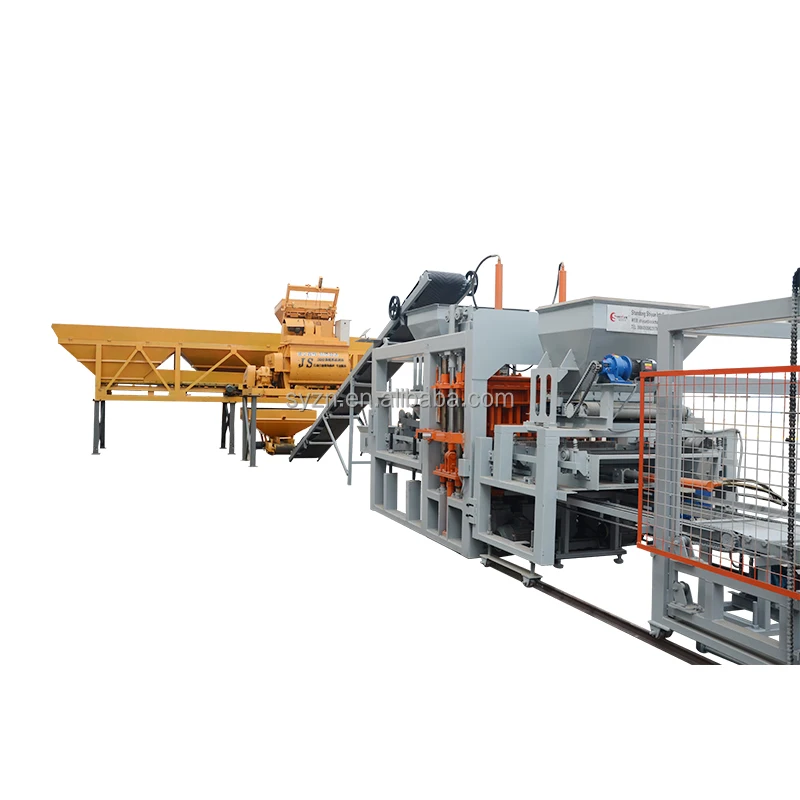
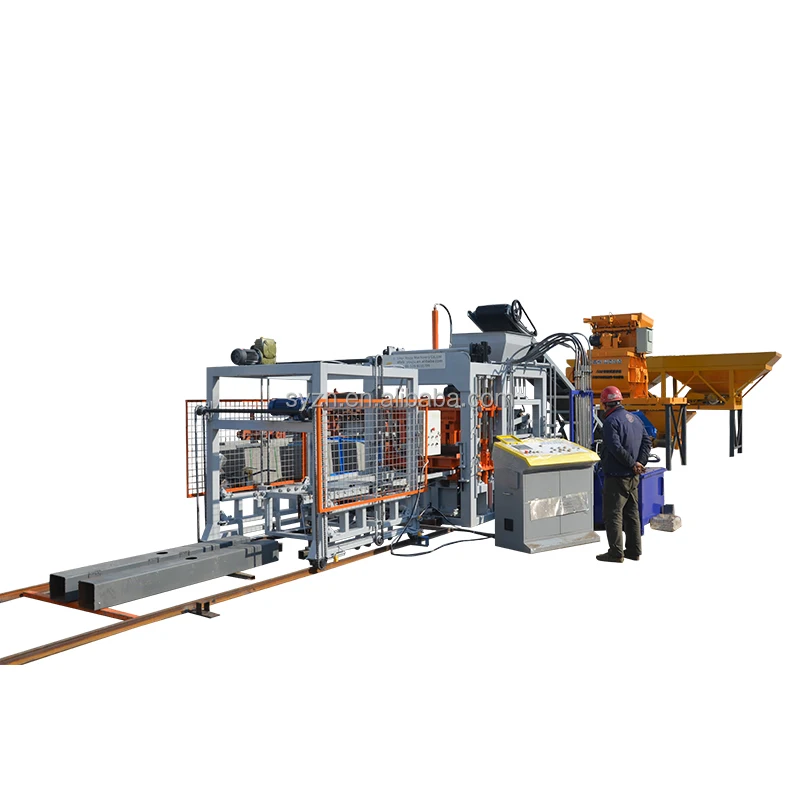
Description
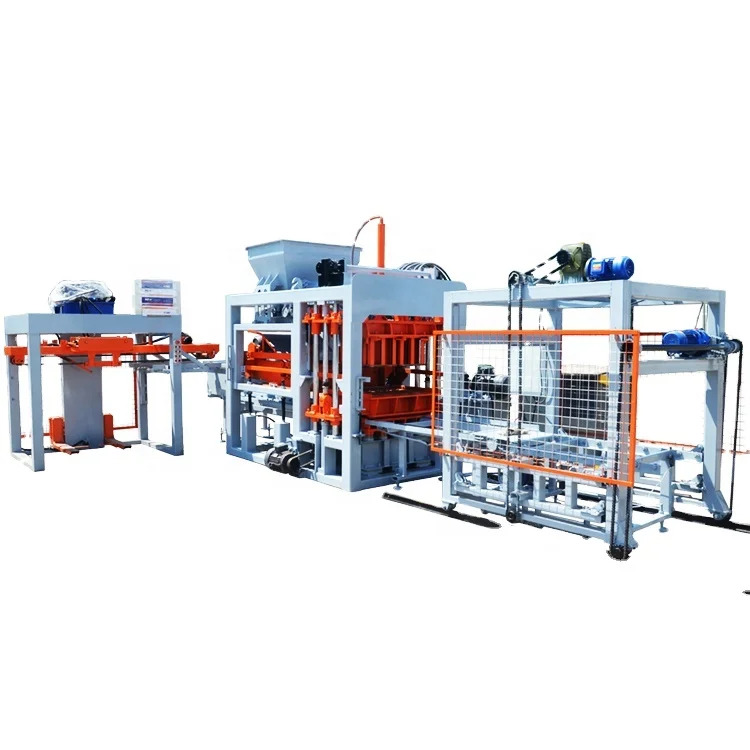
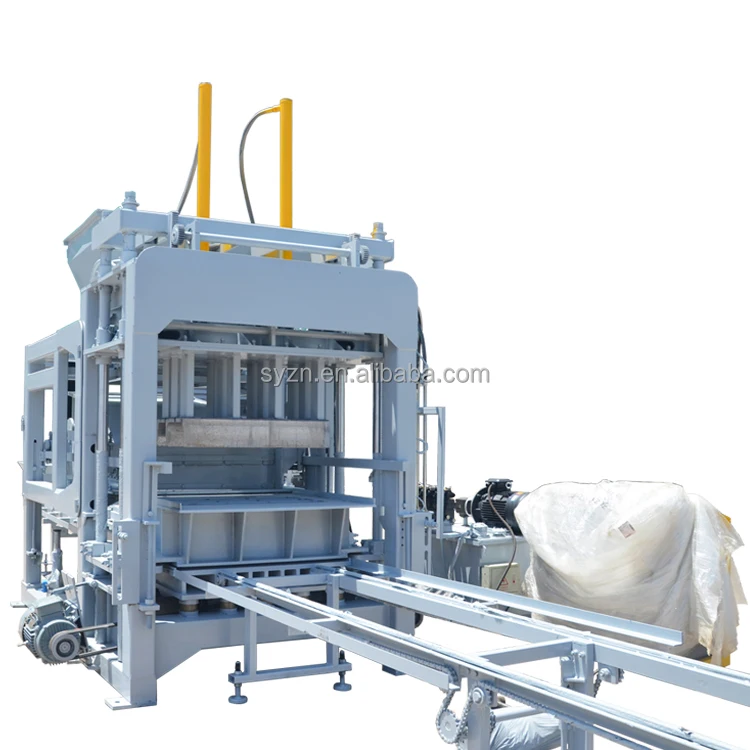
Intelligent parameter storage — the QT7-15 retains process data per block format, allowing operators to recall exact vibration, pressure, and cycle settings through the touch screen rather than relying on manual recalibration.
Technical Specifications
| Parameter | Value |
|---|---|
| Model | QT7-15 |
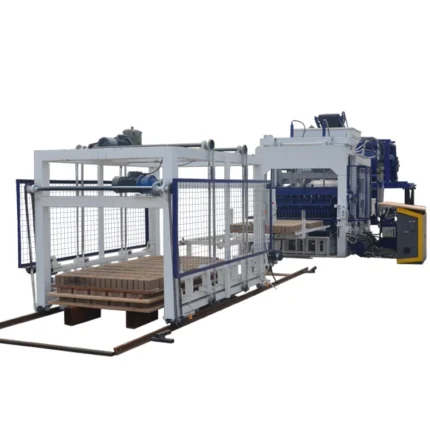
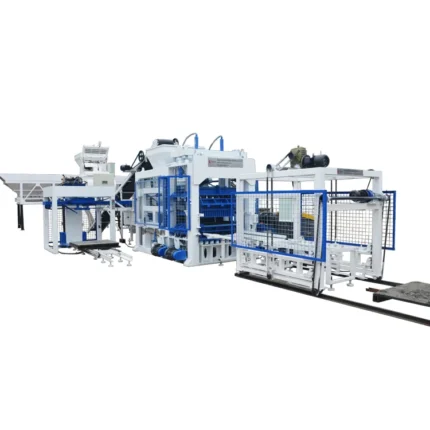
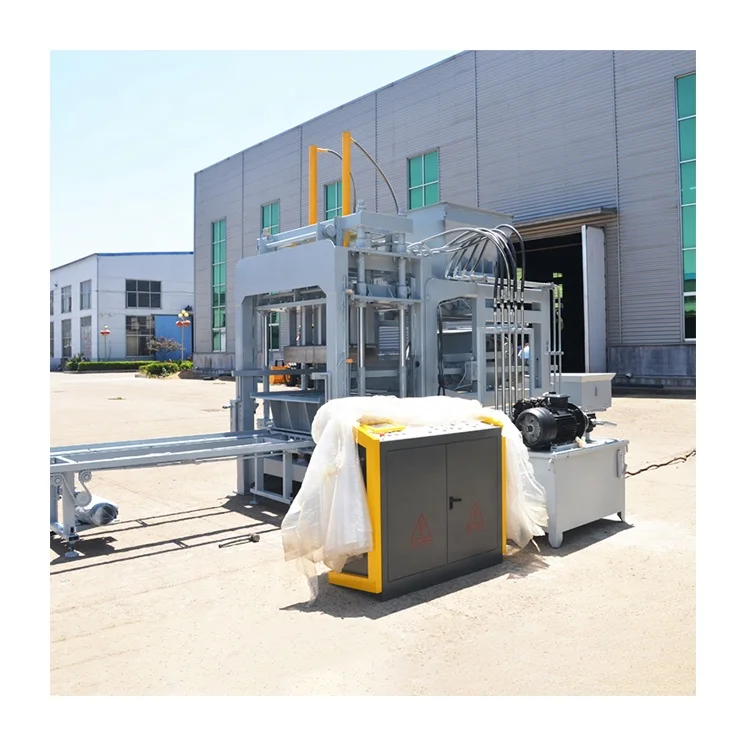
| Product Type | Automatic Concrete Block Making Machine |
| Control System | PLC with interactive touch screen interface |
| Pallet Size | 1150 × 700 mm |
| Vibration Force | 100 kN |
| Vibration Frequency | 0–60 Hz |
| Vibration Form | Platform Vibration |
| Demolding Method | Hydraulic |
| Overall Power | 45 kW |
| Molding Cycle | 15–20 s |
| Total Mass | 8 T |
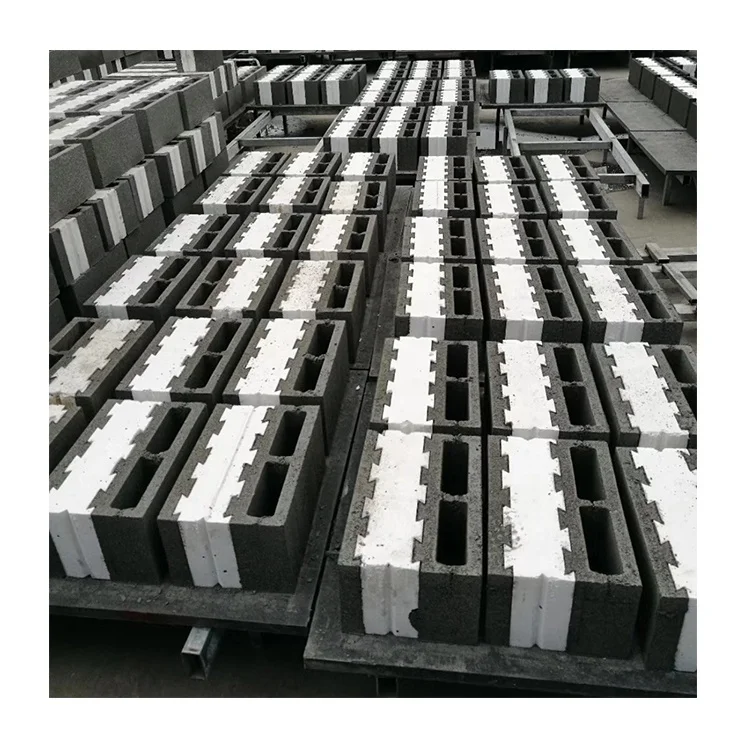
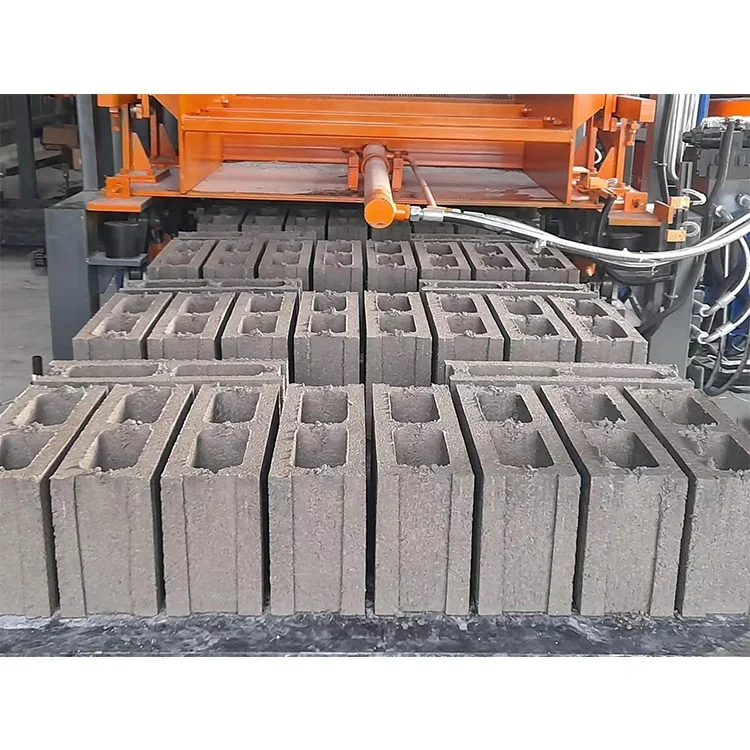
| Output Capacity (Hollow block 400×200×200 mm) | 10,080–13,440 pcs / 8 hr |
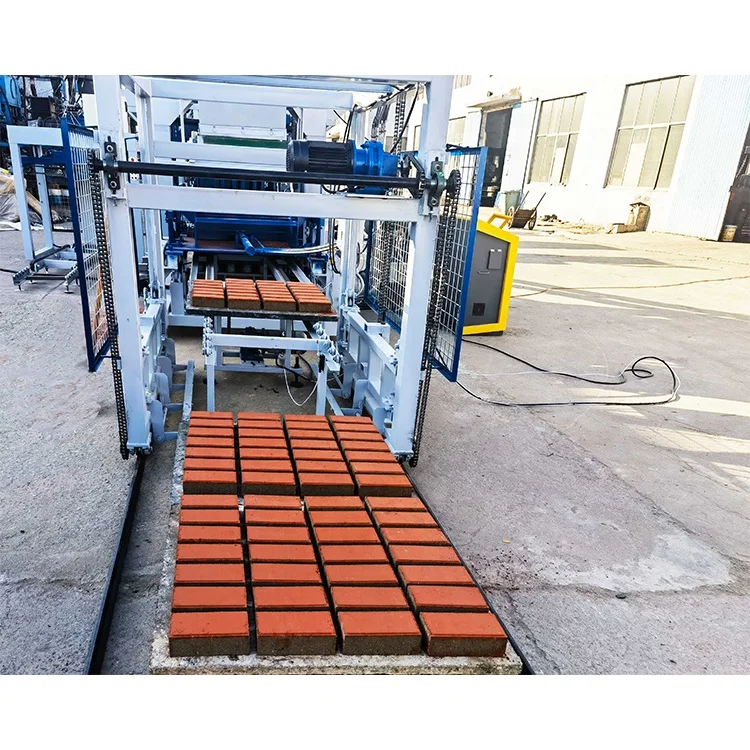
| Output Capacity (Rectangular brick 200×100×60 mm) | 31,104–38,880 pcs / 8 hr |
Application Suitability
| Application | Material or Output |
|---|---|
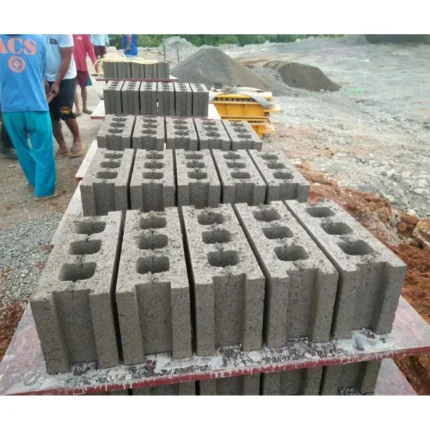
| Hollow Block Production | Crushed stone, cement, and sand mixtures for structural and partition walls |
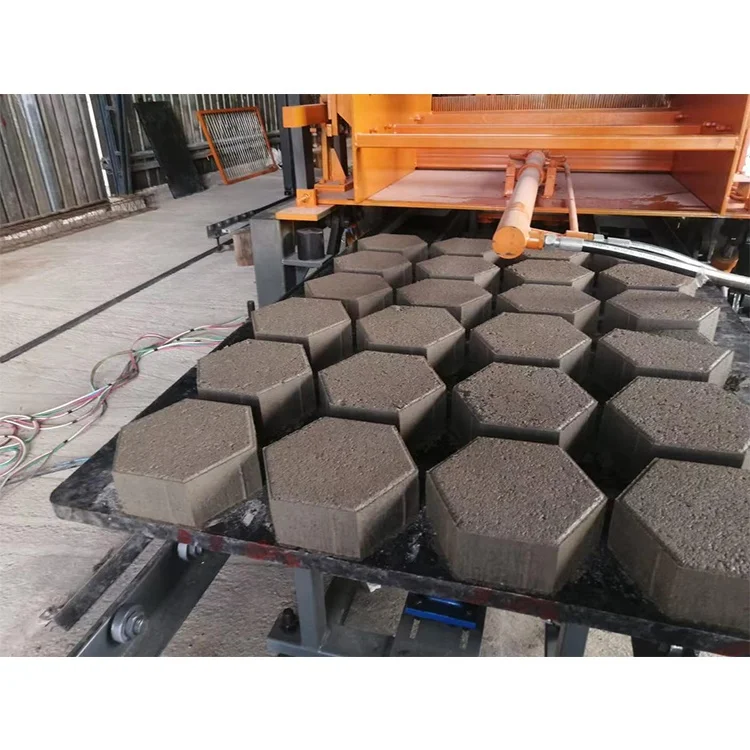
| Paving Brick Manufacturing | High-density concrete mixes for interlocking and rectangular pedestrian or vehicular pavers |
| Solid Block Forming | Heavy aggregate blends requiring maximum hydraulic compaction and uniform density |
What the "Molding Cycle" Figure Leaves Out About Automated Consistency
The real measure of an automatic block making machine PLC controlled system is not just the cycle speed, but its ability to repeat that cycle without operator intervention.
Many buyers focus on the 15–20 second cycle time listed on the spec sheet, assuming the machine will maintain this rhythm across an entire shift. In reality, semi-automatic setups require operators to manually adjust vibration duration or hydraulic pressure when the moisture content of the raw mix fluctuates. This manual intervention introduces variability, leading to blocks that may look identical but possess different compressive strengths. The intelligent control logic in this equipment removes the guesswork, storing specific recipes for different formats to ensure batch-to-batch consistency [NEED_CITE: concrete block compressive strength standards and testing].
Removing Operator Variability from the Press Cycle
When a plant transitions from manual toggles to a centralized PLC architecture, the primary gain is the elimination of human timing errors. The touch screen interface allows the plant manager to lock in parameters such as vibration frequency (up to 60 Hz) and hydraulic demolding speed. Once these values are saved for a specific mould, the system executes the sequence identically every time, regardless of which shift is running the line.
Remote Diagnostics and Fault Response
Advanced control systems now support remote fault diagnosis, meaning that when a sensor fails or a hydraulic valve sticks, the error code can be transmitted to technical support without waiting for a site visit. This capability minimizes unplanned downtime, as the system can perform random testing and self-checks to alert operators to wear on critical components before a full line stoppage occurs [NEED_CITE: industrial PLC remote troubleshooting protocols].
Interpreting Vibration and Hydraulic Specifications
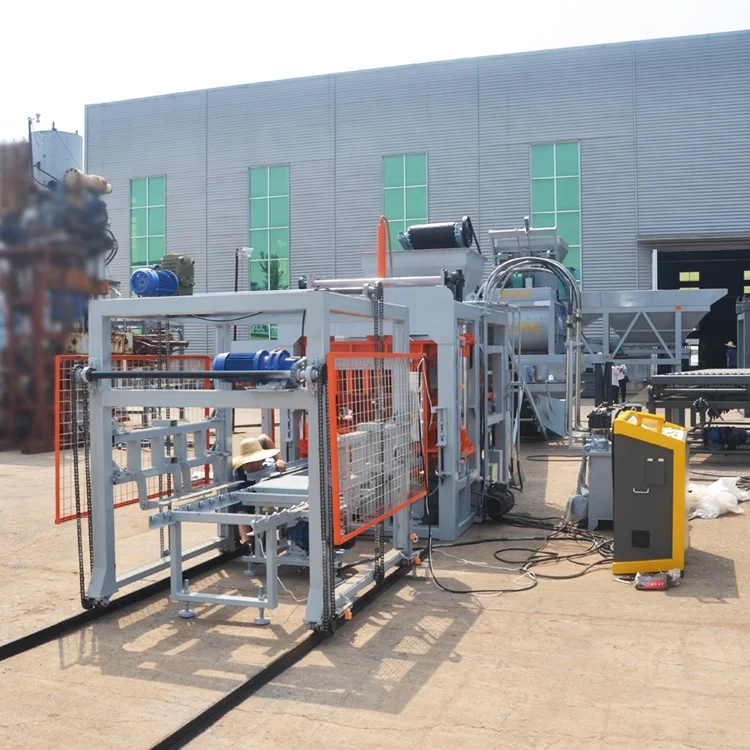
The 100 kN vibration force combined with platform vibration ensures that the concrete mix is densely packed into the mould cavity, which is essential for producing high-strength pavers and hollow blocks. However, vibration alone is insufficient; the hydraulic demolding system must apply uniform pressure to release the block without cracking the green concrete. The 1150 × 700 mm pallet size dictates the footprint of the curing area, meaning buyers must ensure their forklifts and curing racks are dimensionally compatible with this specific format to avoid bottlenecks in the handling stage.
The Hidden Cost of Ignoring Control Language and Voltage
A frequent oversight in international procurement is failing to confirm the PLC display language and the local voltage frequency before the machine is built. If the touch screen defaults to a language the local operators cannot read, the advanced fault diagnosis features become useless, and minor alarms can lead to incorrect manual overrides that damage the mould or the hydraulic cylinders [NEED_CITE: industrial machinery export voltage and frequency standards].
Why Sourcing the Control Logic Matters
The core strength of this configuration lies in treating the machine, mould, and control system as a single matched unit rather than assembling them from separate suppliers. The automation level is selectable, allowing a buyer to begin with semi-automatic pallet handling and upgrade to fully automatic stacking later without replacing the main press. Furthermore, the capacity calculations provided are stated per block format, ensuring the buyer understands the realistic daily output for their specific product rather than relying on a generic catalogue figure. The system is configured against the buyer’s actual mix design and local aggregate, preventing costly material substitutions after installation.
Documentation & Verification
- Line layout and capacity calculation stating the specific block format and cycle time assumption.
- Hydraulic and electrical schematic detailing the PLC inputs and valve wiring for local maintenance.
- Factory test record showing the machine running the buyer’s target mould and mix design.
- Voltage, frequency, and PLC display language confirmation sheet signed prior to production.
- Operation and maintenance manual covering the touch screen interface and fault code dictionary.
Installation, Commissioning & Support
- Foundation must support the 8 T total mass and dynamic loads from the 100 kN vibration force.
- Dedicated power circuit required to handle the 45 kW overall power draw without voltage drops.
- PLC touch screen calibration and parameter input performed on-site during the initial commissioning phase.
- Operator training focused on navigating the interactive menu and executing the quick mould replacement procedure.
- Spare parts list provided for hydraulic valves and vibration sensors specific to the installed configuration.
Defining the Line Automation Scope
To ensure the quotation matches your labor reduction expectations, please specify your target block formats, the desired level of automation for pallet feeding and stacking, and the local voltage and frequency standards. Providing details on your existing curing area dimensions and forklift capacity will help us configure the pallet handling system to integrate smoothly with your site conditions.
Frequently Asked Questions
Q: How does the PLC system handle different block formats?
A: The touch screen interface allows operators to store distinct process parameters, including vibration time and hydraulic pressure, for each mould. When switching formats, the operator simply selects the saved recipe, ensuring the automatic block making machine PLC controlled system maintains consistent density and dimensions without manual recalibration.
Q: Can the machine be upgraded from semi-automatic to full automation later?
A: Yes, the control architecture is designed with an upgrade path. A plant can initially operate with manual pallet handling and later integrate automatic stackers and cubing systems. The PLC is pre-configured to accept these additional modules, reducing the need for a complete control system replacement.
Q: What happens if the local power supply fluctuates?
A: The control system monitors voltage and frequency inputs. Significant fluctuations will trigger an alarm on the touch screen to protect the 45 kW motor and hydraulic pumps. It is critical to confirm the exact local power standards before manufacturing to ensure the electrical components are rated correctly for the site.
Q: How is remote fault diagnosis conducted?
A: The advanced control system supports remote communication modules that allow technical support to view active alarms and system states. This capability enables engineers to guide local technicians through troubleshooting steps or adjust PLC logic parameters remotely, significantly reducing the response time for complex electrical issues.