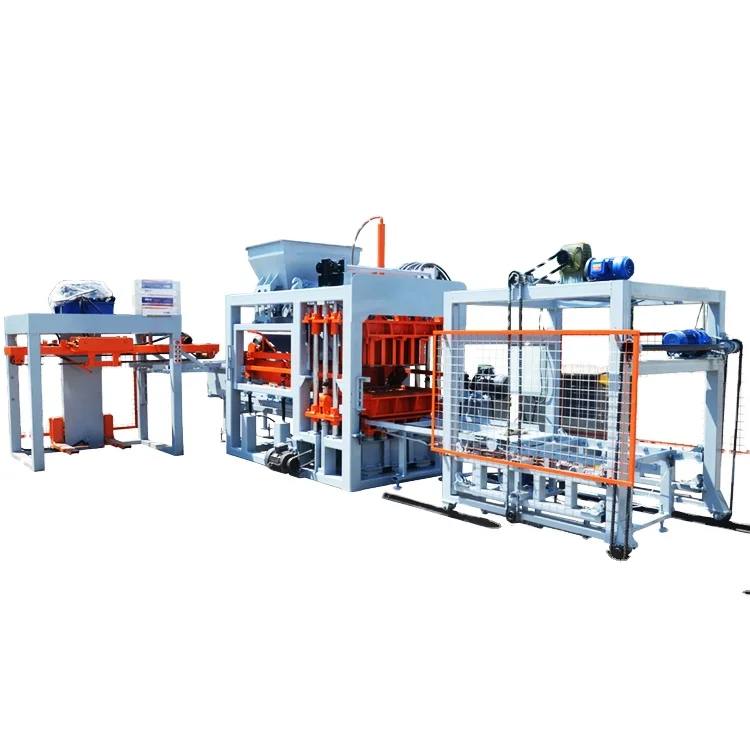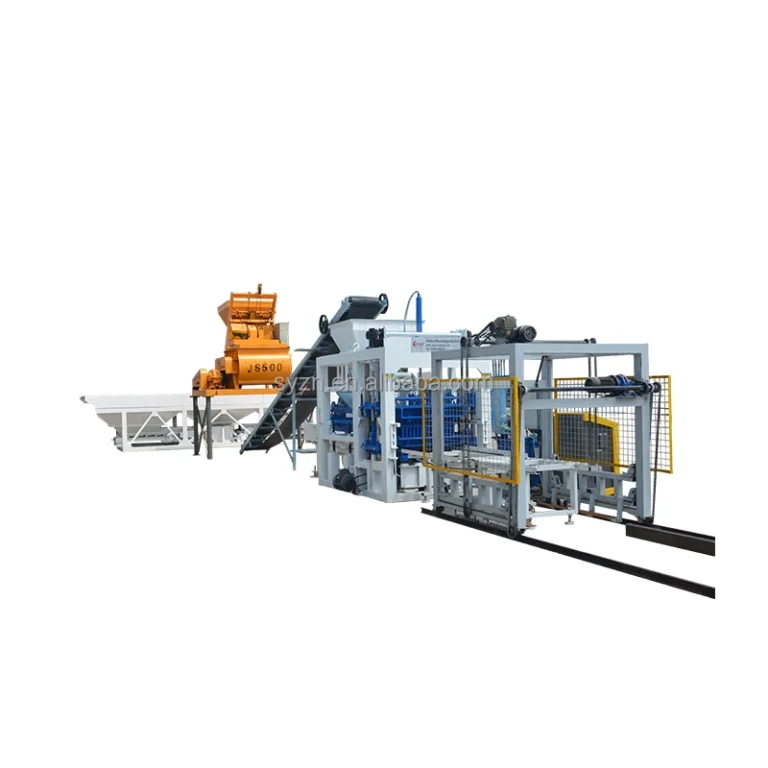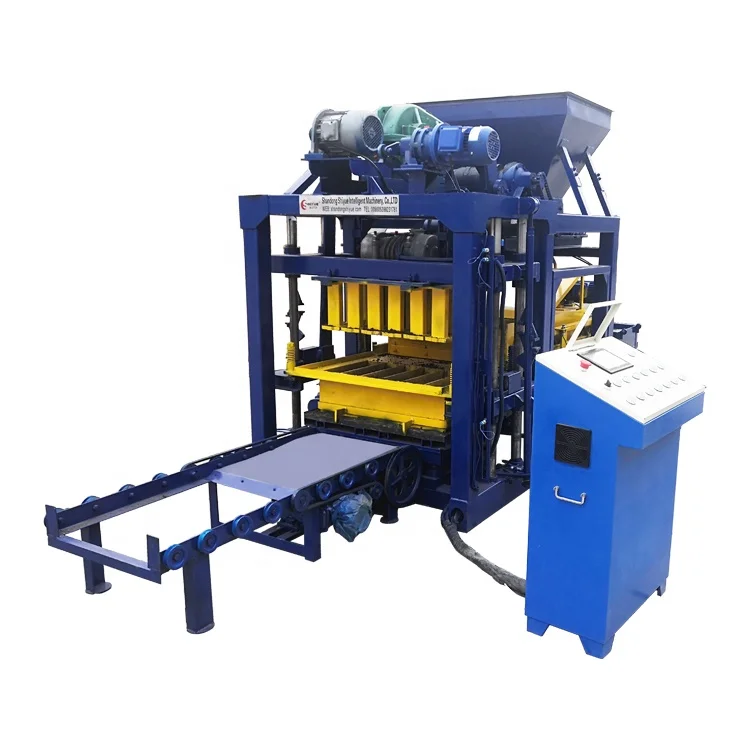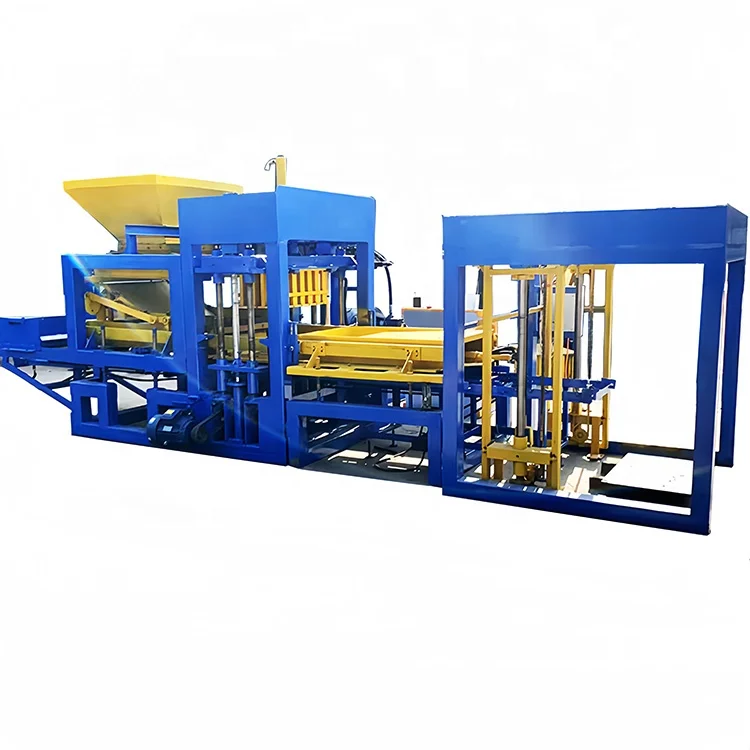
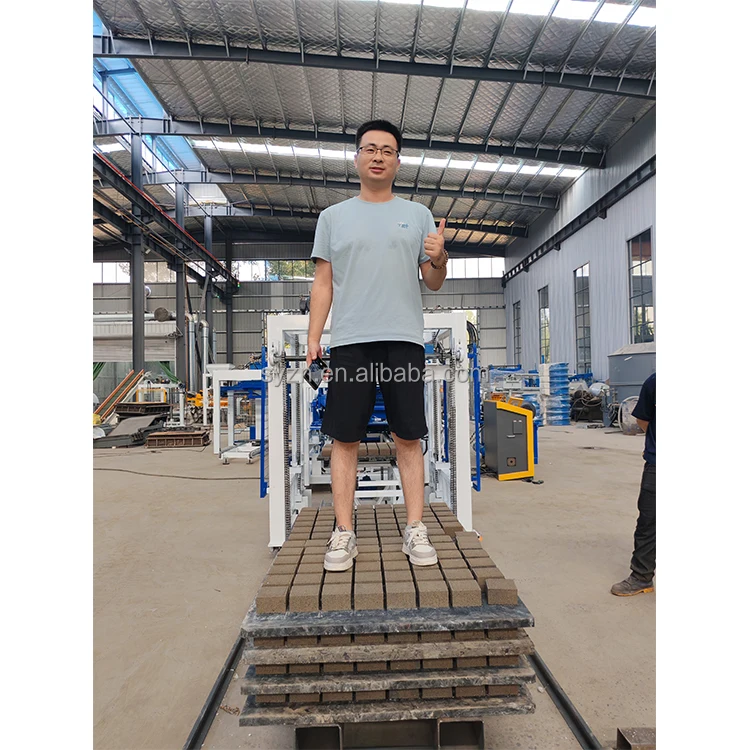
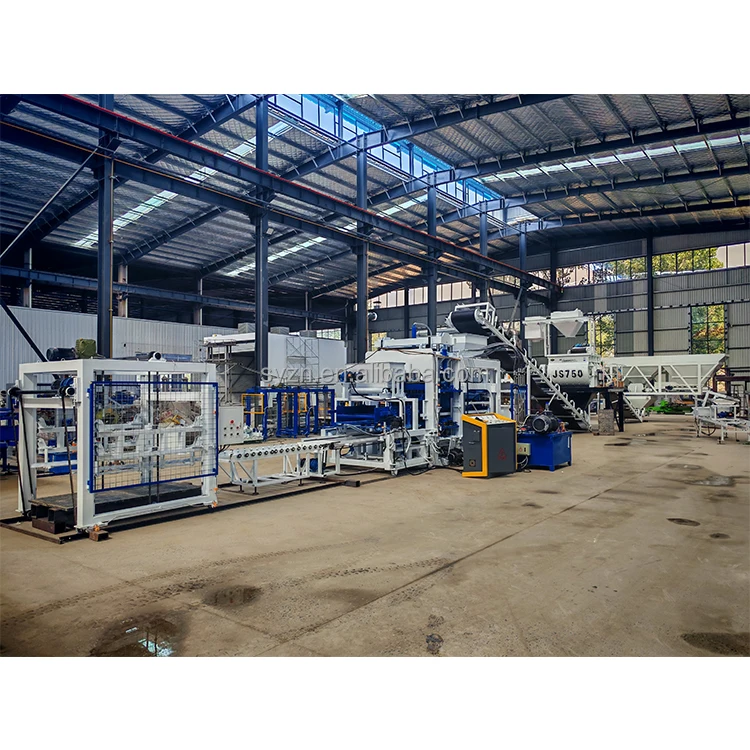
Description
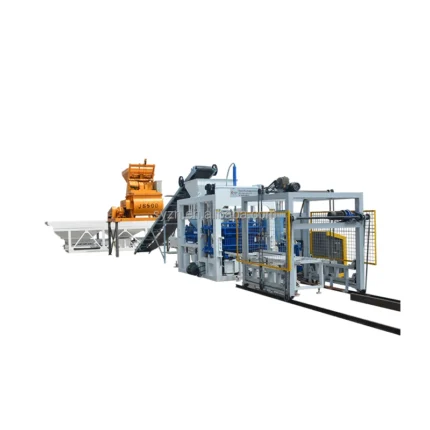
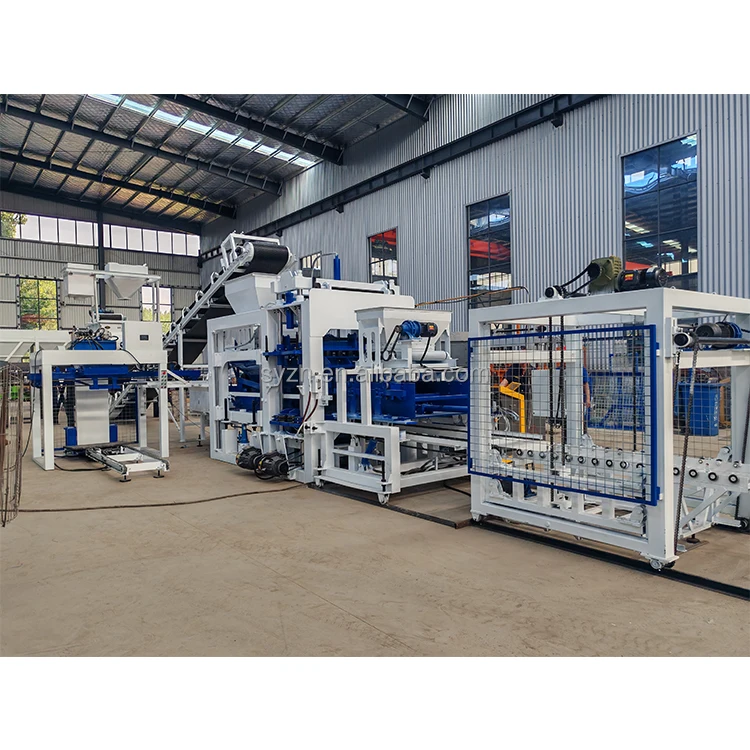
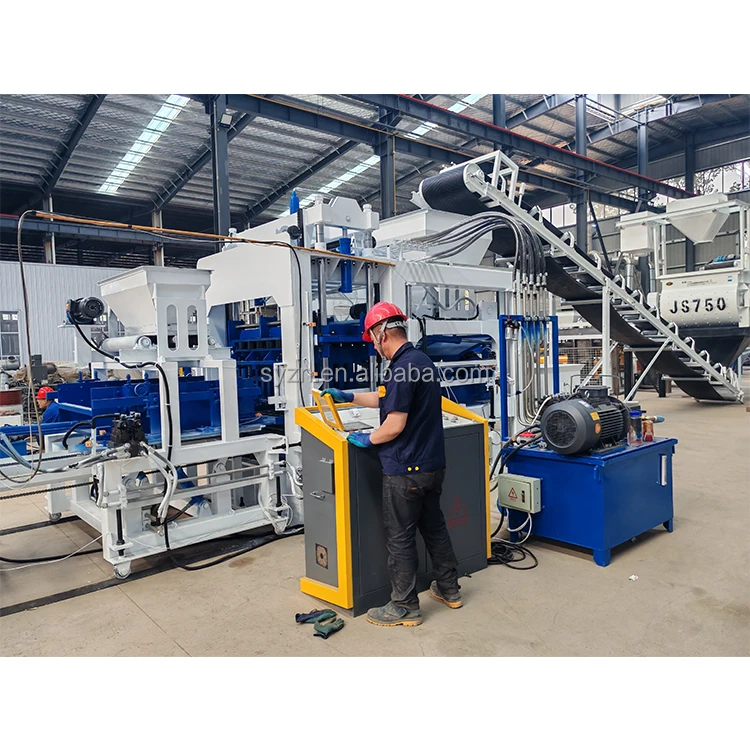
Intelligent Control Matching — Every PLC parameter, pallet cycle, and hydraulic sequence is verified against the buyer’s actual mix and target block format before dispatch.
Technical Specifications
| Parameter | Value |
|---|---|
| Model | QT8-15 |
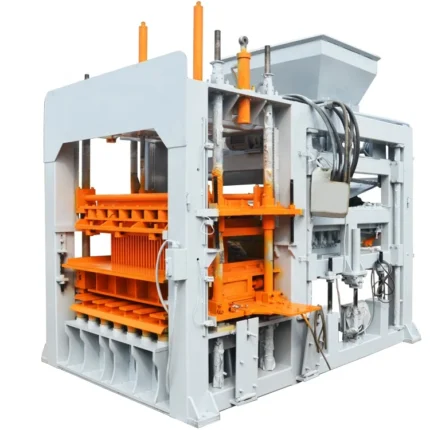
| Product Type | Hydraulic Block Making Machine |
| Overall Dimensions (L×W×H) | 8300×1860×3000 mm |
| Rated Pressure | 21 MPa |
| Vibration Form | Platform Vibration |
| Vibration Frequency | 2800–4500 r/min |
| Vibration Force | 45 kN |
| Pallet Size | 950×900 mm |
| Molding Cycle | 15–20 s |
| Overall Power | 55.5 kW |
| Total Mass | 8 T |
| Demolding Method | Hydraulic |
| Factory Area Required | 300 m² |
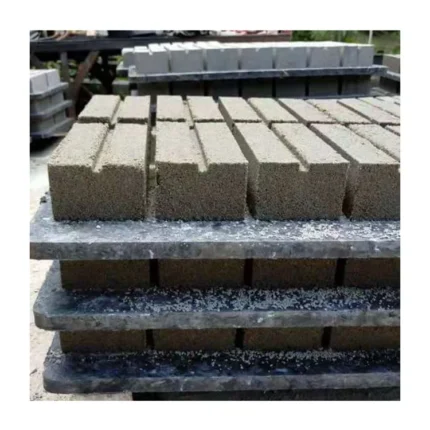
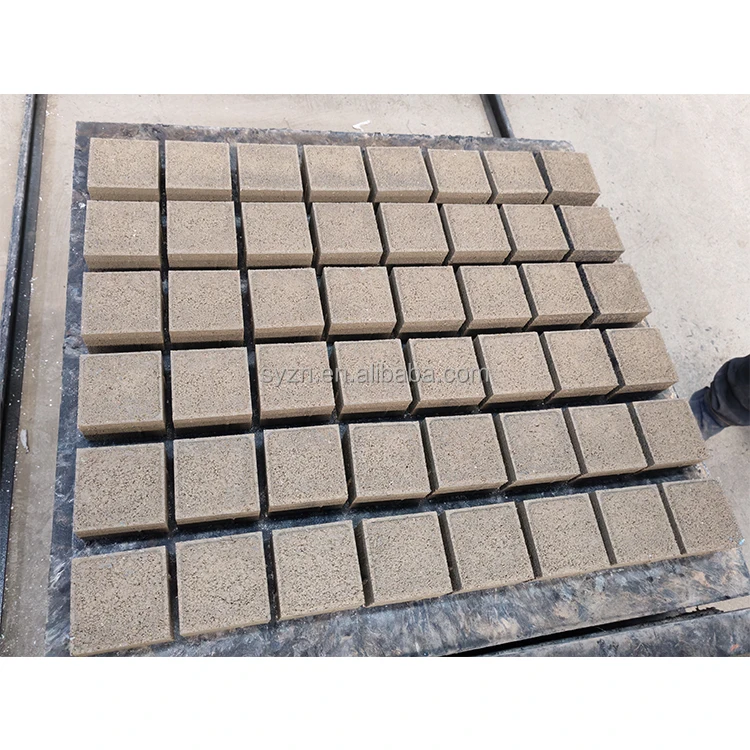
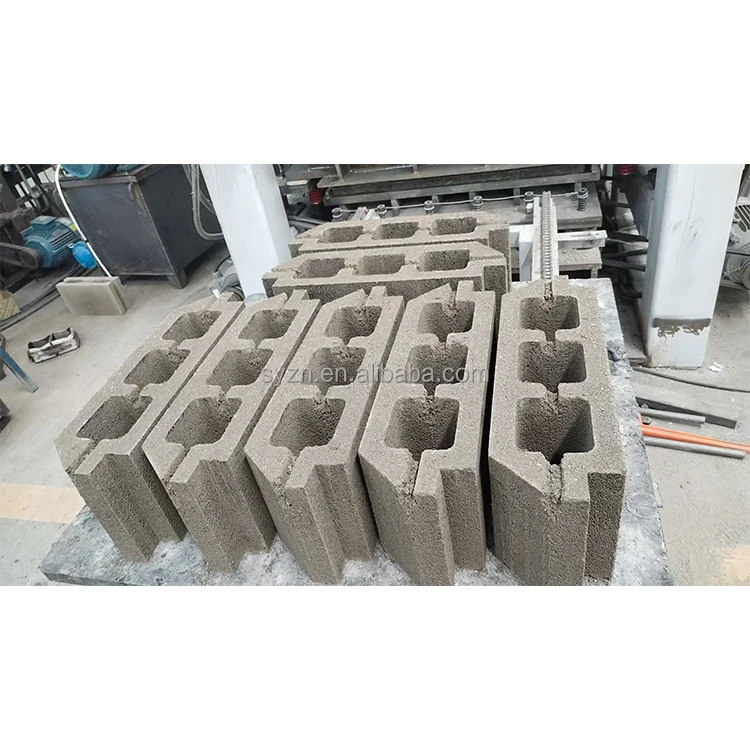
| Applied Products | Hollow/solid blocks, pavers, interlocking blocks, curbstone, colored pavers |
| Raw Materials | Crushed stone, sand, cement, fly ash, gravel, slag |
| Output Capacity | Basis not stated in source — confirm block format, material and thickness |
| Control System | Configurable (PLC or MCC) |
| Voltage & Frequency | Configurable per destination market |
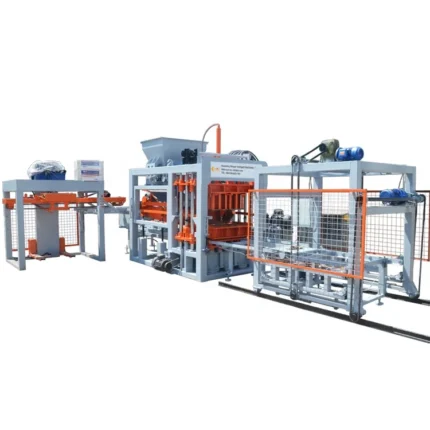
| Automation Level | Semi-automatic to fully automatic stacking and cubing |
| PLC Display Language | Selectable (English, Spanish, French, Arabic, Russian, others) |
Application Suitability
| Application | Material or Output |
|---|---|
| Hollow block production | Crushed stone, sand, cement, fly ash blends |
| Solid block manufacturing | Gravel, cement, slag aggregates |
| Paving block and colored paver runs | Fine sand, cement, pigment additives |
| Interlocking brick formation | Crusher dust, sand, cement mixes |
| Curbstone and kerb production | Coarse aggregate, cement, high-pressure molding |
Why PLC Language Must Be Locked Before the Machine Ships
An automatic QT8-15 block making machine PLC controlled in a language the operator cannot read is not an automatic machine — it is a very expensive manual problem.
I once supported a commissioning where the control panel arrived in a language the local team did not understand. Three days of production were lost before a remote session corrected the display. When you configure an automatic QT8-15 block making machine PLC controlled, the display language, alarm messages, and parameter labels must be confirmed alongside voltage and frequency — not assumed. [NEED_CITE: voltage and frequency standards by export market]
Removing Operator Variables from Every Cycle
The value of the automatic QT8-15 block making machine PLC controlled configuration lies in repeatability. Once the molding cycle, vibration frequency, and hydraulic pressure are tuned for a given mix, the PLC executes the same sequence every time. Manual pallet feeding introduces timing drift; automatic pallet feeding eliminates it. This is what turns a 15–20 s molding cycle into a reliable shift-long rhythm rather than an average with wide variance.
From Semi-Automatic Start to Full Line Automation
Not every buyer needs full cubing and stacking on day one. The QT8-15 platform allows a semi-automatic start with manual pallet handling, then later addition of automatic pallet feeding, stacking, and cubing modules. The PLC architecture accommodates these additions without replacing the main controller. This upgrade path matters for plants that want to match automation spending to actual production volume growth. [NEED_CITE: CE machinery directive requirements for industrial equipment]
Reading the Specifications That Actually Govern Block Density
The 21 MPa rated pressure and 45 kN vibration force work together during compaction. Pressure alone compresses; vibration alone settles aggregate. When both are matched to the buyer’s specific mix design — the local sand gradation, fly ash percentage, and cement ratio — the resulting block achieves uniform density throughout. The adjustable vibration frequency range of 2800–4500 r/min lets the operator fine-tune for different formats: lower frequencies for large hollow blocks, higher frequencies for thin pavers. Pallet size at 950×900 mm determines how many blocks form per cycle and must align with the curing racks and forklifts already on site. The 55.5 kW overall power draw requires a dedicated circuit; voltage and frequency must be confirmed before the motor and PLC are wired at the factory.
What Happens When Automation Specs Are Left Vague
Buyers who do not specify the automation level in writing sometimes receive a press without pallet feeding or stacking, assuming those were included. The machine runs, but output piles up at the press exit and must be moved by hand. This negates the labor reduction that justified the automatic purchase in the first place. Similarly, confirming the PLC display language only after the machine arrives leads to commissioning delays that push project handover dates back by days or weeks. [NEED_CITE: industrial automation commissioning delays caused by configuration mismatches]
Why Configuration Discipline Matters at This Station
Block machinery is our single focus, which means the press, mould, pallet, and handling system are specified as one matched set. We configure the automatic QT8-15 block making machine PLC controlled against the buyer’s actual mix design and target block format, not a catalogue default. Voltage, frequency, and display language are confirmed in writing before production begins. Mould design covers the formats the buyer’s market actually sells, including custom drawings. The automation level is selectable, so a buyer can start semi-automatic and add stacking and cubing as volume grows. Installation and commissioning support includes operator training so the team understands the PLC from the first shift.
Documentation & Verification
- Line layout showing capacity per block format with pallet and handling stations mapped
- Hydraulic and electrical schematic matching confirmed voltage and frequency
- PLC control specification with display language and alarm text locked in writing
- Factory test record on buyer’s target block format and mix before dispatch
- Mould drawing and format list for every block type included in the quotation
Installation, Commissioning & Support
- 300 m² factory area with level concrete floor to support 8 T total mass
- Dedicated power circuit for 55.5 kW overall draw at confirmed voltage and frequency
- Machine arrives in sections sized for standard container loading and on-site reassembly
- First-run parameter tuning of vibration frequency and hydraulic pressure to buyer’s mix
- Operator training on PLC interface, mould change procedure, and daily maintenance checks
- Wear parts list covering hydraulic seals, vibration springs, and mould liner plates
What We Need to Configure Your Line
To size the automatic QT8-15 block making machine PLC controlled correctly, we need your target block formats with dimensions, the daily output volume you plan to run, and the local raw materials you intend to use. Confirm your site voltage, frequency, and preferred PLC display language. If you have existing curing racks or forklifts, share their dimensions so pallet size and stacking height can be matched.
Frequently Asked Questions
Q: What automation levels can I choose from with this machine?
A: The QT8-15 is available from semi-automatic with manual pallet handling through to fully automatic pallet feeding, stacking, and cubing. The PLC architecture supports adding automation modules later without replacing the main controller. Buyers typically start at the level that matches current volume and expand as production grows.
Q: How is the PLC display language confirmed before the machine ships?
A: Language is locked in writing during the quotation stage alongside voltage and frequency. The factory test is then run with the confirmed display language so the buyer can review alarm messages and parameter labels before dispatch. Changes after production starts require reprogramming and delay shipment.
Q: Can I add automatic stacking if I start with semi-automatic?
A: Yes. The PLC and mechanical design allow stacking and cubing modules to be added to an existing semi-automatic QT8-15 line. The upgrade requires additional pallet handling hardware and a PLC program update. We provide the integration specification and commissioning support for the changeover.
Q: How are vibration frequency and hydraulic pressure matched to my materials?
A: During configuration, we review your local aggregate gradation, cement ratio, and target block strength. The vibration frequency range of 2800–4500 r/min and the 21 MPa hydraulic pressure are then set to produce uniform density for that specific mix. Fine-tuning happens during on-site commissioning with actual production material.
Q: What cycle time should I plan for once the line is running?
A: The molding cycle is 15–20 s, but total cycle time per pallet depends on block format, pallet handling speed, and automation level. We provide a capacity calculation that states the assumed block format and line configuration, not a generic cycles-per-hour figure.