Description
Specified Control Interface — every QTJ4-25 panel language is confirmed against the operator’s native tongue before the cabinet leaves the factory, because automation means nothing if the person at the console cannot read a single alarm message.
Technical Specifications
| Parameter | Value |
|---|---|
| Model | QTJ4-25 |
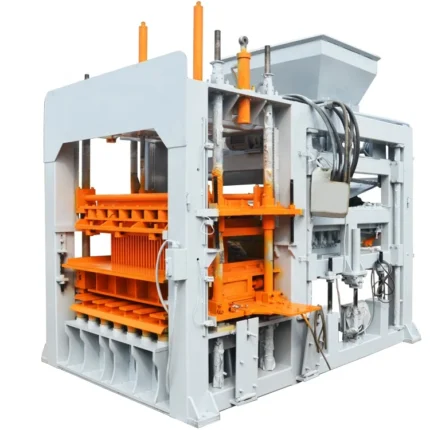
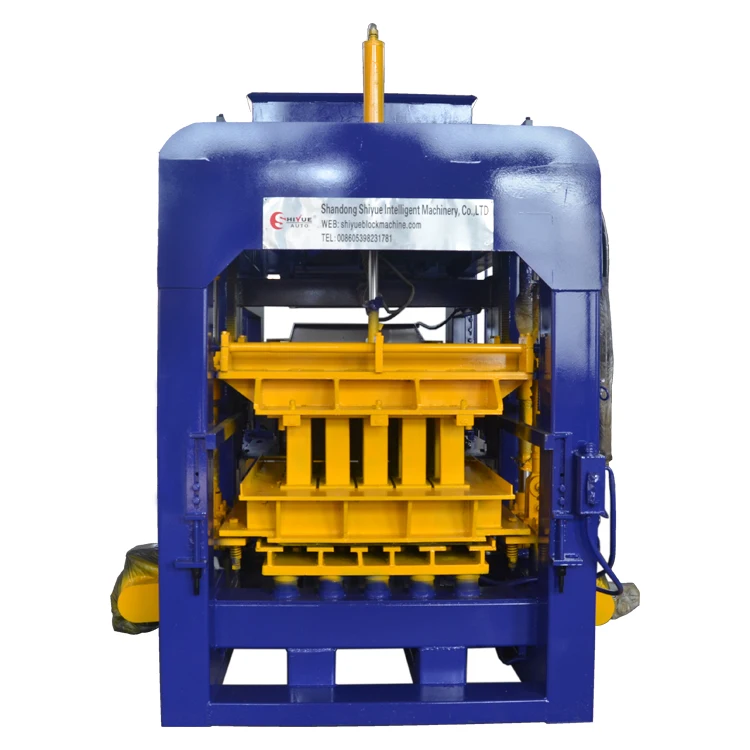
| Product Type | Semi-Automatic Concrete Block Making Machine |
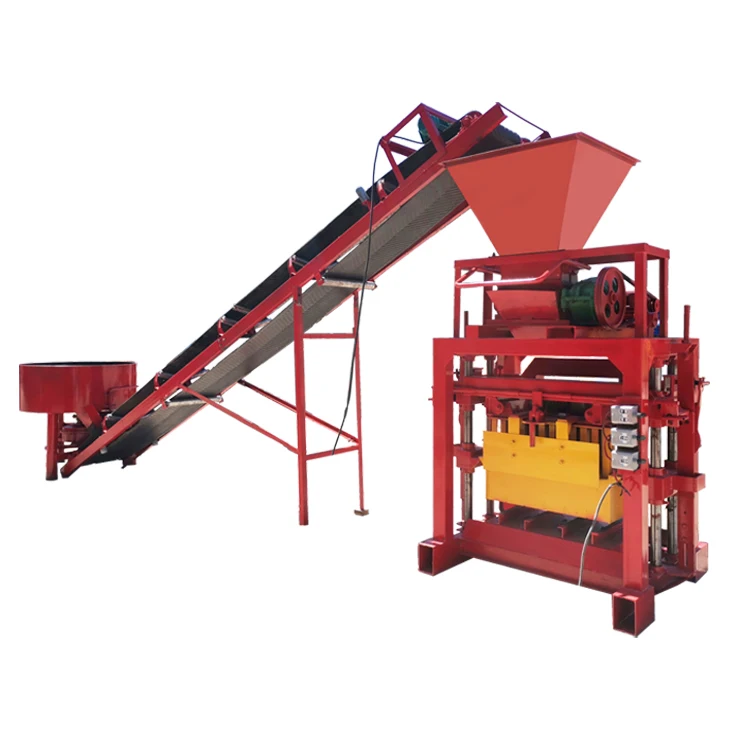
| Overall Dimensions (L×W×H) | 3060 × 1730 × 2580 mm |
| Total Weight | 4 T |
| Vibration Force | 45 kN |
| Cycle Time | 25 s |
| Pallet Size | 850 × 550 mm |
| Block Height Range | 40 – 280 mm |
| Workshop Area | 50 – 150 m² |
| Material Storage Area | 300 – 500 m² |
| Belt Conveyor Length | 8 m |
| Mixer Model | JQ500 |
| Motor Brand | Germany SIEMENS or ABB (selectable) |
| Voltage | 380V, 3-phase, 50Hz (customizable to local voltage) |
| Control System | Electric control |
| Automation Level | Semi-automatic, with selectable upgrade path |
| Output Capacity | 480 pcs/hour (basis: 400×200×200mm hollow block, 4 pcs/mould) |
| Output Capacity | 600 pcs/hour (basis: 400×150×200mm hollow block, 5 pcs/mould) |
| Output Capacity | 840 pcs/hour (basis: 400×100×200mm hollow block, 7 pcs/mould) |
| Output Capacity | 2880 pcs/hour (basis: 240×115×53mm solid brick, 24 pcs/mould) |
| Mould Formats | Hollow block, solid block, paver, interlocking block, curbstone, colored paver, riverside brick, revetment brick, grass brick |
| Warranty | 1 year (excluding wearing parts) |
Application Suitability
| Application | Material or Output |
|---|---|
| Small to medium block plants | Hollow and solid blocks from fly ash, cement and crushed local aggregate |
| On-site contractor production | Interlocking pavers and curbstones at the project location |
| First-time entrepreneur plants | Semi-automatic start-up line with future PLC automation option |
| Format expansion on existing lines | Paver, grass brick and revetment brick added to a hollow block range |
| Rural and peri-urban housing projects | Load-bearing hollow blocks and solid bricks from locally sourced sand and gravel |
Why Voltage and Language Must Be Settled Before the Crate Is Nailed
A PLC controlled semi-automatic block machine that speaks the wrong language is a four-tonne paperweight on day one.
I once shipped a unit nearly identical to this class to Southeast Asia and forgot to switch the control cabinet display to English. The local operator stood in front of the panel for an entire morning, afraid to press anything. We spent three days on a video call walking through each button before the first pallet of blocks came off the line [NEED_CITE: common commissioning delays caused by unconfirmed PLC language settings]. Since then, every automatic QTJ4-25 block machine upgrade path conversation I have starts with a language confirmation sheet — because batch-to-batch consistency is irrelevant if the operator cannot read the fault codes. Voltage mismatches cause similar headaches: a 380V/50Hz cabinet dropped into a 60Hz country will run the mixer motor at the wrong speed, altering mix homogeneity and block density before anyone notices.
Electric Control Baseline and the Automation Ladder
The QTJ4-25 ships from the factory with an electric control panel and a Siemens or ABB motor option, keeping the entry investment modest for a first-time plant owner. The semi-automatic configuration still requires manual pallet handling and stacking, which suits workshops producing a few thousand blocks per shift. When daily volume grows or labour costs shift, the same frame accepts a PLC-controlled stacking and cubing package without replacing the press itself. This upgrade path is the core of the automatic QTJ4-25 block machine upgrade path — you buy the machine once and add intelligence in stages.
Consistency Through Vibration-Pressure Matching
Block strength inconsistency usually traces back to vibration force and hydraulic pressure that were never matched to the buyer’s specific mix design. The QTJ4-25 delivers 45 kN of vibration force across a 25-second cycle, but that number only matters when the mould cavity, aggregate gradation and cement ratio are factored in [NEED_CITE: vibration force and hydraulic pressure matching for concrete block density]. We configure the machine against the buyer’s local aggregate — whether river sand, crushed basalt or fly ash — rather than quoting a catalogue default. The result is blocks that hit their target compressive strength shift after shift, not just on the factory test day.
Reading the Numbers Behind the Cycle Time
A 25-second cycle sounds fast until you realise it assumes a specific mould format. At four cavities per mould for a 400×200×200mm hollow block, the QTJ4-25 produces 480 pieces per hour; switch to a seven-cavity 400×100×200mm hollow block mould and the same cycle yields 840 pieces per hour. The 850×550mm pallet size is chosen to fit a standard curing rack footprint, but if the buyer’s existing forklift is rated for a different pallet dimension, the rack layout must be re-drawn before the machine arrives. Motor selection between Siemens and ABB is not merely a brand preference — each has different service centre coverage depending on the buyer’s country, and choosing the one with local support shortens downtime when a bearing eventually needs replacement.
The Cost of Skipping the Configuration Conversation
Buyers who treat the enquiry as a price-only exercise often discover, after arrival, that the mould change is manual and takes most of a shift — wiping out the format flexibility they thought they had paid for. Others find the machine was configured for a fine-sand mix while their quarry only produces coarse crusher dust, forcing a costly material switch or a mould re-engineering job [NEED_CITE: block machine configuration mismatch with local aggregate]. Pallet handling and stacking omitted from the quotation leave output stacked by hand, turning a semi-automatic line into a labour-intensive bottleneck. Confirming these details at the proposal stage costs nothing; correcting them on the shop floor costs weeks.
Why Sourcing the QTJ4-25 Through Shiyue Machinery
Block machinery is our single focus, so the QTJ4-25 is specified as one matched system — press, mould, pallet and handling — rather than assembled from separate suppliers. Every machine is configured against the buyer’s actual mix design and target block format, not a catalogue default. Mould design covers the formats the buyer’s market actually sells, including custom drawings for interlocking profiles that standard catalogues do not carry. Automation level is selectable, allowing a buyer to start at semi-automatic and add PLC-controlled stacking later. Installation support includes on-site commissioning and operator training, with wear parts and mould lists provided before shipment.
Documentation & Verification
- Line layout and capacity calculation stating the block format assumed for each output figure
- Machine specification sheet with confirmed voltage, frequency and control language
- Mould drawing and format list, including any custom profiles to buyer drawings
- Hydraulic and electrical schematic for local maintenance teams
- Factory test record run on the buyer’s specified block format before dispatch
- Operation and maintenance manual in the operator’s working language
Installation, Commissioning & Support
- Foundation plan matches the 3060×1730mm footprint and 4-tonne operating weight
- Dedicated 3-phase circuit sized for the Siemens or ABB motor and JQ500 mixer combined load
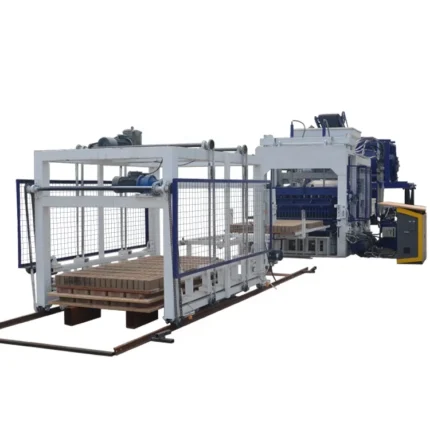
- Host machine, mixer and 8m belt conveyor arrive dismantled for container loading, re-assembled on site
- First-run parameter setting covers vibration duration, feed volume and cycle time for the buyer’s lead format
- Operator training includes manual pallet handling routines and mould change procedure
- Wear parts list and mould maintenance schedule handed over at commissioning sign-off
What to Include in Your Enquiry
To size the QTJ4-25 correctly, share the block formats you sell most, your target daily output per format, and the local aggregate type and gradation you plan to use. Confirm your site voltage and frequency, the control panel language your operators need, and the pallet dimensions your existing curing racks and forklift can handle. If you intend to add full PLC stacking within the next two years, say so upfront so the frame and wiring loom are prepared at the factory.
Frequently Asked Questions
Q: How is the capacity of the QTJ4-25 verified, and which block format does each figure assume?
A: Every output figure is tied to a specific block format and cavity count. For example, 480 pieces per hour assumes a 400×200×200mm hollow block with four cavities per mould, while 2880 pieces per hour assumes a 240×115×53mm solid brick with 24 cavities. We provide a written capacity table showing each format separately so there is no ambiguity about daily output expectations.
Q: What automation level does the QTJ4-25 ship with, and what is the upgrade path to full PLC control?
A: The standard configuration is semi-automatic with electric control and manual pallet handling. The frame and wiring loom can be prepared at the factory for a future PLC-controlled stacking and cubing package, allowing the buyer to add automation later without replacing the press or shutting down the line for extended rework.
Q: Can the voltage, frequency, and control language be confirmed to match the target market before shipment?
A: Yes. A language and voltage confirmation sheet is completed during the proposal stage and signed off before production begins. This covers the PLC display language, button labels, operation manual language, and the motor and transformer rating required for the buyer’s local grid, preventing commissioning delays on arrival.
Q: How are vibration force and hydraulic pressure matched to the buyer’s local aggregate and mix design?
A: We ask the buyer to supply a sample of the local aggregate and the proposed cement-to-aggregate ratio. The 45 kN vibration force and cycle time are then adjusted against that mix to achieve the target compressive strength, rather than relying on a generic factory setting that may not suit the actual raw material on site.
Q: What mould change system is included, and how long does a format change take on the shop floor?
A: The QTJ4-25 uses a manual mould change system. Actual change-over time depends on operator familiarity and the complexity of the new mould. We recommend dedicating a full shift to the first change to allow the team to document each step, after which subsequent changes become noticeably faster with practice and proper tool staging.