


Description
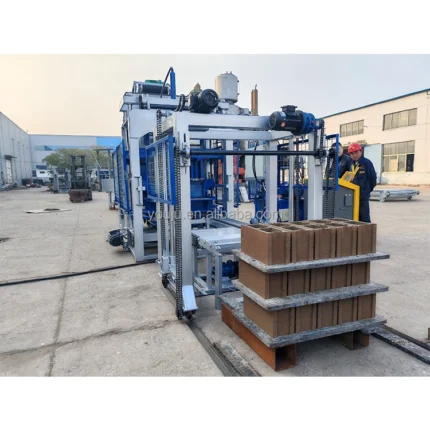
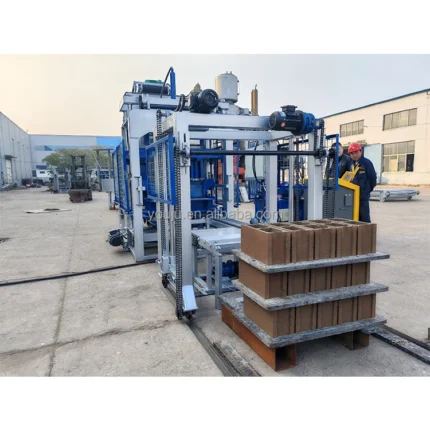
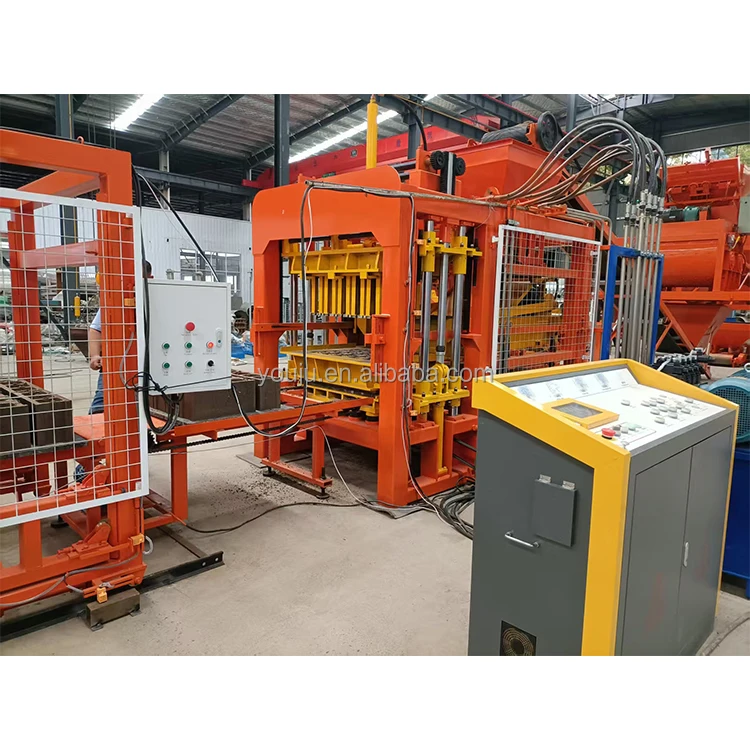
Matched Vibration Control — the QTJ4-35 platform vibration and PLC cycle logic are tuned to the buyer’s mix design before dispatch, so the press performs on-site as it did in the factory.
Technical Specifications
| Parameter | Value |
|---|---|
| Model | QTJ4-35 |
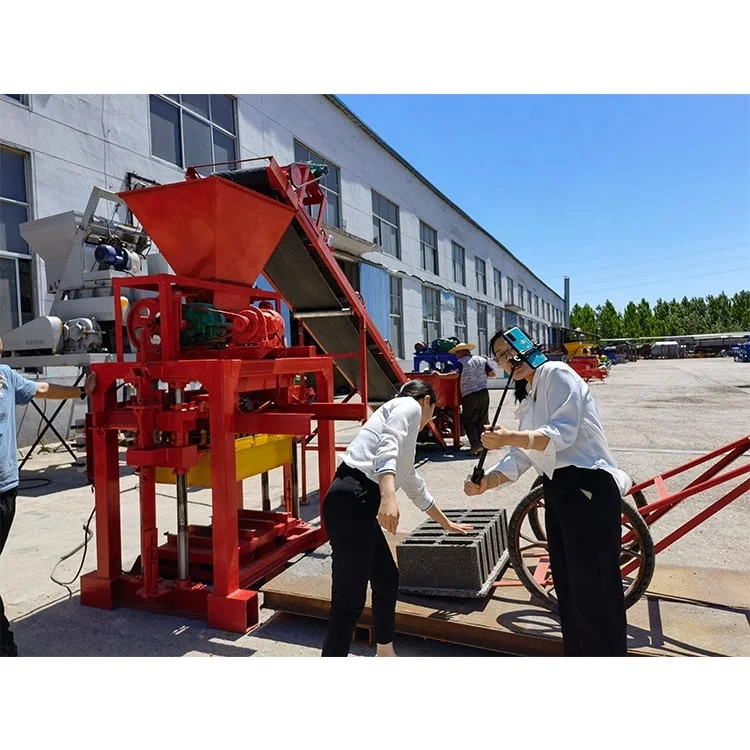
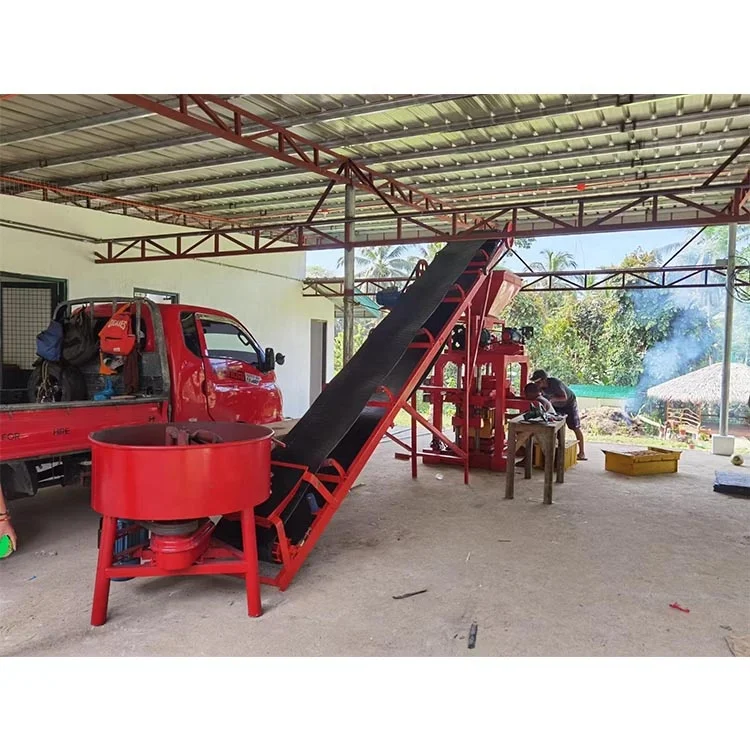
| Product Type | Stationary Concrete Block Making Machine |
| Overall Dimensions (L×W×H) | 2050 × 1660 × 1900 mm |
| Rated Exiting Force | 35 kN |
| Main Vibration Form | Platform Vibration |
| Vibration Frequency | 2800 r/min |
| Pallet Size | 850 × 450 mm |
| Molding Cycle | 35 s (basis not stated in source — confirm block format / material / thickness) |
| Overall Power | 9.7 kW |
| Total Mass | 1500 kg |
| Demolding Method | Vibration |
| Factory Area | 260 m² |
Application Suitability
| Application | Material or Output |
|---|---|
| Hollow block production for load-bearing walls | Crushed stone, sand, cement, and fly ash blends |
| Solid block manufacturing for partition walls | River sand and gravel with standard cement ratios |
| Interlocking paver production for walkways | Colored aggregate mixes with fine sand base |
| Curbstone forming for road and landscaping projects | Coarse gravel and cement with high compaction needs |
Why the PLC Language Question Beats the Price Question
Confirming the control interface language and voltage standard before the order is placed prevents a machine that sits idle on arrival.
I once stood next to a block press in Doha where the operator could not read the PLC prompts. The machine was mechanically sound, but every alarm required a phone call to interpret. Three days of production were lost before a translator rewrote the screen labels [NEED_CITE: PLC display language and electrical standard confirmation for export markets]. The automatic QTJ4-35 block machine ships with configurable voltage and control language, but only when the buyer specifies them before the crate is sealed.
Cycle Timing That Removes Operator Guesswork
The QTJ4-35 runs a platform vibration system at 2800 r/min, delivering uniform compaction across the full pallet area. When the vibration force and hydraulic pressure are set to match the buyer’s aggregate and cement ratio, each molding cycle produces blocks of consistent density. This is where the automatic QTJ4-35 block machine separates itself from machines that leave cycle parameters at factory defaults — consistency in block strength comes from matching the press settings to the actual mix, not from the vibration motor alone.
Automation That Starts Where You Are
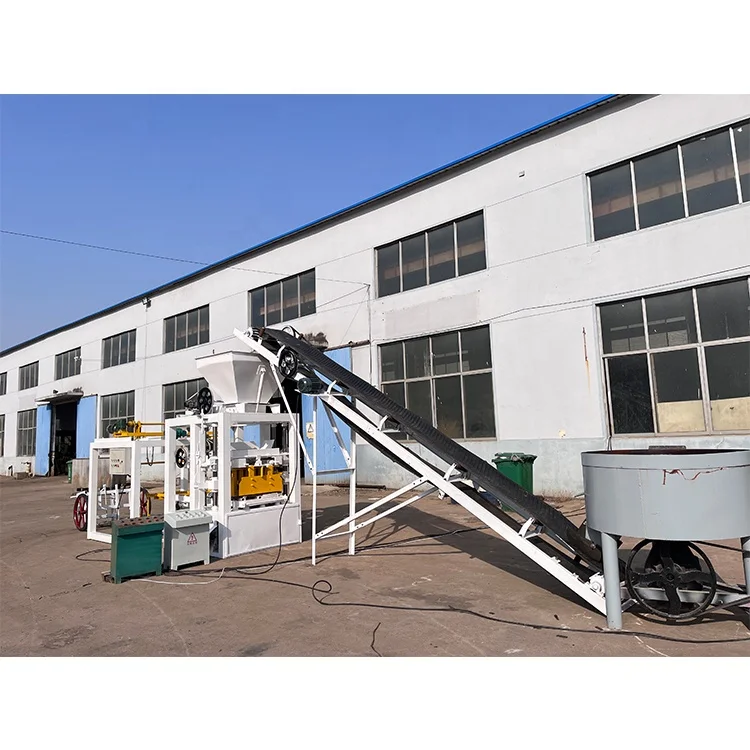
A PLC controlled concrete block machine does not have to mean a fully automated line from day one. The QTJ4-35 supports a progression from semi-automatic pallet handling to automatic stacking and cubing, so a plant can begin with manual pallet transfer and add automation modules as output volume justifies the investment. The control logic remains the same across the upgrade path — what changes is how much of the pallet and block handling the operator performs by hand [NEED_CITE: automation upgrade paths for stationary block presses].
What the Specs Actually Mean on the Production Floor
The 35 kN rated exiting force works in combination with the 2800 r/min platform vibration to compact the concrete mix into the mould cavity. Higher vibration frequency alone does not guarantee block density — the exiting force must be sufficient to hold the mould against the vibration table, and both values must be appropriate for the aggregate size in the mix. The 850 × 450 mm pallet size is compatible with standard curing rack dimensions and common forklift tine widths, which matters when the buyer already has curing infrastructure in place. At 9.7 kW overall power, the press fits within standard three-phase industrial supply without requiring a dedicated transformer. The 1500 kg total mass provides the necessary frame rigidity to absorb repeated vibration cycles without fatigue cracking at the weld joints.
The Cost of Skipping the Mix-Matching Step
When vibration force and hydraulic pressure are set to catalogue defaults rather than the buyer’s actual aggregate, the result is blocks that pass visual inspection but fail compressive strength tests after curing. I have seen entire production runs scrapped because the machine was tuned for granite dust while the plant was running high-clay river sand. The press was not faulty — it was simply configured for a different material [NEED_CITE: compressive strength failures caused by mismatched vibration settings].
Why Buyers Source the QTJ4-35 Through This Channel
The QTJ4-35 is specified as a matched system — press, mould, pallet, and handling equipment configured together rather than assembled from separate suppliers. The vibration and pressure settings are calibrated against the buyer’s mix design and target block format before shipment, not left at generic defaults. Mould design covers the formats the buyer’s market actually demands, including custom drawings for non-standard dimensions. The automation level is selectable, allowing a buyer to start with semi-automatic operation and add stacking modules later. Installation support includes on-site commissioning and operator training so the line runs at target consistency from the first week.
Documentation & Verification
- Factory test record run on your specified block format and mix proportions before dispatch
- Mould drawing and format list confirming dimensions against your market requirements
- Voltage, frequency, and PLC display language confirmation signed before production
- Hydraulic and electrical schematic matching the as-built configuration
- Operation and maintenance manual with wear parts and mould replacement schedule
Installation, Commissioning & Support
- Foundation pad sized to the 2050 × 1660 mm footprint with vibration isolation provisions
- Dedicated three-phase circuit rated for the 9.7 kW total power draw at confirmed voltage and frequency
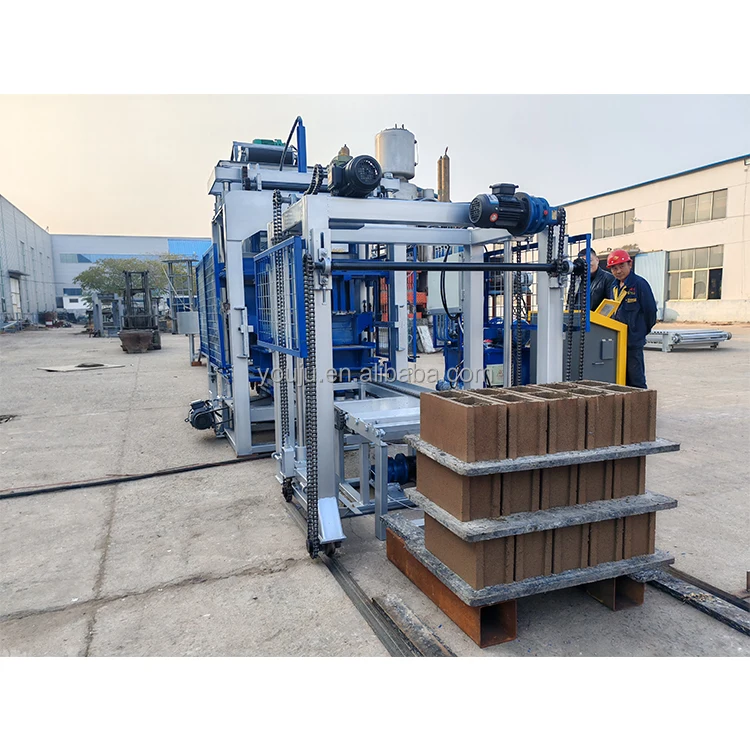
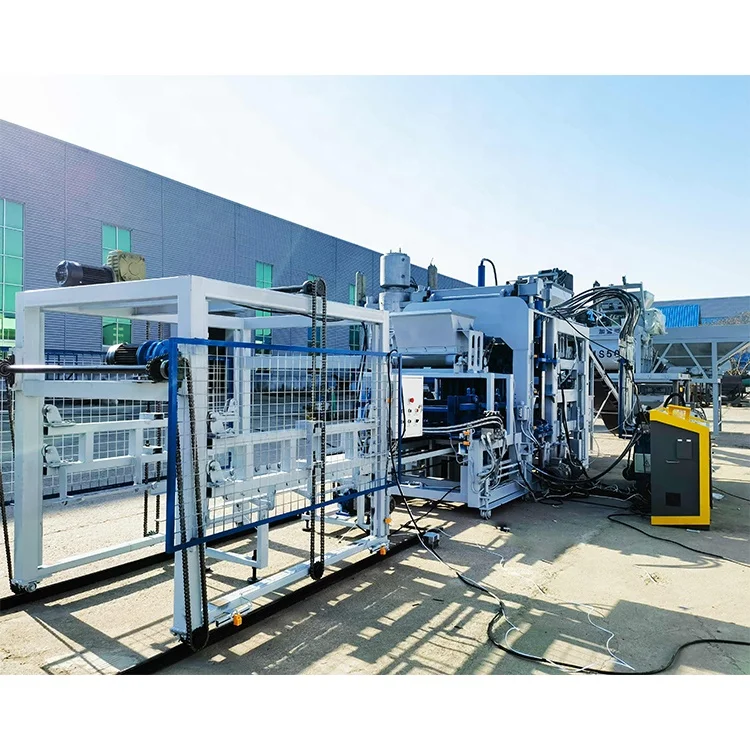
- Press arrives as a single assembly; pallet feeder and stacking modules connect at commissioning
- Vibration frequency and exiting force retuned on-site against your actual aggregate sample
- Operator training covers PLC navigation, mould change procedure, and daily maintenance checkpoints
- Wear parts list with lead times for first replacement order before initial stock depletes
What to Include in Your Inquiry
Provide the specific block formats you intend to produce, including dimensions and target daily output per format. Confirm your local aggregate type and cement source so the vibration and pressure settings can be matched before dispatch. State your site voltage, frequency, and preferred PLC display language to avoid commissioning delays after the automatic QTJ4-35 block machine arrives.
Frequently Asked Questions
Q: How is the 35-second molding cycle calculated, and which block format does it assume?
A: The 35-second cycle is a baseline figure that varies with block height, cavity count, and mix workability. The actual cycle time for your target format — whether hollow block, solid block, or paver — is calculated during configuration and stated in the capacity proposal. Always request the per-format calculation before confirming the order.
Q: Can the vibration settings be adjusted for my local aggregate and mix design?
A: Yes. The platform vibration frequency and exiting force are configurable. Before shipment, the press is tested with a mix sample matching your local crushed stone, sand, and cement proportions. On-site fine-tuning during commissioning accounts for any variation between the sample and production material.
Q: What automation upgrades are available from semi-automatic to full stacking?
A: The QTJ4-35 supports semi-automatic pallet handling as a starting point, with automatic pallet feeding, stacking, and cubing available as add-on modules. The PLC control logic accommodates these upgrades without replacing the main controller, so the transition can be made when production volume warrants it.
Q: How do I confirm the PLC control language and electrical standards match my site?
A: Voltage, frequency, and PLC display language are confirmed during the quotation stage and documented in the electrical specification sheet. The control panel is built to the confirmed standard before assembly, and a signed confirmation is required before the machine enters production.