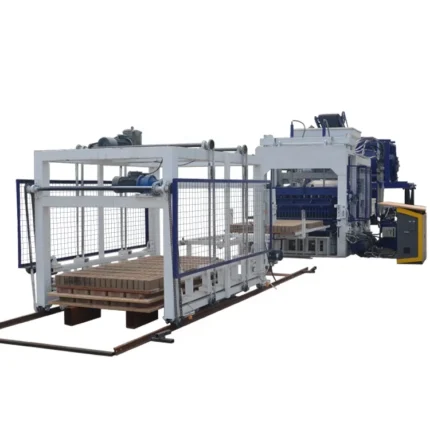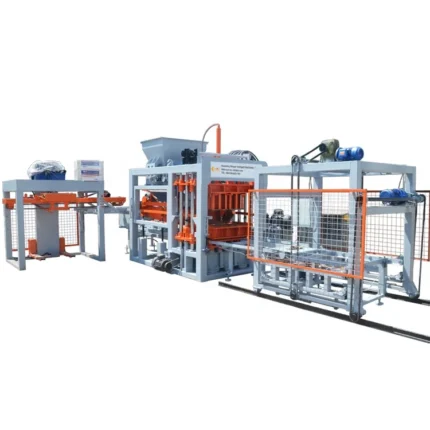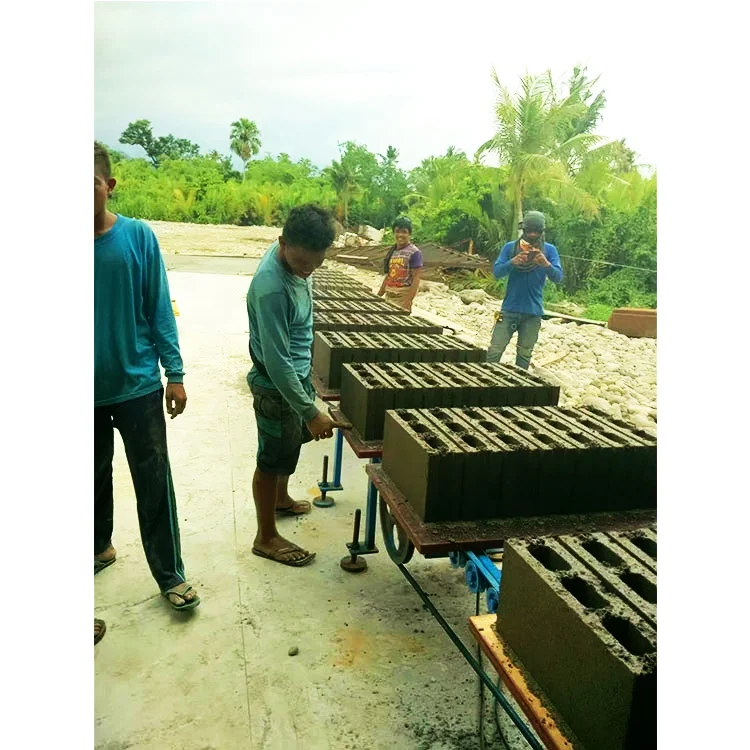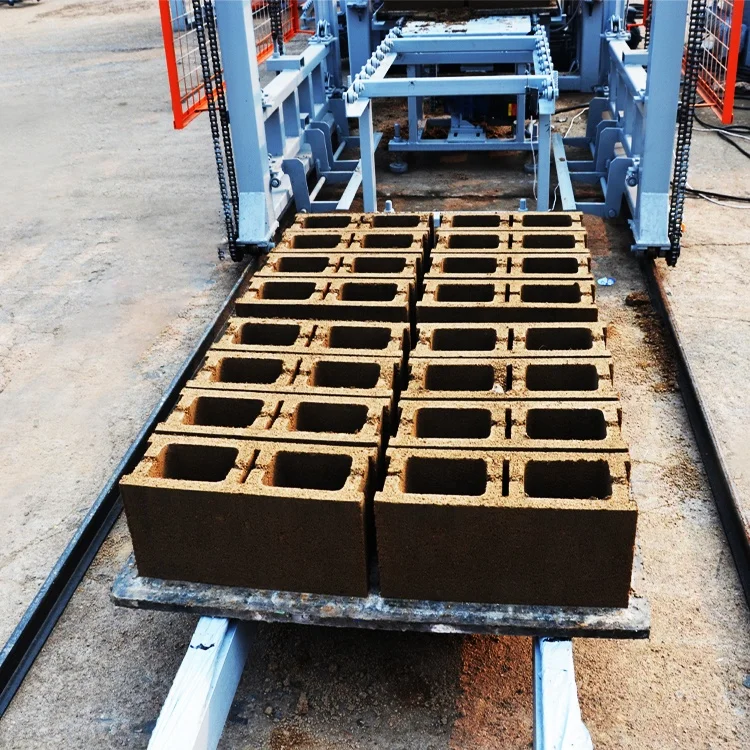
Description
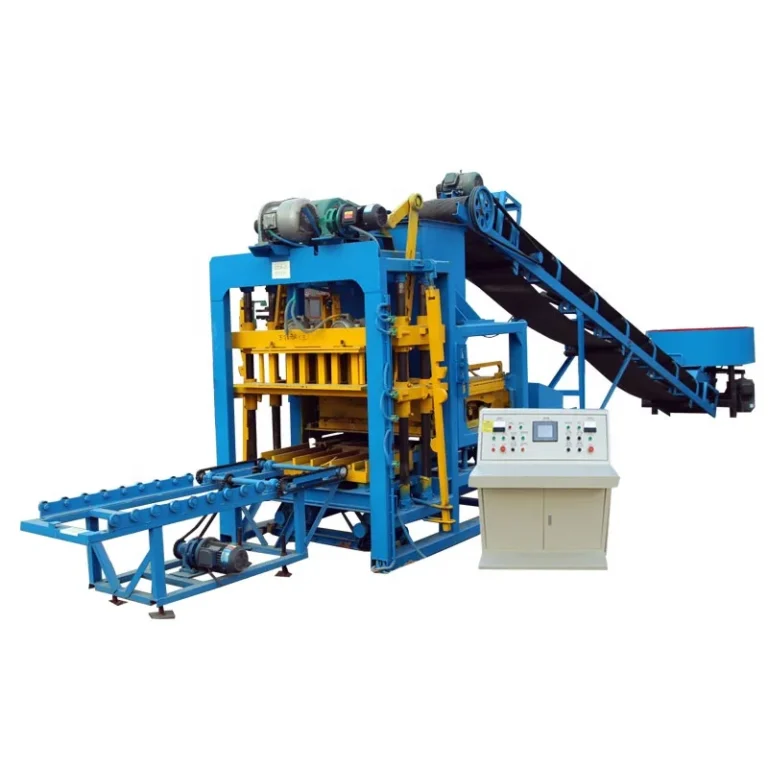
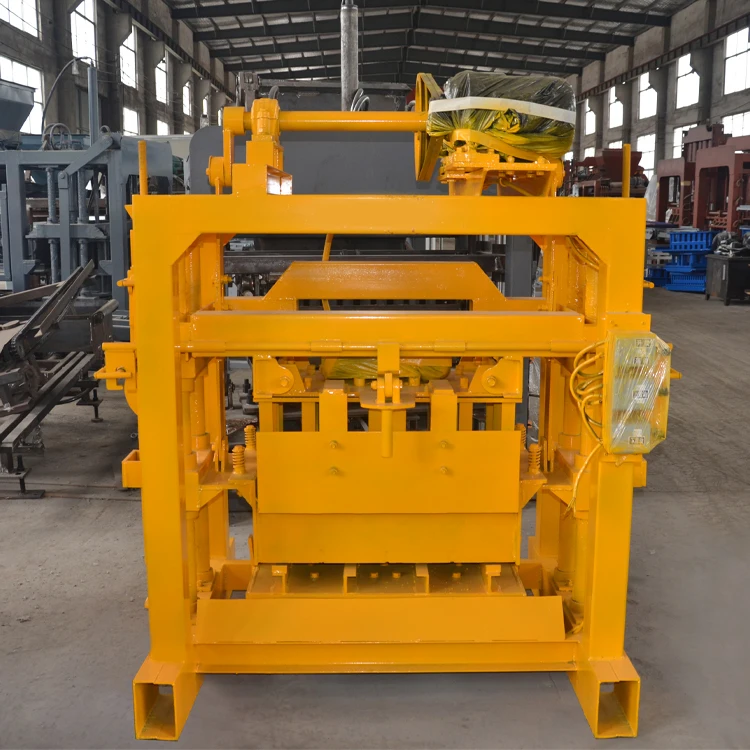
Configured Control Logic — The QTJ4-40 semi-automatic block press is matched to your target format, local aggregate, and site voltage before production begins, so the control panel speaks your operator’s language on day one.
Technical Specifications
| Parameter | Value |
|---|---|
| Model | QTJ4-40 |
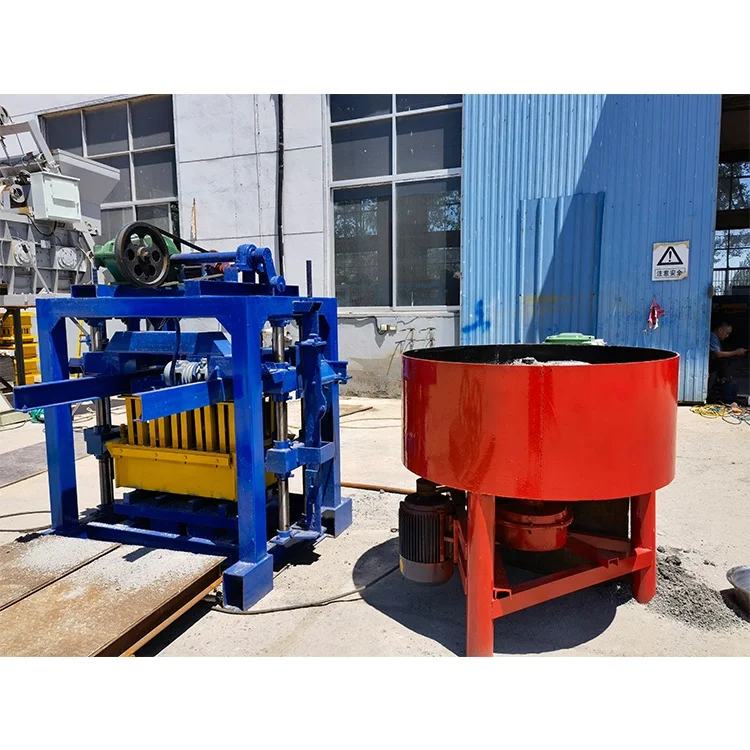
| Product Type | Semi-Automatic Concrete Block Making Machine |
| Machine Power | 9.5 kW |
| Molding Cycle | 40 s |
| Theoretical Productivity (400×200×200 mm hollow block, 4 pcs/mould) | 360 pcs/h, 2800 pcs/day |
| Theoretical Productivity (400×150×200 mm block, 5 pcs/mould) | 450 pcs/h, 3600 pcs/day |
| Theoretical Productivity (225×112.5×60 mm block, 9 pcs/mould) | 800 pcs/h, 6400 pcs/day |
| Output Capacity | 2000–2500 pcs / 8 hours (basis not stated in source — confirm block format) |
| Vibration System | Bed mould vertical vibration combined with upper mould compression vibration |
| Control System | Semi-automatic with top die push-pull and automatic scraper |
| Pallet Size | 850 × 450 mm |
| Overall Dimensions (L×W×H) | 1350 × 1460 × 1800 mm |
| Machine Weight | 1 T |
| Raw Materials | Concrete, sand, cement, fly ash, lime, gypsum |
| Voltage | Configurable to buyer’s local supply (exact value to be confirmed) |
| Automation Level | Semi-automatic, with upgrade path to PLC-controlled stations |
| Language Options | To be confirmed before production |
Application Suitability
| Application | Material or Output |
|---|---|
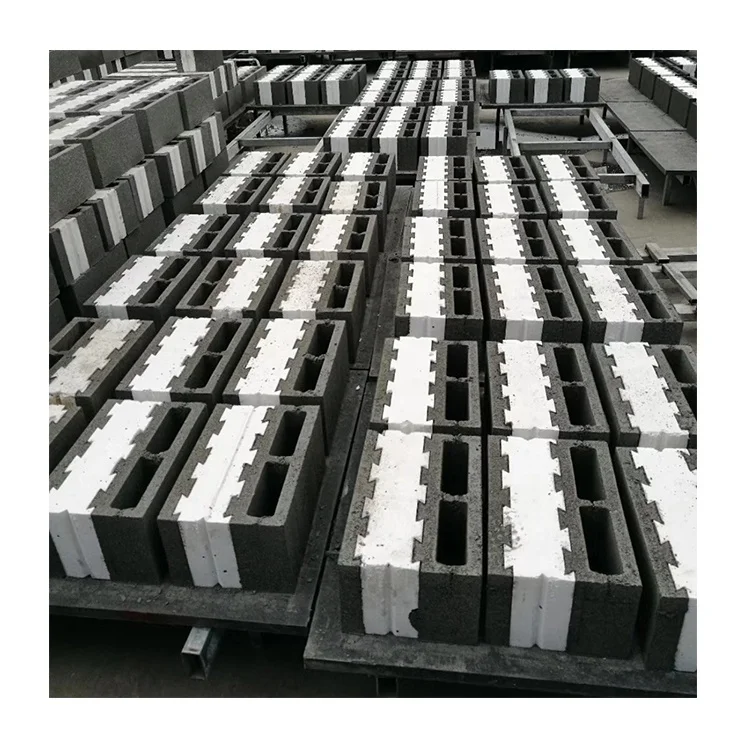
| Small-scale hollow block production | Crushed stone, sand, and cement mix |
| Solid block manufacturing for local masonry | Fly ash, lime, and aggregate blends |
| Paving block and interlocking brick runs | Cement with fine aggregate and pigment |
| On-site construction block production | Locally sourced sand and gravel |
| Startup block plant with room to scale | Standard concrete mixes with gradual automation additions |
What "2800 Blocks per Day" Actually Means for Your Shift Plan
Daily output figures only hold when the stated block format, mould cavity count, and cycle time all align with your production target.
I have watched operators in West Africa stare at a control panel locked in a language they could not read, losing an entire first shift to basic setup. The automatic QTJ4-40 block machine lists theoretical capacity at 360 pieces per hour based on a 400×200×200 mm hollow block with four cavities per mould. Switch to a smaller solid brick format and the hourly count rises, but the pallet turnover speed, curing rack space, and raw material feed rate must all keep pace. Quoting a single daily number without naming the format behind it leaves buyers planning shifts around output they will never see [NEED_CITE: block format assumptions behind capacity claims in machinery quotations]. A PLC controlled semi-automatic block machine removes some of that guesswork by locking cycle parameters, but only if the voltage, frequency, and display language are confirmed before the panel is wired.
Control Panel Language and Voltage: The Two Details That Decide Your First Week
When a semi-automatic press arrives with a PLC display in a language the local electrician cannot navigate, commissioning stalls before the first block is pressed. The QTJ4-40 is wired to the buyer’s confirmed voltage and frequency, and the control interface language is locked in the purchase contract. This means the operator sees cycle counts, alarm codes, and mould position indicators in a language they read on site, not a default setting that requires a translator for every parameter adjustment. The automatic QTJ4-40 block machine ships with these settings verified during factory testing.
Where the Upgrade Path Actually Begins
Most semi-automatic plants do not jump to full automation in one step. The realistic sequence starts with adding an automatic pallet feeder so the press is not left idle between cycles, then a stacker to remove manual offloading. The QTJ4-40 is designed so that individual stations can be introduced without replacing the press itself. The PLC controlled semi-automatic block machine supports incremental integration, meaning the control logic can be expanded as new stations come online [NEED_CITE: typical automation upgrade sequence for semi-automatic block plants].
How Vibration Force and Mould Compression Shape Block Density
The QTJ4-40 uses a combined vibration approach: vertical vibration from the bed mould paired with compression vibration from the upper mould. This dual action consolidates the concrete mix from both directions during the 40-second cycle, producing blocks with more uniform density across the top and bottom faces. The 9.5 kW motor drives both the vibration and the hydraulic push-pull mechanism. On a mix with high fly ash content, the upper compression vibration becomes more critical because fly ash particles are finer and need sustained pressure to interlock. Pallet size at 850 × 450 mm dictates how many blocks sit on each board, which in turn determines curing rack spacing and forklift handling patterns downstream.
When the Wrong Pallet Size Costs You More Than the Machine
A pallet dimension that does not match the buyer’s existing curing racks forces a choice: replace the racks or accept that pallets stack unevenly and blocks crack during curing. The 850 × 450 mm pallet on the QTJ4-40 must be checked against the rack width and forklift tine spacing already in the yard. If the buyer’s curing area is designed around a different pallet standard, every block coming off the press will require manual re-stacking before it enters the rack [NEED_CITE: pallet dimension mismatches causing post-press handling bottlenecks]. That re-stacking labour is invisible in the quotation but shows up in daily wage costs from the first week of production.
Why Buyers Source This Machine Here
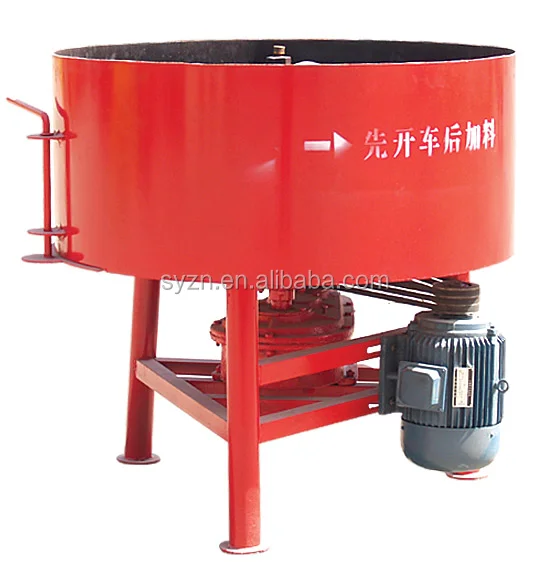
Block machinery is the single focus of the manufacturing operation behind the QTJ4-40, so the press, mould, pallet, and handling equipment are specified as one system rather than assembled from unrelated suppliers. The configuration is set against the buyer’s actual mix design and target block format, not a catalogue default. Mould design covers the formats the buyer’s market sells, with custom drawings available. Automation level is selectable, allowing a buyer to begin semi-automatic and add PLC-driven stations as demand grows. Installation and commissioning support includes operator training on the specific control language confirmed in the contract.
Documentation & Verification
- Line layout and capacity calculation stating the block format behind each output figure
- Machine specification sheet with confirmed voltage, frequency, and control language
- Mould drawing and format list covering all cavity configurations ordered
- Hydraulic and electrical schematic matching the shipped wiring configuration
- Factory test record on the buyer’s specified block format before dispatch
- Operation and maintenance manual in the confirmed display language
Installation, Commissioning & Support
- Foundation pad sized to the 1350 × 1460 mm footprint with level tolerance for vibration stability
- Dedicated power circuit matching the confirmed voltage and 9.5 kW load requirement
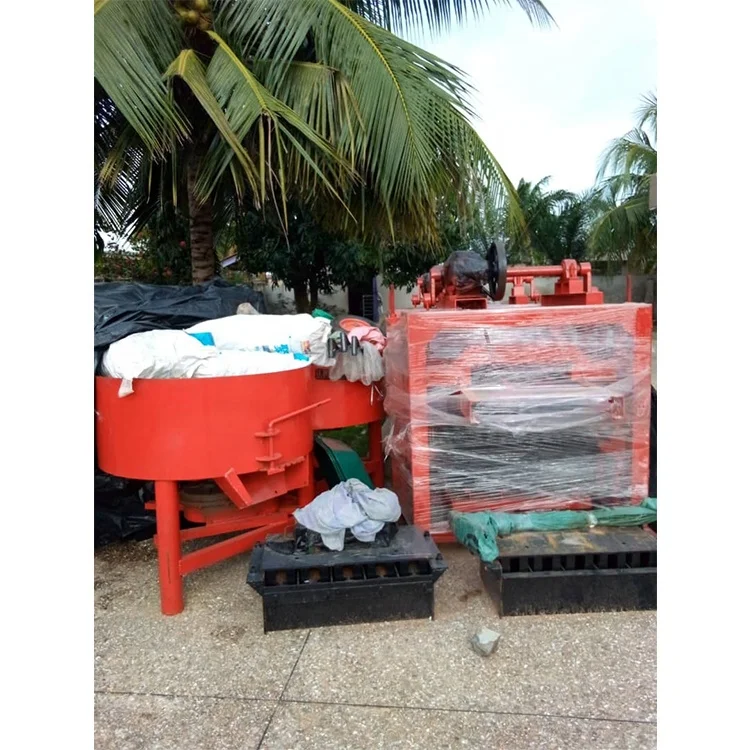
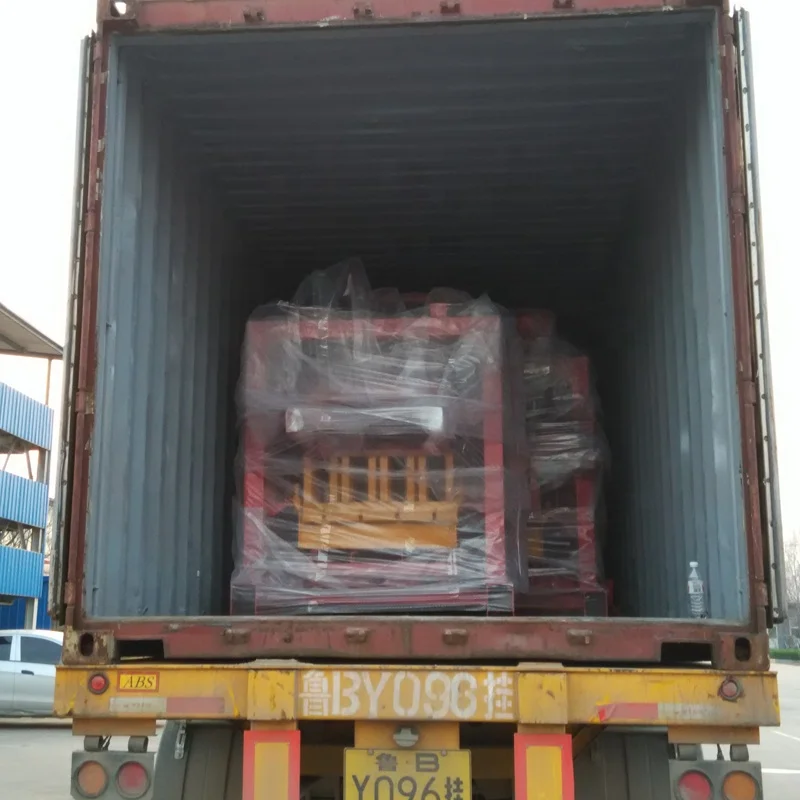
- Machine arrives as a single unit; vibration bed and upper mould frame are aligned on site
- First-cycle parameter setting supervised, with cycle time and vibration duration verified per format
- Operator training covers mould change procedure, scraper adjustment, and alarm response
- Wear parts list identifies vibration springs, scraper blades, and hydraulic seals by part number
Before You Request a Quote
Share the block format your market actually buys, including dimensions and target daily volume, so the capacity calculation can be built around your specific product rather than a generic figure. Confirm your local voltage, frequency, and the language your operators need on the control display. If you already have curing racks, pallets, or forklifts on site, send their dimensions so the pallet size and handling stations can be matched before the machine enters production.
Frequently Asked Questions
Q: How is daily output verified for the QTJ4-40, and which block format does each figure assume?
A: Each output figure is tied to a specific block dimension and cavity count. For example, 360 pieces per hour assumes a 400×200×200 mm hollow block with four cavities. We provide a capacity calculation sheet that states the format behind every number, so you can match the figure to your actual product mix.
Q: What is the upgrade path from semi-automatic to full PLC-controlled operation?
A: Stations like the pallet feeder, stacker, and batching system can be added one at a time without replacing the press. The control logic expands as each station comes online, so the upgrade follows your production growth rather than requiring a full line replacement at once.
Q: How are voltage, frequency, and control panel language confirmed before shipment?
A: These three parameters are written into the purchase contract and verified during factory testing. The PLC display is set to the buyer’s chosen language, and the electrical system is wired to the confirmed voltage and frequency before the machine is packed.
Q: What mould formats are available, and how long does a change take?
A: Moulds are produced for hollow blocks, solid blocks, paving blocks, and interlocking bricks in sizes your market requires. The top die push-pull mechanism and automatic scraper reduce manual steps during changeover, and the procedure is covered in operator training on site.
Q: Which supporting equipment prevents the press from waiting between cycles?
A: The pallet feeder ensures boards are positioned before each cycle, while a stacker removes filled pallets without manual intervention. Raw material batching accuracy depends on whether a separate batching station is included. We confirm which stations are in the quotation and which remain manual.