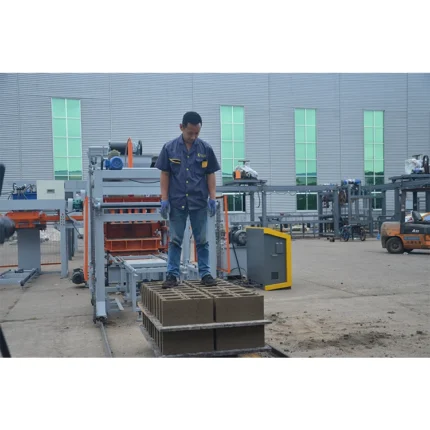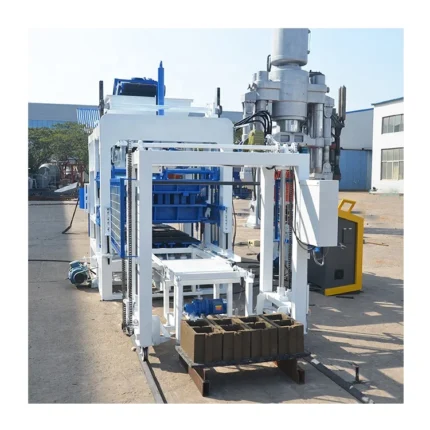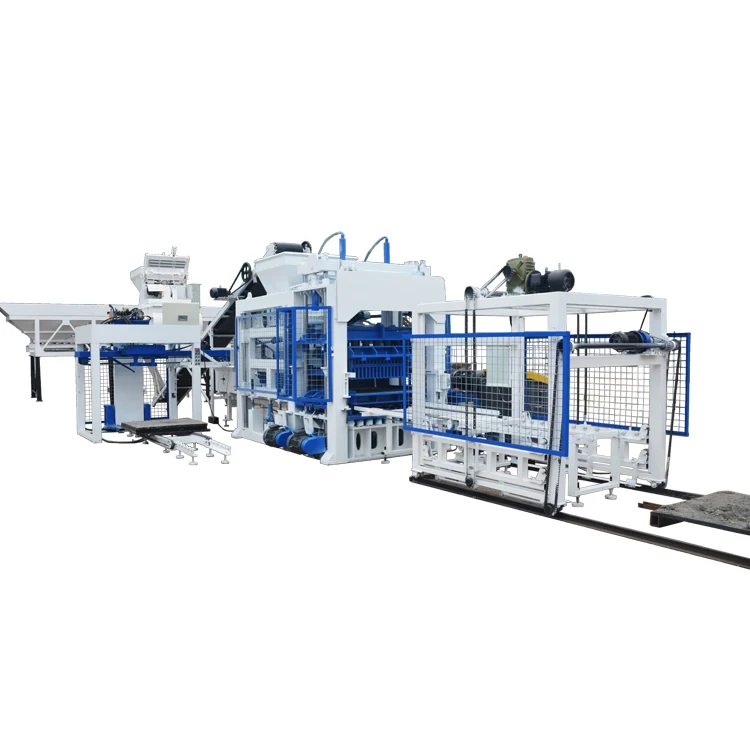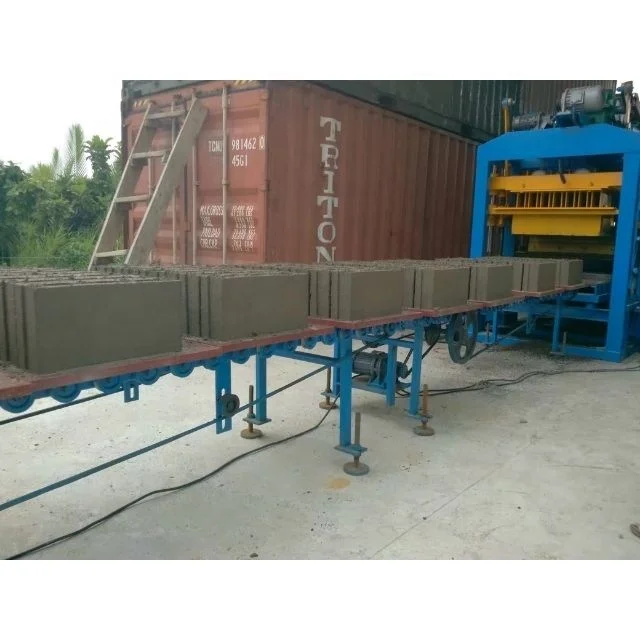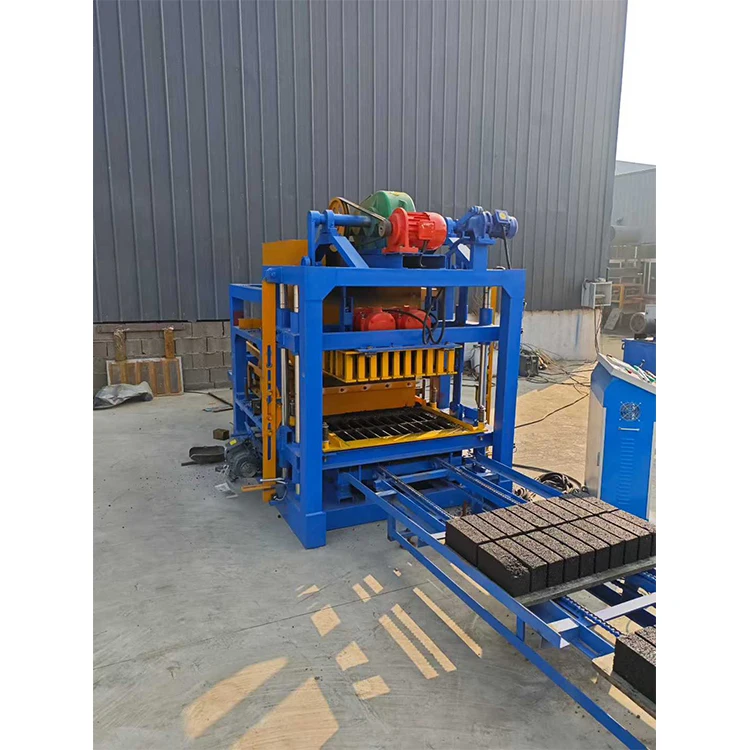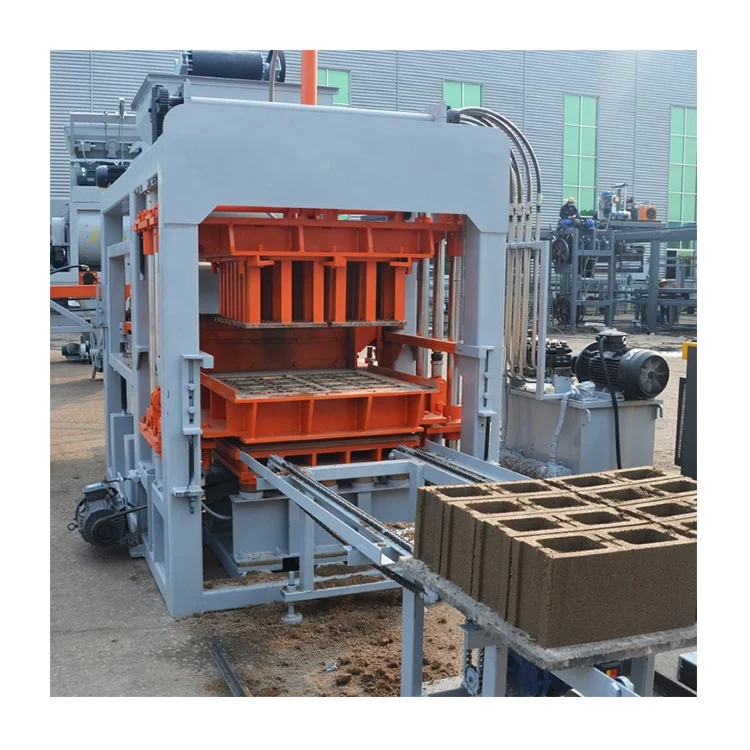
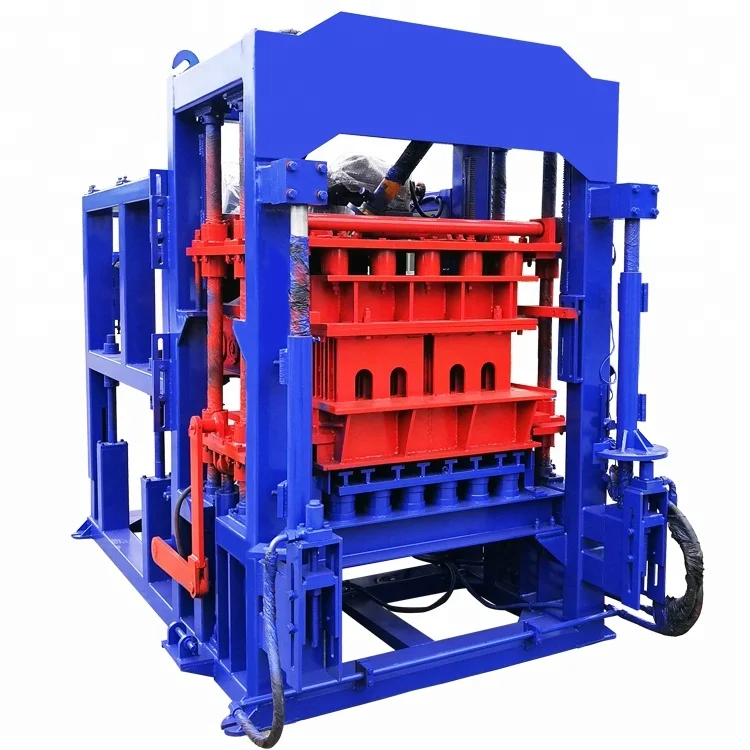
Description
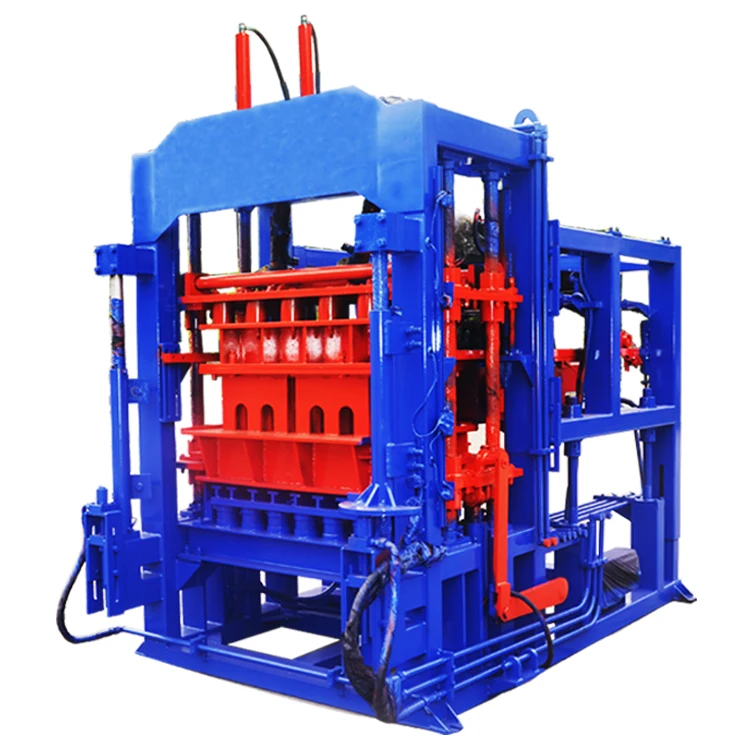
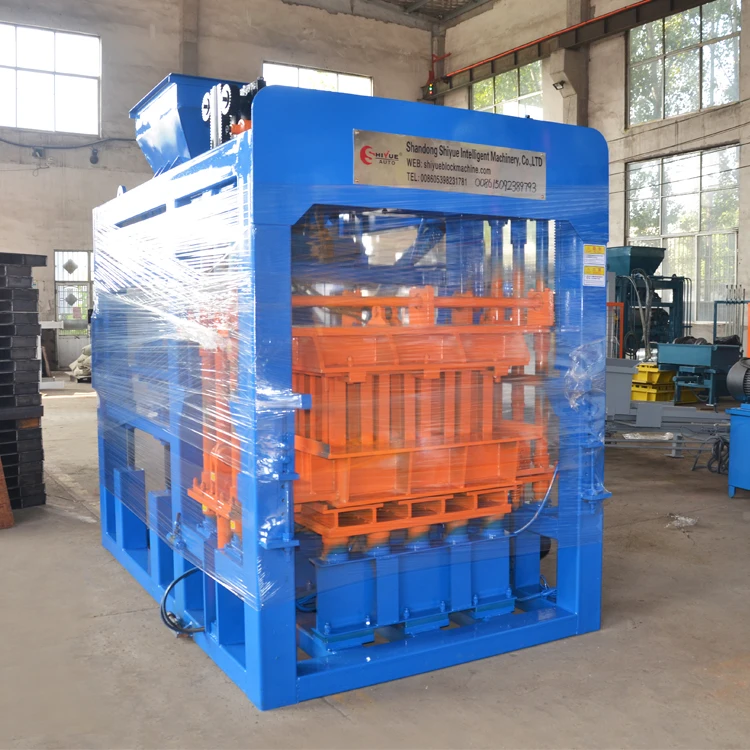
Matched System Logic — The QT6-15 is configured around the buyer’s actual mix design and local aggregate, ensuring PLC parameters and hydraulic pressure align with real raw materials rather than catalogue defaults.
Technical Specifications
| Parameter | Value |
|---|---|
| Model | QT6-15 |
| Product Type | Automatic Concrete Block Making Machine |
| Rated Power | 31.25 kW |
| Voltage & Frequency | Configurable to buyer’s local supply (confirm before order) |
| Control System | PLC intelligent control with HMI, logic control, malfunction diagnosis, remote control function |
| Overall Dimensions (L×W×H) | 7100 × 1500 × 3000 mm |
| Net Weight | 8500 kg |
| Moulding Cycle | 15–20 seconds |
| Hydraulic Pressure | 16–21 MPa |
| Main Vibration Form | Platform vibration |
| Pallet Size | 850 × 680 mm |
| Output (Hollow Block 400×200×200mm) | 6 pcs/mould, 16–20s cycle, 8640 pcs/day |
| Output (Porous Block 240×115×90mm) | 14 pcs/mould, 15–18s cycle, 22400 pcs/day |
| Output (Standard Block 240×115×53mm) | 30 pcs/mould, 14–17s cycle, 54400 pcs/day |
| Automation Level | Full automatic (PLC controlled) |
| Raw Materials | Crushed stone, sand, cement, dust, fly ash, gravel, slag |
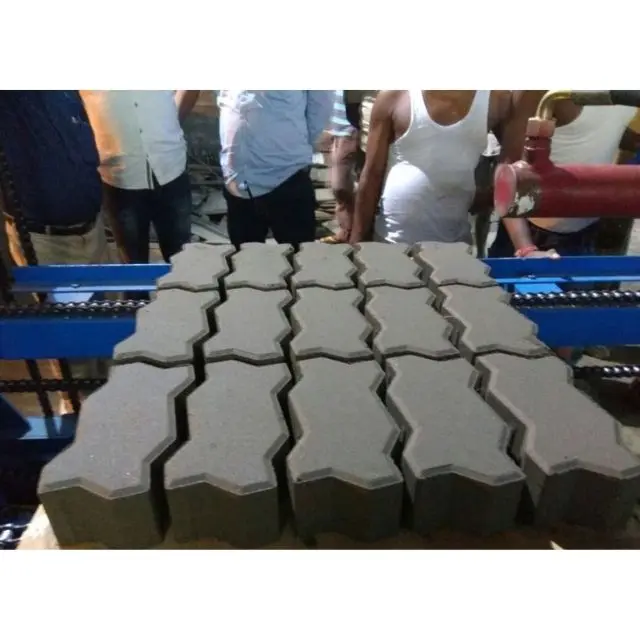
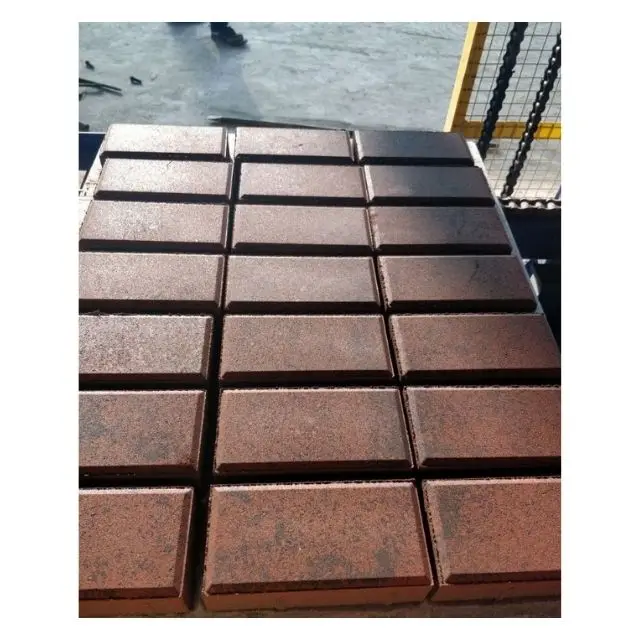
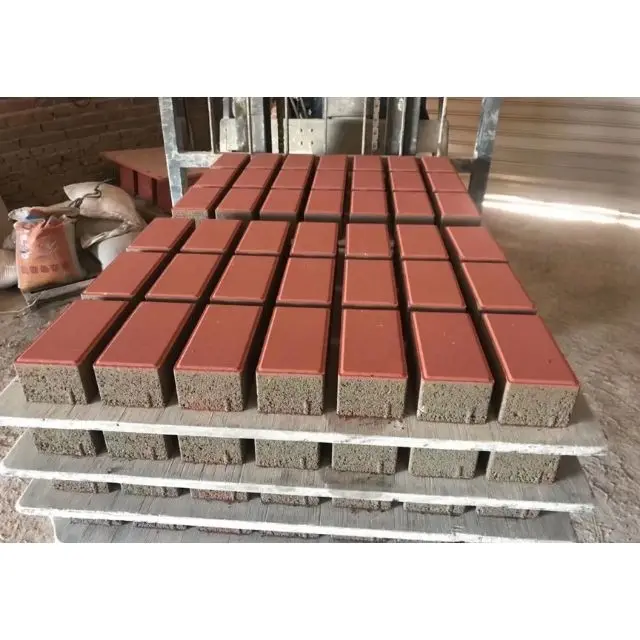
| Applied Products | Concrete blocks, hollow/solid blocks, pavers, interlocking blocks, curbstone, colored pavers |
Application Suitability
| Application | Material or Output |
|---|---|
| Hollow block production for building walls | Crushed stone, sand, cement, fly ash |
| Standard solid brick manufacturing | Gravel, sand, cement, slag |
| Porous block production for insulation | Cement, lightweight aggregates, dust |
| Interlocking paver production | Crushed stone, sand, cement, pigment (with optional face-color feeder) |
| Curbstone and kerb production | Coarse aggregate, sand, cement |
Why "Cycle Time" Means Nothing Without the Block Format
Real capacity depends on the specific block dimensions, mould cavity count, and the mix design being pressed — not a single headline number.
I once watched a plant owner quote a "15-second cycle" and expect the same daily volume across hollow blocks and solid pavers. The truth is, a 400×200×200mm hollow block needs six cavities per mould and a longer vibration window to fully compact the deep cores, while a 240×115×53mm standard brick fills thirty cavities in a shorter stroke. The automatic QT6-15 block machine PLC controlled system stores different cycle programs, but the physical mould and the material behaviour still govern the achievable rhythm. Buyers who skip the format-specific calculation end up with a machine that runs perfectly but never hits the volume they planned for [NEED_CITE: block format impact on cycle time and daily output].
What the PLC Actually Takes Over
The PLC on the QT6-15 handles more than start-stop commands. It runs complete logic sequences: raw material feed timing, vibration duration, hydraulic pressure ramp, mould release, and pallet advance. When a fault occurs — a jammed pallet, a pressure drop, a sensor miss — the malfunction diagnosis system flags the exact station on the HMI screen so the operator does not have to trace wiring. This removes the guesswork that causes inconsistent block density when operators manually adjust timing between shifts.
Remote Diagnostics and the Upgrade Path
Remote control capability lets the supplier’s engineer view the PLC state over a network connection, which matters when a new plant is ramping up and the local team has not yet seen every fault code. For buyers currently running semi-automatic lines, the QT6-15 control architecture supports adding automatic pallet feeding and stacking later, so the initial investment does not have to cover the entire automation scope at once [NEED_CITE: PLC remote diagnostics for block making machinery].
How Pressure and Vibration Shape Block Density
Hydraulic pressure in the 16–21 MPa range works together with platform vibration to compact the concrete mix. The vibration liquefies the material so it flows into every corner of the mould, while the hydraulic cylinder applies downward force to squeeze out air and lock the aggregate into a dense matrix. If the pressure is set too high for a lightweight mix, the block cracks on release; too low, and the block crumbles during pallet handling. The adjustable range lets the operator dial in the right balance for local sand gradation and cement content. The pallet size of 850 × 680 mm also dictates how many blocks cure per rack, which must match the existing forklift and curing area dimensions.
The Hidden Cost of Skipping Automation Details
When a quotation lists "full automatic" but does not specify whether pallet feeding, stacking, and cubing are included, the buyer often discovers that three workers per shift are still needed to move wet blocks by hand. The labour cost erases the savings of buying the press alone. Similarly, if the PLC display language is not confirmed before shipment, the operator faces an interface in an unfamiliar script, and the first week of production becomes a trial of button-pushing rather than controlled running [NEED_CITE: automation scope and labour planning in block plants].
Why Buyers Source the QT6-15 Here
Block machinery is the single focus of this operation, which means the press, mould, pallet, and handling equipment are specified as one matched set rather than sourced from separate vendors. The configuration is set against the buyer’s actual mix design and target block format, not pulled from a catalogue default. Mould design covers the formats the local market sells, and custom drawings are accepted. Automation level is selectable, allowing a start with semi-automatic pallet handling and an upgrade later. Installation support includes operator training so the team knows how to read PLC fault codes and adjust cycle parameters before the engineer leaves the site.
Documentation & Verification
- Machine specification sheet listing rated power, hydraulic pressure, and pallet dimensions
- PLC I/O list and logic flow diagram for buyer’s maintenance team
- Factory test record with cycle time verified on buyer’s target block format
- Voltage and frequency confirmation sheet signed before production starts
- Hydraulic and electrical schematic for on-site troubleshooting
Installation, Commissioning & Support
- Foundation plan sized to the 7100 × 1500 mm footprint and 8500 kg operating weight
- Dedicated power circuit for the 31.25 kW rated load at confirmed local voltage
- PLC language and HMI labels set to operator preference before dispatch
- First-run cycle tuning on buyer’s raw material mix to set vibration and pressure
- Operator training on mould change procedure and fault code interpretation
- Wear parts list with hydraulic seal and vibration motor replacement intervals
What We Need to Quote Accurately
Send the target block formats you plan to produce, the daily volume expected per format, and a sample description of your local sand, aggregate, and cement. Include your site voltage and frequency, preferred PLC display language, and whether you already have pallet racks and forklifts on site. If you are replacing an existing press, note the current pallet size so the new line can integrate with your curing area.
Frequently Asked Questions
Q: How is the PLC configured and what language options are available for the HMI display?
A: The PLC is programmed with logic sequences for each block format, and the HMI language is set before shipment based on buyer confirmation. Available languages depend on the PLC manufacturer’s library, so specify your operator’s preferred language during the inquiry stage to avoid delays at commissioning.
Q: What automation functions are included as standard versus optional on the QT6-15?
A: The PLC control, platform vibration, and hydraulic press cycle are standard. Automatic pallet feeding, stacking, and cubing depend on the configuration selected. Confirm which stations you need in the quotation so the line layout and labour plan match your expectations.
Q: Can the QT6-15 be upgraded later if I start with semi-automatic pallet handling now?
A: Yes. The control architecture allows adding automatic pallet feeding and stacking modules after the initial installation. The PLC program can be updated to include the new stations, and the mechanical interfaces are designed to accept them without replacing the main press frame.
Q: How does the PLC control system ensure cycle-to-cycle consistency in block density?
A: The PLC locks vibration duration, hydraulic pressure ramp, and feed timing into a stored recipe for each mould. Every cycle runs the same sequence, removing manual variation. If a parameter drifts outside the set window, the malfunction diagnosis system pauses the press and alerts the operator.
Q: What is the mould change procedure and does the PLC store preset programs for different formats?
A: The mould is bolted to the vibration table and connected to the hydraulic release cylinder. Change time depends on the mould size and the tools available on site. The PLC stores a separate cycle recipe for each mould, so once the new tooling is in place, the operator selects the program and the machine adjusts timing and pressure automatically.