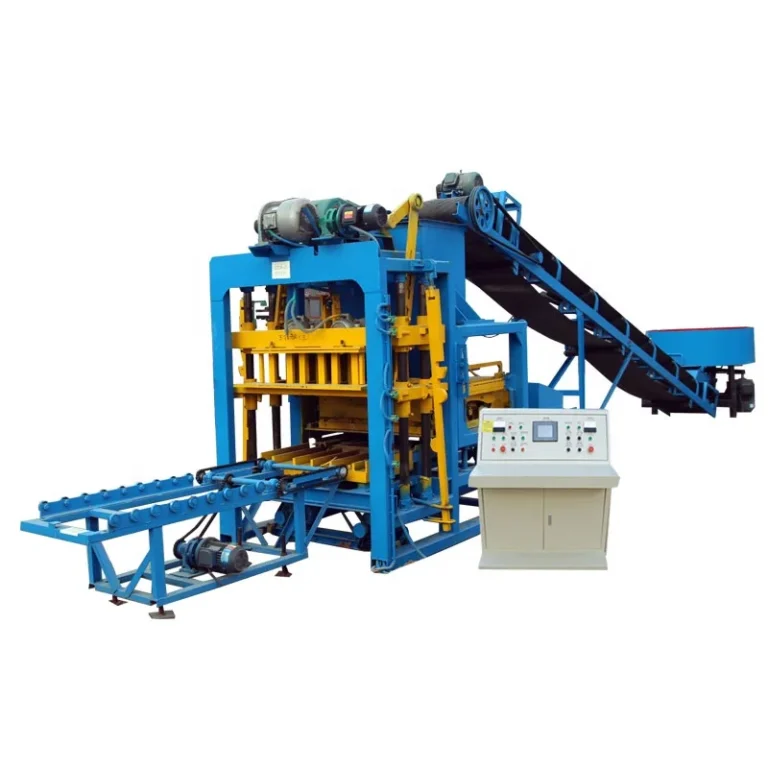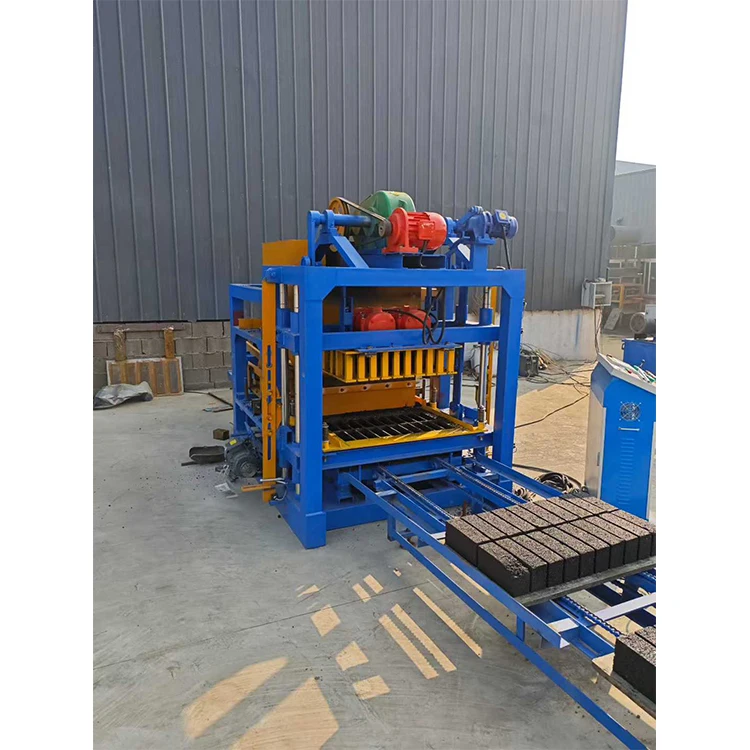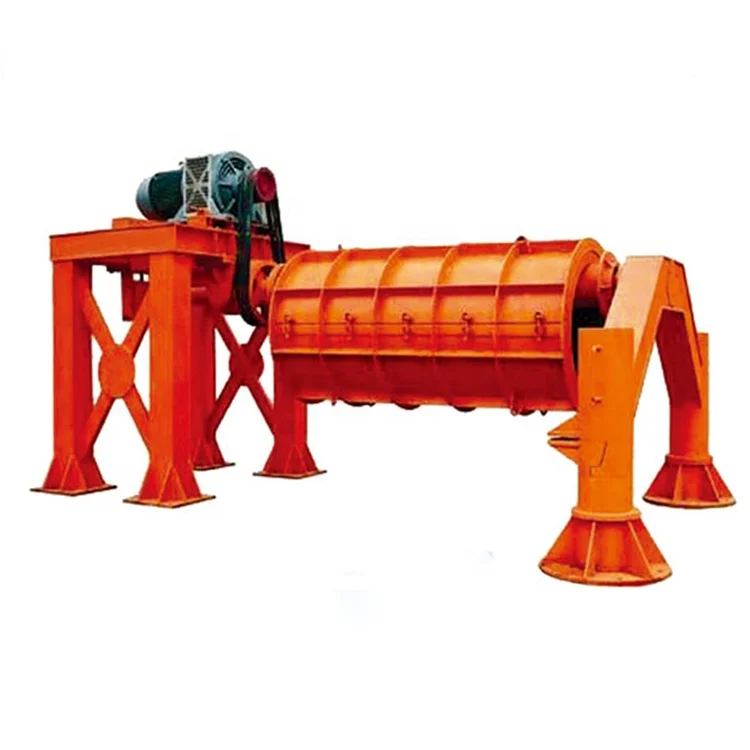
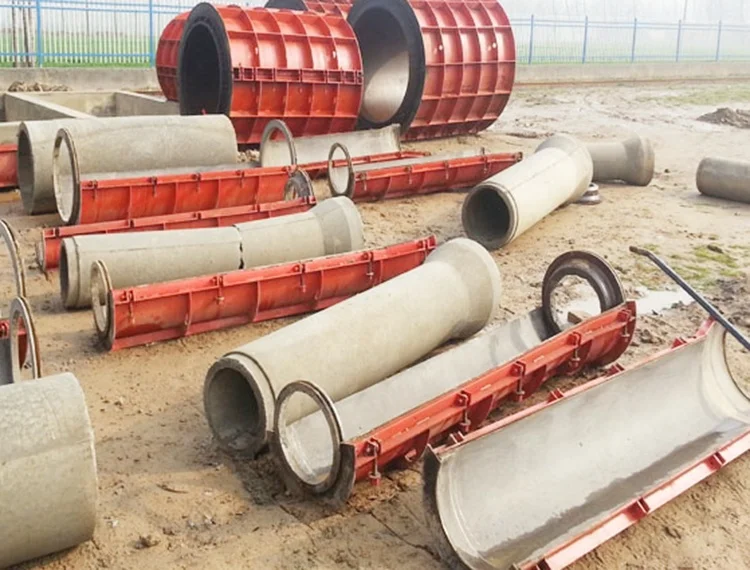
Description
Forming Cycle Control — PLC logic locks roller speed, compaction duration and feeding sequence into a repeatable program, removing operator guesswork from every pipe cast between 300mm and 2500mm diameter.
Technical Specifications
| Parameter | Value |
|---|---|
| Product Type | Concrete Pipe Making Machine |
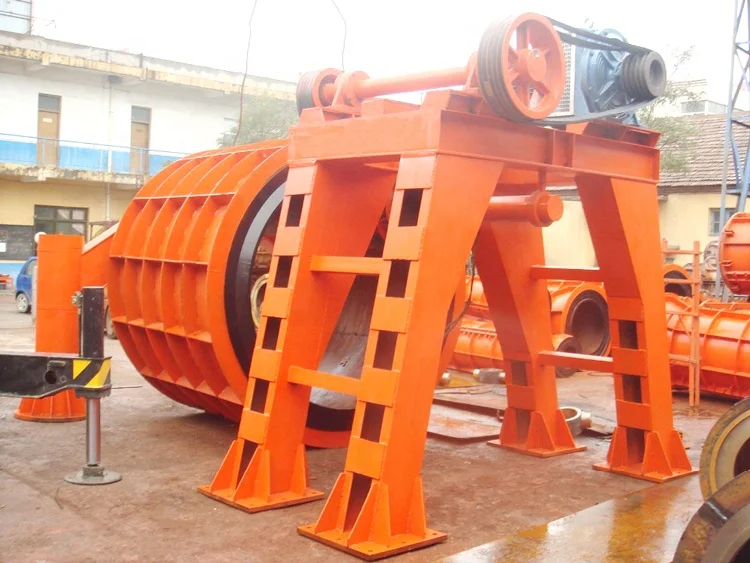
| Machine Type | Suspension Roller type |
| Pipe Diameter Range | 300–2500 mm |
| Pipe Length Range | 2–4 meters |
| Pipe Joint Options | Flush joint, socket & spigot joint |
| Cycle Time | 3–5 minutes per pipe (basis not stated in source — confirm pipe diameter / wall thickness / concrete mix) |
| Forming Principle | Centrifugal force + roller compaction |
| Material Type | Dry cast concrete |
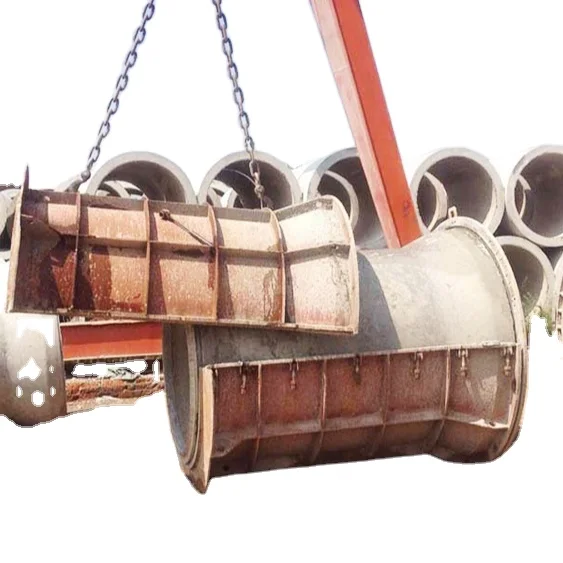
| Mould Type | Customized concrete pipe mould |
| Noise Level | 80–90 dB |
| Control System | Available with PLC or relay-based control (to be confirmed at inquiry) |
| Voltage & Frequency | Configurable to destination site (to be confirmed at inquiry) |
| Automation Level | Selectable from semi-automatic to fully PLC-controlled line |
Application Suitability
| Application | Material or Output |
|---|---|
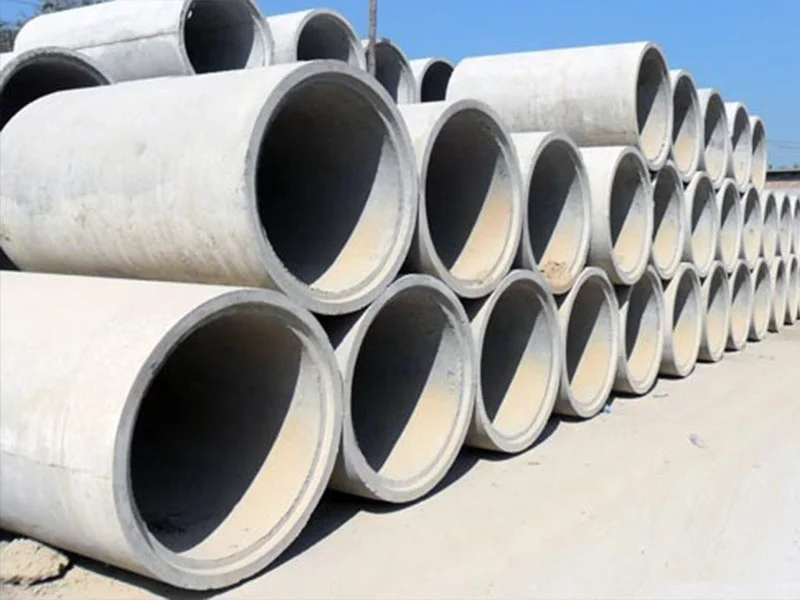
| Reinforced concrete pipe production | Dry cast concrete with steel cage reinforcement for pressure-rated drainage and culvert pipes |
| Pre-stressed concrete pipe production | High-strength dry cast mix with pre-tensioned wire winding for large-diameter water transmission |
| Municipal drainage systems | Socket & spigot joint pipes for gravity-flow sewer and stormwater networks |
| Agricultural field irrigation | Flush joint pipes for low-pressure field distribution lines |
| Road culvert construction | Large-diameter reinforced pipes for highway and railway cross-drainage |
| Deep water well casing | Concentric-wall pipes with consistent density for borehole lining |
What a "3-Minute Cycle" Actually Depends On
Cycle time only holds when the PLC program matches your mix design, pipe diameter and wall thickness — not a catalogue default.
Buyers often see a single cycle-time figure quoted without the diameter or mix assumption behind it. A 300mm pipe with a thin wall may cast within the lower end of the 3–5 minute window, while a 2500mm reinforced pipe with a dense mix demands a longer compaction sequence. When the PLC controlled concrete pipe making machine arrives with a fixed program that does not account for local aggregate gradation, the first week of production is spent rewriting cycle parameters instead of making pipe. I have watched crews in East Africa stand idle while we loaded new recipes onto the HMI because the original program assumed river sand that was simply not available on site [NEED_CITE: aggregate gradation impact on centrifugal compaction time].
Locking the Forming Sequence into Repeatable Logic
On a manual or relay-controlled pipe machine, the operator decides when to ramp roller speed, when to feed concrete and when to stop. Batch-to-batch wall density then depends entirely on that operator’s attention span halfway through a shift. A PLC controlled concrete pipe making machine replaces those decisions with timed stages: low-speed distribution, high-speed compaction, and a controlled deceleration phase. Each stage is stored as a recipe selectable by pipe diameter, so a changeover from 600mm to 1200mm is a screen tap, not a negotiation between the foreman and the feeding crew.
Synchronising Upstream Batching with Roller Station Timing
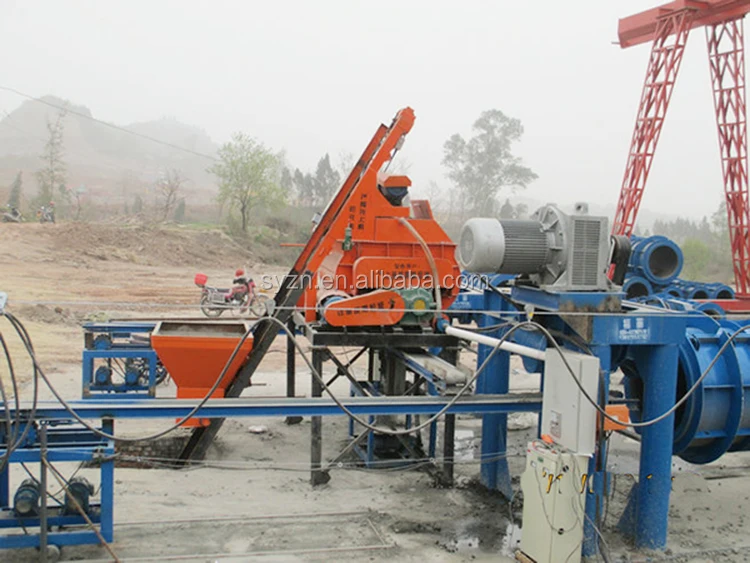
The press cannot hold a consistent cycle if the mixer delivers concrete in irregular intervals. The batching station must discharge a measured charge within the window the PLC opens between mould loading and roller start. When that window is missed, the roller idles or — worse — starts compacting a half-charged mould, producing a pipe with a thin section that fails the hydrostatic test later. Line-level automation ties the batching weigh hopper, the conveyor gate and the roller station into one interlocked sequence, so the press is never left waiting or catching an incomplete charge [NEED_CITE: PLC interlock logic for concrete pipe line synchronization].
Reading the Specs That Actually Shape Output
Pipe diameter range of 300–2500mm determines the mould inventory you must hold and the roller shaft length the machine frame must accommodate. Larger diameters demand longer moulds, heavier cages and a wider roller bearing span — so a machine quoted for the full range must be checked for the shaft and bearing specification at the upper end, not only the lower.
Forming principle — centrifugal force plus roller compaction — means wall density is a function of roller RPM and contact time. Dry cast concrete has zero slump; it only consolidates under sustained centrifugal load. If the roller RPM is too low for the selected diameter, the inner wall remains porous.
Noise level of 80–90 dB places the machine within the range where hearing protection is mandatory but enclosures are not yet required by most municipal noise ordinances. For a plant next to a residential boundary, an acoustic screen around the roller station may still be necessary during early-morning shifts [NEED_CITE: industrial noise limits for concrete plants near residential zones].
Cycle time of 3–5 minutes per pipe sets the theoretical rhythm of the line, but the actual daily output depends on which diameter and wall thickness that figure assumes. Always request the capacity calculation stated per pipe format before comparing quotations.
The Hidden Cost of Skipping the Voltage Conversation
Voltage, frequency and control language are the three specifications most often left blank until the machine is already crated. A PLC panel wired for 380 V / 50 Hz will not energise correctly on a 440 V / 60 Hz site, and an English-language HMI is useless if the operators on the floor read only French or Swahili. The cost of rewiring a control cabinet on site and flying in a technician to reload language packs routinely exceeds the price difference between a semi-automatic and a fully automated line. I once spent four days in a West African port city swapping contactors and re-terminating motor leads because the voltage was assumed rather than confirmed. Commissioning delays from mismatched electrical specs are entirely preventable if the conversation happens before production starts [NEED_CITE: voltage and frequency standards by export market].
Why Buyers Specify the Automation Level Here
Block machinery is our single focus, so the pipe machine, its moulds, the pallet handling and the curing rack system are specified as one matched set rather than sourced from separate vendors. The PLC configuration is written against your actual pipe diameter schedule, joint type and local aggregate — not a catalogue default recipe. Mould design covers the flush joint and socket & spigot joint formats your project requires, with dimensional drawings issued before fabrication. Automation level is selectable: a buyer can start with relay-controlled roller cycling and upgrade to full PLC line interlock later without replacing the press. Installation support includes on-site commissioning, operator training on the HMI and a documented maintenance schedule tied to the roller bearings, mould shells and hydraulic fittings that wear first.
Documentation & Verification
- Line layout showing batching, roller station, mould handling and curing rack with cycle times matched per pipe diameter
- PLC program printout listing stage durations, roller RPM setpoints and alarm thresholds for each pipe recipe
- Factory test record demonstrating pipe wall density and dimensional tolerance under the buyer’s selected mix
- Voltage, frequency and HMI language confirmation sheet signed off before control cabinet wiring
- Mould drawing package with joint profile dimensions and steel cage clearance for each diameter ordered
- Wear parts list with replacement intervals for roller bearings, mould shells and feed gate liners
Installation, Commissioning & Support
- Foundation plan sized to the roller shaft span and dynamic load of the largest mould in your diameter range
- Dedicated electrical circuit matching confirmed voltage and frequency, with phase rotation checked before motor start
- Roller station and mould cradle shipped partially assembled to fit standard container loading dimensions
- First-pipe commissioning run with PLC recipe tuned to your local aggregate and target wall thickness
- Operator training on recipe selection, alarm response and emergency stop sequence at the HMI panel
- Spare roller bearings and mould shell liners stocked for the initial production period before local supply chain is established
What We Need to Size Your Line Correctly
Tell us the pipe diameters and wall thicknesses your project schedule calls for, the joint type required by the specifying engineer, and the daily linear meter target per diameter. Share your local aggregate source and any available sieve analysis so the mix can be matched before the PLC recipes are written. Confirm the site voltage, frequency and the language your operators read on a screen — these three items decide whether commissioning takes days or weeks.
Frequently Asked Questions
Q: Can the roller forming cycle be fully PLC-controlled, and what is the upgrade path from semi-automatic?
A: Yes. The PLC controlled concrete pipe making machine stores each pipe diameter as a separate recipe with staged roller RPM and timed compaction. A semi-automatic line can be upgraded by adding the PLC cabinet and interlocking the batching station and mould handling without replacing the press or roller assembly.
Q: How is the control system language and voltage confirmed before shipment?
A: A confirmation sheet listing voltage, frequency, phase and HMI display language is signed off before the control cabinet is wired. We program the PLC with the agreed language pack and run a dry-cycle factory test so the buyer can verify screen prompts before the machine leaves the floor.
Q: How does the batching station synchronise with the roller cycle to prevent press idle time?
A: The PLC interlocks the weigh hopper discharge gate with the mould loading position. The mixer discharges a measured charge only after the mould is clamped and the roller is ready to start, eliminating partial charges and idle gaps between pipes.
Q: Can mould changeover between pipe diameters be automated, and what is realistic changeover time?
A: Mould change involves releasing the clamping bolts, lifting the mould shell with an overhead crane and seating the next diameter. The PLC stores the new recipe so the roller parameters update instantly, but the physical swap depends on crane availability and crew practice on site.
Q: What remote diagnostics are available for ongoing production consistency?
A: The PLC can be fitted with a communication module that transmits cycle logs, alarm history and roller RPM trends over a site network. This allows off-site review of batch-to-batch compaction consistency without a technician visit.