

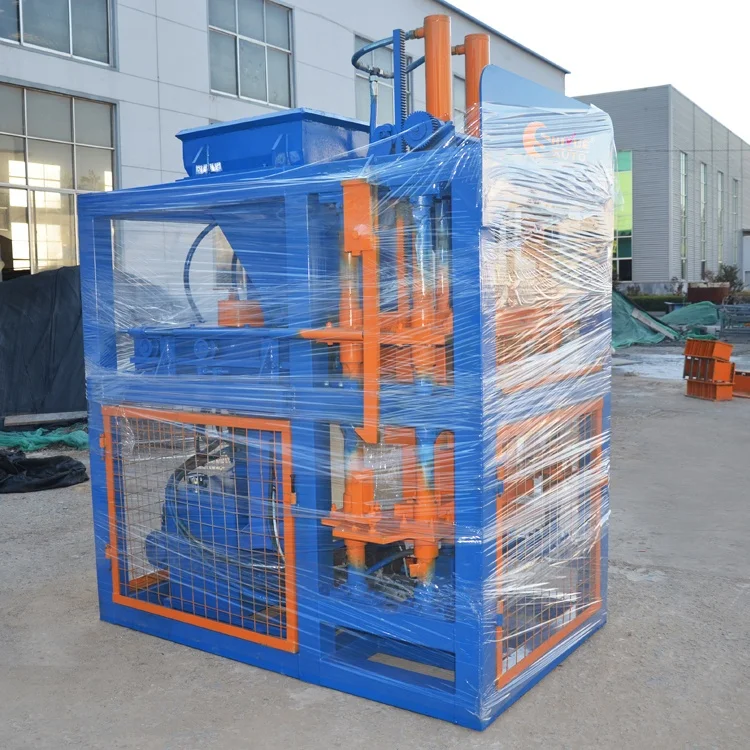
Description
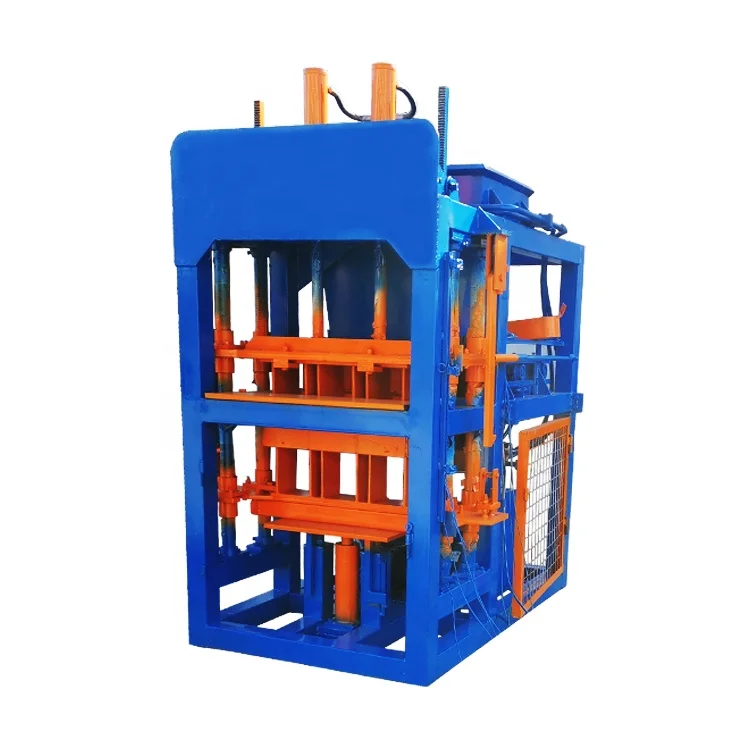
Automated Control Configuration — The LY4-10 removes manual pressing and lifting variables from the operator through programmable hydraulic cycling, so block density depends on the mix and the settings you dial in, not on who is running the shift.
Technical Specifications
| Parameter | Value |
|---|---|
| Model | LY4-10 |
| Product Type | Hydraulic Interlocking Block Making Machine |
| Rated Power | 11 kW |
| Hydraulic Pressure | 25–32 MPa |
| Molding Cycle | 7–10 seconds (basis not stated in source — confirm block format, material, and thickness) |
| Output per Cycle | 4 pcs |
| Net Weight | 1500 kg |
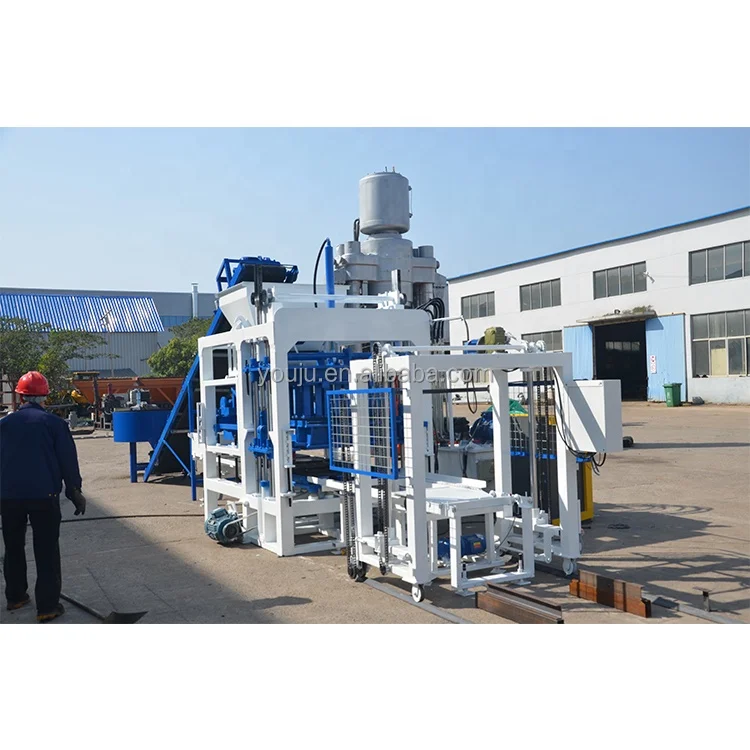
| Overall Dimensions (L×W×H) | 2260 × 1500 × 2380 mm |
| Voltage | Customized to buyer’s local voltage (value to be confirmed before production) |
| Control System | PLC-based automatic operation with material feeding, mould pressing, and mould lifting (brand and model to be confirmed) |
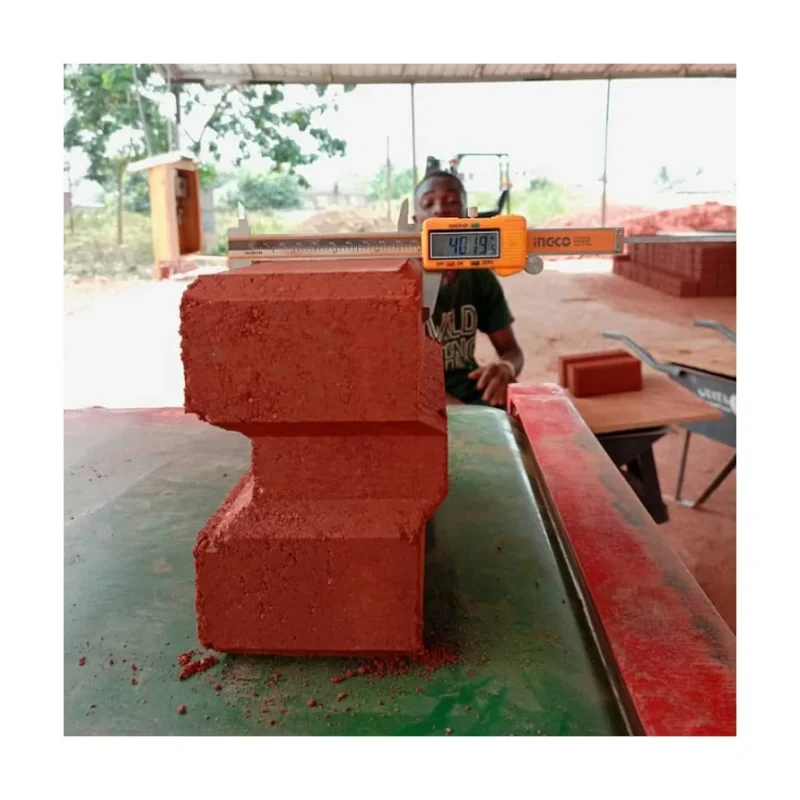
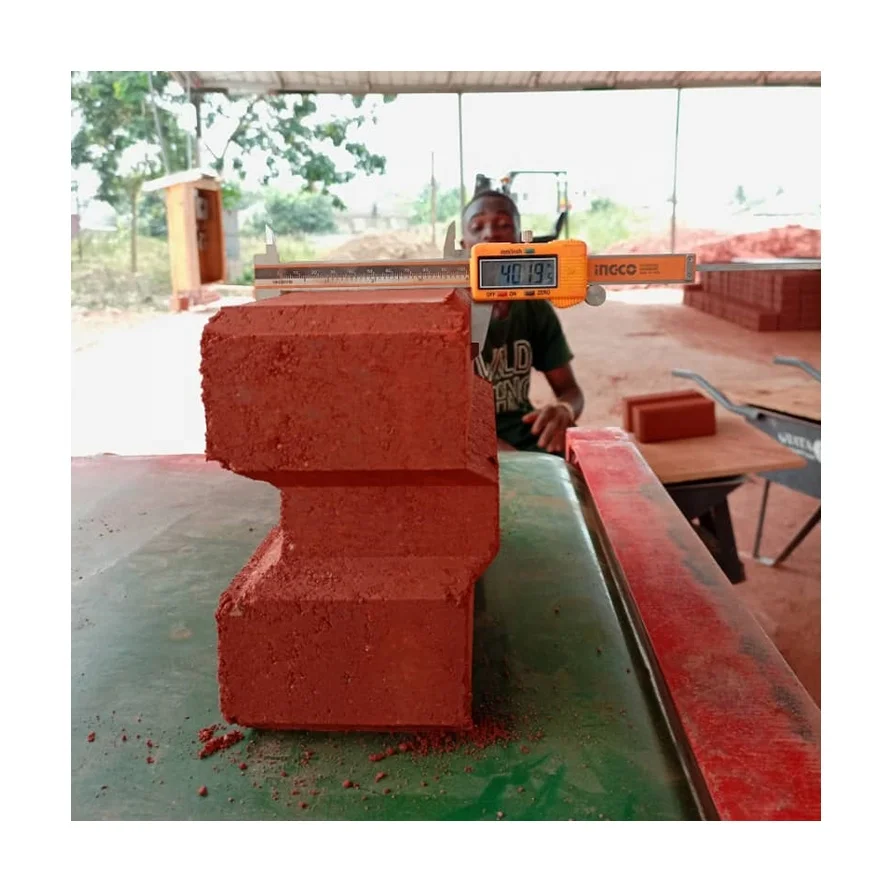
| Mould Format | Interlocking clay or cement brick (specific dimensions to be confirmed) |
| Warranty | 1 year (excluding wearing parts) |
Application Suitability
| Application | Material or Output |
|---|---|
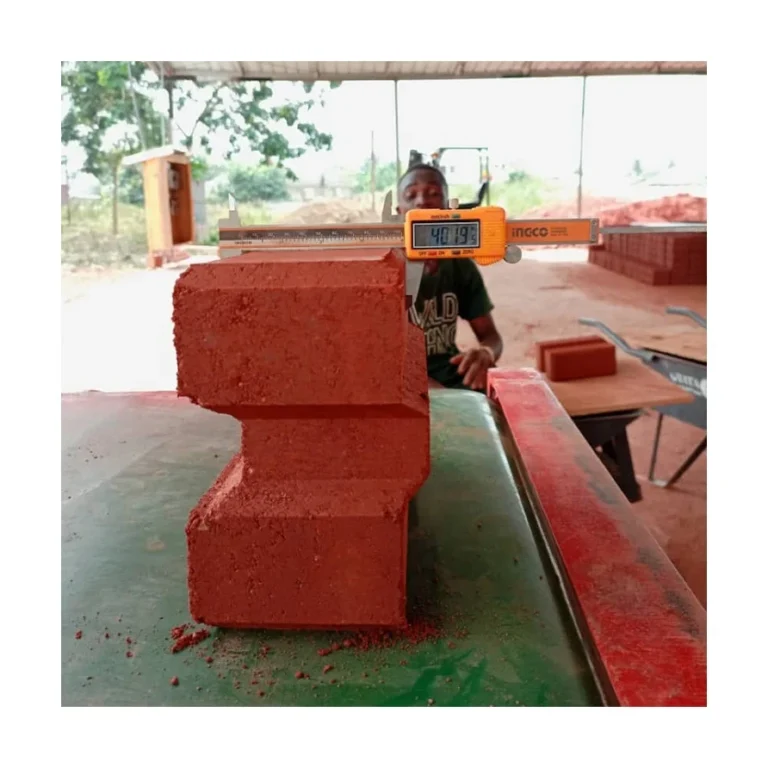
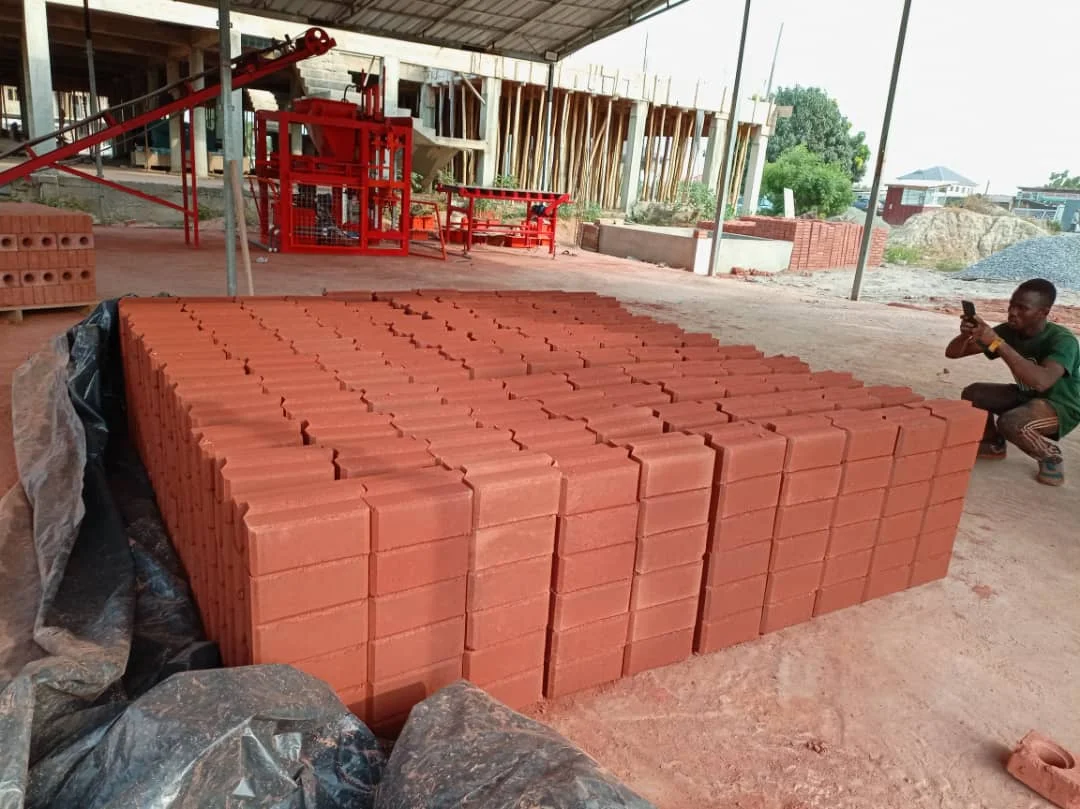
| Interlocking clay brick production | Local clay blended with stabilizer for compressed earth formats |
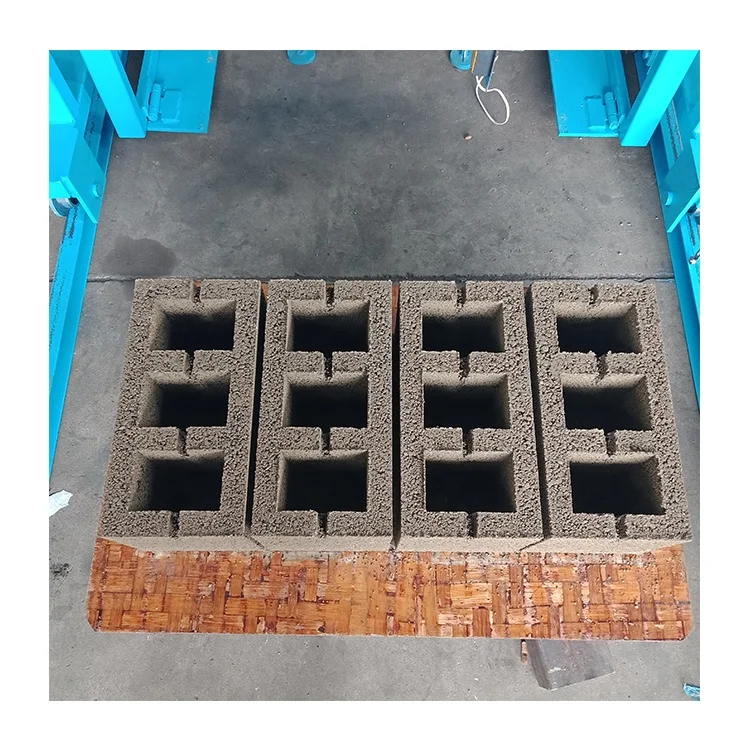
| Interlocking cement brick production | Cement-aggregate mix targeting structural wall formats |
| Compressed earth block (CEB) production | Soil-cement blends for ecological building projects |
| Small-investment brick enterprises | Entry-level hydraulic pressing for regional supply |
What "Automatic" Actually Means on the Shop Floor
An automatic interlocking block machine PLC controlled system eliminates the two steps where human inconsistency causes the most damage — pressing force and mould release — but leaves pallet handling, stacking, and curing logistics in your hands unless the line is specified beyond the press itself.
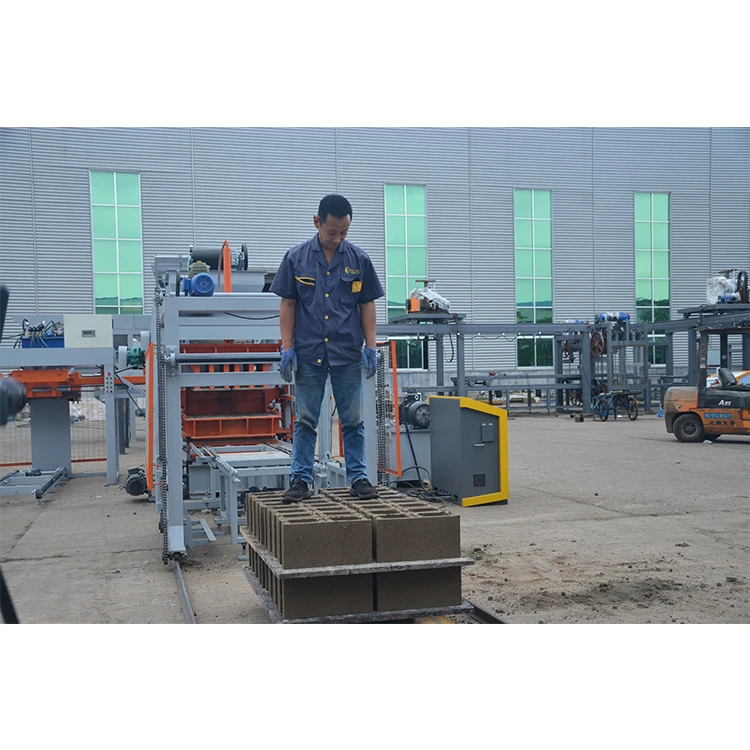
Buyers often assume "automatic" covers the entire workflow from raw material to stacked pallet. In reality, the LY4-10 automates material feeding into the mould cavity, the hydraulic pressing stroke, and mould lifting after compression. What happens between cycles — pallet exchange, wet block transport, stacking height, curing rack loading — still requires either manual labour or additional line equipment. I have seen plant owners arrive at commissioning expecting a finished pallet stack, only to find four freshly pressed blocks sitting on a mould plate with nowhere to go [NEED_CITE: typical automation scope boundaries for single-press block lines].
Where the PLC Actually Earns Its Keep
The control system on this automatic interlocking block machine PLC controlled platform manages the hydraulic pressure profile across each stroke. That means the 25–32 MPa range is not a single setting but a programmable curve — initial low-pressure fill, main compression dwell, and decompression release. Consistency across a ten-hour shift comes from the PLC repeating that curve identically every cycle, which no manual lever operation can sustain once operator fatigue sets in.
What the Operator Still Has to Do
Between each 7–10 second press cycle, the operator manually positions the next pallet and removes the pressed block assembly. On a single-shift operation, that rhythm becomes predictable, but it also defines your labour requirement. The PLC does not watch for misaligned pallets or partially filled moulds — if the material feed chute bridges or the pallet is off-centre, the machine will press regardless. Training operators to recognize feed issues before the cycle starts is part of commissioning, and it matters more than any automation spec [NEED_CITE: operator error patterns in semi-automatic block production].
Pressure, Power, and What They Mean for Your Mix
The 25–32 MPa hydraulic pressure range determines which soil-cement ratios can achieve target block density without lamination or edge spalling. Higher pressure compacts finer clay blends effectively but can fracture mixes with coarse aggregate if the mould fill is uneven. The 11 kW motor rating must deliver that peak hydraulic pressure while simultaneously running the material feed mechanism — confirming your site’s voltage stability under load is part of the pre-shipment electrical survey. A machine rated for 380V three-phase will draw noticeably different current at startup than at steady-state pressing, and undersized supply cables cause pressure drops that show up as weak blocks three weeks after commissioning.
The Cost of Skipping the Voltage Conversation
Voltage confirmation sounds like a paperwork detail until a machine wired for 50 Hz arrives in a 60 Hz market. The motor spins faster, the hydraulic pump delivers higher flow, the cycle time shortens — and the mould does not fill completely before compression starts. I have traced entire batches of undersized interlocking bricks back to this single oversight. The LY4-10’s voltage is configurable, but the configuration has to happen before the electrical panel is assembled, not after the container is loaded [NEED_CITE: voltage and frequency mismatch consequences in exported machinery].
Why Procurement Through a Line-Integrated Supplier Matters
Block machinery is the single focus here, which means the LY4-10 is specified alongside its mould, pallet dimensions, and handling equipment as one matched set rather than sourced from separate vendors and assembled on site. The automation level is selectable — a buyer can start with the press automating feeding, pressing, and lifting, then add automatic pallet feeding and stacking as volume justifies the investment. Configuration is set against the buyer’s actual clay or cement mix and target interlocking format, not pulled from a catalogue default. Mould design covers the formats the buyer’s market sells, and custom drawings are accommodated. Installation support includes commissioning against the buyer’s local aggregate, not just a mechanical bolt-down.
Documentation & Verification
- Line layout showing LY4-10 footprint with pallet exchange zone and curing rack flow
- Machine specification sheet confirming hydraulic pressure range and PLC configuration
- Mould drawing listing interlocking format dimensions and cavity count
- Voltage, frequency, and PLC display language confirmation record before assembly
- Factory test record on the buyer’s confirmed block format before dispatch
- Operation manual with hydraulic and electrical schematics for on-site maintenance
Installation, Commissioning & Support
- Foundation pad sized for the 2260 × 1500 mm footprint with anchor bolt pattern for 1500 kg static load
- Dedicated three-phase circuit rated for 11 kW continuous draw plus startup surge margin
- Machine shipped assembled with mould installed — hydraulic lines pressure-tested at factory
- On-site commissioning includes pressure curve adjustment against the buyer’s confirmed soil-cement mix
- Operator training covers PLC cycle monitoring, feed chute clearing, and pallet alignment checks
- Wear parts list provided with mould liner and hydraulic seal replacement intervals
Before You Request a Quote
Confirm the interlocking block format dimensions you intend to produce, the local clay or aggregate type available, your site voltage and frequency, and the PLC display language your operators need. Specify whether pallet handling and stacking will be manual or if you need those stations quoted as part of the line.
Frequently Asked Questions
Q: How do I verify the realistic daily output from the 7–10 second cycle time?
A: That cycle time applies to a single press stroke under conditions not yet defined in the source documentation. Request a capacity calculation that names the specific interlocking block format, material density, and pallet exchange method assumed — only then does the cycle time translate into a meaningful shift output figure you can plan around.
Q: Can the PLC display language and motor voltage be set before shipment?
A: Yes, but both must be confirmed during the quotation stage. The PLC display language is programmed before the panel is sealed, and the motor winding configuration is set during assembly. Changes after factory testing mean rewiring or reprogramming that delays dispatch.
Q: Which automation steps are included and which still need manual labour?
A: The LY4-10 automates material feeding into the mould, hydraulic pressing, and mould lifting. Pallet exchange between cycles, wet block transport to the curing area, stacking, and curing rack handling remain manual unless additional line equipment is specified and quoted separately.
Q: Is there an upgrade path to full pallet automation on this platform?
A: Adding automatic pallet feeding and stacking is possible as a line expansion, but it requires matching the pallet dimensions, curing rack configuration, and cycle timing to the press output. Discuss the upgrade scope during initial specification so the foundation and electrical capacity accommodate future additions.
Q: How is the 25–32 MPa pressure range matched to my local soil mix?
A: During commissioning, the hydraulic pressure curve is adjusted against test blocks made from your confirmed clay-cement blend. Target density, demoulding strength, and edge integrity are evaluated across the pressure range to identify the optimal setting, which is then saved in the PLC as the production recipe.