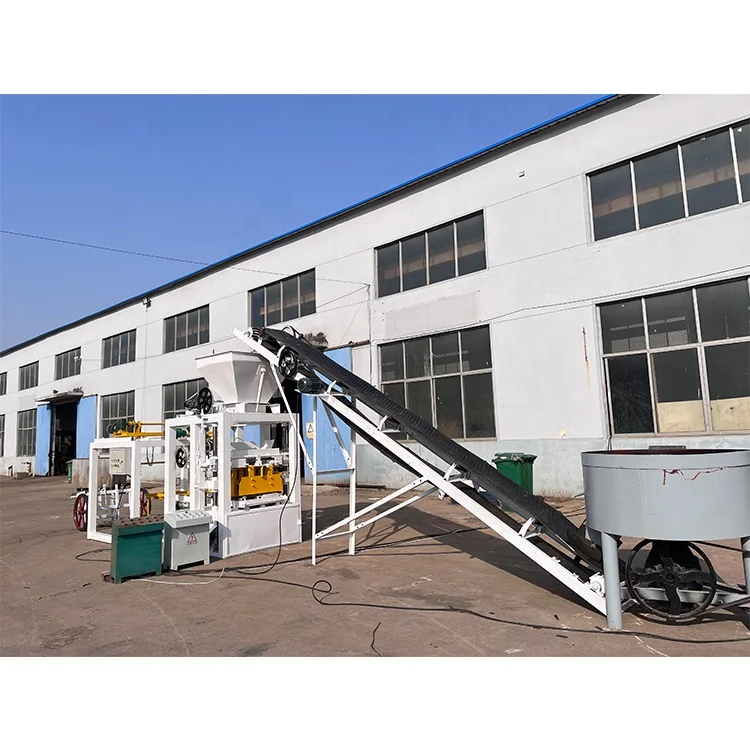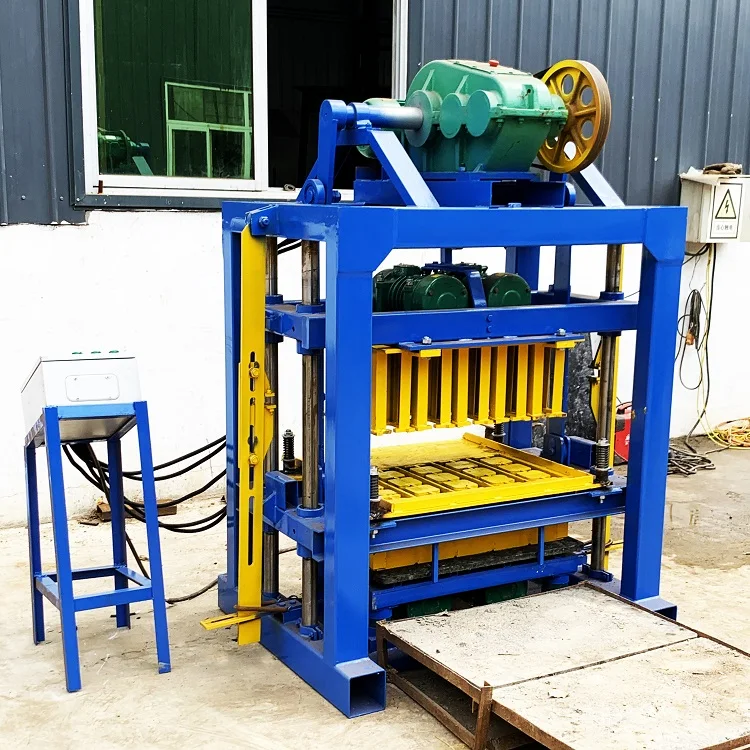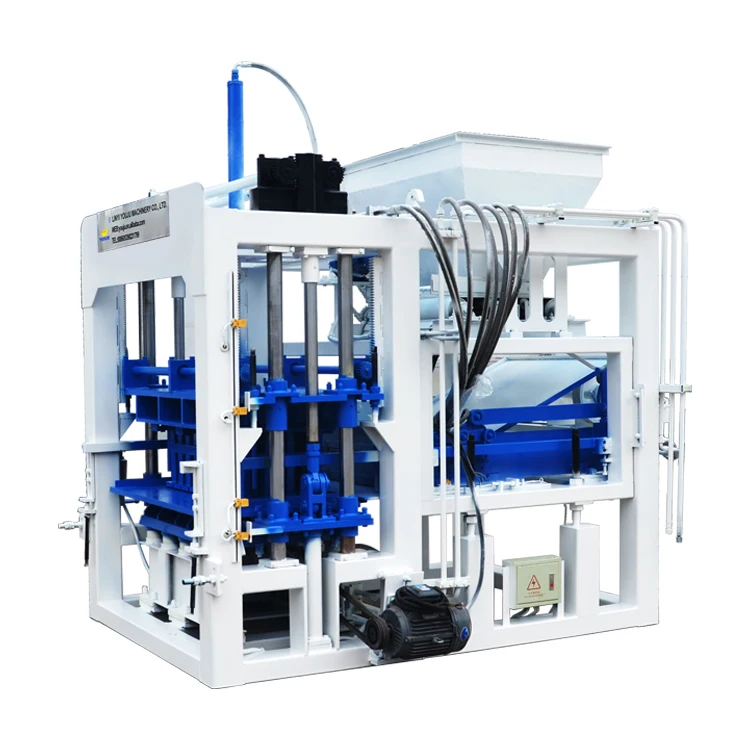
Description
Intelligent Cycle Control — the QT5-15 maps every vibration, feed, and press variable through a single PLC so operators manage recipes instead of guessing lever positions.
Technical Specifications
| Parameter | Value |
|---|---|
| Model | QT5-15 |
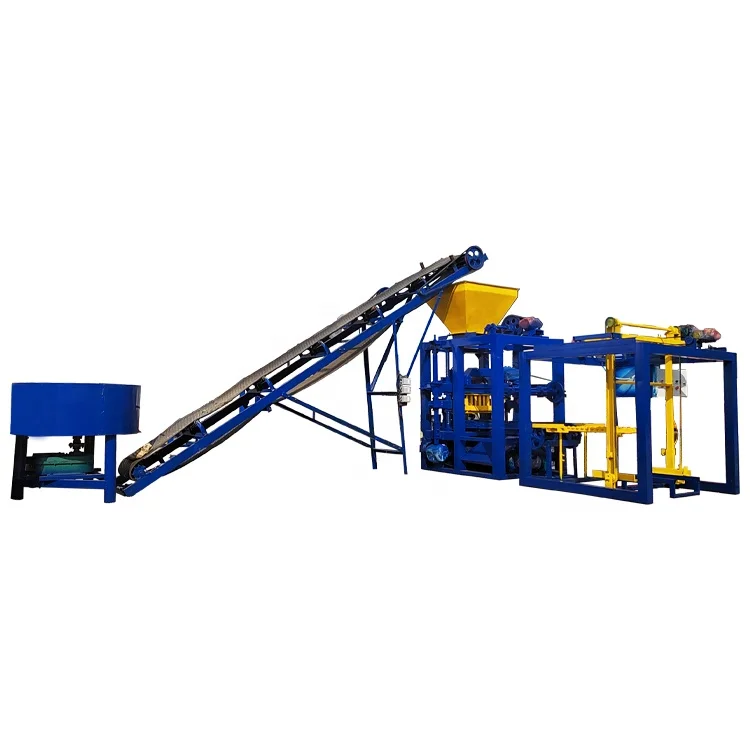
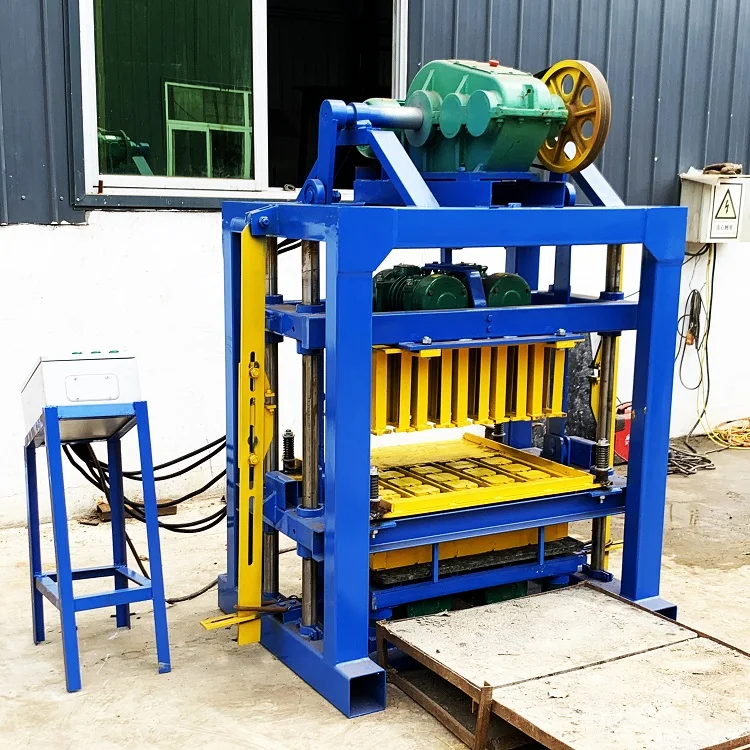
| Product Type | Automatic Concrete Block Making Machine |
| Overall Dimensions (L×W×H) | 7400 × 1950 × 2800 mm |
| Rated Pressure | 21 MPa |
| Main Vibration Form | Hydraulic platform vibration |
| Vibrating Frequency | 2800–4500 rolls/min |
| Cycle Time | 15–20 s (basis to be confirmed with target block format) |
| Total Motor Power | 26.5 kW |
| Pallet Size | 1100 × 550 mm |
| Net Weight | 6 T |
| Control System | PLC with fault diagnosis and remote monitoring |
| Output — 240×115×90 mm brick | 23,040–28,800 pcs/8 h at 16 pcs/mould |
| Output — 400×115×53 mm brick | 61,440–70,400 pcs/8 h at 32 pcs/mould |
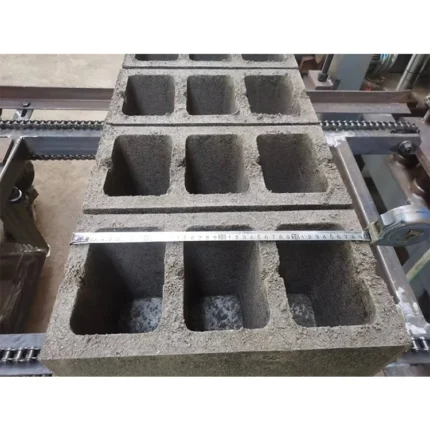
| Output — 400×200×200 mm hollow block | 7,200–9,600 pcs/8 h at 5 pcs/mould |
| Voltage | Configurable to buyer requirement |
| Key Features | Full automatic operation, adjustable vibration frequency, material feed accuracy system |
Application Suitability
| Application | Material or Output |
|---|---|
| Hollow block production | Crushed stone, cement, sand and fly ash blends for structural walls |
| Paving brick runs | Dense aggregate mixes requiring high compaction and surface finish |
| Standard brick manufacture | Leaner mixes where cycle consistency determines daily yield |
| Porous and permeable blocks | Open-graded aggregates needing controlled vibration amplitude |
The Language on the Screen Decides Day One on Site
An automatic PLC controlled concrete block making machine is only as smart as the operator who can read its prompts.
I once watched a QT-class press sit idle for a full shift in the Gulf because the HMI shipped in Chinese while the line crew spoke only Arabic and English. The hardware was fine; the communication layer was not. Remote diagnostics cannot help when the first error message is unreadable to the person standing at the cabinet [NEED_CITE: PLC interface language alignment in export machinery]. Confirming display language, alarm phrasing, and unit conventions before the PLC panel leaves the factory removes a failure mode that no amount of mechanical tuning can fix later.
Where Automation Replaces Guesswork
The automatic PLC controlled concrete block making machine shifts decision-making from the operator’s instinct into stored recipes. Every vibration burst, feed stroke, and press dwell is logged as a named set, so a Monday morning hollow block run uses the exact timing curve that was proven during the factory test.
Consistency That Survives Shift Changes
Batch-to-batch variation usually hides in small timing drifts a manual operator never notices. When the PLC owns the cycle, the difference between the first pallet and the eight-hundredth pallet is measured in millimeters of block height, not centimeters [NEED_CITE: SPC data on PLC versus manual block presses]. Fault diagnosis runs in parallel, flagging a slow solenoid or a dropping hydraulic pressure long before the defect shows up in the curing yard.
Reading the Numbers That Matter
The 21 MPa rated pressure works together with the adjustable 2800–4500 rolls/min vibration to compact the mix in two stages: low frequency during material fill to push aggregate into the mould corners, then high frequency during final densification. Pallet size at 1100 × 550 mm must match both the curing rack spacing and the forklift tine width already on site, or the automatic stacking station will spend its time waiting for manual repositioning. Power draw of 26.5 kW means the main breaker and dedicated line should be confirmed against the buyer’s local voltage and frequency before the motor starters are wired.
What Wrong Configuration Costs You Later
Choosing a fixed-voltage motor set to save a few days in the factory can strand the entire line when the site supply turns out to be 60 Hz instead of 50 Hz. A vibration frequency locked to a default recipe will produce acceptable bricks with the supplier’s test sand but crumble with the buyer’s local crushed limestone. Remote monitoring is useless if the PLC display language was never specified, because the operator simply ignores the alarm text [NEED_CITE: export machinery commissioning delay causes].
Why Source This Press Through the Automation Lens
Every PLC program is bench-tested against the buyer’s confirmed voltage, frequency, and HMI language before the cabinet is sealed. Mould recipes are written around the actual block format and local aggregate, not a generic catalogue cycle. Remote diagnostics access is demonstrated during the factory acceptance run, so the buyer’s maintenance team has already navigated the fault screens before the crate is opened. Upgrade paths from semi-automatic pallet handling to full stacking are mapped in the PLC memory, allowing the automation level to grow with the plant. Documentation is supplied in the buyer’s operating language rather than a single default.
Documentation & Verification
- PLC program backup and recipe list matched to confirmed block formats
- Electrical schematic showing field wiring for buyer’s exact voltage and frequency
- HMI screen capture pack in agreed operator language before shipment
- Factory test record cycling each purchased mould for minimum thirty minutes
- Hydraulic circuit diagram with valve and sensor part numbers cross-referenced
- Operation manual covering fault codes and remote diagnostic login steps
Installation, Commissioning & Support
- Foundation plan sized to the 7400 × 1950 mm footprint plus pallet return space
- Dedicated 26.5 kW supply circuit with isolator rated for buyer’s confirmed voltage
- PLC language and alarm labels verified on site before first production run
- Vibration frequency sweep performed with buyer’s actual aggregate blend
- Operator training covers recipe creation, fault reset, and remote link setup
- Wear part list tied to hydraulic and vibration components with reorder codes
What We Need to Size Your Line
Share the block formats you intend to sell, the daily output you must hit per format, and the aggregate sources available within hauling distance of the plant. Confirm the site voltage, frequency, and the primary language your operators read on a screen. If an existing mixer or pallet return system will stay in service, send its make and interface dimensions so the PLC I/O map can be finalized before production starts.
Frequently Asked Questions
Q: How is cycle time verified per block format, and what output can I expect per shift?
A: Every target format runs on the factory floor with your specified mix before shipment. The recorded cycle time is written into the quotation alongside the pallet count and block-per-mould figure, so the eight-hour output is a measured result, not a catalogue headline.
Q: Can the PLC display language be set to my operator’s language before shipment?
A: Yes. The HMI project is compiled in the agreed language during factory testing, and a screen-by-screen printout is sent for approval before the panel is crated. Alarm text and help pages follow the same language pack.
Q: What voltage and frequency options are available, and how are they locked in?
A: Motor windings, transformer taps, and PLC power supply are all selected against your confirmed site supply. A single-line diagram showing the exact components is signed off before assembly begins, preventing rewiring work after arrival.
Q: What remote diagnostics does the PLC offer to cut unplanned downtime?
A: The controller logs cycle deviations, solenoid response times, and hydraulic pressure trends, then pushes fault summaries to a secure remote link. Your maintenance team can view live values or download logs without waiting for a site visit.