

Description
Intelligent control matched to your mix — Every automation cycle on the QT7-15 is validated against your local aggregate and target block format before the PLC cabinet leaves the factory, so the operator sees a tuned recipe on day one instead of a generic default.
Technical Specifications
| Parameter | Value |
|---|---|
| Model | QT7-15 |
| Product Type | Automatic Hydraulic Block Making Machine |
| Pallet Size | 1150 × 700 mm |
| Molding Cycle | 15–20 s |
| Overall Power | 45 kW |
| Vibration Force | 100 kN |
| Vibration Frequency | 0–60 Hz |
| Vibration Form | Platform Vibration |
| Demolding Method | Hydraulic |
| Control System | PLC with touch screen interface |
| Total Mass | 8 T |
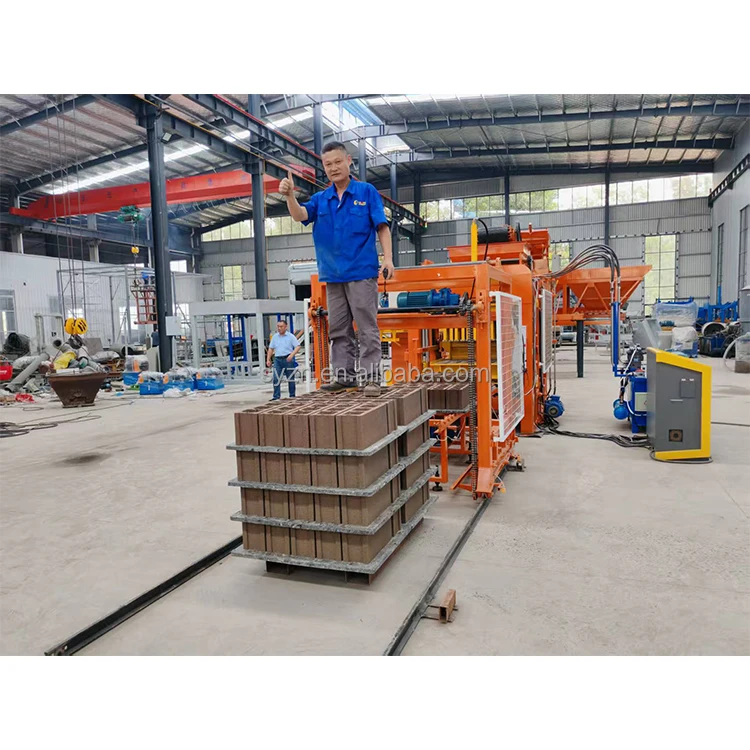
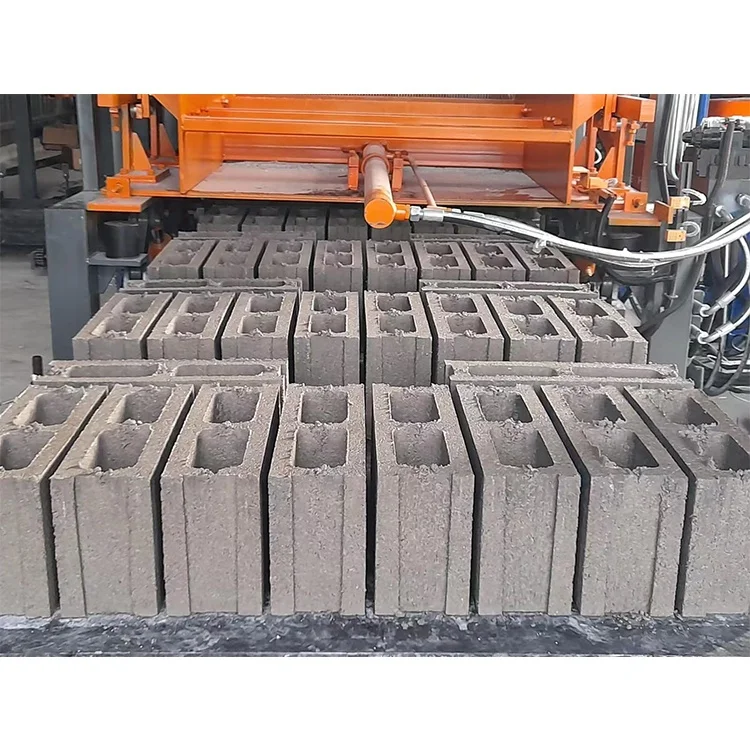
| Output Capacity (Hollow Block 400×200×200 mm) | 1260–1680 pcs/hour |
| Output Capacity (Hollow Block 400×150×200 mm) | 1440–1920 pcs/hour |
| Output Capacity (Rectangular Paving Brick 200×100×60 mm) | 3888–4860 pcs/hour |
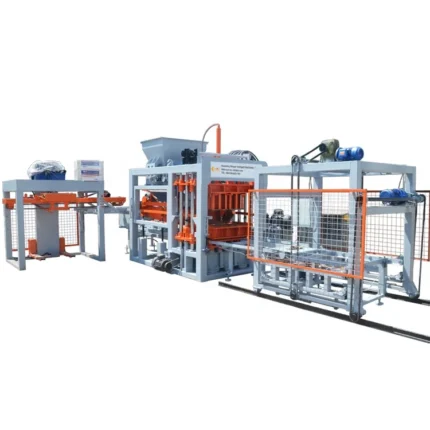
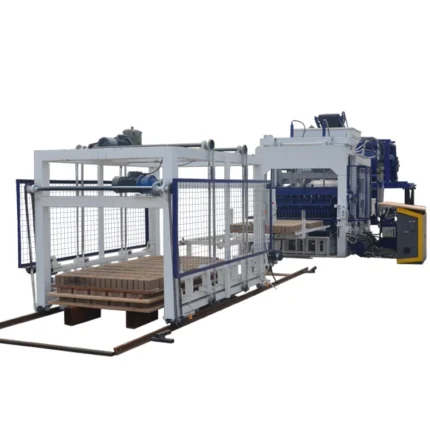
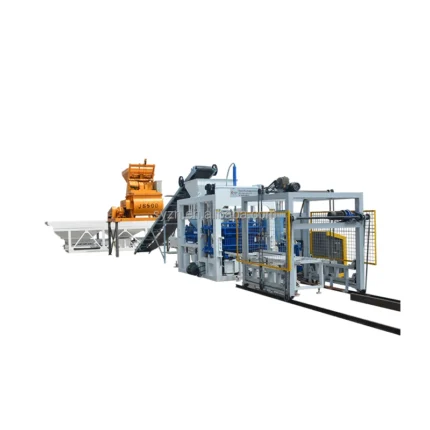
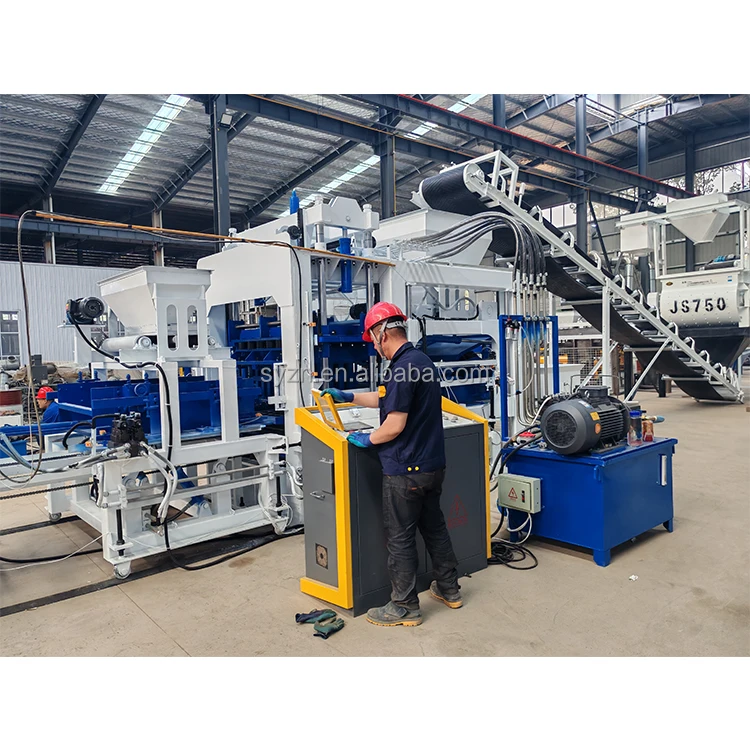
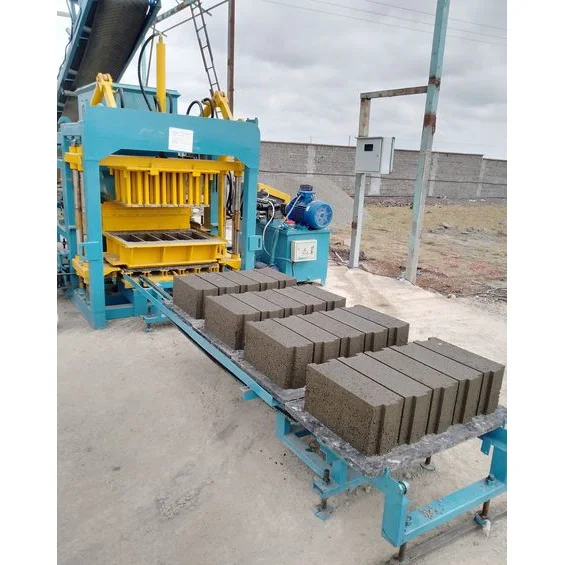
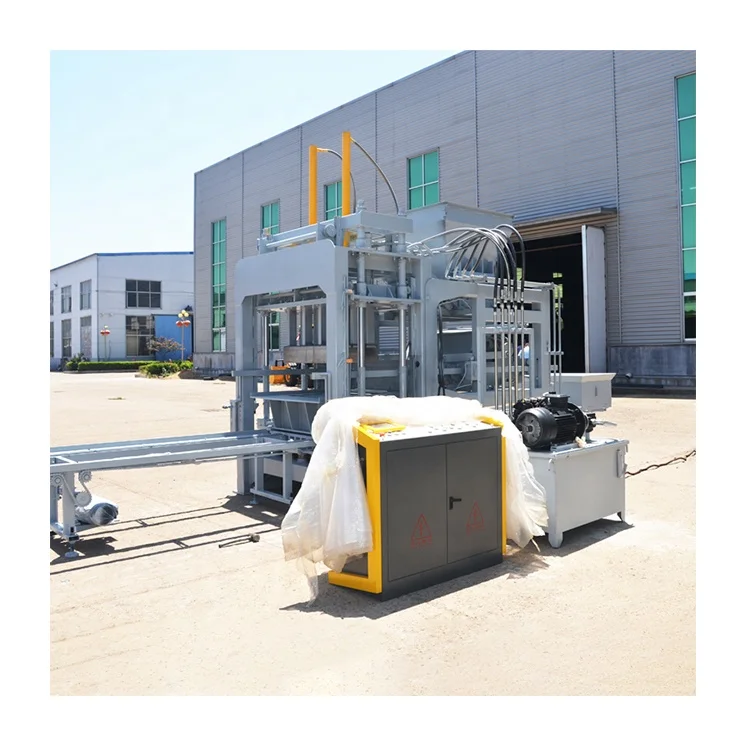
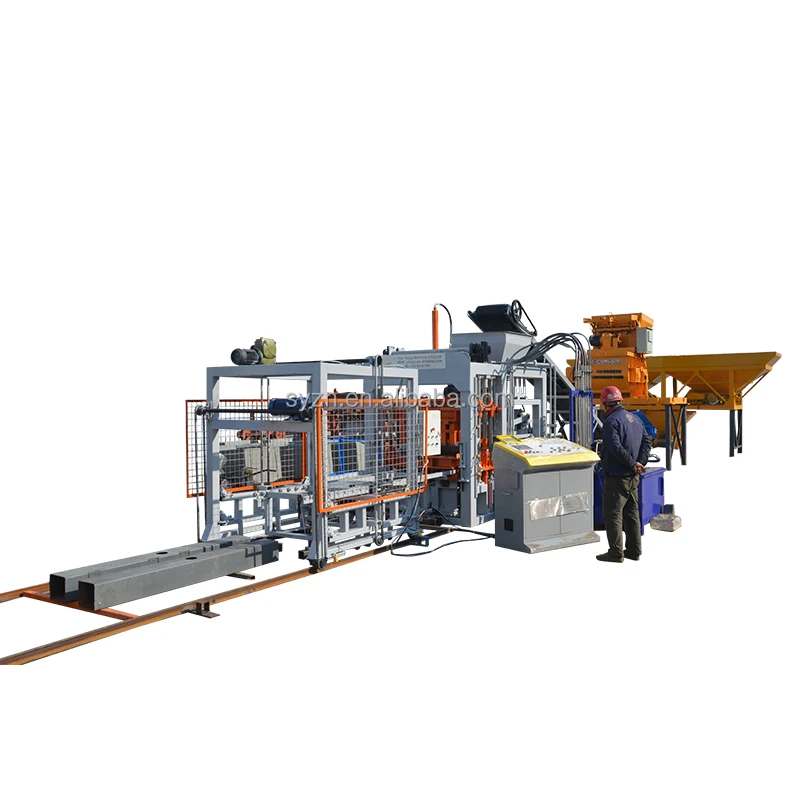
| Component Configuration | Pallet feed machine, block making machine, storage hopper, conveyor, hydraulic unit, PLC control cabinet |
| Mould Change System | Quick replacement design |
| Remote Diagnostics | Fault diagnosis and remote control capability |
Application Suitability
| Application | Material or Output |
|---|---|
| Hollow block production | Crushed stone, sand, cement, fly ash aggregates |
| Solid block production | Dense aggregate mixes for load-bearing walls |
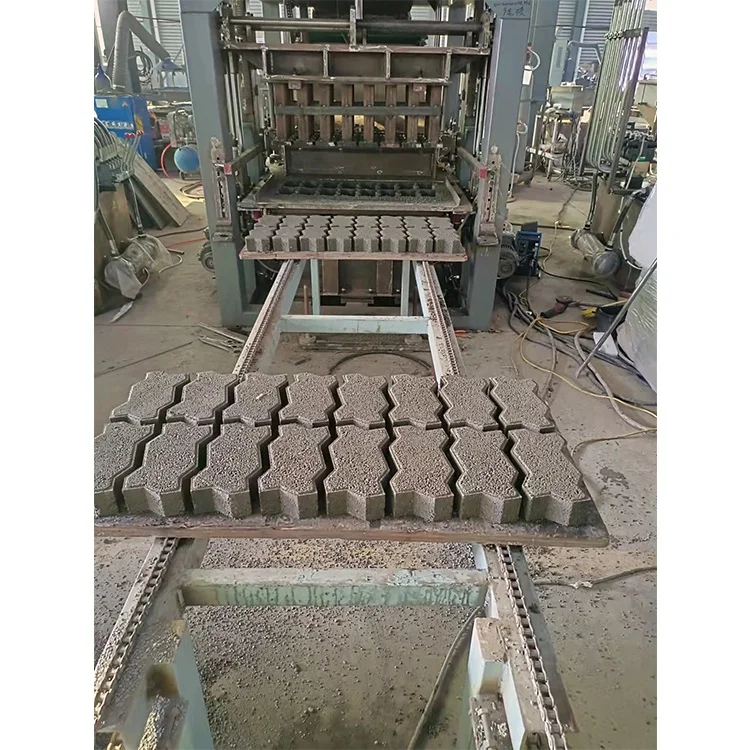
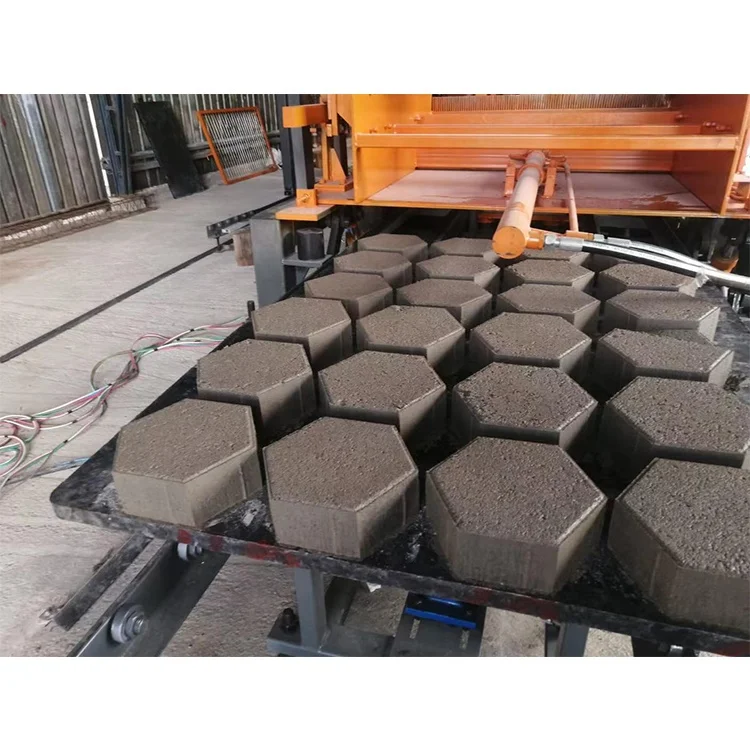
| Paving block production | Fine aggregate and pigment blends for 200×100×60 mm rectangular pavers |
| Interlocking brick production | Stabilized soil or cement-bound granular mixes |
| Kerbstone production | High-strength concrete with coarse aggregate |
| Porous brick production | Permeable aggregate blends for drainage applications |
Why the Control Language Must Be Confirmed Before the Machine Ships
The automatic QT7-15 block machine PLC controlled interface arrives with the language, units, and recipe screens locked to your specification — not a factory default that stalls commissioning.
I once stood on a job site watching a three-day delay pile up because the touch screen was still showing menu prompts in a language the local operator could not read. The block line sat idle while we scrambled to reflash the HMI. Since then, I treat control language and display units the same way I treat voltage: confirmed in writing before the cabinet is wired [NEED_CITE: PLC HMI language standards for export machinery]. That discipline is built into the shipment checklist for this machine.
Recipe Storage That Removes Operator Guesswork
The PLC stores product process data for every block format the machine runs, including vibration frequency, hydraulic pressure profile, and feed timing. When the next shift switches from 400×200×200 mm hollow blocks to 200×100×60 mm paving bricks, the operator recalls the saved recipe rather than re-tuning parameters by hand. This repeatability is what separates batch-to-batch consistency from the drift you get when settings live in someone’s memory.
Remote Fault Diagnosis Across Time Zones
The automatic QT7-15 block machine PLC controlled system supports remote fault diagnosis and control, letting a technician review alarm logs, I/O status, and parameter drift from off-site. When a proximity sensor drifts or a solenoid sticks mid-shift, the remote link cuts diagnosis time from days to hours. Plant owners running multiple lines know that unplanned downtime on one press cascades through the entire curing schedule [NEED_CITE: remote diagnostics adoption in concrete product manufacturing].
How Vibration and Pressure Work Together on the Platform
The platform vibration system delivers up to 100 kN of force across a 0–60 Hz adjustable range, while the hydraulic demolding circuit pulls the mould away without scuffing green block surfaces. Vibration frequency determines how thoroughly the mix consolidates around coarse aggregate; hydraulic pressure sets the compaction ceiling. Tuning both to your local sand grading and cement content is what produces a block that meets strength targets without cracking during demolding. The 1150×700 mm pallet size must also match the curing rack spacing and forklift capacity already in your yard — a mismatch here means re-racking every pallet by hand [NEED_CITE: pallet sizing and curing rack alignment in block plants].
What Happens When Automation Is Specified in Isolation
A buyer once ordered an automatic line without confirming that the pallet feeder cycle time matched the press cycle. The press sat idle for seconds every cycle waiting for the next pallet, and the quoted output never materialized. The same risk applies when the PLC cabinet is ordered with the wrong voltage or the touch screen language is left to chance — the machine arrives, but production does not start [NEED_CITE: automation integration pitfalls in block making lines]. These gaps surface only on the factory floor, where they cost shifts instead of emails.
Why Sourcing the Control System and the Press Together Matters
Shiyue configures the PLC, pallet feeder, hydraulic unit, and vibration platform as a single matched system rather than assembling components from separate suppliers. The automation level is selectable, so a plant can start with semi-automatic pallet handling and add stacking and cubing later without replacing the press. Factory testing runs the full cycle sequence — pallet feed, fill, vibrate, demold, pallet discharge — with your mould installed, and the test record travels with the shipment.
Documentation & Verification
- Line layout showing pallet flow from feeder through press to curing rack for the QT7-15 footprint
- PLC parameter sheet listing stored recipes for each confirmed block format
- Hydraulic and electrical schematic with voltage and control language noted
- Factory test record with cycle time measured on your specified mould
- Operation manual covering remote diagnostics login and alarm response procedures
Installation, Commissioning & Support
- Foundation pad leveled to the 8 T static mass with anchor bolt template provided for the QT7-15 footprint
- Dedicated 45 kW circuit with voltage and frequency confirmed against the PLC cabinet nameplate
- Touch screen language and unit system verified on-site before the first production run
- Quick replacement mould design walked through with the maintenance team during commissioning
- Remote diagnostics link tested with your plant network before the service engineer departs
What to Include in Your Inquiry
Send the block formats your market actually sells, along with target daily output and the local aggregate you plan to run. Confirm the voltage, frequency, and preferred touch screen language for your operators. If the line will connect to existing mixers or curing racks, share their specifications so the pallet feed and discharge heights are set before fabrication.
Frequently Asked Questions
Q: How does the PLC control system store and recall production recipes for different block formats?
A: Each format’s vibration frequency, hydraulic pressure profile, and feed timing are saved as a named recipe on the touch screen. Operators select the recipe at shift start, and the automatic QT7-15 block machine PLC controlled system loads all parameters automatically, eliminating manual tuning and keeping density consistent across batches.
Q: Can the QT7-15 be upgraded from semi-automatic operation?
A: Yes. The machine architecture supports adding automatic pallet feeding, stacking, and cubing modules after initial installation. The PLC cabinet is pre-wired for these expansions, so upgrading does not require replacing the main controller or rewiring the press.
Q: How does remote fault diagnosis work during commissioning?
A: The system transmits alarm logs and I/O status over your plant network. A technician can review sensor states, cycle timers, and parameter drift from off-site, shortening diagnosis when a proximity sensor or solenoid issue appears during the first production week.
Q: What is the mould change time, and how does automation help?
A: The quick replacement design lets a trained crew swap moulds within a single shift break. The PLC recalls the matching recipe automatically, so vibration frequency and hydraulic pressure reset to the correct values without manual entry, reducing format-switching downtime.
Q: How does the platform vibration system adapt to different mix designs?
A: The vibration frequency adjusts from 0 to 60 Hz, and the 100 kN force is tunable through the PLC. This lets the operator match consolidation energy to local aggregate grading and cement content, producing consistent block density whether the mix uses crushed stone or fly ash.