Description
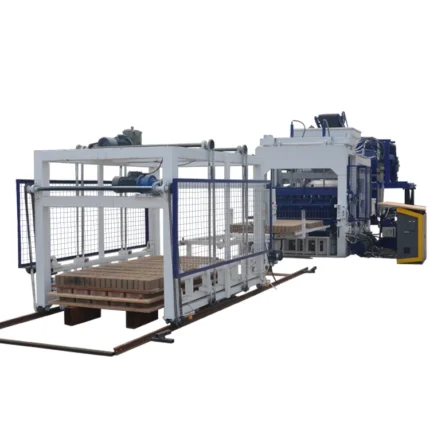
Configured to Your Recipe — The QT8-15 hydraulic block machine is specified around your actual mix design, local aggregate, and target block format, so PLC parameters and vibration profiles are set before the machine leaves the factory rather than adjusted blindly on site.
Technical Specifications
| Parameter | Value |
|---|---|
| Model | QT8-15 |
| Product Type | Hydraulic Concrete Block Making Machine |
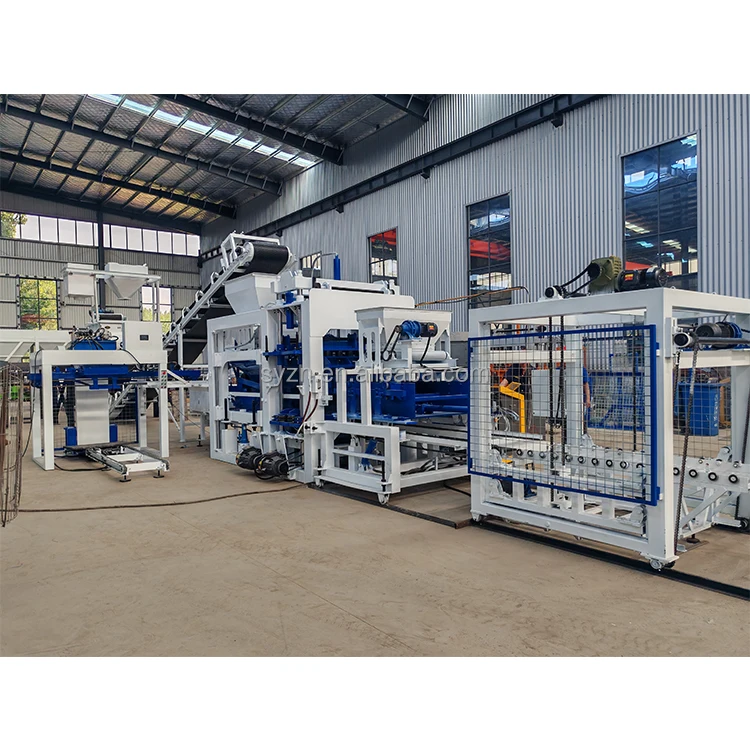
| Overall Dimensions (L×W×H) | 8300 × 1860 × 3000 mm |
| Rated Pressure | 21 MPa |
| Main Vibration Form | Platform Vibration |
| Vibration Frequency | 2800–4500 r/min |
| Vibration Force | 45 kN |
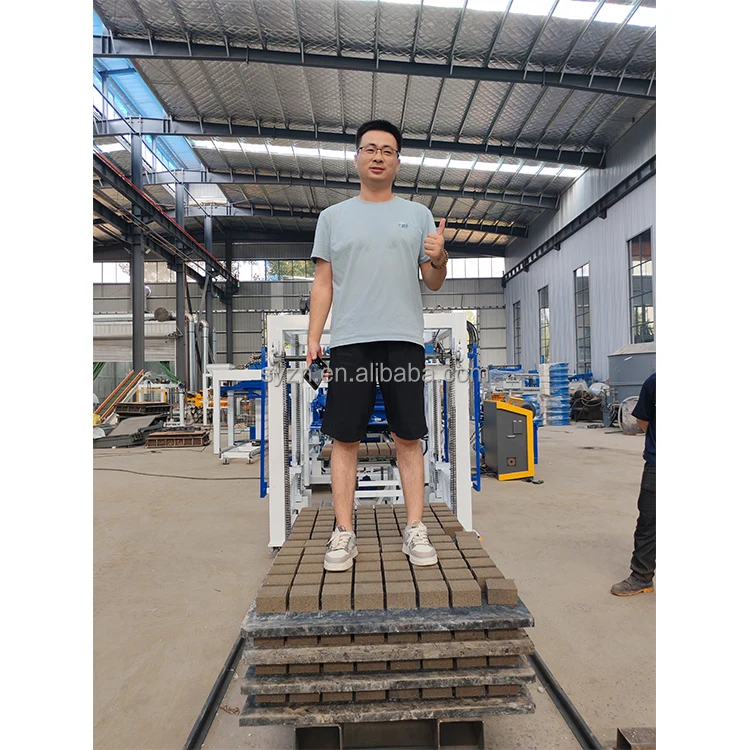
| Pallet Size | 950 × 900 mm |
| Molding Cycle | 15–20 s (basis not stated in source — confirm block format / material / thickness) |
| Overall Power | 55.5 kW |
| Total Mass | 8 T |
| Demolding Method | Hydraulic |
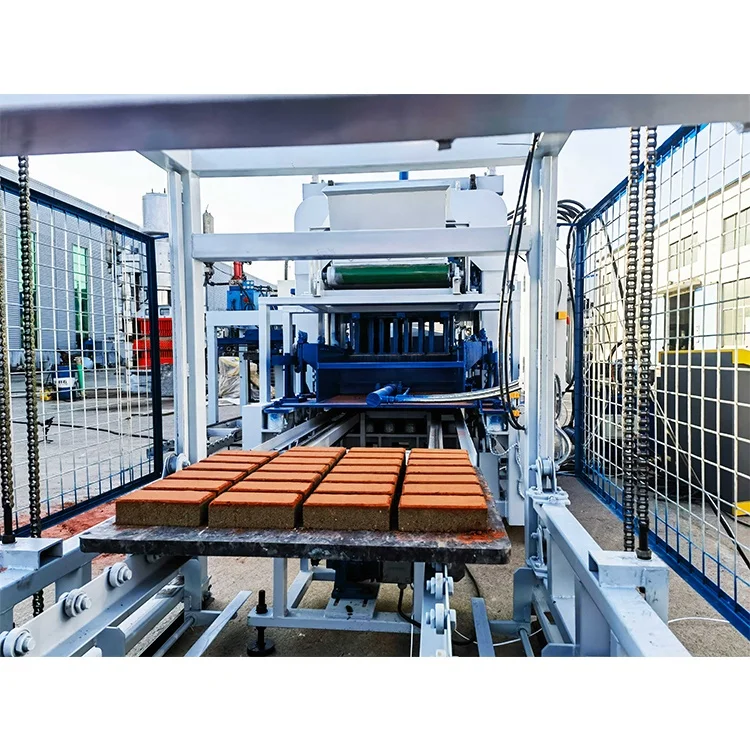
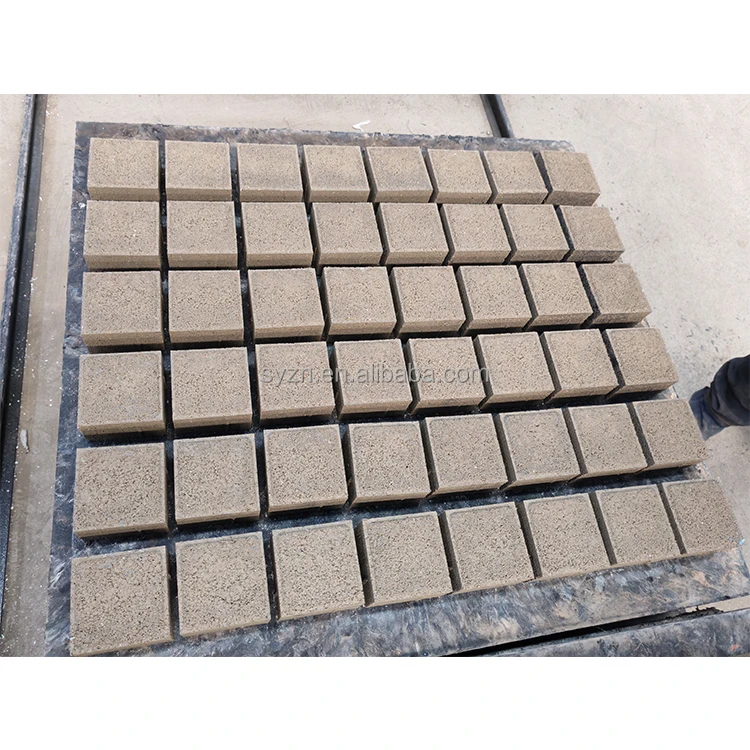
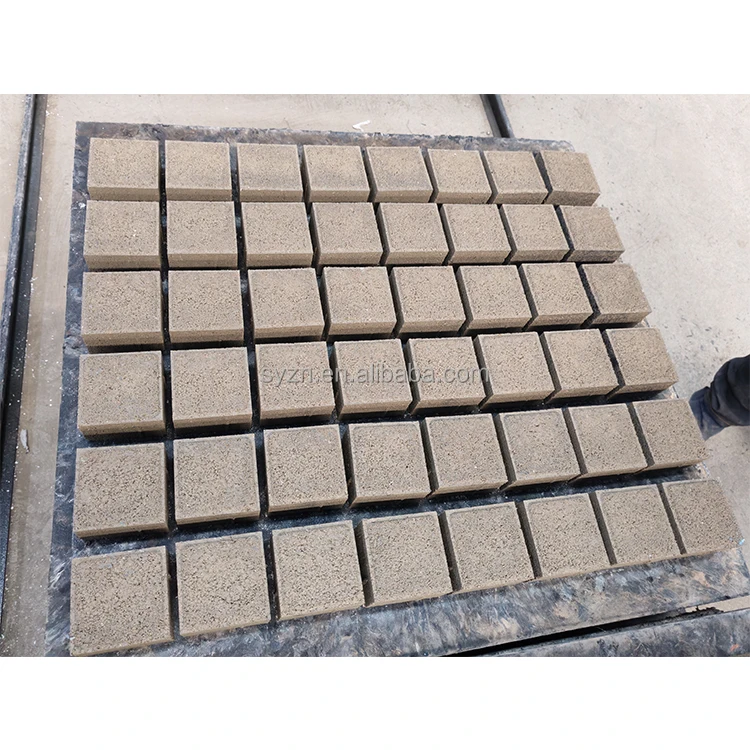
| Applied Products | Concrete hollow blocks, solid blocks, pavers, interlocking blocks, curbstones, colored pavers |
| Raw Materials | Crushed stone, sand, cement, fly ash, gravel, slag |
| Control System | PLC (language and voltage to be confirmed before production) |
Application Suitability
| Application | Material or Output |
|---|---|
| Hollow block production for load-bearing walls | Crushed stone, sand, and cement mixes at standard density |
| Solid block manufacturing for partition and foundation work | Fly ash or gravel-aggregate blends requiring higher compaction pressure |
| Interlocking paver and colored paver runs | Fine sand and cement mixes with pigment dosing for surface consistency |
| Curbstone production for road and pavement edging | Coarse aggregate concrete requiring extended vibration and hydraulic hold |
Why the PLC Language Must Be Agreed Before the Machine Ships
The control panel language is locked during PLC programming; changing it after arrival means sending an engineer or shipping a new HMI unit.
I once saw a QT8-15 sit idle for an entire day on a job site in Ecuador because the PLC display arrived in Chinese. The local operator could not read a single menu label, and commissioning stalled until a bilingual technician was flown in. That delay was entirely avoidable [NEED_CITE: common causes of commissioning delays in exported industrial machinery]. Voltage mismatches create the same problem — a 380 V / 50 Hz machine connected to a 60 Hz grid will run the vibration motor at the wrong speed, throwing off the entire molding cycle. Confirming these two parameters in writing before production starts removes the most common on-site surprises.
How the PLC Removes Guesswork from Every Molding Cycle
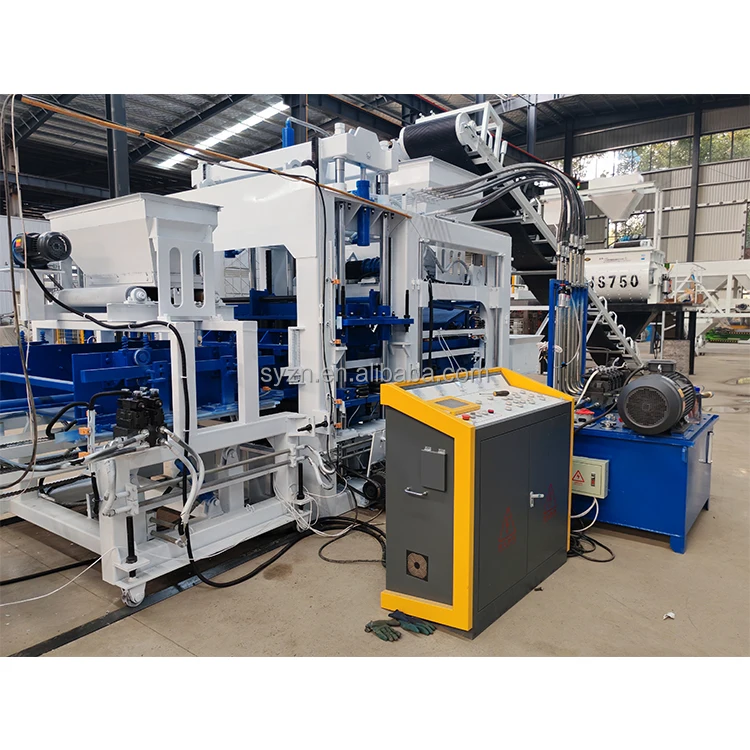
With a PLC-controlled concrete block making machine, each mould format has its own stored recipe — vibration duration, hydraulic pressure hold time, and pallet feed speed are recalled with one selection. The operator does not adjust timers by feel or count seconds manually. When the shift changes or a new crew takes over, the cycle parameters remain identical, which is what keeps block density and dimensions consistent across thousands of pieces per run.
Batch-to-Batch Consistency Through Stored Parameters
The real value of automation in block production is repeatability. Once the correct vibration frequency and pressure curve are dialed in for a specific mix — say a fly-ash-heavy blend with local river sand — the PLC repeats those values for every pallet that enters the press. Drift caused by operator fatigue or manual override is eliminated [NEED_CITE: impact of PLC automation on product consistency in concrete manufacturing]. If the local aggregate changes seasonally, a new recipe can be saved alongside the original, giving the plant a documented library of proven settings.
Reading the Numbers That Actually Matter on Site
The 21 MPa rated pressure and 45 kN vibration force work together: hydraulic pressure compacts the mix vertically while platform vibration settles fine particles into voids. If vibration force is too low for a stiff, low-slump mix, the block leaves the mould with weak corners. If pressure is too high for a lightweight paver mix, the block cracks on demolding. The 950 × 900 mm pallet size dictates how many blocks fit per cycle and must match the curing rack spacing and forklift tine width already in use at the plant. The 55.5 kW total power draw determines the transformer and dedicated circuit rating needed before the machine is energized.
The Cost of Skipping Configuration Details
When automation level and pallet handling scope are not spelled out in the quotation, buyers frequently discover that stacking and curing are still manual — meaning extra labour every shift and a bottleneck that negates the press cycle speed. A pallet size chosen without checking the existing curing racks forces a plant to rebuild its entire racking system [NEED_CITE: hidden costs of mismatched pallet and curing infrastructure in block plants]. And if the voltage and frequency are assumed rather than confirmed, the motor winding may need to be replaced before the first test run, adding weeks of downtime.
Why Sourcing Through This Channel Reduces Risk
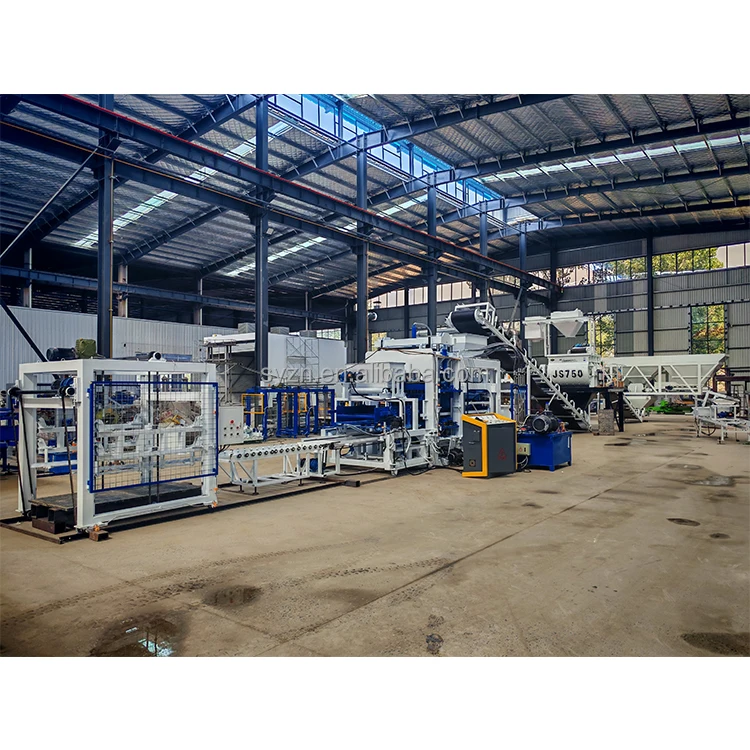
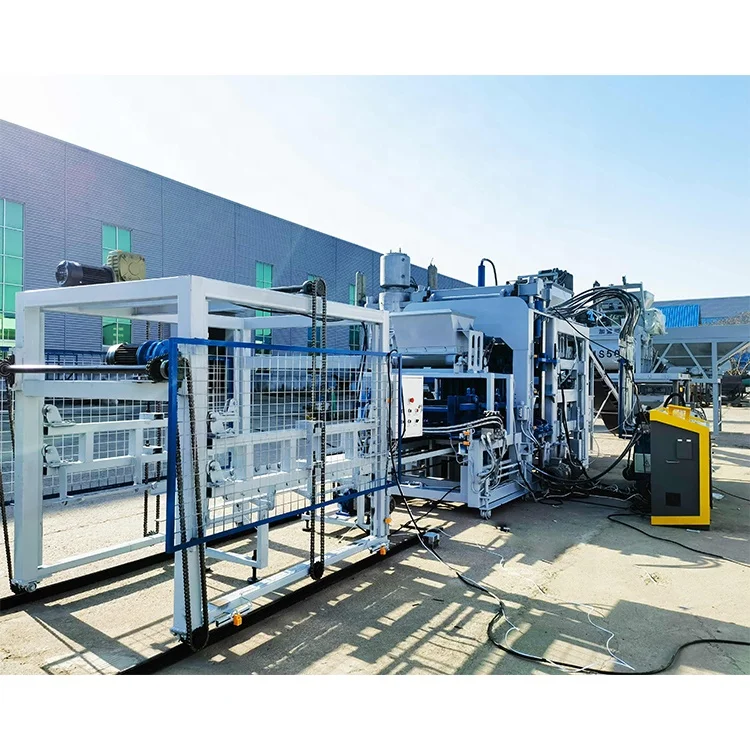
Block machinery is the single focus here, so the QT8-15 is specified as a matched system — press, moulds, pallets, and handling equipment are sized together rather than pulled from separate catalogues. The configuration is set against the buyer’s actual mix design and target block format, not a default table entry. Custom mould drawings are reviewed before production, so the interlocking profile or kerbstone geometry the local market demands is verified on paper first. Automation level is selectable, meaning a buyer can commission the press with semi-automatic pallet handling now and add automatic stacking later. Installation support includes operator training so the crew understands recipe selection, mould changeover procedure, and daily maintenance checkpoints from the first week.
Documentation & Verification
- Line layout and capacity calculation stating the exact block format and mix assumed
- PLC program language and voltage/frequency confirmation sheet signed before build
- Mould drawing pack covering every format included in the quotation
- Hydraulic and electrical schematic for on-site troubleshooting by local electricians
- Factory test record showing press cycle under load before crating
- Operation and maintenance manual in the agreed control language
Installation, Commissioning & Support
- Foundation plan based on 8300 × 1860 mm footprint with anchor bolt layout and curing area clearance for 950 × 900 mm pallets
- Dedicated 55.5 kW circuit with voltage and frequency verified against the PLC and motor nameplate before connection
- Machine arrives partially dismantled; reassembly checklist covers hydraulic lines, vibration platform, and pallet feeder alignment
- First-run commissioning includes recipe programming for each mould format and vibration frequency sweep to match local aggregate
- Operator training covers PLC recipe recall, emergency stop logic, and daily inspection of hydraulic seals and vibration springs
- Wear parts list with reorder codes for hydraulic hoses, vibration springs, and mould liner plates
What We Need to Size the Line Correctly
Share the specific block formats your market sells, the daily output target per format, and the aggregate sources available locally. Let us know your site voltage, frequency, and preferred PLC display language so the automatic QT8-15 block machine arrives ready to commission. If you already have curing racks and forklifts, send the rack spacing and pallet dimensions so the handling system is matched from day one.
Frequently Asked Questions
Q: How is the 15–20 s molding cycle verified, and which block format does it assume?
A: The cycle time is measured at the factory under a specific block size, wall thickness, and mix composition. Without knowing your target format — for example a 400 × 200 × 200 mm hollow block versus a 200 × 100 mm interlocking paver — the number is only a reference. We confirm cycle time against your actual product during the configuration stage so the daily output projection is realistic.
Q: What PLC language options are available, and can the interface be switched after delivery?
A: The HMI can be programmed in multiple languages before the machine ships. Switching after delivery typically requires loading a new language pack via USB or sending a replacement screen. Confirming the display language during the order phase avoids the cost and delay of a post-shipment change, especially in regions where on-site support visits add travel time.
Q: How does the vibration force setting interact with my local aggregate and mix design?
A: Stiff mixes with coarse crushed stone need the upper range of the 2800–4500 r/min frequency band and higher vibration force to fully compact. Lighter mixes with fly ash or fine sand require lower force to avoid segregating the cement paste. The PLC stores separate vibration profiles so you can switch recipes without manual recalibration each time the aggregate source changes.
Q: What is the mould change procedure, and how long does a trained operator need per changeover?
A: Mould change involves releasing the clamp bolts, lifting the current mould with the overhead crane, seating the new mould, and recalling the matching PLC recipe. A trained operator can complete the physical swap and run a test cycle in a timeframe that depends on crane availability and mould weight. Documented changeover steps and marked alignment pins reduce the procedure to a repeatable sequence.
Q: Can the automation level be upgraded later — from semi-automatic pallet handling to full stacking and cubing?
A: Yes. The QT8-15 can be commissioned with manual or semi-automatic pallet handling initially, and automatic stacker or cubing stations can be added once production volume justifies the investment. The PLC architecture supports additional I/O modules, so upgrading does not require replacing the main controller — only adding hardware and enabling the corresponding program routines.