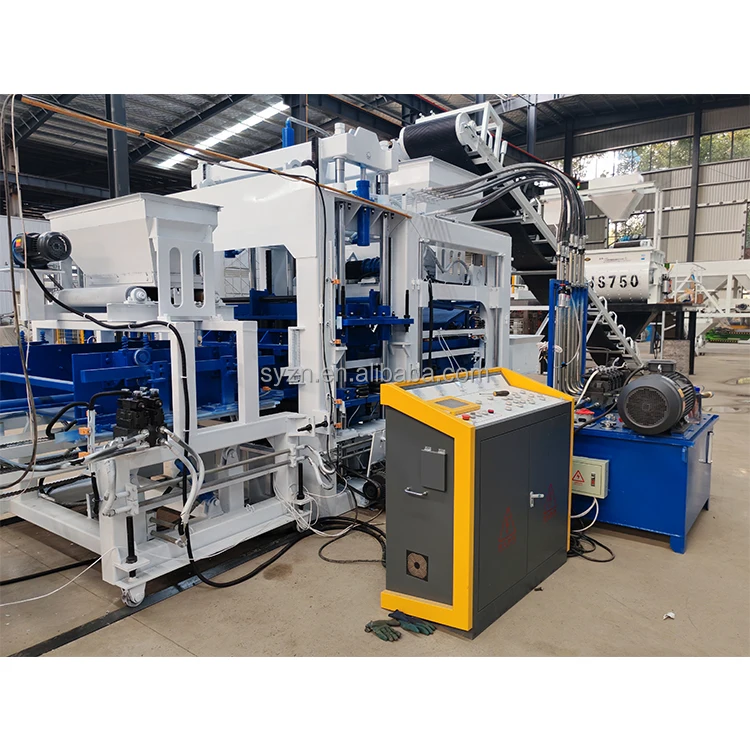
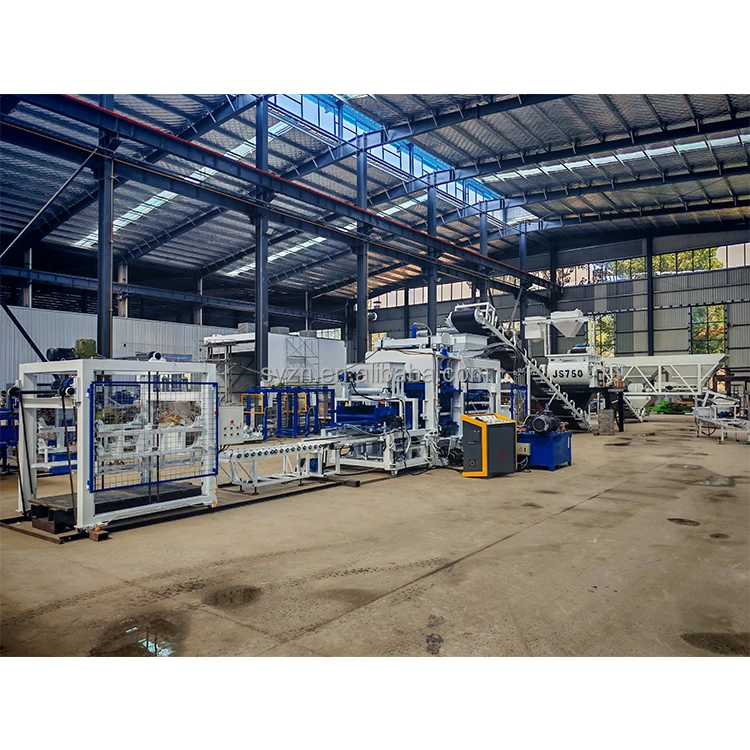
Description
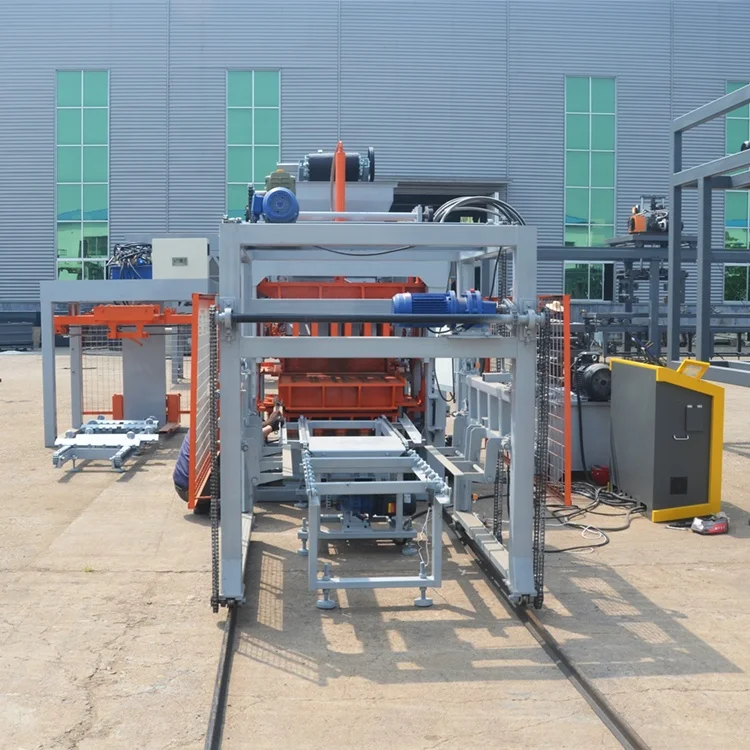
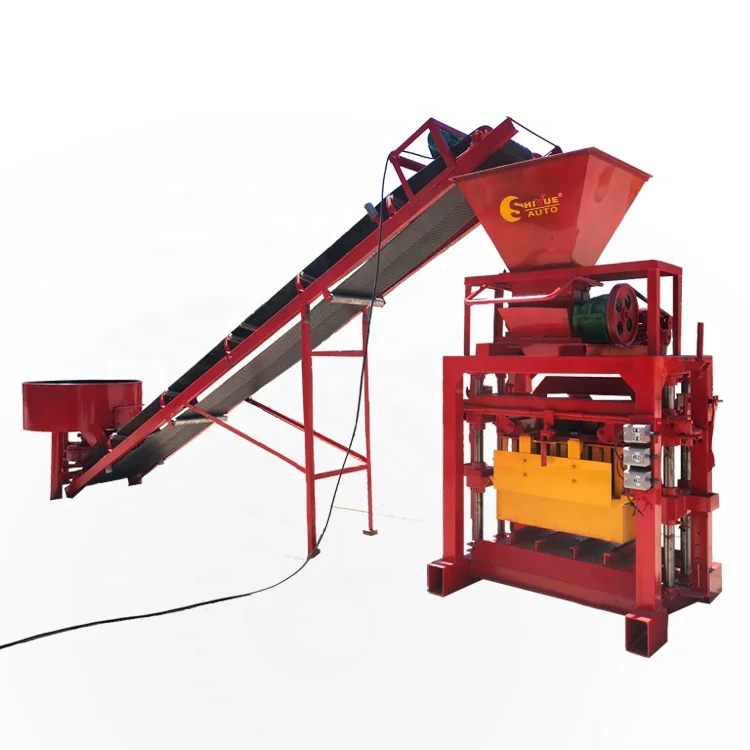
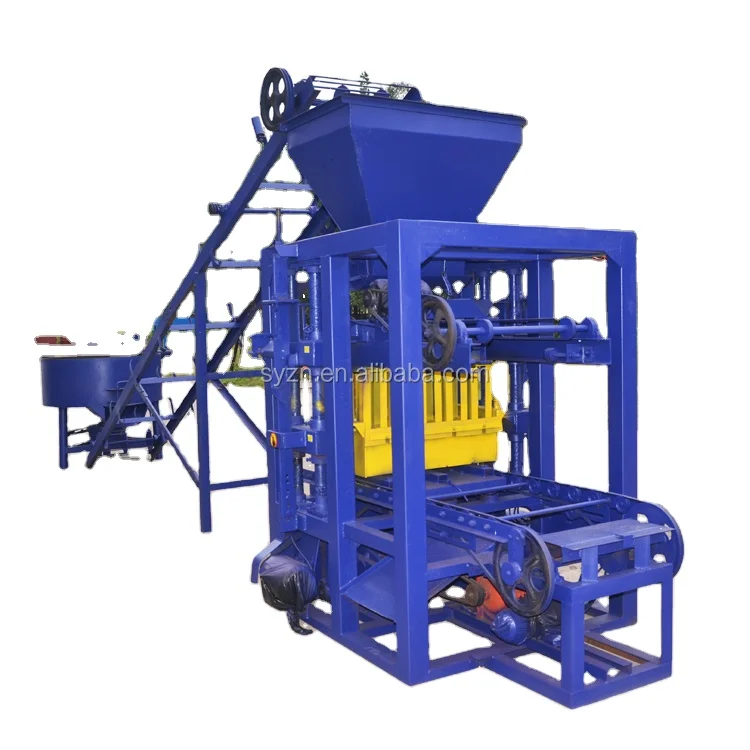
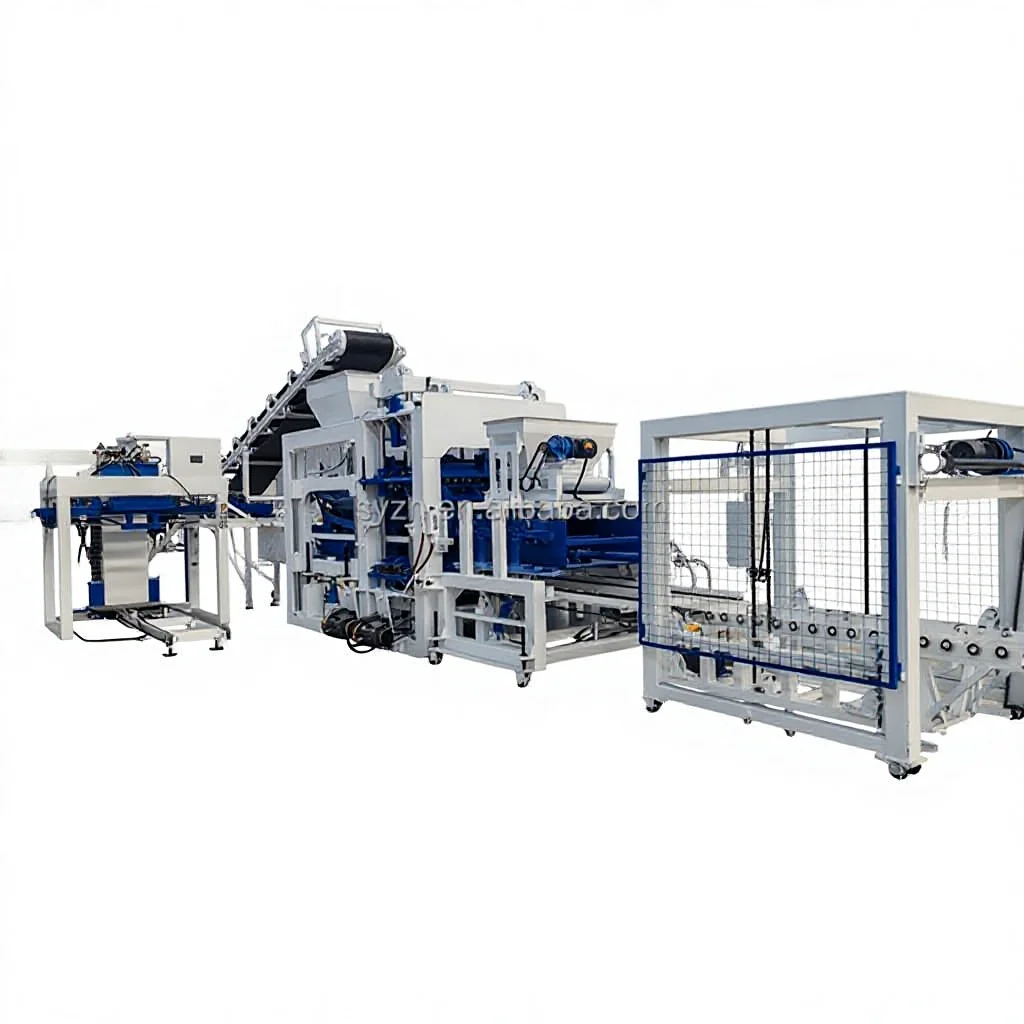
Single-System Approach — Machine, pallet, and handling are configured as one matched sequence rather than assembled from separate suppliers.
Technical Specifications
| Parameter | Value |
|---|---|
| Model | QT8-15 |
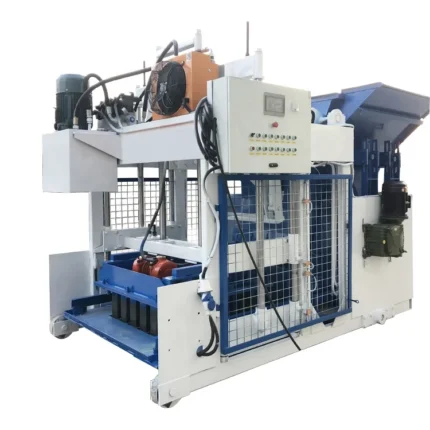
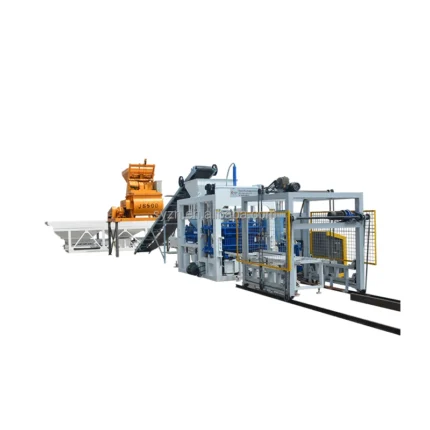
| Product Type | Fully Automatic Hydraulic Block Making Machine |
| Overall Dimensions (L×W×H) | 8300×1860×3000 mm |
| Rated Hydraulic Pressure | 21 MPa |
| Vibration Form | Platform Vibration |
| Vibration Frequency | 2800–4500 r/min |
| Vibration Force | 45 kN |
| Pallet Size | 950×900 mm |
| Molding Cycle | 15–20 s (basis not stated in source — confirm block format and material) |
| Total Installed Power | 55.5 kW |
| Demolding Method | Hydraulic |
| Total Machine Mass | 8 T |
| Factory Floor Area Required | 300 m² |
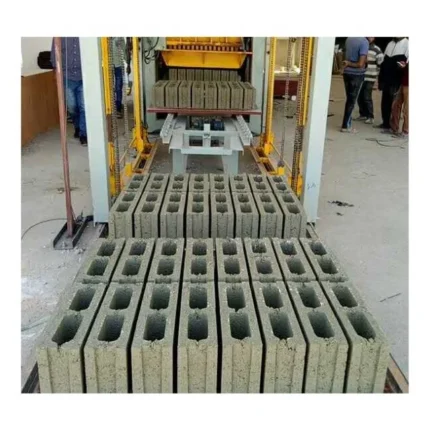
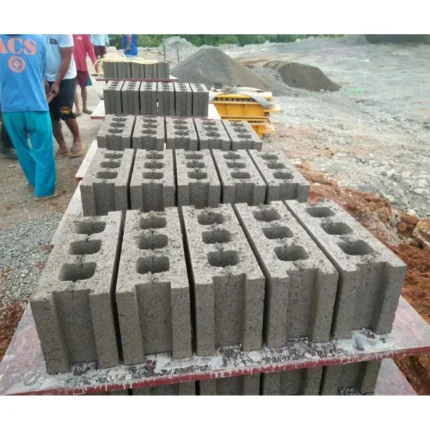
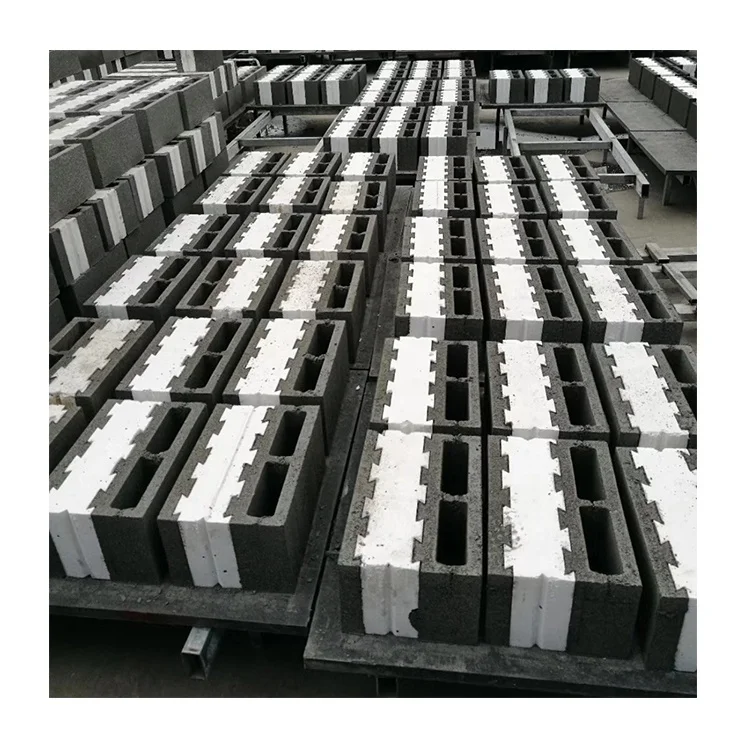
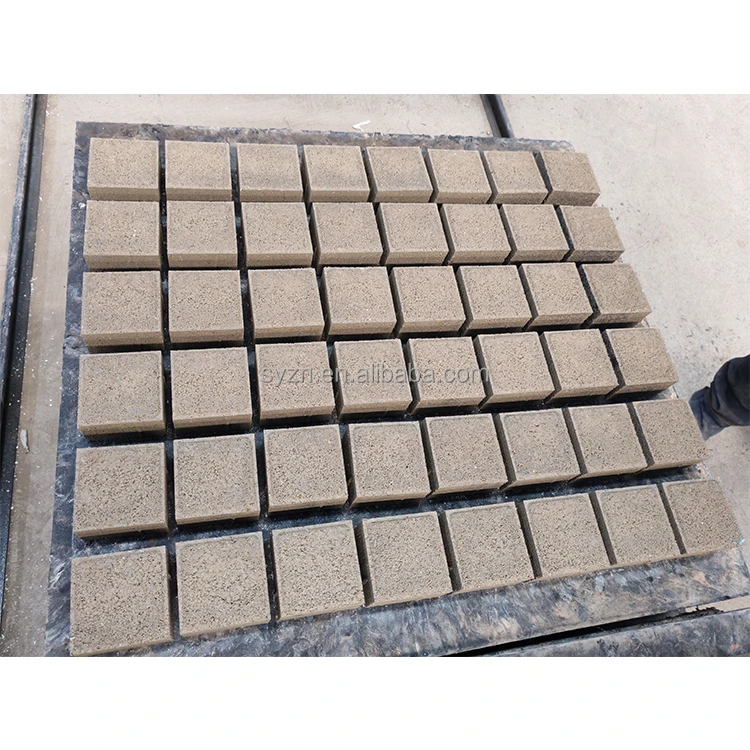
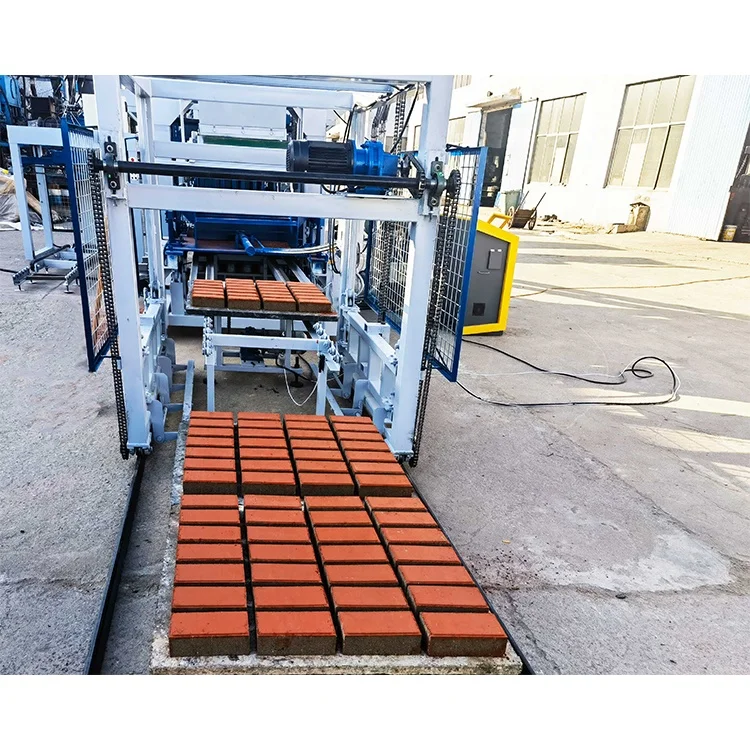
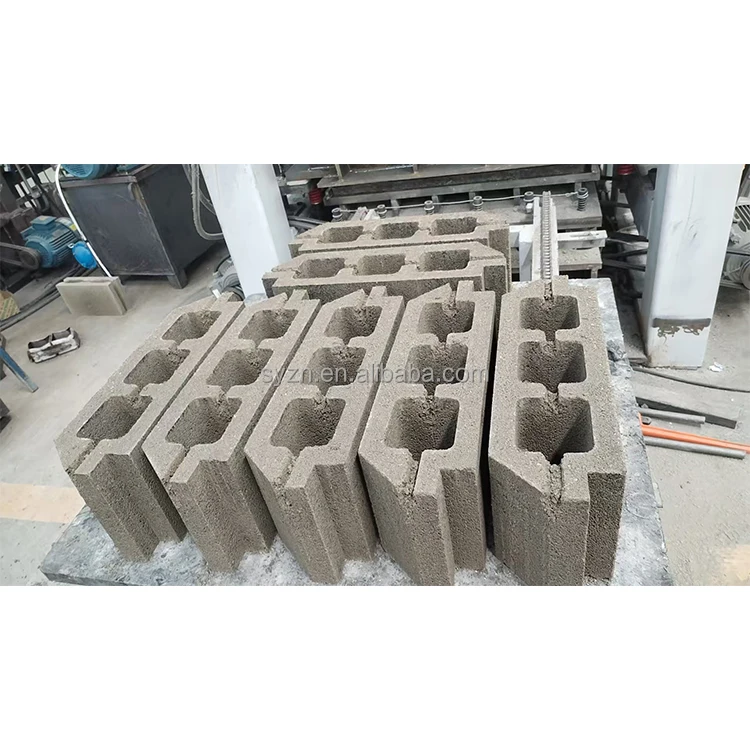
| Applied Block Formats | Hollow, solid, paving, interlocking, curbstone, colored pavers |
| Raw Materials | Crushed stone, sand, cement, fly ash, gravel, slag |
| Control System | PLC (brand, I/O count, and HMI language to confirm) |
| Voltage & Frequency | To confirm against target market |
| Automation Level | Full automatic (press and pallet feed; stacking and cubing scope to confirm) |
| Container Loading | 1×40HQ (basic equipment) |
| Warranty | 1 year (whole machine, excluding wear parts) |
Application Suitability
| Application Scenario | Material or Output |
|---|---|
| Hollow block production for commercial and residential walls | Crushed stone, sand, cement, fly ash blends |
| Solid block manufacturing for load-bearing structures | Gravel, cement, and sand mixes |
| Paving and colored paver runs for walkways and plazas | Fine aggregate with pigment-integrated cement |
| Interlocking brick production for retaining walls | Slag, dust, and cement combinations |
| Curbstone and kerb production for road infrastructure | Coarse aggregate with high cement content |
| On-site production for housing and development projects | Locally sourced aggregate and cement |
Why PLC Language and Voltage Must Be Confirmed Before the Machine Ships
A control panel in the wrong language stops a full-automatic line before the first cycle completes.
I spent the better part of a week in Peru standing next to a block machine that would not run because every prompt on the HMI was in English and the local operators could not respond to fault codes. The press was fine. The hydraulics were fine. The pallet feeder was waiting on a human who could not read the screen. When you invest in a PLC controlled block making machine, the intelligence layer only works if the people on the floor can actually interact with it [NEED_CITE: industrial HMI language requirements for export machinery].
The QT8-15 automatic QT8-15 block machine is designed to remove manual touchpoints from the pressing cycle — automatic pallet feeding, programmed vibration sequences, and hydraulic demolding all run through the PLC. That automation is worthless if the voltage at the site does not match what the control cabinet expects, or if the display language forces the plant owner to hire a translator for commissioning. These two variables, control language and electrical supply, need to be locked in writing before the machine enters production, not discovered during installation.
How PLC Recipes Keep Batch Consistency Across Format Changes
Every block format — hollow, solid, paver, interlocking — requires a different combination of vibration duration, hydraulic pressure, and feed timing. The QT8-15’s PLC stores a dedicated recipe for each mould loaded onto the press, so when an operator switches from 200 mm hollow blocks to a paving format, the machine recalls the exact parameters rather than relying on manual dial adjustments. This is the core advantage of a PLC controlled block making machine over relay-based systems: repeatability does not depend on operator memory.
Without recipe storage, the first pallet after a mould change is effectively a test run, and the next two or three pallets get scrapped while the operator dials in pressure and vibration by eye. Over a full shift with two or three format changes, those scrapped pallets add up to a meaningful material loss.
Where Full-Automatic Ends and the Buyer’s Line Begins
The QT8-15 covers the press cycle, pallet feeding, and hydraulic demolding within its automatic scope. What happens after the block leaves the press — stacking, curing rack handling, and cubing — depends on the line configuration the buyer selects. A plant that adds an automatic stacker and cubing system downstream closes the loop, meaning no operator touches a wet block from mixing to the curing rack. A plant that stops at the press output still has manual pallet handling and stacking to manage [NEED_CITE: automation levels in block production lines].
The key is to decide the automation boundary before the order is placed. Retrofitting an automatic stacker later is possible, but the electrical I/O and PLC program must have reserved capacity for it, which means specifying it during the initial configuration.
How Pressure, Vibration, and Pallet Size Interact on the QT8-15
The 21 MPa rated hydraulic pressure and 45 kN platform vibration work together: pressure compacts the mix vertically while vibration settles aggregate particles into a dense matrix. If vibration is too low for a given mix, the block emerges with weak edges and low compressive strength; if pressure is too high for a lightweight aggregate blend, the block cracks during demolding. Both values must be validated against the buyer’s actual mix design and local aggregate before the PLC recipe is finalized.
The 2800–4500 r/min vibration frequency range gives the PLC room to adjust for different formats — higher frequency for thin pavers, lower for tall hollow blocks. The 950×900 mm pallet size dictates how many cavities each mould can carry, which directly determines output per cycle. That pallet size also needs to match the curing racks and forklifts already in the plant; a mismatch here means either replacing the curing infrastructure or running a custom pallet that delays delivery.
The 15–20 s molding cycle applies across formats, but the actual cycle time depends on block height, material moisture, and the specific mould cavity count. A curbstone mould with deep draw will run closer to the upper end of that range, while a shallow paver mould may complete faster.
What Happens When Automation Peripherals Are Left Off the Quotation
Buyers who compare quotations line by line often find that one offer includes automatic pallet feeding and stacking while another covers only the press. The cheaper quote looks attractive until the plant opens and realizes that two workers are spending every shift manually moving pallets and stacking blocks — the exact labor the automatic QT8-15 block machine was supposed to remove. Those hidden labor costs accumulate every day the line runs and are rarely factored into the initial investment comparison [NEED_CITE: hidden cost of manual pallet handling in block plants].
Similarly, if the mould change system is manual bolt-down rather than a quick-change cartridge, a format switch can consume most of a shift. The buyer paid for format flexibility but cannot actually use it because changing the mould takes too long to be practical for short runs.
Why Buyers Source This Machine Through Our Configuration Process
Block machinery is our only product line, so the press, mould, pallet, and handling equipment are specified as a single matched system rather than assembled from unrelated suppliers. The QT8-15 configuration is set against your actual mix design, local aggregate, and target block format — not pulled from a catalogue default. Mould design and supply cover every format your market sells, with custom drawings available when a standard cavity layout does not fit.
The automation level is selectable, so a buyer can start with the press and pallet feeder on semi-automatic and add stacking and cubing later without replacing the press. Installation support includes operator training on the PLC recipe system, and the mould and wear parts list is provided upfront so replacements are available when first needed.
Documentation & Verification
- Line layout showing QT8-15 stations, pallet flow path, and floor space allocation
- Capacity calculation per block format stating the exact cavity count and cycle assumed
- PLC brand, I/O count, HMI language, and remote diagnostics confirmation sheet
- Voltage, frequency, and control cabinet wiring diagram matched to your site supply
- Factory test record on your specified mould format before dispatch
- Hydraulic and electrical schematic with spare parts cross-reference
Installation, Commissioning & Support
- Foundation slab rated for 8 T machine mass and platform vibration isolation across the 8300 mm footprint
- Dedicated power circuit matching confirmed voltage and 55.5 kW total draw with correct frequency
- SKD or assembled state confirmed before loading into the 40HQ container for your port
- PLC language and recipe parameters loaded and verified on-site during first production run
- Operator training covering mould change procedure, recipe recall, and fault code response
- Hydraulic seals and vibration motor brushes listed as first-replacement wear parts with sourcing details
What We Need From You to Build a Configuration
To size the QT8-15 and its line peripherals correctly, share your target block formats with dimensions, the daily volume you plan to run per format, and the raw materials available locally including aggregate type and cement grade. We also need your site voltage and frequency, the preferred PLC display language, and the curing area dimensions so the pallet specification aligns with your existing racks and forklifts.
Frequently Asked Questions
Q: How is the real daily output of the QT8-15 calculated per block format?
A: The 15–20 second molding cycle is a general range. Actual output depends on the specific block format, mould cavity count, and material characteristics. We provide a capacity calculation sheet that states output per format — for example, hollow blocks versus pavers — so you see realistic daily numbers rather than a single generic cycles-per-hour figure.
Q: What does the full-automatic scope include on the QT8-15?
A: The standard automatic scope covers the press cycle, pallet feeding, and hydraulic demolding. Stacking, cubing, and curing rack handling are configurable add-ons. We confirm which peripherals are included before the order is placed so the automation boundary matches your plant layout and labor plan.
Q: Which PLC brand and display language ship with the machine?
A: The PLC brand and HMI language are confirmed during the configuration stage, not assumed. We lock in the display language, voltage, and frequency in writing before production begins to prevent commissioning delays caused by unreadable screens or mismatched electrical supply at your site.
Q: Can a semi-automatic QT8-15 be upgraded to full-automatic later?
A: Yes. The press platform supports adding an automatic stacker and cubing system after initial installation, provided the PLC I/O and electrical cabinet were specified with reserved capacity during the original build. We plan the upgrade path at the quotation stage so retrofitting does not require replacing the control system.
Q: How is voltage and frequency confirmed before shipment?
A: We request your site electrical specifications during the inquiry stage and confirm voltage, frequency, and plug or terminal standards in writing. The control cabinet is wired and labeled accordingly, and a wiring diagram is included in the documentation package so your local electrician can connect the machine without guesswork on arrival.