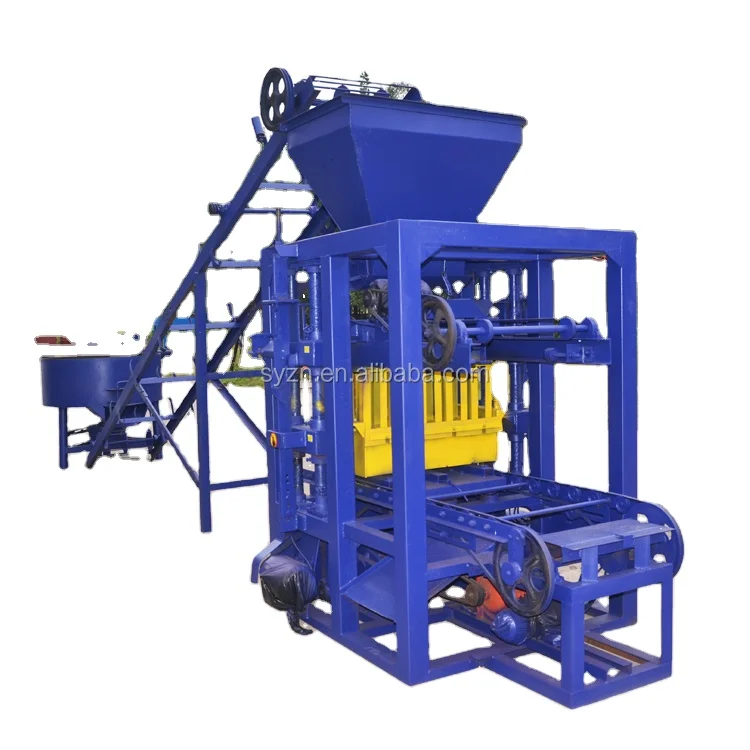


Description
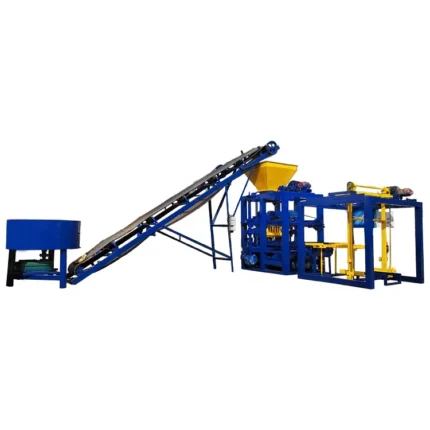
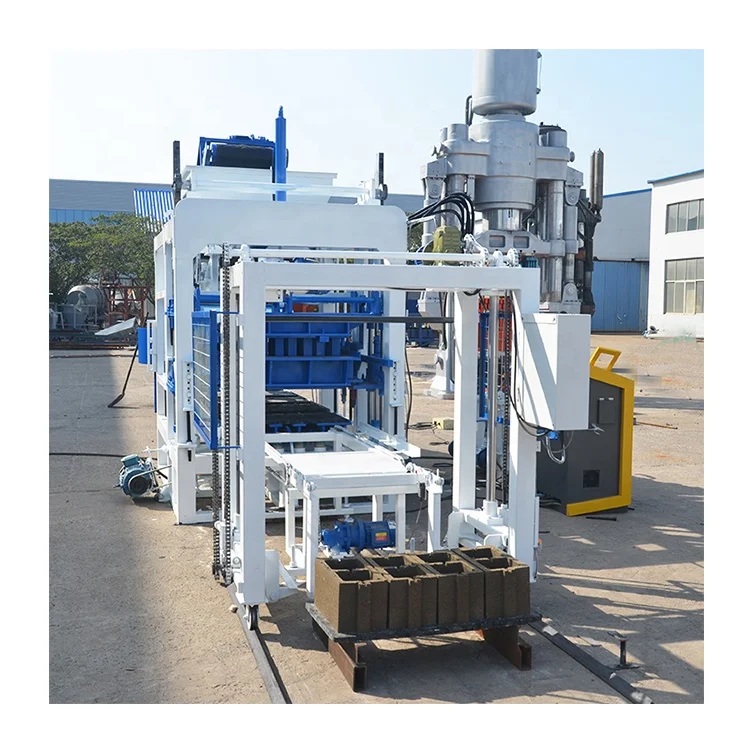
Intelligent Control — The QTJ4-26 block machine pairs PLC automation with vertical vibration to remove operator inconsistency from every pressing cycle, giving you a semi-automatic platform ready for full-line automation when your output grows.
Technical Specifications
| Parameter | Value |
|---|---|
| Model | QTJ4-26 |
| Product Type | Concrete Block Making Machine |
| Overall Dimensions (L×W×H) | 2060×1730×2580 mm |
| Molding Cycle | 26 s |
| Vibration Frequency | 4200 r/min |
| Vibration Force | 35.5 kN |
| Total Power | 14.25 kW |
| Mixer Model | JQ350 |
| Pallet Size | 850×450×20 mm |
| Net Weight | 1800 kg |
| Control System | PLC (language and brand to confirm) |
| Automation Level | Semi-automatic, mould movement on four guide pillars |
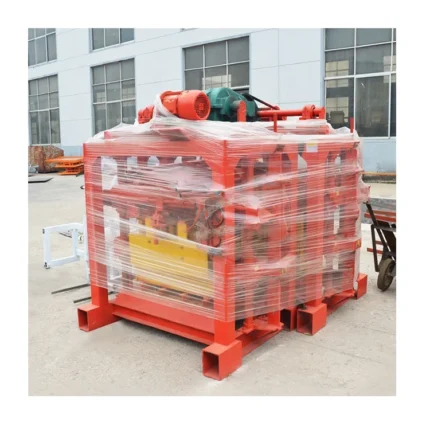
| Assembly State | Nude packing in 20GP container |
| Output (390×190×190 mm hollow) | 480 pcs/h (basis: 4 pcs/mould, 26 s cycle) |
| Output (400×150×200 mm hollow) | 600 pcs/h (basis: 5 pcs/mould, 26 s cycle) |
| Output (240×115×53 mm solid brick) | 2100 pcs/h (basis: 18 pcs/mould, 26 s cycle) |
Application Suitability
| Application | Material or Output |
|---|---|
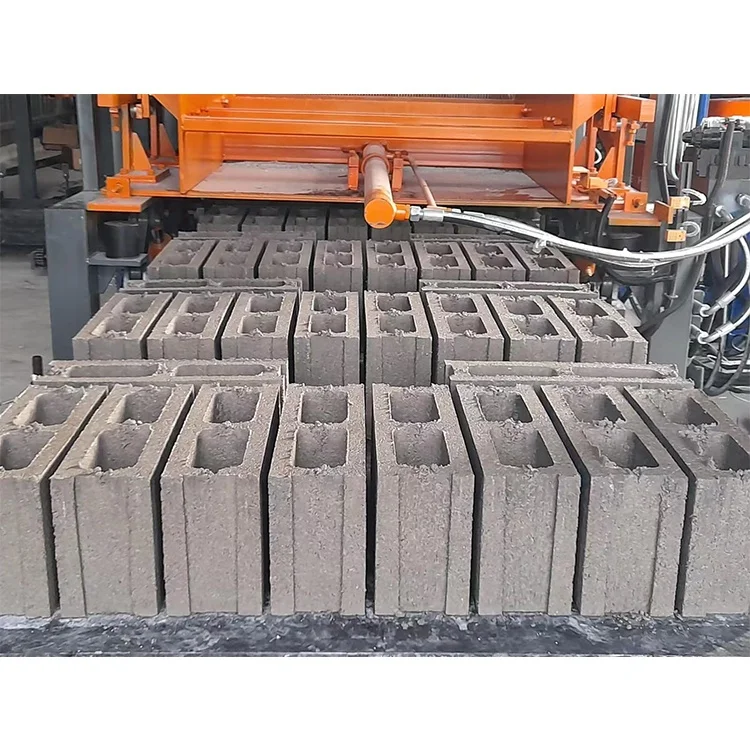
| Hollow block production | Crushed stone, sand, cement, fly ash (8-inch and 6-inch formats) |
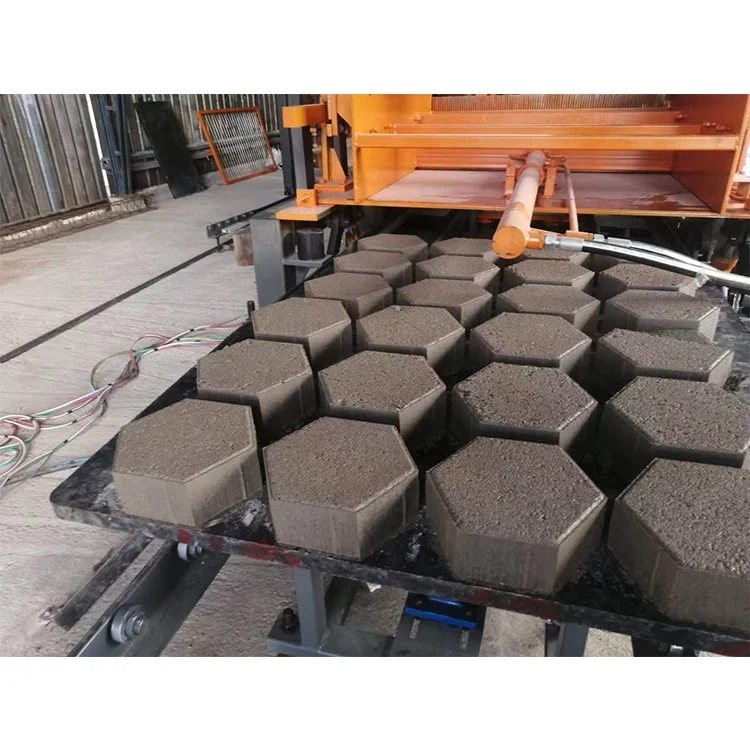
| Solid brick production | Standard 240×115×53 mm clay-replacement bricks from local aggregate |
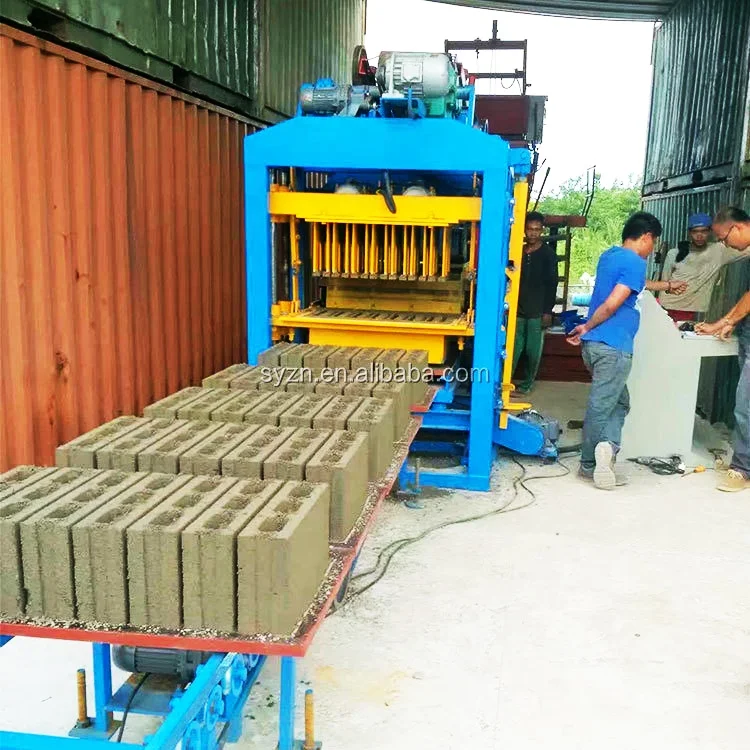
| On-site contractor block work | Mobile plant setup producing hollow and solid formats from project-site materials |
| First-time block plant startup | Semi-automatic entry point producing hollow blocks and solid bricks before upgrading to full automation |
What "600 Blocks per Hour" Actually Means for Your Daily Plan
Catalogue capacity assumes one block format on a perfect cycle; your daily output depends on which mould is loaded and how your local mix behaves under vibration.
I remember a buyer who ordered a machine based on the highest output number on the spec sheet, only to discover that figure assumed a small solid brick they did not even sell in their market. When they switched to the 8-inch hollow block their customers actually wanted, the cycle stretched and pallet handling became the bottleneck. The automatic QTJ4-26 block machine lists capacity per format — 480 pcs/h for 390×190×190 mm hollow blocks, 600 pcs/h for 400×150×200 mm hollow blocks, and 2100 pcs/h for 240×115×53 mm solid bricks — each tied to a specific mould cavity count and the 26-second cycle. That way you plan shifts and curing space against the product you will actually ship. [NEED_CITE: block format assumptions in capacity quotations across manufacturers]
How PLC Control Removes Operator Guesswork
On a manual press, the operator decides when to lift the mould and when to feed the next pallet. That variability shows up in block density — some pieces come out strong, others crumble at the edges. The PLC controlled concrete block machine runs the mould movement on four guide pillars with repeatable timing, so every cycle matches the last. The operator loads raw material and clears finished pallets, but the pressing sequence stays constant regardless of shift changes or fatigue.
Where Semi-Automatic Fits in Your Growth Path
Starting with a semi-automatic line keeps your initial investment contained while you learn the market. The QTJ4-26 handles the pressing cycle automatically, leaving pallet feeding and stacking as manual stations. When your volume justifies it, you can add automatic pallet feeding, stacking, and cubing without replacing the press itself. I have seen contractors begin with this exact configuration on a housing project, then add the handling equipment once daily demand crossed a clear threshold. [NEED_CITE: typical upgrade sequence from semi-automatic to fully automatic block lines]
Reading the Vibration and Power Numbers
The 35.5 kN vibration force working at 4200 r/min is what compacts your mix into a dense block before the mould lifts. Too little force and the block slumps; too much and fine aggregate separates from the cement paste. This machine’s dual vibrating motors sit beneath the mould table, directing energy upward through the mix while the upper mould applies mechanical pressure from above. The 14.25 kW total power covers both vibration motors and the JQ350 mixer, meaning you need a supply circuit that handles the combined start-up surge. The 850×450×20 mm pallet size must match your curing rack spacing and the forklift tines you already own — get this wrong and you are either rebuilding your curing yard or buying new handling equipment on arrival.
The Cost of Skipping Voltage and Language Confirmation
A machine wired for 380V/50Hz arriving in a market running 440V/60Hz will burn out motors within days, and a PLC display in a language your operators cannot read turns a simple fault code into a half-day troubleshooting session. I once helped a buyer who had to fly in an electrician because the control panel labels were unreadable on site. Confirming voltage, frequency, and PLC display language before production starts costs nothing; fixing it after the container arrives costs weeks. [NEED_CITE: electrical compatibility issues in exported machinery installations]
Why Configuration Matters More Than the Nameplate
The QTJ4-26 is set against your actual mix design and local aggregate, not a generic catalogue default. If your sand carries high clay content, vibration parameters need adjustment or the blocks will crack during curing. Mould design covers the formats your market actually buys, including custom drawings if your region uses non-standard dimensions. The semi-automatic platform leaves a clear upgrade path to automatic stacking and cubing when your daily volume grows. Factory testing verifies cycle time and vibration force against your target block format before the machine leaves our floor. Documentation arrives with the machine: hydraulic and electrical schematics, mould drawings, and a test record showing the exact format you ordered.
Documentation & Verification
- Line layout stating capacity per block format with assumed cycle time
- Mould drawing and format list reviewed against your local market dimensions
- Voltage, frequency, and PLC language confirmation sheet signed before production
- Factory test record with vibration force and cycle time verified per target format
- Hydraulic and electrical schematic for on-site troubleshooting
- Operation manual covering mould change and daily maintenance intervals
Installation, Commissioning & Support
- Foundation slab must support 1800 kg machine weight plus dynamic vibration load
- Dedicated power circuit rated for 14.25 kW with correct voltage and frequency
- Nude packing in 20GP container requires on-site reassembly of guide pillars and mixer
- First-run commissioning includes vibration tuning matched to your local aggregate
- Operator training covers PLC fault codes, mould change procedure, and daily greasing points
- Wear parts list with hydraulic seals and vibration motor bearings for first replacement order
Before You Request a Quote
Tell us which block format your market actually buys — dimensions, not just "hollow block" — and the daily volume you need to hit. Share your local aggregate type so we can match vibration parameters, and confirm your site voltage and frequency. If you already have curing racks and forklifts, send the pallet dimensions they accept so the 850×450×20 mm pallet size is verified before we build.
Frequently Asked Questions
Q: How is output capacity verified for each block format?
A: Each capacity figure ties to a specific mould cavity count and the 26-second molding cycle. For example, the 390×190×190 mm hollow block runs 4 pieces per mould at 480 pcs/h. We state the format assumed so your daily planning starts from real numbers, not a single headline figure that only applies to one product.
Q: What PLC language and voltage options can I get?
A: The PLC display language and electrical configuration are confirmed before production begins. We match voltage and frequency to your local grid standard — running a 50Hz machine on a 60Hz supply damages motors quickly. Tell us your market and we lock the specification before the machine is built.
Q: How do I match vibration force to my local aggregate?
A: High-clay or fine-dust aggregates respond differently to the 35.5 kN vibration force than clean crushed stone. We adjust vibration parameters during factory testing using a sample of your mix. This prevents weak blocks or surface cracking once the machine is running on your site with local materials.
Q: What is the upgrade path from this semi-automatic setup?
A: The QTJ4-26 handles pressing automatically while pallet feeding and stacking remain manual. When your volume grows, you can add automatic pallet feeding, stacking, and cubing equipment around the same press. The PLC platform supports these additions without replacing the core machine.
Q: Which pallet size should I choose for my existing curing area?
A: The standard 850×450×20 mm pallet must align with your curing rack spacing and forklift tine width. If your existing racks are narrower or your forklift uses shorter tines, we adjust the pallet specification before production so everything fits when the machine arrives.