

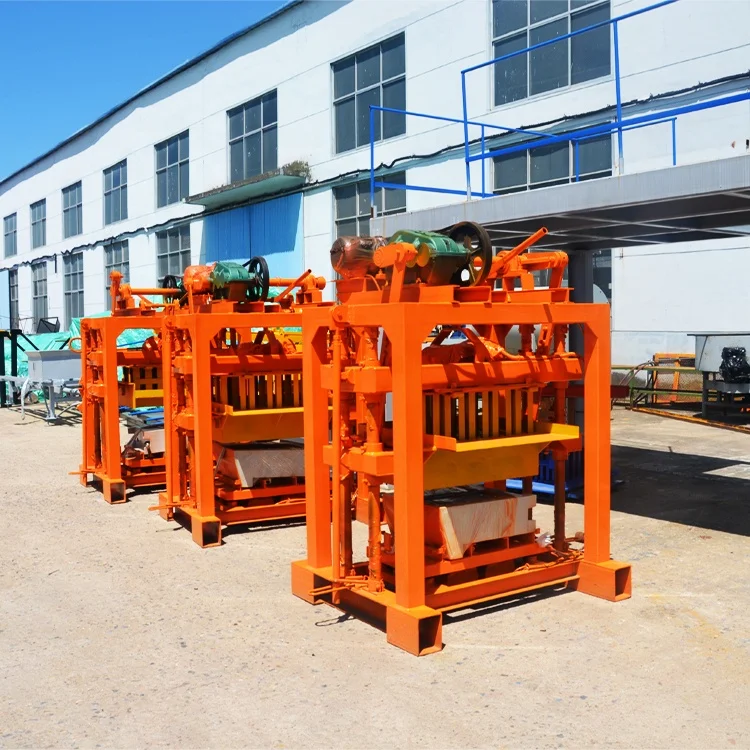
Description
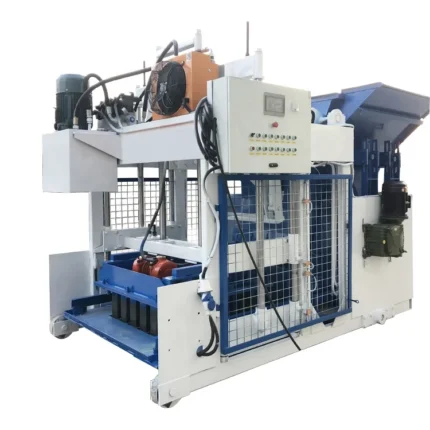
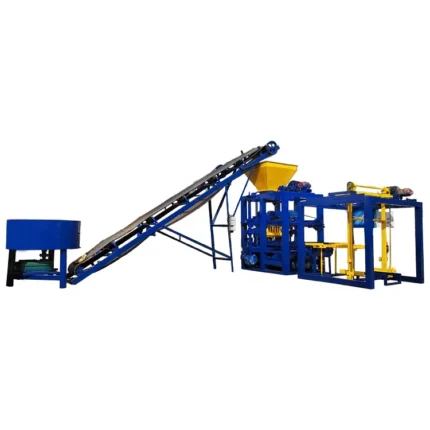
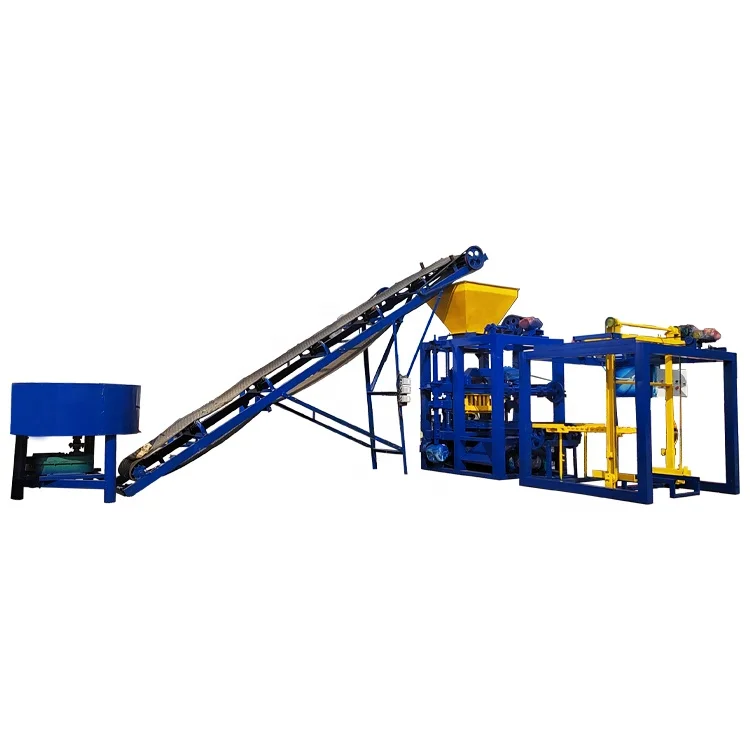
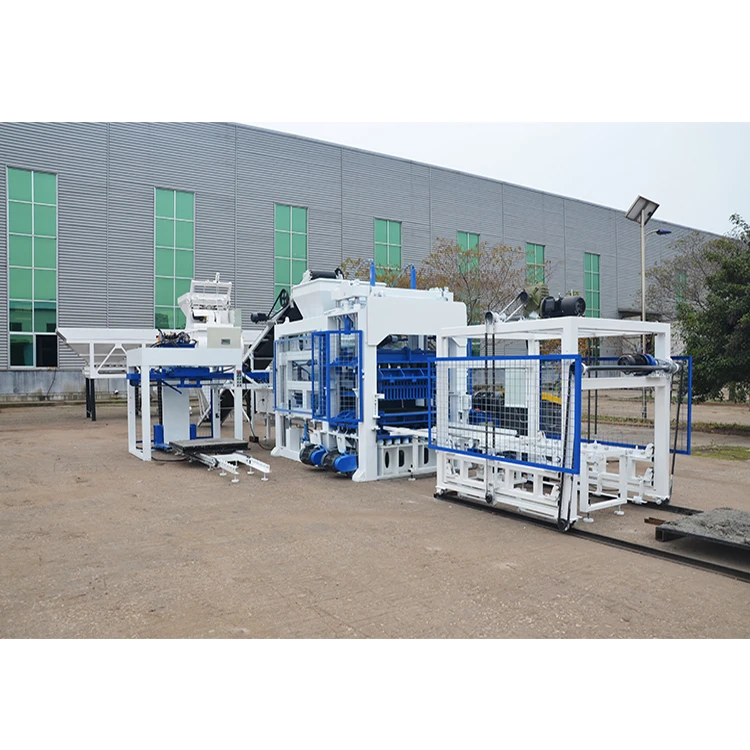
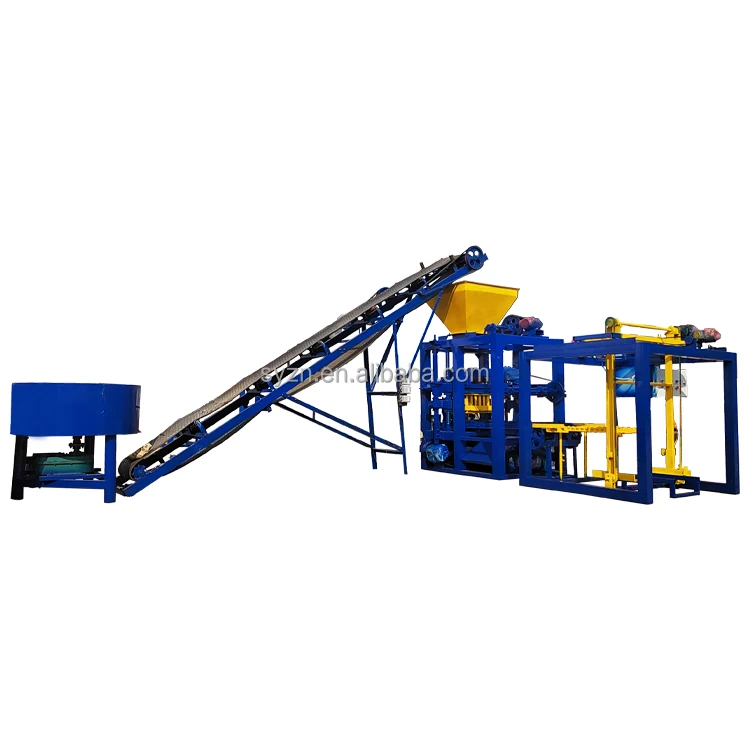
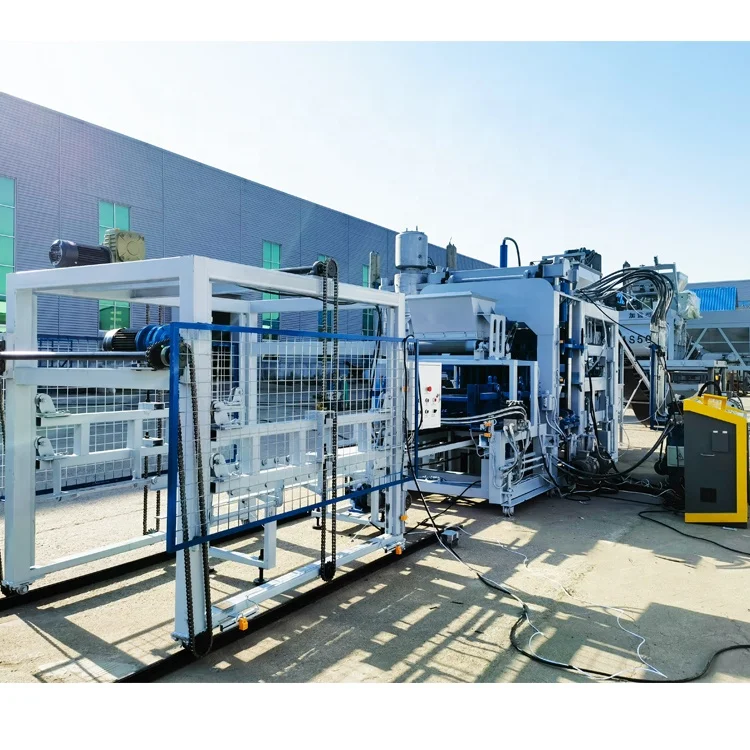
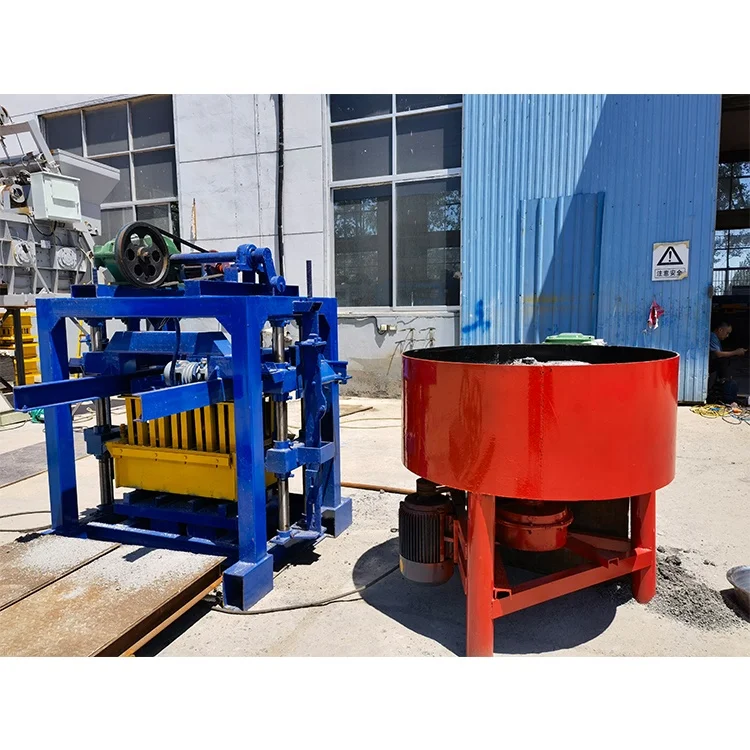
Smart Control Foundation — The QTJ4-40 semi-automatic block machine eliminates inconsistent manual vibration while leaving a clear automation upgrade path for growing plants.
Technical Specifications
| Parameter | Value |
|---|---|
| Model | QTJ4-40 |
| Product Type | Semi-Automatic Concrete Block Making Machine |
| Machine Power | 10.4 kW |
| Molding Cycle | 40 s |
| Output Capacity (400×200×200 mm hollow block, 4 pcs/mould) | 360 pcs/h, 2800 pcs/day |
| Output Capacity (400×150×200 mm hollow block, 5 pcs/mould) | 450 pcs/h, 3600 pcs/day |
| Output Capacity (225×112.5×60 mm solid block, 9 pcs/mould) | 800 pcs/h, 6400 pcs/day |
| Vibration System | Bed mould vertical vibration + upper mould compression vibration |
| Mould Actuation | Top die push-pull with automatic scraper |
| Pallet Size | 850×450 mm |
| Overall Dimensions (L×W×H) | 1350×1460×1800 mm |
| Machine Weight | 1 T |
| Voltage | Configurable to buyer’s local supply (exact value to be confirmed) |
| Automation Level | Semi-automatic |
| Control System / PLC / Language Options | To be confirmed with buyer |
| Raw Materials | Concrete, sand, cement, fly ash, lime, gypsum |
Application Suitability
| Application | Material or Output |
|---|---|
| Small to medium concrete block production plants | Hollow blocks, solid blocks from standard concrete or sand-cement mixes |
| On-site block production for construction contractors | Solid and hollow blocks using locally sourced aggregate and cement |
| First block plant for entrepreneurs | Pavers and wall blocks from fly ash, lime or gypsum-based mixes |
| Format expansion for existing product manufacturers | Interlocking and kerbstone formats via mould change on the same press |
Why the Stated Output Depends Entirely on Your Block Format
A single headline capacity number hides the real daily throughput a buyer will actually see on the shop floor.
When a quotation lists one output figure without stating the block format, pallet size, and cycle time it assumes, the machine often arrives and produces far fewer blocks per shift than the buyer planned for. The QTJ4-40 illustrates this clearly: the same press produces 2800 hollow blocks per day at 400×200×200 mm, yet reaches 6400 solid blocks per day at 225×112.5×60 mm — both on a 40-second cycle. The difference is geometry, not machine speed. I have watched plant owners in East Africa base their entire block sales forecast on the higher solid-block number, only to discover their market primarily buys hollow blocks. The automatic QTJ4-40 block making machine must be quoted against the specific format the buyer’s customers actually purchase [NEED_CITE: block format demand by regional construction market].
What the PLC Controlled Semi-Automatic Block Machine Actually Automates
On this press, the heaviest and most consistency-critical steps are removed from the operator. The dual vibration system — vertical vibration on the bed mould combined with compression vibration on the upper mould — fires at a set frequency every cycle, eliminating the uneven compaction that manual tamping always introduces. The top die push-pull mechanism with automatic scraper aligns the squeeze head to the mould cavity without operator judgement. What remains manual is pallet handling, wet block transfer, and stacking — the tasks that require human judgement but not heavy physical force.
Positioning the QTJ4-40 on the Automation Upgrade Path
A buyer moving from fully manual block production typically faces a large jump in capital and operator skill when going straight to a PLC-controlled automatic line with batching, pallet circulation, and robotic stacking. The PLC controlled semi-automatic block machine sits at the midpoint: it secures block density and dimensional accuracy at the press stage while the plant owner learns the discipline of cycle timing and mould change procedure. When daily demand later justifies it, the pallet size, mould interface, and block format library remain constant — the upgrade adds automatic pallet feeding and stacking around the same press footprint rather than replacing it [NEED_CITE: semi-automatic to automatic block line upgrade path].
Reading the Specifications That Directly Affect Your Daily Output
The 10.4 kW total machine power must be matched to the local supply; arriving at a site with single-phase or unstable three-phase power without prior confirmation delays commissioning by weeks. The 850×450 mm pallet size is a fixed parameter: it dictates the spacing of curing rack rails, the fork pocket width on existing forklifts, and the dimensions of the curing yard. Order pallets that do not match the yard layout and every block must be restacked by hand before curing. The 1 T machine weight and compact 1350×1460×1800 mm footprint mean the press can be positioned inside a standard 20-foot container for shipment and relocated on-site without heavy rigging, which matters for contractors producing blocks at a remote project location. The 40-second moulding cycle is achievable only when the operator can load and remove pallets within that window — any delay in pallet handling directly extends the real cycle time.
What Happens When Voltage and Control Language Are Left Unconfirmed
Arriving at a commissioning site to find the local grid runs at a frequency the motor was not wound for is one of the most common avoidable delays in block machinery export. The control display, if fitted, defaults to a language the operator cannot read, so cycle parameters are never adjusted when the mix changes. I have seen plants run for weeks at incorrect vibration frequency because the operator could not navigate the menu [NEED_CITE: voltage and frequency standards by export market]. The cost is not the rewinding of a motor — it is two weeks of lost production while the correct transformer or VFD is sourced locally.
Why This Machine Is Specified as Part of a Matched System
Block machinery is the single focus of the supply, so the press, mould, pallet, and handling equipment are specified together against the buyer’s actual aggregate and target format rather than assembled from separate catalogue pages. Configuration starts from the buyer’s local mix design — whether that is volcanic scoria in the Rift Valley or river sand with high fines content — not from a default setting. Mould design covers the formats the buyer’s market sells, including custom drawings for non-standard interlocking profiles. The automation level is selectable at order, so a plant can start on the QTJ4-40 and add pallet circulation later without changing the press. Installation includes on-site commissioning with operator training tied to the buyer’s specific block format and mould change procedure.
Documentation & Verification
- Line layout and capacity calculation stating the assumed block format and cycle time
- Machine specification sheet with confirmed voltage, frequency, and control language
- Mould drawing and format list matching the buyer’s product range
- Factory test record documenting vibration force and cycle time against the target format
- Operation and maintenance manual with wear parts list and mould catalogue
Installation, Commissioning & Support
- Level concrete pad with anchor bolt layout matching the 1350×1460 mm base footprint
- Dedicated three-phase circuit rated for the 10.4 kW total load with confirmed voltage
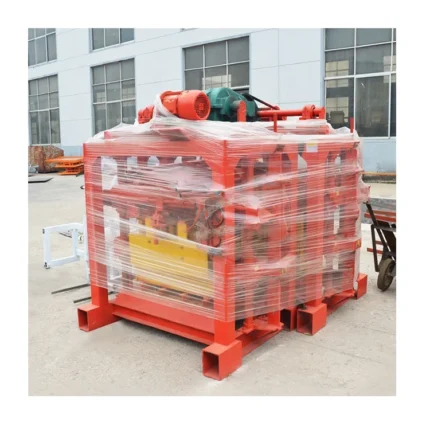
- Machine dismantled for container loading and reassembled on-site with alignment check
- First-run commissioning with vibration frequency and cycle time set to the buyer’s block format
- Operator training covering mould change procedure, scraper adjustment, and daily greasing points
- Wear parts and mould inventory list provided at handover for first replacement planning
What to Prepare Before Requesting a Quotation
Provide the exact block formats your market buys, the daily output you need for each, and the local aggregate you will use — including a sample if possible. Confirm your site voltage, frequency, and preferred control display language so the machine ships ready to run. If you already have curing racks and forklifts on site, share the pallet dimensions they accommodate so the 850×450 mm pallet specification is verified before production begins.
Frequently Asked Questions
Q: What does "semi-automatic" actually automate on the QTJ4-40, and what still requires the operator?
A: The press automates vibration, upper mould compression, and top die alignment through the push-pull scraper mechanism. The operator still places and removes pallets, transfers wet blocks to the curing area, and handles stacking. This removes the heaviest and most consistency-critical tasks while keeping capital cost below a fully automatic line.
Q: How do I verify the stated output capacity against my specific block format?
A: Request the capacity calculation sheet that states the exact block dimensions, pieces per mould, and cycle time used. The QTJ4-40 produces different daily totals for hollow versus solid blocks because geometry determines pieces per cycle, not machine speed. Compare the calculation against your actual product mix.
Q: What is the upgrade path from this machine to a fully PLC-controlled automatic line?
A: The pallet size, mould interface, and block format library remain constant. The upgrade adds automatic pallet feeding, pallet circulation, and stacking equipment around the same press footprint. The buyer does not replace the press — the surrounding stations are added when daily volume justifies the investment.
Q: How must pallet size be matched to my existing curing racks and forklift?
A: The QTJ4-40 uses an 850×450 mm pallet. Before ordering, confirm that your curing rack rails accept this width, and that your forklift fork pockets align with the pallet runners. A mismatch means every block must be restacked before curing, adding labour the machine was meant to reduce.
Q: What voltage and control language options are confirmed before the machine ships?
A: Voltage, frequency, and control display language must be confirmed during the quotation stage. The machine is wound and configured to the buyer’s local supply and preferred operator language before factory testing, so commissioning is not delayed by electrical or interface mismatches on arrival.