

Buy Mobile Egg Layer Machine Container QT4-25 for Sale
The machine price is never the biggest cost in a container deal—pallet specification and container loading plan are.
Buying a mobile egg layer machine on a container deal requires matching machine dimensions to container type, verifying load-bearing specs against local raw material density, and confirming CIF or FOB terms before shipment—so buyers avoid on-site jams and hidden port costs.
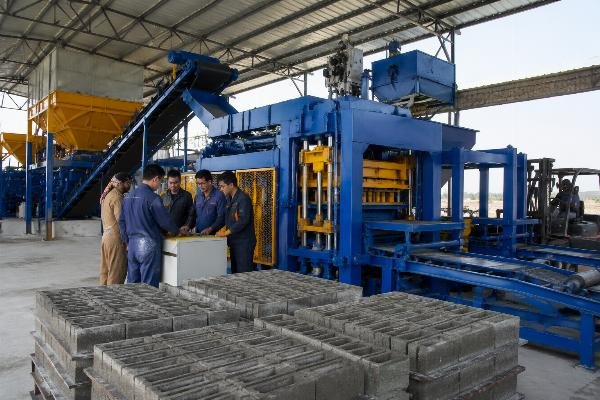
I still remember the first time I flew to Dar es Salaam for a commissioning call. A small-block yard had just received a container-deal mobile line, and within the first week, the pallet return system jammed repeatedly. The buyer had substituted warped wooden pallets for the specified steel ones, assuming "mobile" meant plug-and-play on any surface. We spent three days retraining the crew on pallet standardization and foundation leveling before the line ran smoothly. That trip reshaped how I approach every container deal conversation: the machine itself is only half the equation. [NEED_CITE: mobile block machine first-week downtime root cause distribution per field service reports]
Let me walk you through the exact checkpoints I now run with every buyer before a container deal moves forward.
What Specs Should You Verify Before Buying a Mobile Egg Layer Machine on Container Deal?
Match machine dimensions, pallet type, and motor voltage to your site conditions before signing the contract—not after the container arrives.
When buyers search for a mobile egg layer machine container deal, they often focus on output capacity and price per unit. But three specification mismatches cause the majority of first-week failures in emerging markets: pallet material tolerance, motor voltage compatibility with unstable grids, and raw material density versus machine vibration settings.
| Specification Factor | Verified Deal | Unverified Deal |
|---|---|---|
| Pallet Material | Steel, dimensionally controlled | Wooden, warped within weeks |
| Motor Voltage Tolerance | Controlled range for unstable grids | Fixed spec, burns out on fluctuation |
| Vibration Calibration | Adjusted to local aggregate density | Factory default, cracks blocks |
| Foundation Requirement | Leveling plan provided | Assumed flat ground |
[NEED_CITE: mobile block machine failure root causes linked to pallet and voltage mismatch]
A West African investor once upgraded from manual production to a mobile egg-laying line. The order went smoothly until the container arrived and the team realized the machine footprint exceeded their yard’s prepared area. They had not verified the foundation leveling requirement beforehand. The delay cost them weeks of lost production and additional civil work.
Always request a pre-shipment spec sheet that includes pallet material recommendation, motor voltage tolerance range, and vibration adjustment parameters for your specific aggregate type. If the supplier cannot provide this, walk away.
How Do You Calculate Container Loading for a Mobile Block Machine?
Container type selection depends on machine footprint and auxiliary equipment layout—improper planning causes costly re-stuffing at the port.
This is where most buyers miscalculate. A mobile egg layer machine container deal looks straightforward until you factor in the pallets, mixers, conveyors, and spare parts that must share the same container. The internal dimensions of a standard container versus the machine footprint determine whether you need a single container or multiple shipments.
The loading sequence matters as much as the container type. Heavy components must be positioned over the axle lines to comply with road weight limits at the destination port. I have seen deals where the machine was stuffed without a loading plan, and the port authority refused to release the container until the weight distribution was corrected—adding days of demurrage charges.
| Container Type | Typical Use Case | Loading Risk |
|---|---|---|
| Standard short container | Machine only, minimal auxiliaries | Overweight axle if unbalanced |
| High-cube container | Machine plus pallets and mixer | Underutilized height if poorly stacked |
| Open-top or flat-rack | Oversized auxiliary equipment | Higher freight cost, customs scrutiny |
[NEED_CITE: container loading weight distribution standards per ISO specifications]
A MENA distributor negotiating a bulk container deal once discovered at the loading port that the auxiliary batching plant did not fit alongside the main unit. The re-stuffing delay added significant cost and pushed the delivery timeline back by weeks. The lesson: request a detailed loading plan from the supplier before finalizing the deal, and confirm that every component—including spare moulds and pallets—is accounted for in the container layout.
FOB vs. CIF: Which Container Deal Term Saves You More on a Mobile Egg Layer?
CIF looks cheaper on the invoice but often hides port handling and customs clearance fees that exceed the freight savings—FOB gives more control if you have a reliable forwarder.
This is one of the most misunderstood aspects of a mobile egg layer machine container deal. Buyers see a CIF price and assume it covers everything to their door. In reality, CIF only covers cost, insurance, and freight to the destination port. Port handling charges, terminal handling fees, customs clearance, and inland transport are almost always the buyer’s responsibility—and these hidden costs can add up to a substantial portion of the total landed cost.
[NEED_CITE: Incoterms 2020 CIF versus FOB cost breakdown for industrial machinery imports]
| Cost Component | FOB Deal | CIF Deal |
|---|---|---|
| Machine price at factory | Buyer pays | Included |
| International freight | Buyer arranges | Seller arranges |
| Marine insurance | Buyer arranges | Seller arranges |
| Destination port handling | Buyer pays | Buyer pays |
| Customs clearance | Buyer arranges | Buyer arranges |
| Inland transport | Buyer arranges | Buyer arranges |
A buyer in East Africa once chose CIF because the invoice looked lower. When the container arrived, the port handling fees and customs duties were significantly higher than expected because the forwarder used by the seller did not negotiate local rates. The total landed cost ended up higher than if the buyer had arranged FOB with their own forwarder.
If you have an established freight forwarder with experience in industrial machinery imports, FOB typically gives you better cost control and transparency. If you are importing for the first time and lack local forwarding relationships, CIF may simplify logistics—but request a detailed cost breakdown before signing.
What Inspection Checkpoints Prevent First-Week Jams After Container Arrival?
Pallet standardization, foundation leveling, and voltage verification are the top three pre-commissioning musts—skip any one and you risk extended downtime.
The container has arrived. The machine is unloaded. Now what? This is where the real work begins, and where most buyers are unprepared. I have walked into sites where the machine sat idle for weeks because the buyer skipped basic pre-commissioning checks.
The first checkpoint is pallet standardization. Mobile egg-laying machines are designed to work with specific pallet dimensions and materials. If you substitute wooden pallets for steel, or use pallets with warped edges, the return system will jam within the first production cycle. Always verify pallet dimensions against the machine specification before the container ships, and order spare pallets in the same shipment.
The second checkpoint is foundation leveling. "Mobile" does not mean the machine can run on uneven ground. The vibration system requires a level surface to produce consistent block density. If the foundation is uneven, blocks will crack, moulds will wear unevenly, and the machine will vibrate itself into misalignment. Request a foundation preparation guide from the supplier and have civil work completed before the machine arrives.
The third checkpoint is voltage verification. In many emerging markets, grid voltage fluctuates significantly. If the machine motor is not rated for the local voltage tolerance range, it will burn out—often within the first month. Request a motor specification sheet that confirms compatibility with your local grid conditions, and consider installing a voltage stabilizer as a precaution.
| Pre-Commissioning Checkpoint | Common Failure if Skipped |
|---|---|
| Pallet standardization | Return system jam, production halt |
| Foundation leveling | Block cracking, mould wear, machine misalignment |
| Voltage verification | Motor burnout, extended downtime |
[NEED_CITE: mobile block machine pre-commissioning checklist and common failure modes]
A small-block yard in East Africa learned this the hard way. They received their mobile egg layer machine container deal, skipped the foundation leveling step, and started production on uneven ground. Within days, blocks were cracking and the vibration system was showing signs of misalignment. They had to halt production, pour a new foundation, and recalibrate the machine—losing weeks of revenue.
How Do You Negotiate Spare Parts and After-Sales Terms in a Container Deal?
Lock in a spare parts ratio per container and on-site training days before the machine leaves the port—after-sales support is negotiable, but only if you raise it early.
Most buyers negotiate the machine price and shipping terms, then treat spare parts and after-sales support as an afterthought. This is a mistake. In a mobile egg layer machine container deal, the spare parts package and training terms determine whether your operation survives the first year.
Request a spare parts list that covers wear components for the first production cycle—moulds, vibration motors, hydraulic seals, and pallet return system parts. The ratio of spare parts to machine value should be clearly stated in the contract. If the supplier is reluctant to include a spare parts package, that is a red flag.
On-site training is equally critical. Many suppliers offer remote commissioning support, but for buyers new to automated block production, on-site training by an experienced technician is essential. Negotiate a specific number of training days in the contract, and confirm that the technician has experience with your local raw materials and operating conditions.
| After-Sales Term | Negotiate Before Shipment |
|---|---|
| Spare parts ratio | Confirm coverage for first production cycle |
| On-site training days | Specify number of days and technician experience |
| Remote support availability | Confirm response time and language capability |
| Warranty scope | Clarify coverage for motor, hydraulic system, and structural components |
[NEED_CITE: spare parts ratio and after-sales terms negotiation for mobile block machine container deals]
A buyer in Latin America once received a mobile egg layer machine without a spare parts package. When the vibration motor failed within the first month, they had to source a replacement locally at a significantly higher cost and wait weeks for delivery. The production halt cost them far more than the spare parts package would have cost upfront.
Always negotiate spare parts and training terms before the container leaves the port. Once the machine is shipped, your leverage drops significantly.
Conclusion
A successful mobile egg layer machine container deal depends on spec verification, loading planning, trade term clarity, pre-commissioning checks, and after-sales negotiation—not just the machine price. Match your pallet material, motor voltage, and foundation preparation to local conditions. Understand the true cost structure of FOB versus CIF. And lock in spare parts and training terms before the container ships. These steps separate buyers who run profitable operations from those who spend their first year troubleshooting avoidable failures.
Leave a Reply