
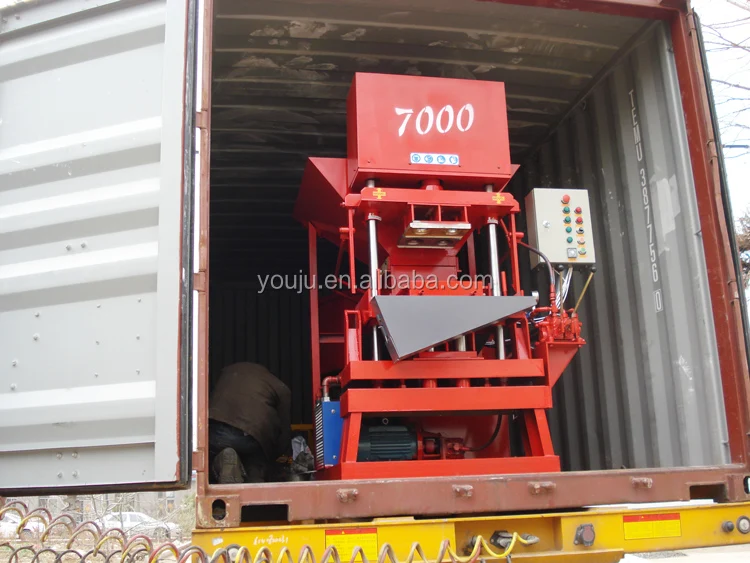
Description
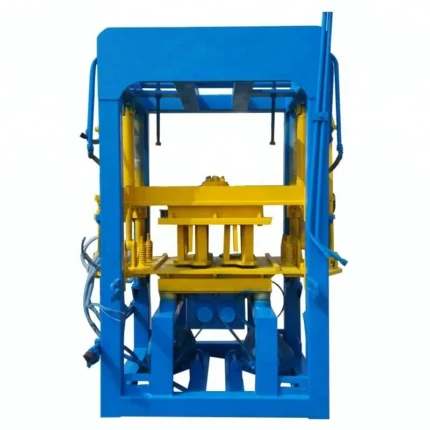
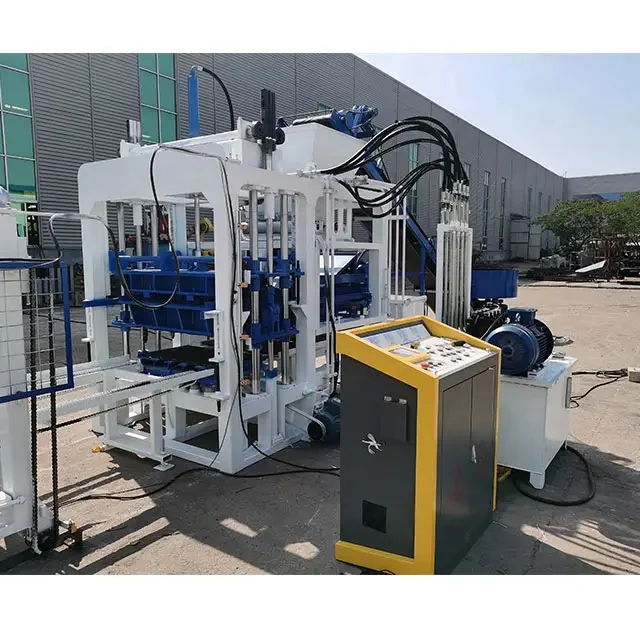
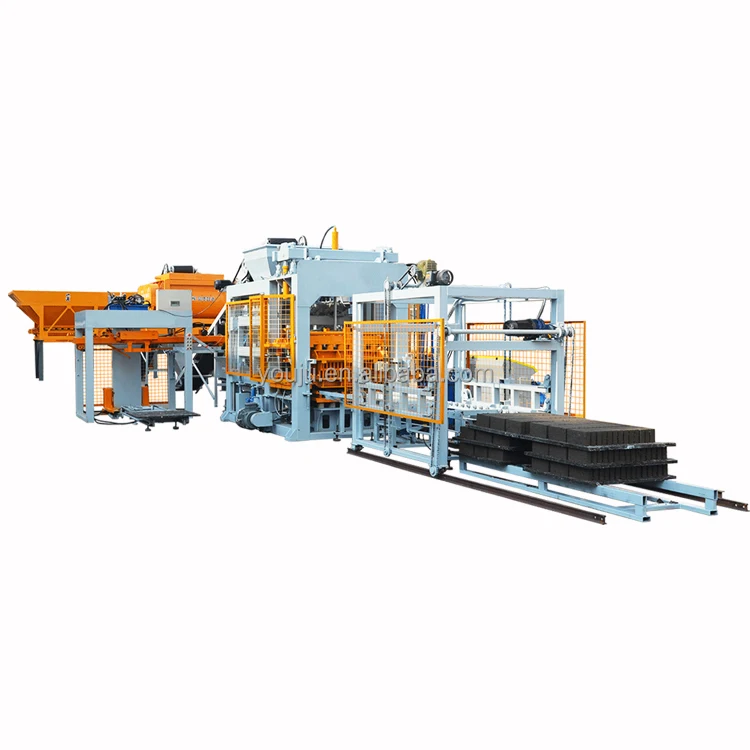
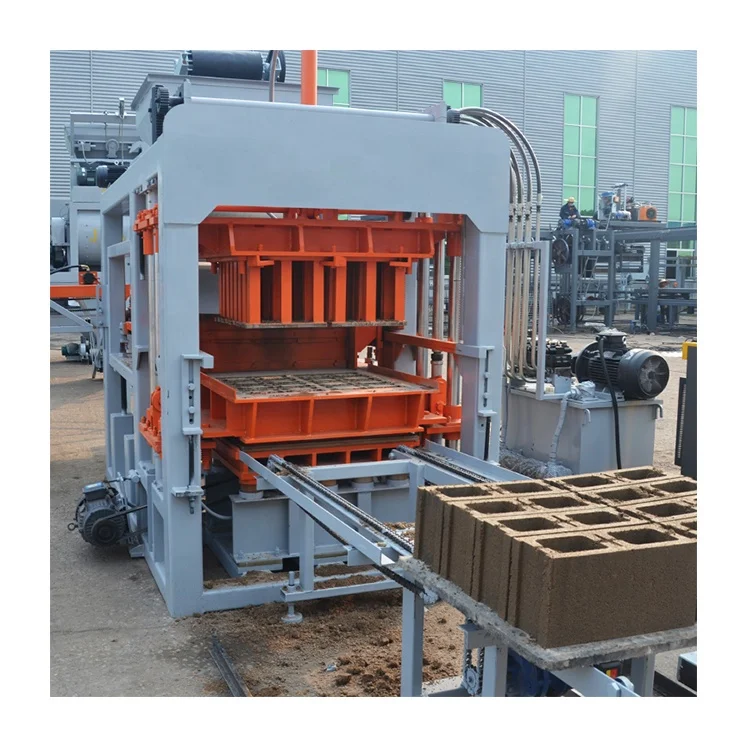
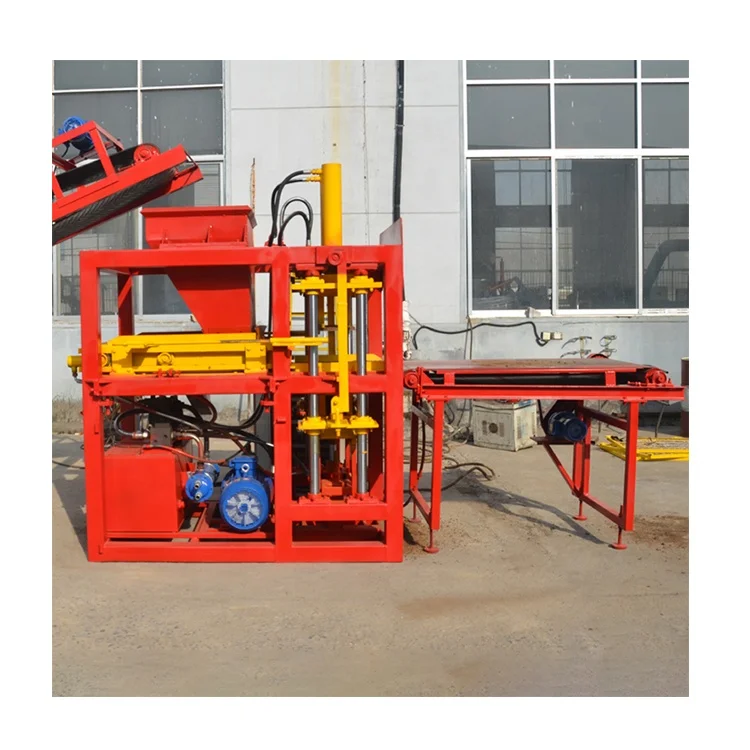
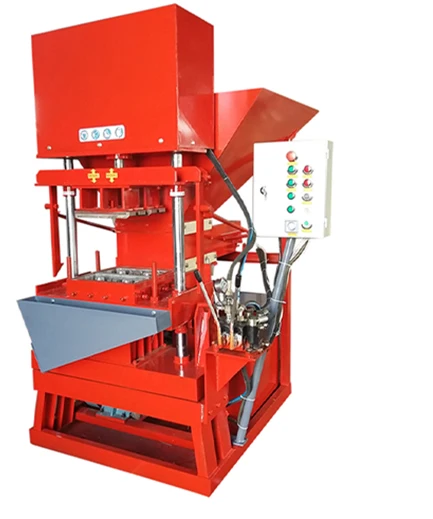
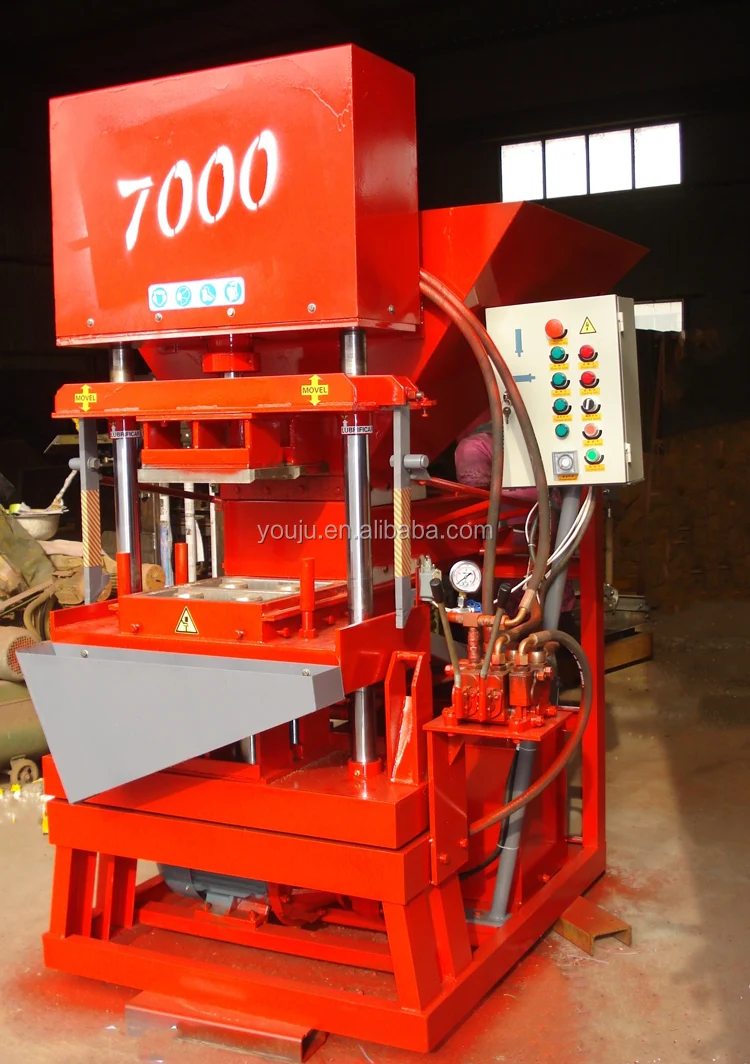
Matched System Control — the block press, mould, pallet and handling stations are specified together so the automatic compressed earth brick machine operates with batch-to-batch consistency rather than as a collection of mismatched components.
Technical Specifications
| Parameter | Value |
|---|---|
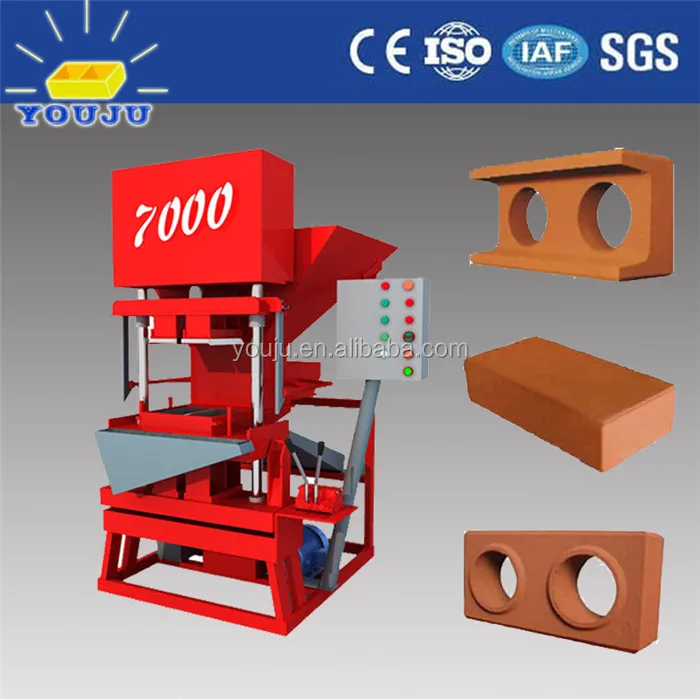
| Product Type | Automatic Compressed Earth Block Making Machine |
| Model | ECO 7000 |
| Control System | Electric powered automatic operation (PLC type and language options to be confirmed) |
| Mould Format | Compressed earth and clay ecological brick (dimensions to be confirmed) |
| Output Capacity | Basis not stated in source — to be confirmed per block format |
| Cycle Time | Basis not stated in source — to be confirmed per block format |
| Hydraulic Pressure | To be confirmed (MPa rating) |
| Vibration Force | To be confirmed (kN rating) |
| Pallet Size | Dimensions and material to be confirmed |
| Mould Change Time | To be confirmed |
| Automation Level | Automatic (specific stations and handling scope to be confirmed) |
| Stacking Method | Manual or automatic stacking to be confirmed |
| Voltage & Frequency | Configurable to target market electrical standard |
| Shipping Method | Nude loading or seaworthy wood carton; LCL or FCL sea shipping |
Application Suitability
| Application | Material or Output |
|---|---|
| Ecological block production for housing projects | Local clay and earth mixed with stabiliser |
| Sustainable building material manufacturing | Compressed earth brick from site-sourced soil |
| On-site block production for contractors | Clay-based ecological brick with reduced cement content |
| Product range expansion for distributors | Compressed earth and interlocking ecological formats |
What "Automatic" Really Means When the PLC Speaks the Wrong Language
Automation only removes manual intervention if the operator can read the screen and the voltage matches the plant supply.
I once arrived at a site in West Africa to find a newly delivered earth block press sitting idle for three weeks. The control panel displayed all prompts in a language the local crew could not read, and the frequency setting on the drive did not match the grid. The machine itself was fine. The configuration handoff was not [NEED_CITE: common commissioning delays caused by unconfirmed control language and electrical standards]. When sourcing an automatic compressed earth block making machine PLC controlled, confirming display language, voltage and frequency before production begins is the single most effective step a buyer can take to avoid dead time after arrival.
How the Control Loop Governs Block Density
The electric powered automatic operation governs the pressing cycle from feed through compression to ejection. When the system is correctly configured, each stroke applies the same hydraulic pressure and vibration duration to the earth-clay mix, which is what delivers uniform block density across a production run. The automatic compressed earth block making machine PLC controlled removes the variation that comes from operators guessing cycle endpoints by eye. Consistency in density directly translates to consistent compressive strength, which is the property building inspectors and project engineers check first [NEED_CITE: relationship between pressing cycle consistency and block compressive strength in compressed earth construction].
Selecting the Right Automation Boundary
Not every station needs to be automatic on day one. A buyer can start with automatic pressing and manual pallet handling, then add automatic stacking and cubing as volume grows. This selectable automation level lets an entrepreneur launching a first ecological block plant keep initial investment contained while still securing the pressing consistency that defines block quality. The upgrade path means the same machine frame supports higher throughput later without a full replacement.
Reading the Specs That Actually Matter
Hydraulic pressure and vibration force work together during compression. Pressure alone compacts the earth-clay mix, but without matched vibration the particles do not settle into a dense matrix, leaving weak zones inside the block. Pallet size is equally practical: it must match the curing racks and forklifts already on site, or the buyer ends up replacing handling equipment to fit the machine. The mould change system determines how quickly the line can switch between a solid ecological brick and an interlocking format, which defines real format flexibility rather than catalogue claims.
The Cost of Skipping Configuration Confirmation
When voltage and frequency are assumed rather than confirmed, the first power-on can trip plant breakers or damage the drive, setting commissioning back by the time it takes to source a replacement component locally. When the control language is wrong, operators run the press on default settings that may not match the local clay moisture content, producing blocks that crack during curing. These are not warranty issues — they are configuration gaps that surface only after the machine is on site and the installation team has left [NEED_CITE: frequency of post-delivery configuration disputes in exported machinery].
Why Buyers Specify Here
Block machinery is a single focus, so the press, mould, pallet and handling equipment are specified as one matched system. Configuration is set against the buyer’s actual clay mix, local stabiliser availability and target block format rather than a default catalogue line. Mould design covers the ecological brick shapes the buyer’s market sells, with custom drawings accepted. Automation level is selectable, allowing a start at semi-automatic with a defined upgrade path. Installation support includes operator training so the crew can run the press independently from the first week.
Documentation & Verification
- Machine specification sheet listing confirmed hydraulic pressure, vibration force and pallet size
- Mould drawing and format list for every ecological brick shape included in the order
- Voltage, frequency and control display language confirmation signed before production
- Factory test record showing actual cycle time and block density for the buyer’s target format
- Operation and maintenance manual in the confirmed display language
- Packing photographs and customs documentation support for sea freight
Installation, Commissioning & Support
- Foundation must be level and rated for the confirmed machine weight and vibration load
- Dedicated electrical circuit matching confirmed voltage and frequency before the press is energised
- Machine arrives in confirmed assembly state; modular shipments require on-site alignment of press and pallet feeder
- First-run commissioning includes cycle time verification against the buyer’s earth-clay mix
- Operator training covers PLC navigation, mould change procedure and daily lubrication points
- Wear parts and mould list supplied so the first replacement order can be placed before stock runs out
What to Share With Your Inquiry
Provide the specific ecological brick dimensions you plan to produce, your local clay type and moisture range, and the daily output target stated per block format. Include your plant’s voltage, frequency and preferred control display language. If you already have curing racks or forklifts on site, share the pallet dimensions they accept so the line can be matched from the start.
Frequently Asked Questions
Q: How is output capacity calculated and which block format is assumed?
A: Output capacity is calculated per specific block format, not as a generic cycles-per-hour figure. Cycle time varies with brick dimensions and the compression required for the buyer’s clay mix. A capacity statement is provided showing the assumed format, cycle time and resulting daily output so the buyer can plan production against actual market demand.
Q: Can the PLC display language and electrical standard match my country?
A: Yes. Voltage, frequency and PLC display language are confirmed before production begins. The control panel is set to the buyer’s preferred language, and the electrical system is built to the target market standard. This is locked in during the quotation stage to avoid commissioning delays on site.
Q: What automation stations are included and which remain manual?
A: The automation level is selectable. A buyer can start with automatic pressing and manual pallet handling, then add automatic stacking and cubing later. Each station’s scope is stated clearly in the proposal so the buyer knows exactly which tasks the machine handles and which still require operators.
Q: How is the machine configured for my local clay mix and moisture level?
A: Hydraulic pressure and vibration settings are adjusted to the buyer’s specific earth-clay mix and stabiliser ratio. A factory test is run using mix parameters matching the buyer’s local material, and the test record is provided before shipment to confirm block density and cycle time.
Q: What operator training and commissioning support is provided on site?
A: On-site commissioning includes machine alignment, first-run testing with the buyer’s material and operator training covering PLC navigation, mould change and maintenance routines. Training is delivered in the confirmed control language so the crew can operate the press independently.