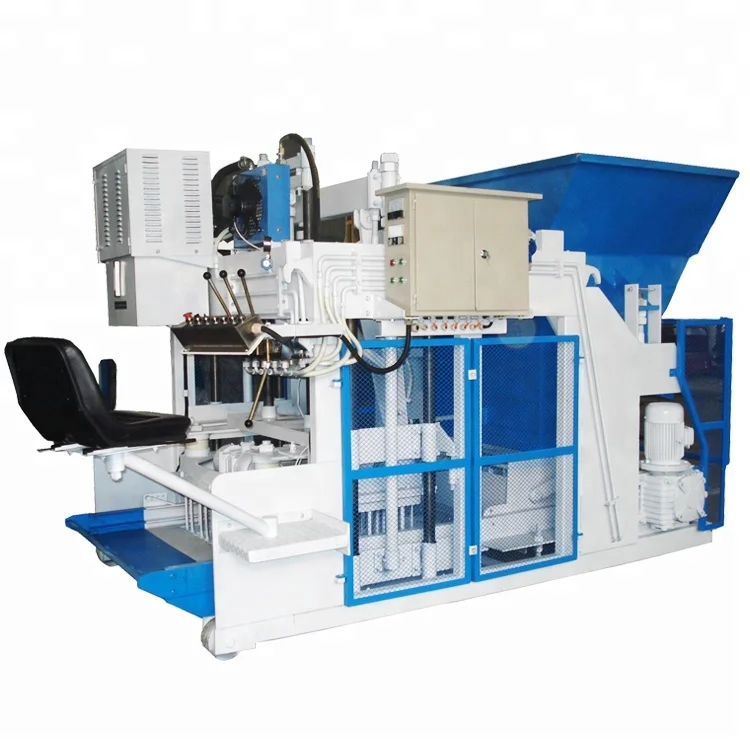


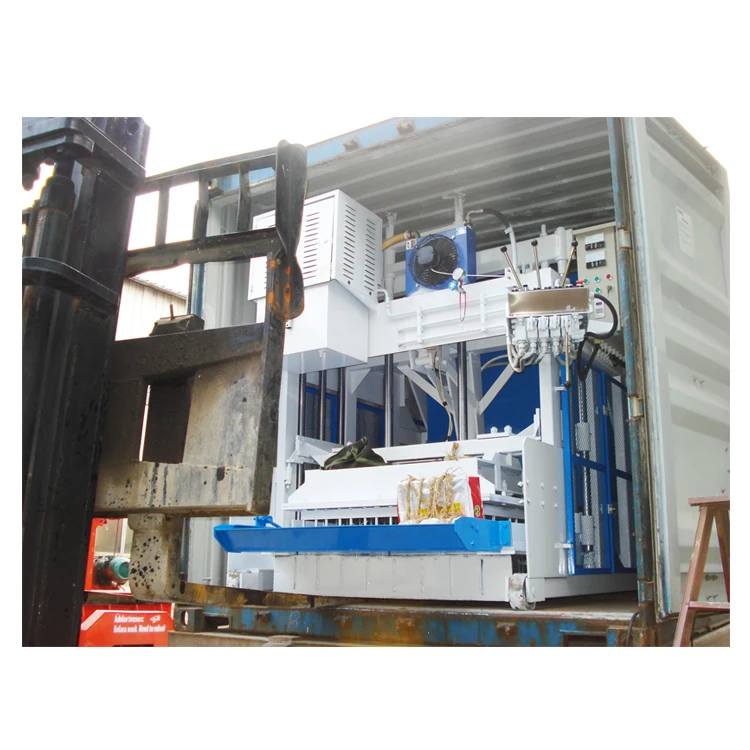
Description
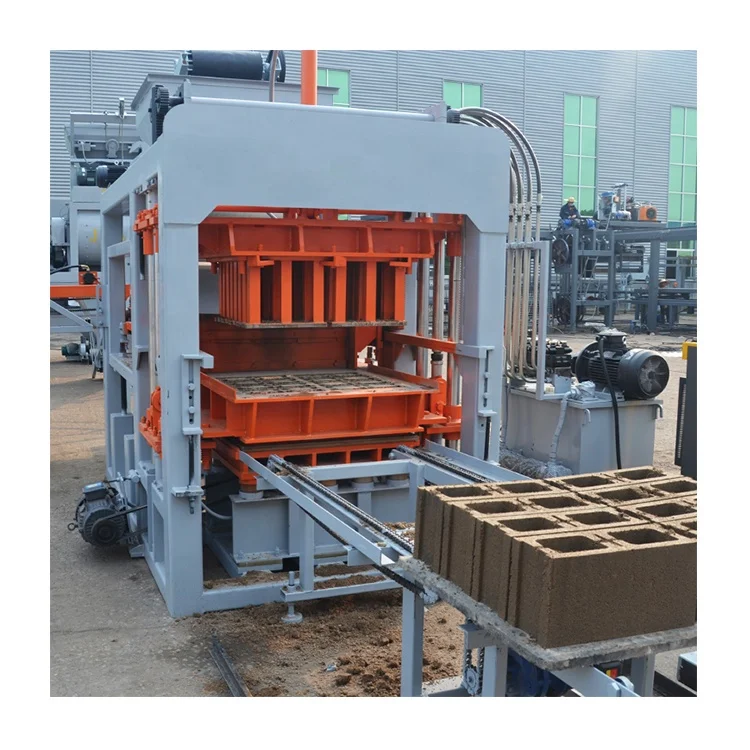
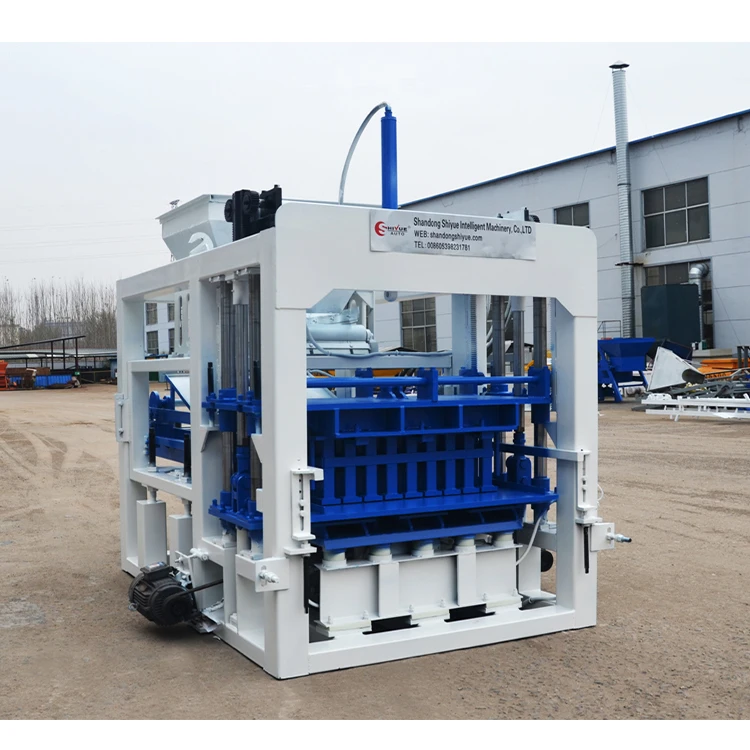
Matched System Configuration — the QMY10-15 block machine, its moulds, pallet specifications, and control language are confirmed as a single integrated setup before production starts, eliminating on-site mismatches.
Technical Specifications
| Parameter | Value |
|---|---|
| Model | QMY10-15 |
| Product Type | Moving Automatic Cement Hollow Block Machine |
| Overall Dimensions | 3150 × 1800 × 2400 mm |
| Total Mass | 4500 kg |
| Hydraulic Pressure | 21 MPa |
| Vibration Method | Mould vibration |
| Excitation Frequency | 4500 r/min |
| Demold Method | Hydraulic |
| Molding Cycle | 15 s (basis not stated in source — confirm block format / material / thickness) |
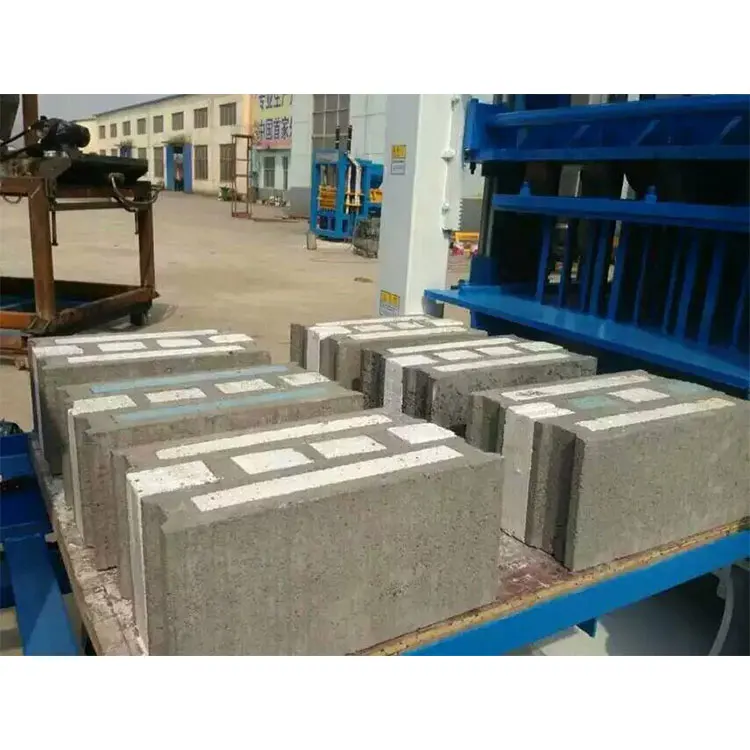
| Mould Capacity | 10 pcs/mould (based on 400×200×200 / 390×190×190 mm) |
| Output Capacity | 2400 pcs/h based on 400×200×200 mm block, 10 pcs/mould |
| Output Capacity | 3360 pcs/h based on 400×150×200 mm block, 12 pcs/mould |
| Output Capacity | 3840 pcs/h based on 400×120×200 mm block, 16 pcs/mould |
| Output Capacity | 4320 pcs/h based on 400×100×200 mm block, 18 pcs/mould |
| Daily Output (8 h) | 19,200 pcs (400×200×200 mm) / 26,880 pcs (400×150×200 mm) / 30,720 pcs (400×120×200 mm) / 34,560 pcs (400×100×200 mm) |
| Block Types | 390×240×190 / 390×150×190 / 390×115×190 / Customized |
| Raw Materials | Crushed stone, sand, cement, fly ash, cinder, slag, gangue, gravel, perlite, industrial waste |
| Voltage & Frequency | 380V, 3-phase, 50Hz (customizable) |
| Total Power | 16 kW |
| Automation Level | Automatic (moving / mobile type) |
| Warranty | 1 year (excluding quick-wear parts) |
Application Suitability
| Application | Material or Output |
|---|---|
| On-site hollow block production for housing projects | Crushed stone, sand, and cement mixed locally at the construction site |
| Mobile block production between infrastructure job sites | Fly ash, cinder, and slag blended with available aggregate |
| First block plant with limited site preparation | Gravel, perlite, and industrial waste adapted to regional supply |
| Adding hollow block formats to an existing product range | Interchangeable moulds for 390×240×190 through 390×115×190 and custom sizes |
What "Automatic" Means When the PLC Speaks a Different Language
The QMY10-15 automatic moving block machine PLC controlled configuration must have its display language locked in before the machine leaves the factory, not after it arrives on site.
I have stood beside machines of this class in West Africa and South Asia where the operator stared at a fault code in a language nobody on site could read. The machine sat idle while everyone waited for a translator or a remote call across time zones [NEED_CITE: control panel language standards for exported industrial machinery]. An automatic moving block machine PLC controlled system only removes labour from the process if the operator can actually read what the screen is telling them. That confirmation belongs in the contract, not in the commissioning report.
Control Logic That Matches the Production Rhythm
The QMY10-15 relies on its PLC to sequence hydraulic pressure, mould vibration, and demolding within a 15-second molding cycle. When the control system is properly configured, each station fires in the correct order without operator intervention, which is the defining advantage of an automatic moving block machine PLC controlled architecture over manual egg-laying machines. The vibration runs at 4500 r/min through the mould, and the hydraulic demold lifts the formed block cleanly off the ground surface.
Mobility Without Sacrificing Cycle Consistency
Mobile block machines often trade consistency for portability. The QMY10-15 addresses this by keeping 21 MPa hydraulic pressure and mould vibration in a single chassis weighing 4500 kg. The machine moves between production zones on a project site, but each block still receives the same compaction force and vibration duration. This is where the automatic moving block machine PLC controlled setup earns its designation: the PLC holds cycle parameters steady regardless of which part of the site the machine occupies [NEED_CITE: mobile block machine vibration consistency standards].
Reading the Pressure and Vibration Numbers Together
Hydraulic pressure at 21 MPa provides the static compaction force, while the 4500 r/min excitation frequency settles the aggregate particles into a dense matrix. Neither number alone determines block strength. A high vibration frequency without adequate hydraulic pressure produces blocks that look dense on the surface but crumble at the core. Excessive pressure without sufficient vibration traps air pockets. The QMY10-15 balances both forces within its 15-second cycle, and the actual block density achieved depends on the buyer’s mix design and local aggregate gradation. Mould capacity shifts with block format: 10 pieces per mould for 400×200×200 mm hollow blocks, rising to 18 pieces per mould for 400×100×200 mm partitions, which directly changes the realistic daily output.
When the Control Panel Becomes a Bottleneck
A buyer who skips the voltage and language confirmation step often discovers the problem on day one of commissioning. The PLC display defaults to a language the local operator cannot read, the voltage does not match the site transformer, and the machine that was supposed to accelerate a project deadline instead stalls it [NEED_CITE: common commissioning delays for exported block machinery]. With a mobile unit like the QMY10-15, the cost is compounded because there is no fixed plant to fall back on while the control issue gets resolved.
Why Configuration Starts Before the Quotation
Block machinery specified as a matched system means the QMY10-15 machine, its mould set, pallet dimensions, and PLC language are confirmed together against the buyer’s actual block format and local raw material. Configuration is set against the buyer’s target block format and aggregate, not a catalogue default. Mould design covers the formats the buyer’s market actually sells, including custom drawings. Automation level is selectable, so a buyer can begin with the mobile automatic setup and plan an upgrade path. Installation support includes operator training on the specific PLC interface that shipped with the machine. Documentation, wear parts, and mould lists are provided before the container leaves the factory [NEED_CITE: documentation standards for block machine exports].
Documentation & Verification
- Capacity calculation stating which block format each QMY10-15 output figure assumes
- Machine specification sheet with hydraulic pressure and vibration frequency confirmed
- Voltage and PLC control language confirmation recorded before production
- Mould drawing and format list covering all ordered block sizes
- Wear parts and mould replacement list shipped with the machine
- Factory test record on the buyer’s specified block format before dispatch
Installation, Commissioning & Support
- Site must provide level ground capable of supporting the QMY10-15 at 4500 kg operating mass
- Power supply requires a dedicated 3-phase circuit matching the confirmed voltage and frequency
- Machine arrives fully assembled on its mobile chassis for immediate positioning on site
- PLC parameters calibrated to the buyer’s block format and molding cycle during commissioning
- Operator training covers fault code reading in the confirmed control language
- Quick-wear parts list reviewed on site so first replacement is planned before stock runs out
Before You Request a Quotation
Tell us the block format your market sells most, the local aggregate you can source, and your site voltage and frequency. Confirm the PLC display language your operators read fluently. If you are running other equipment on the same site, share what you already have so the QMY10-15 integrates without conflict.
Frequently Asked Questions
Q: How is the output capacity calculated, and which block format is each figure based on?
A: Each output figure for the QMY10-15 is tied to a specific block format and mould cavity count. For example, 2400 pieces per hour is based on a 400×200×200 mm hollow block with 10 pieces per mould. Smaller formats yield higher counts per mould and per hour. Always confirm the capacity calculation against your target block size before placing the order.
Q: Can the voltage and control system language be configured to match my local requirements?
A: Yes. The default specification is 380V, 3-phase, 50Hz, but the QMY10-15 voltage is customizable to match your local grid. The PLC display language is confirmed before production begins and recorded in the contract. This prevents commissioning delays where the operator cannot read fault codes or cycle parameters on site.
Q: What does the degree of automation include on the QMY10-15?
A: The QMY10-15 is an automatic moving type machine with PLC-controlled cycle sequencing, hydraulic demolding, and mould vibration. Pallet feeding and stacking methods depend on the configuration chosen and should be confirmed during the quotation stage so the full production workflow is defined before the machine ships.
Q: What raw materials and mix designs can this machine handle?
A: The QMY10-15 processes crushed stone, sand, cement, fly ash, cinder, slag, gangue, gravel, perlite, and other industrial wastes. The machine configuration is adjusted to the buyer’s local aggregate and mix design rather than a generic default, ensuring block density and strength match the available raw materials.
Q: What does the one-year warranty cover, and which parts are excluded?
A: The one-year warranty covers the QMY10-15 against manufacturing defects, excluding quick-wear parts such as mould surfaces, hydraulic seals, and vibration components subject to normal abrasion. A wear parts list is supplied with the machine so buyers can plan and stock their first replacement set before the initial spares are consumed.