
Description
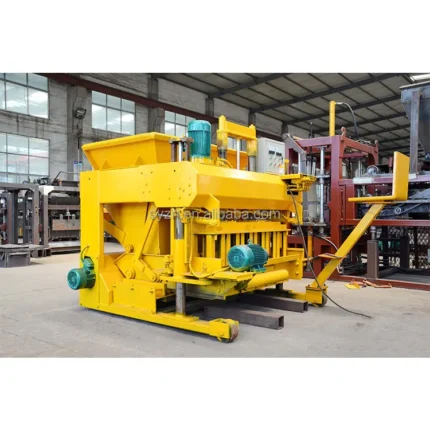
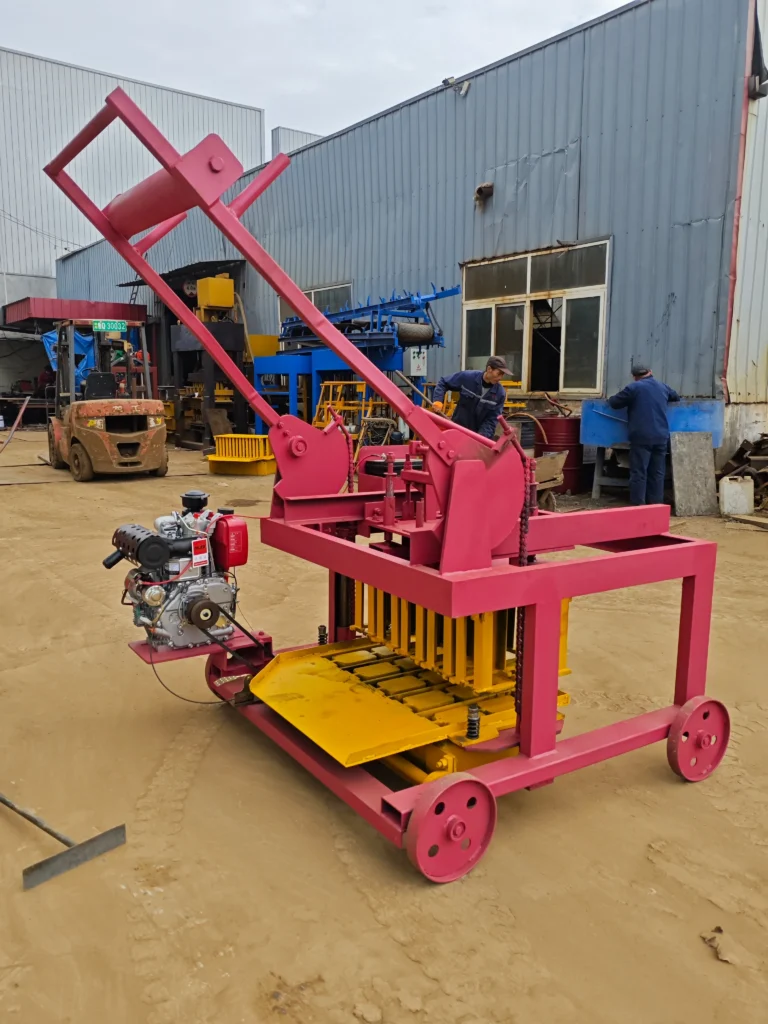
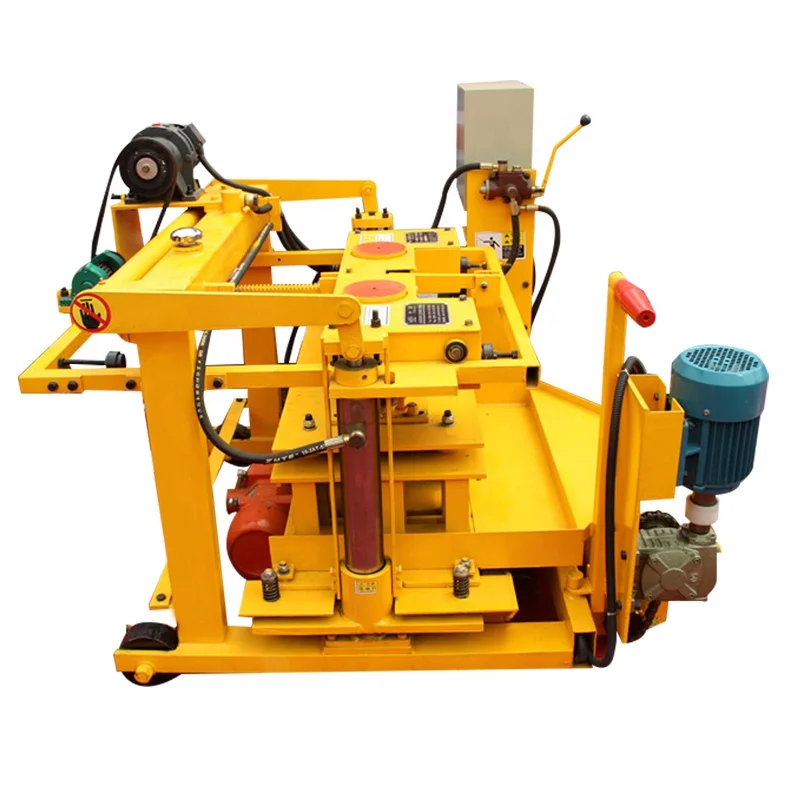
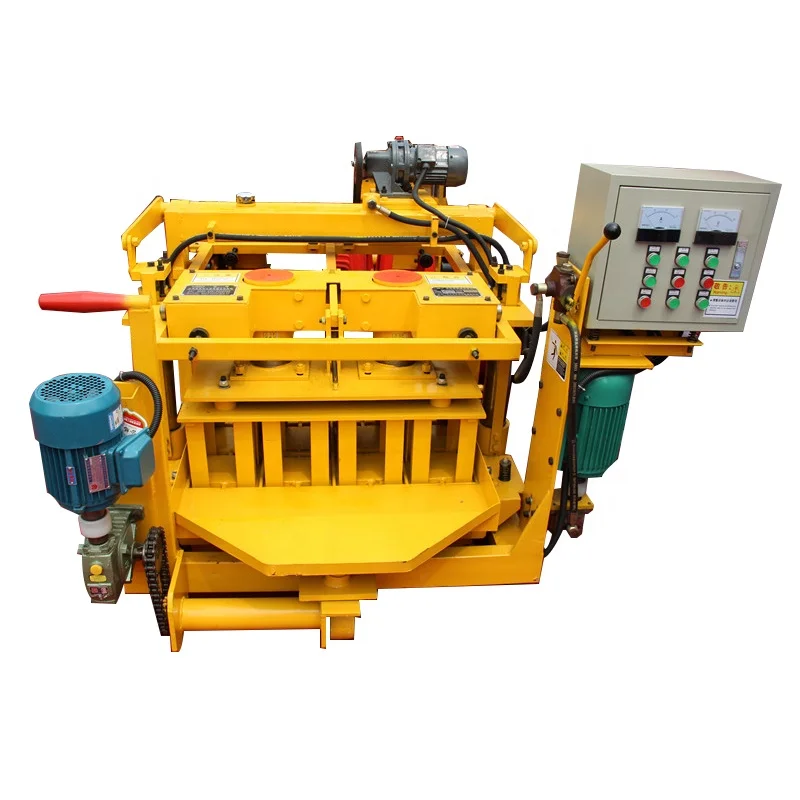
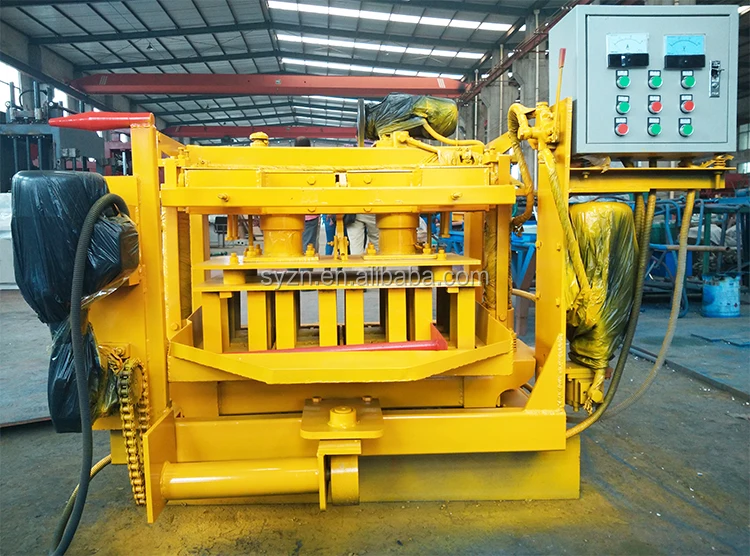
Matched System Integration — The QMY4-30 mobile block machine is specified as a complete unit where mold vibration, hydraulic transmission, and control interface are tuned together, eliminating the mismatches that occur when press, pallet, and handling are sourced separately.
Technical Specifications
| Parameter | Value |
|---|---|
| Model | QMY4-30 |
| Product Type | Mobile Hydraulic Block Making Machine |
| Overall Dimensions (L×W×H) | 1300 x 1500 x 1000 mm |
| Net Weight | 950 kg – 1000 kg |
| Hydraulic Method | Mold Vibration |
| Vibration Force | 28.6 KN |
| Excitation Frequency | 4500 r/min |
| Total Power | 5.95 kW |
| Molding Cycle | 30 s |
| Output Capacity | 3000 pcs/day (8 hours) (basis not stated in source — confirm block format / material / thickness) |
| Raw Material Compatibility | Concrete, sand, cement, fly ash, lime, gypsum, stone dust, construction waste, slag, mine tailings, river sand, coal gangue |
| Control System | Manual / Hydraulic Transmission |
| Automation Level | Manual with hydraulic assist (upgrade path available) |
Application Suitability
| Application | Material or Output |
|---|---|
| On-site hollow block production without fixed plant | Crushed stone, cement, sand, and fly ash mixes |
| Remote terrain construction (mountainous, desert, coastal) | Locally sourced aggregate and river sand |
| Small contractor self-production | Construction waste recycled into solid and hollow blocks |
| First-stage block plant for entrepreneurs | Cement, lime, gypsum, and stone dust blends |
What "3000 Pieces per Day" Actually Means on a Mobile Block Machine
Output claims on a mobile block machine are meaningless until the block format, mix design, and local aggregate are locked in.
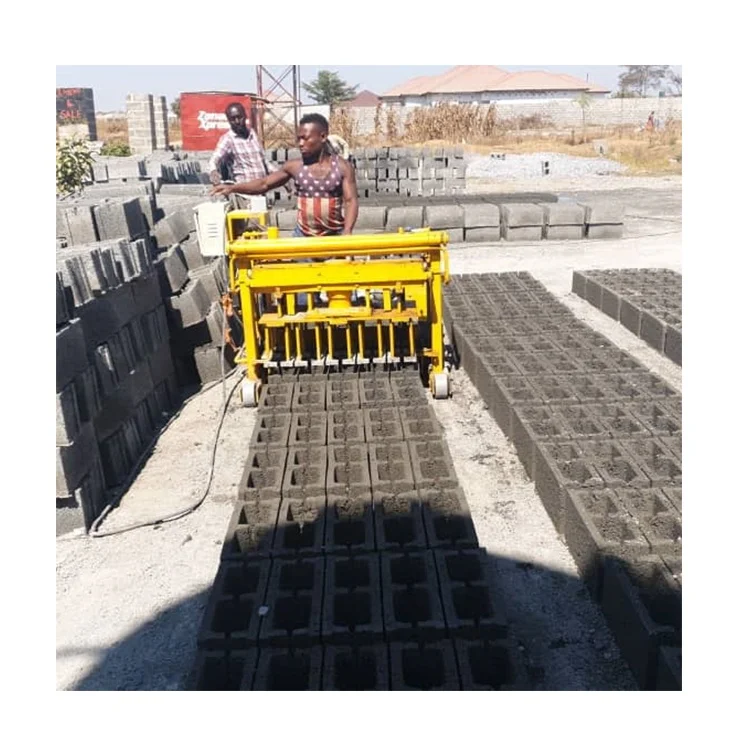
Many buyers receive a quoted capacity figure only to discover after arrival that the number assumed a small solid brick, while their market demands 200 mm hollow blocks. The molding cycle stays at 30 seconds, but each cycle produces fewer cavities, so real daily volume drops significantly. I have seen contractors in Shandong receive machines that technically met the spec sheet yet fell far short of the output they budgeted for, simply because the capacity calculation was never tied to their actual product [NEED_CITE: block format assumptions in capacity quotations].
Automation and Control on a Compact Mobile Press
The control system on this mobile block machine starts as manual operation with hydraulic transmission, keeping initial investment low for entrepreneurs and small contractors. The hydraulic assist reduces the physical effort needed for mold vibration and block release compared to fully manual egg-laying machines.
What sets this configuration apart is the defined upgrade path. As production volume grows, the same press can accept PLC-controlled batching, automatic pallet feeding, and sensor-based stacking. This means a buyer does not need to replace the entire press when demand increases; the intelligent side of the machine scales with the operation.
Language, Voltage, and Commissioning Delays That Are Entirely Preventable
I spent years leading automation upgrades across Shandong, and one pattern repeats: a machine arrives on site, the operator looks at the PLC screen, and every menu is in a language they cannot read. The调试 technician loses the first full day just navigating basic parameters. With the QMY4-30, we confirm the control display language and the local voltage and frequency before the machine enters production. When the PLC interface matches the operator’s native language and the electrical cabinet matches the site supply, the line runs on the first day rather than the third [NEED_CITE: voltage and frequency standards by export market].
How Vibration Force and Excitation Frequency Shape Block Density
The 28.6 KN vibration force at 4500 r/min is not a standalone number; it works together with the hydraulic mold pressure to compact the concrete mix into a dense, consistent block. If the vibration frequency is too low for a particular aggregate size, the mix does not settle fully and the block emerges with weak corners. If the force is too high for a lightweight mix containing fly ash or gypsum, the material segregates and the block surface becomes uneven. Configuring these two parameters against the buyer’s actual raw material is what produces uniform strength from the first block to the last in a production run.
Why the 5.95 kW Power Rating Matters for Off-Grid Sites
At just under 6 kW total power, the QMY4-30 can run from a portable diesel generator, which is critical for on-site production in areas without stable grid access. Lower power draw also means the machine can share a site supply with a small mixer and a water pump without tripping breakers. For contractors working in mountainous or desert locations, this power envelope removes the need for a dedicated high-capacity generator, reducing mobilization cost and simplifying logistics.
Molding Cycle, Cavity Count, and Honest Capacity Planning
A 30-second molding cycle is fixed, but what changes with each mold swap is the number of blocks produced per cycle. A mold for standard 400×200×200 mm hollow blocks may yield four pieces per cycle, while a mold for interlocking pavers may yield twelve. The PLC-controlled mobile block making machine configuration allows the operator to log cycle counts per mold, so daily output can be tracked by format rather than estimated. This level of tracking is what separates realistic production planning from guesswork.
The Hidden Cost of Skipping Pallet and Curing Specification
When a mobile block machine is quoted without confirming pallet size, material, and curing rack layout, the buyer often ends up stacking blocks by hand on whatever flat surface is available. Blocks cured unevenly develop strength variations that show up only when the mason lays them on site. I have walked onto projects where half a day’s production had to be scrapped because the curing area was not matched to the machine’s output rate, and the pallets chosen warped under the local humidity [NEED_CITE: curing conditions and block strength consistency].
Why Procurement Through This Channel Is Different
Block machinery is the single focus here, so the QMY4-30 is specified as a matched system — press, mold, pallet, and handling — rather than assembled from separate vendors. The configuration is set against the buyer’s actual mix design and local aggregate, not a catalog default. Molds are designed for the formats the buyer’s market actually sells, with custom drawings available when standard formats do not fit. Voltage, frequency, and control language are confirmed before production begins, preventing commissioning delays. Installation support includes operator training on the exact control interface the buyer will use, and wear parts and mold support remain available after the first replacement cycle [NEED_CITE: CE machinery directive requirements for industrial equipment].
Documentation & Verification
- Line layout and capacity calculation stating the specific block format assumed for the QMY4-30
- Machine specification sheet with confirmed voltage, frequency, and control language
- Mold drawing and format list matched to buyer’s local market demand
- Hydraulic and electrical schematic for the 5.95 kW system
- Factory test record on the buyer’s raw material mix before dispatch
- Operation and maintenance manual in the confirmed control display language
Installation, Commissioning & Support
- Compact 1300×1500 mm footprint requires only a leveled concrete pad, no deep foundation
- 5.95 kW total power needs a dedicated 16A circuit or appropriately rated generator
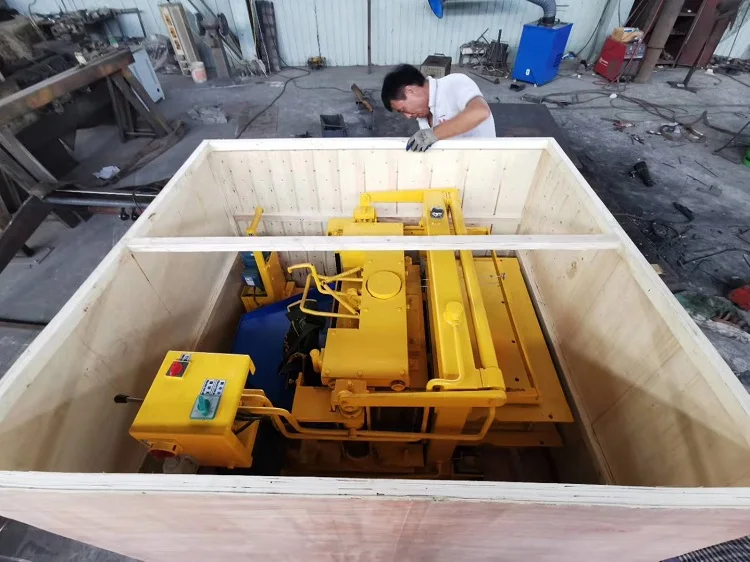
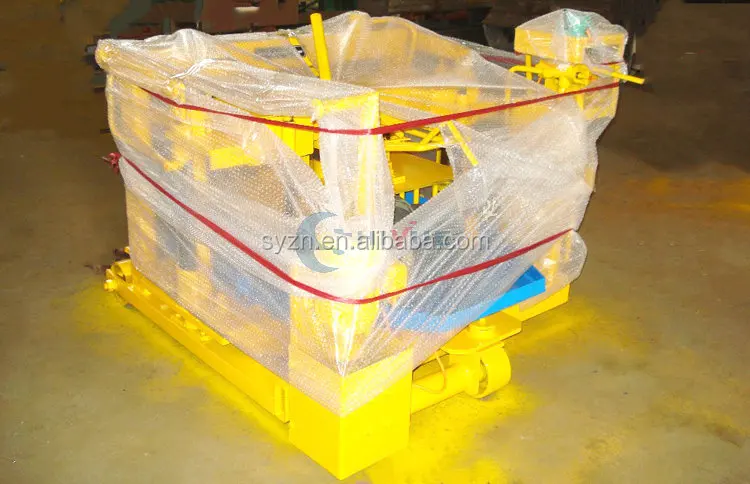
- Machine ships fully assembled; hydraulic lines and vibration motor connected on site
- First-run commissioning includes mold vibration tuning against the buyer’s mix design
- Operator training covers PLC interface navigation in the confirmed local language
- Wear parts list and first mold replacement schedule provided at handover
What We Need to Configure Your Line
To move from inquiry to a firm proposal, share the block formats your market sells, the daily volume you target, and the raw materials you can source locally. Confirm your site voltage and frequency, and let us know the language your operators read on a control screen. If you already have a mixer, pallets, or curing racks in place, send their specifications so the QMY4-30 integrates without gaps.
Frequently Asked Questions
Q: What block format is the 3000 pcs/day capacity based on?
A: That figure depends entirely on the mold cavity count and block dimensions. We calculate output per specific format — for example, a 400×200×200 mm hollow block mold yields fewer pieces per cycle than a small interlocking paver mold. The confirmed capacity is stated in the proposal for each format you plan to produce.
Q: Can the QMY4-30 be upgraded from manual to PLC-controlled operation?
A: Yes. The manual hydraulic transmission serves as the entry point. As volume grows, the machine can accept a PLC control panel, automatic batching, and sensor-based stacking. The upgrade path is defined at the time of purchase so the mechanical interfaces are already in place.
Q: How are vibration force and hydraulic pressure matched to my raw material?
A: We configure the 28.6 KN vibration force and 4500 r/min frequency against your specific mix design and local aggregate. A test run is completed at the factory using your material sample before dispatch, ensuring block strength consistency from day one.
Q: What voltage, frequency, and control language options are available?
A: Voltage and frequency are configured to match your site supply before production begins. The PLC display language is set to the language your operators read, confirmed in writing before the machine ships, so there are no commissioning delays on arrival.
Q: What is the mold change procedure, and how many formats can one machine produce?
A: The QMY4-30 accepts interchangeable molds for hollow blocks, solid blocks, paving blocks, and interlocking bricks. Mold change involves releasing the clamping bolts, lifting the old mold, and seating the new one. The exact changeover time depends on mold size and operator familiarity, which we cover during on-site training.