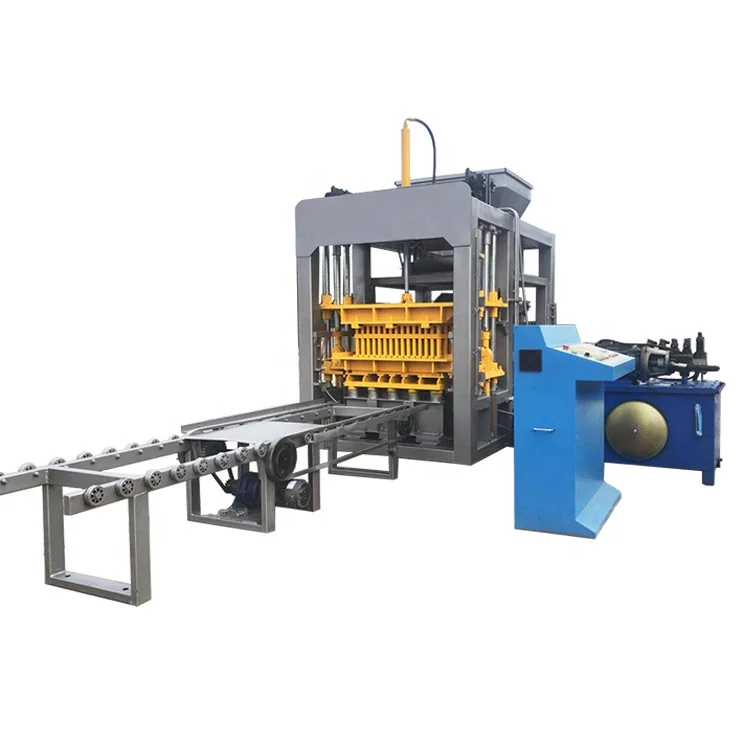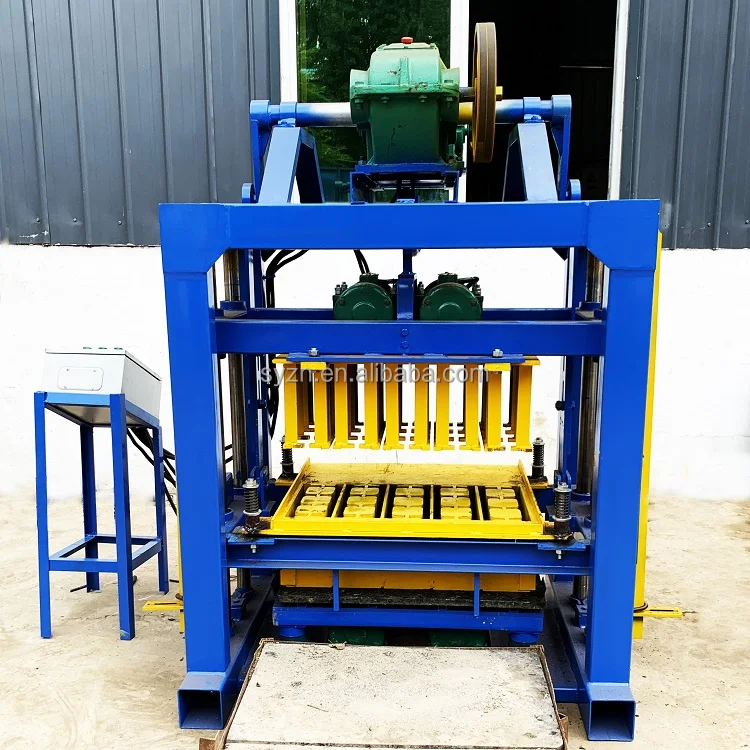


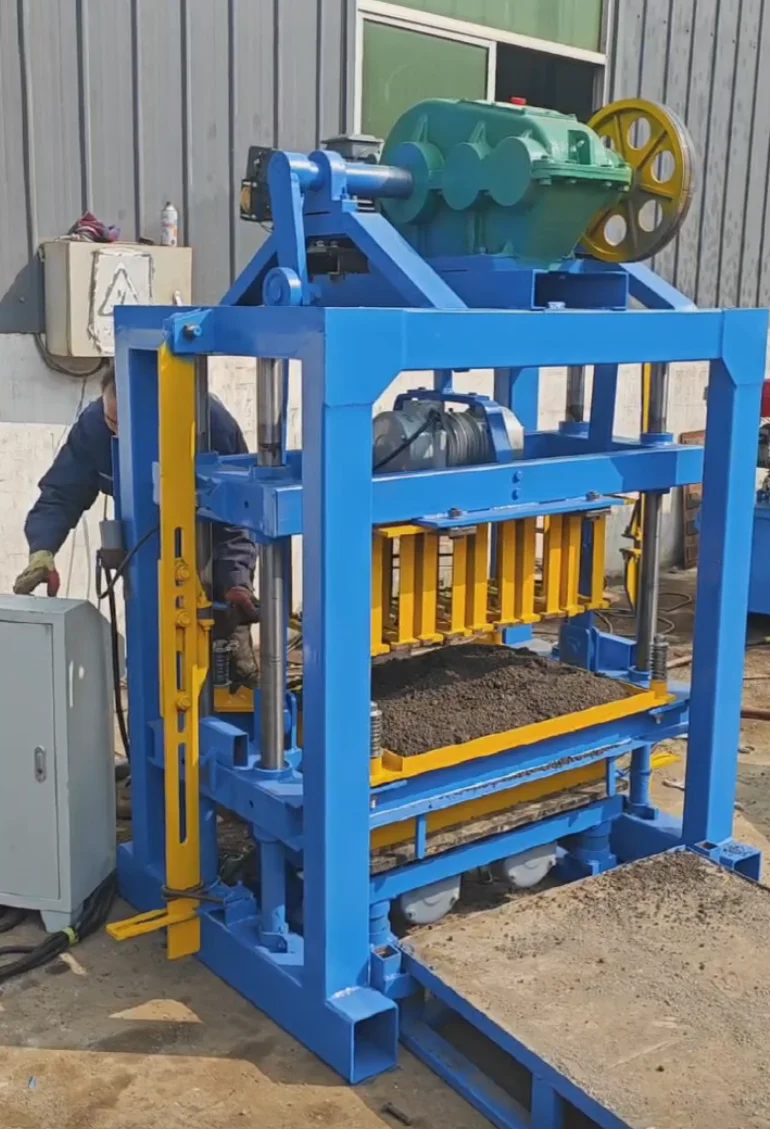
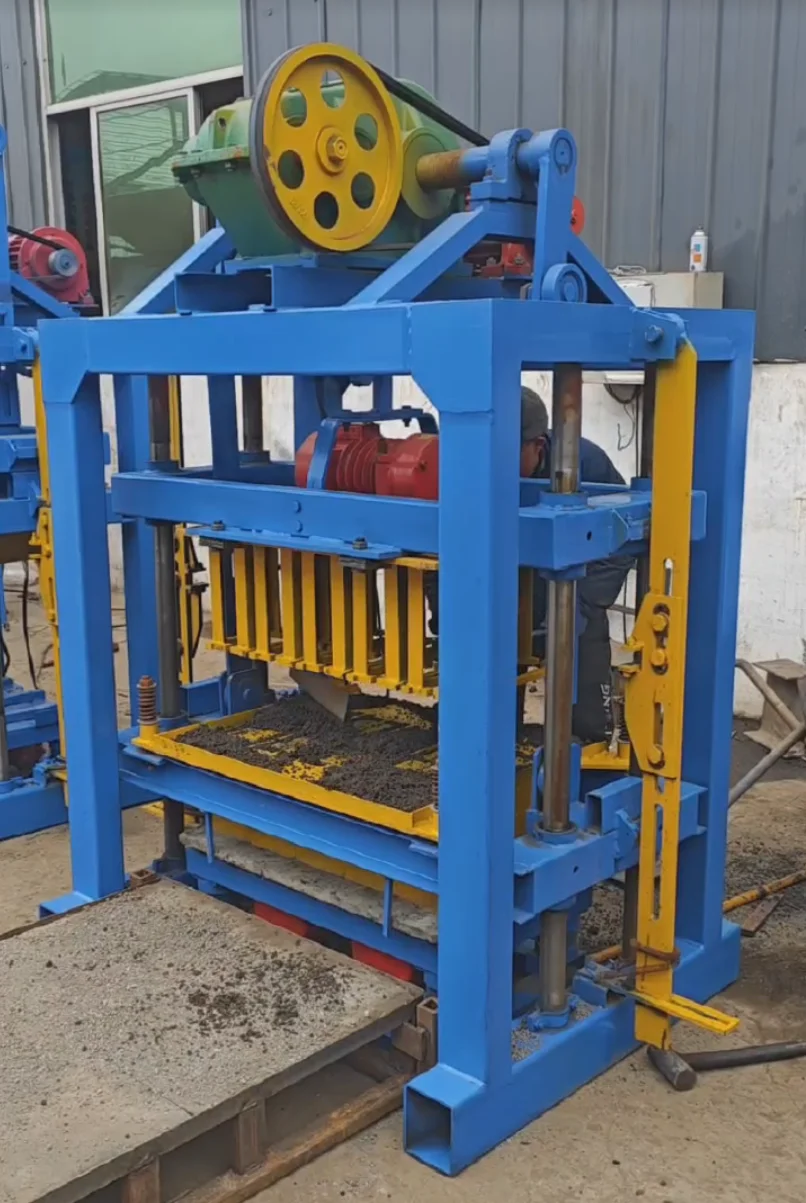

Description
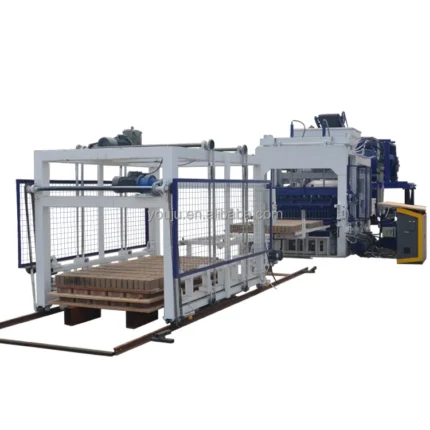
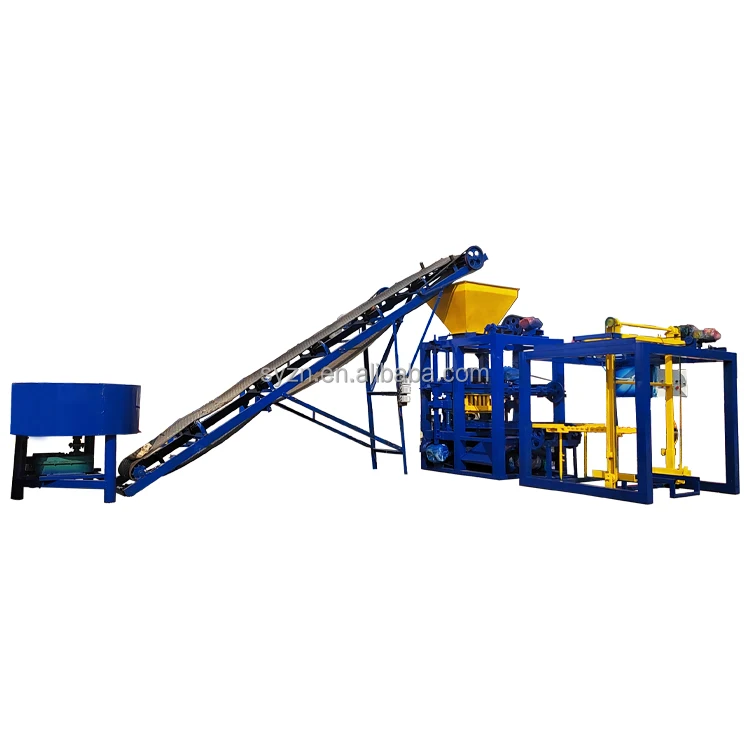
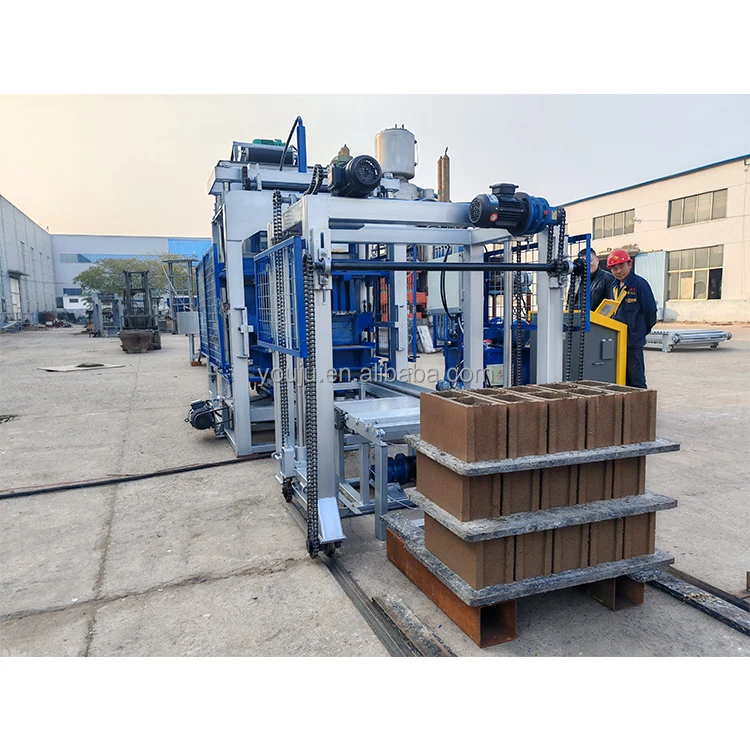
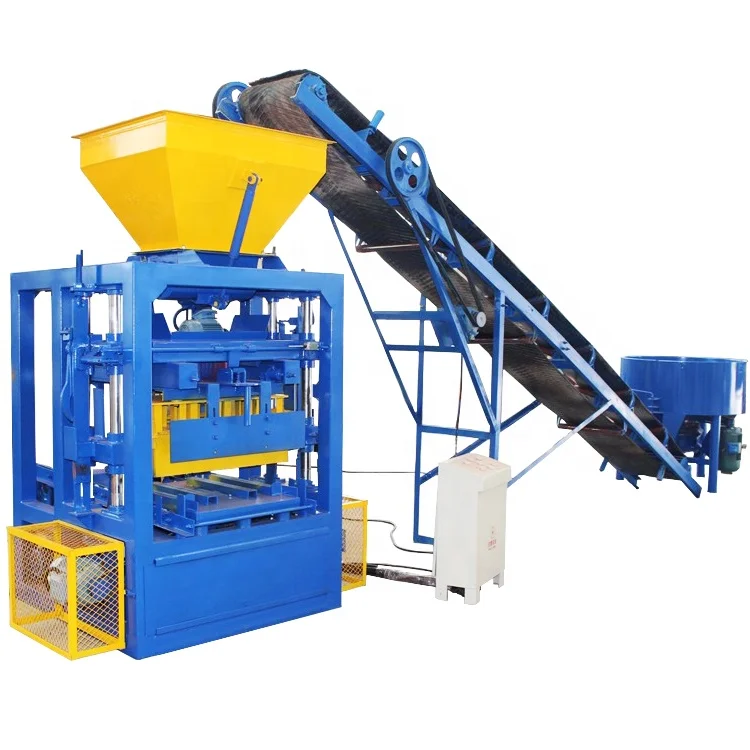
Semi-Automatic Operation with Clear Upgrade Path — the QTJ4-40 block making machine is engineered so vibration control, pallet handling and stacking can be added incrementally rather than forcing a full-automation investment on day one.
Technical Specifications
| Parameter | Value |
|---|---|
| Product Type | Hydraulic Semi-Automatic Block Making Machine |
| Model | QTJ4-40 |
| Overall Dimensions (L×W×H) | 1350×1460×1800 mm |
| Rated Power | 10.4 kW |
| Voltage & Frequency | Configurable to buyer’s local supply (basis to be confirmed) |
| Control System | Semi-automatic operation (PLC or relay logic to be confirmed) |
| Molding Cycle | 40 s |
| Output Capacity (Hollow Block) | 360 pcs/hour based on 400×200×200 mm, 4 pcs/mould |
| Output Capacity (Hollow Block Daily) | 2880 pcs/day based on 400×200×200 mm (source states 2800 pcs/day in table — verify against manufacturer catalog) |
| Output Capacity (150 mm Hollow Block) | 450 pcs/hour based on 400×150×200 mm, 5 pcs/mould |
| Output Capacity (Paver) | 800 pcs/hour based on 225×112.5×60 mm, 9 pcs/mould |
| Pallet Size | 850×450×20 mm |
| Net Weight | 1.2 T |
| Vibration System | Bed mould vertical vibration and upper mould compression vibration |
| Raw Material Compatibility | Concrete, sand, cement, fly ash, lime, gypsum |
| Mould Formats Supported | Hollow, solid, paver (8", 6", 5", 4"; other sizes on request) |
| Pallet Material | Fiberglass (optional); wooden pallet also compatible |
| Automation Level | Semi-automatic baseline, selectable additions for pallet feeding and stacking |
Application Suitability
| Application | Material or Output |
|---|---|
| Small-scale hollow block production | Crushed stone, sand, cement mixes for 4"–8" hollow blocks |
| On-site paver manufacturing for housing projects | Concrete and fly ash blends for 225×112.5×60 mm interlocking pavers |
| First block plant for entrepreneurs | Semi-automatic entry covering hollow, solid and paver formats |
| Format expansion for existing producers | Additional moulds for solid bricks and kerbstones on the same press |
Why the Voltage Question Should Come Before the Price on an automatic QTJ4-40 block making machine
Confirming voltage, frequency and control language before production avoids weeks of idle time after the machine arrives.
I once watched a QTJ4-40 block making machine sit on a dock in West Africa for three weeks because the local panel was wired for a frequency the PLC could not sync with. The buyer had focused every negotiation round on price and cycle time, never asking what language the screen would display or whether the motor winding matched the grid. By the time a step-down transformer was sourced, the rainy season had already started and curing conditions collapsed [NEED_CITE: voltage and frequency standards by export market]. For a PLC controlled semi-automatic block machine, the control cabinet is the part most likely to delay commissioning — not the press frame.
What Semi-Automatic Actually Means on This Press
The automatic QTJ4-40 block making machine handles mould compression, vibration timing and cycle counting through its control logic, while the operator still loads pallets and moves cured racks by hand. That split is deliberate: it keeps capital cost low for a first plant while leaving mechanical mounting points and electrical channels open for a pallet feeder or stacker later.
Where Automation Removes the Operator
Adding an automatic pallet feeder takes the heaviest manual task — lifting an 850×450 mm pallet onto the press table every 40 seconds — off the operator’s shift. A stacking unit then cubes fresh blocks onto curing racks without hand-stacking. The QTJ4-40’s semi-automatic baseline already counts cycles and controls vibration duration, so integrating these stations is a wiring and sensor addition rather than a control replacement [NEED_CITE: PLC integration standards for semi-automatic block presses].
How Vibration and Pressure Work Together on Block Density
The QTJ4-40 uses bed mould vertical vibration combined with upper mould compression vibration — two forces that serve different jobs. Vertical vibration settles the aggregate into the mould cavity, while the upper head applies hydraulic compression to squeeze out air voids. If the vibration force is too high relative to the hydraulic pressure, the block surface cracks before ejection. If compression dominates, the block looks dense on top but stays loose inside. Both values must be matched to the buyer’s actual aggregate grading and cement ratio, not a laboratory default. Pallet size at 850×450×20 mm also matters: it must clear the curing rack slots and fit the forklift tines already on site.
The Hidden Cost of Skipping the Control Confirmation
When a buyer does not specify PLC display language or confirm the control type before shipment, the first day of production becomes a translation exercise instead of a training session. Operators unfamiliar with the screen labels make wrong inputs during mould changeover, and a change that should take minutes stretches across a full shift. Format flexibility only delivers value if the operator can actually navigate the menu [NEED_CITE: PLC display language requirements for exported industrial machinery].
Why Source This Machine Here
Block machinery is the single production focus, meaning the press, mould, pallet and handling stations are specified as one matched system rather than assembled from separate suppliers. Every configuration is set against the buyer’s actual mix design and local aggregate, not a catalogue default. Mould design covers the formats the buyer’s market sells, including custom drawings. The automation level is selectable — a buyer starts with the semi-automatic baseline and adds pallet feeding or stacking when throughput demands it. Installation support includes operator training so the crew is productive from the first week.
Documentation & Verification
- Machine specification sheet listing confirmed voltage, frequency and control language
- Capacity calculation document stating block format and cycle time assumptions per mould
- Mould drawing and format list matching buyer’s target product range
- Hydraulic and electrical schematic for on-site troubleshooting
- Factory test record run on buyer’s specified block format before dispatch
Installation, Commissioning & Support
- Foundation pad leveled to within tolerance for 1350×1460 mm footprint and 1.2 T operating weight
- Dedicated power circuit sized for 10.4 kW rated load at confirmed local voltage and frequency
- Host machine shipped assembled; mixer and pallets configurable per buyer’s existing equipment
- First-run parameter tuning for vibration force and compression matched to local aggregate sample
- Operator training on mould change procedure, cycle adjustment and daily lubrication points
- Wear parts list and mould maintenance schedule supplied at commissioning
Preparing a Useful Inquiry
A productive conversation starts with the target block formats, the daily volume each format must hit, and the aggregate sources available locally. Share the site’s confirmed voltage and frequency, the preferred PLC display language, and the curing area dimensions so pallet compatibility can be checked. If existing mixers or forklifts will feed the line, provide their specifications so the pallet feeding and stacking configuration aligns from day one.
Frequently Asked Questions
Q: What automation upgrades are available after starting with the semi-automatic QTJ4-40?
A: The semi-automatic baseline covers vibration control and cycle timing. Buyers can add an automatic pallet feeder to remove manual pallet loading, and a stacking unit to cube blocks onto curing racks. Each addition uses the existing control logic with added sensors, so the upgrade is mechanical and electrical rather than a full control replacement.
Q: How is PLC display language and voltage confirmed before production?
A: Language and voltage are locked in during the quotation stage, before the control cabinet is wired. The buyer specifies the local grid frequency, voltage and preferred screen language. The factory then programs the PLC accordingly and verifies settings during the pre-shipment factory test.
Q: How is block strength kept consistent across different batches?
A: Consistent strength depends on matching vibration force and hydraulic pressure to the buyer’s actual mix design. The QTJ4-40’s dual vibration system — bed mould vertical vibration plus upper mould compression — must be tuned to the aggregate grading and cement ratio in use. Untuned settings produce blocks that crack or remain porous inside.
Q: How long does a mould change take on the QTJ4-40?
A: Mould change time depends on the operator’s familiarity with the clamping system and the tools provided. A trained operator with the correct spanner set can complete a swap within a short break. Unfamiliar crews may take significantly longer, which is why operator training at commissioning focuses on this procedure.
Q: What is the realistic daily output when running multiple formats in one shift?
A: Realistic output depends on the block format, mould change frequency and whether pallet handling is manual or automated. Running a single hollow block format at 360 pcs/hour based on 400×200×200 mm yields a different daily figure than switching between hollow blocks and pavers mid-shift. A capacity calculation per format clarifies the actual planning number.