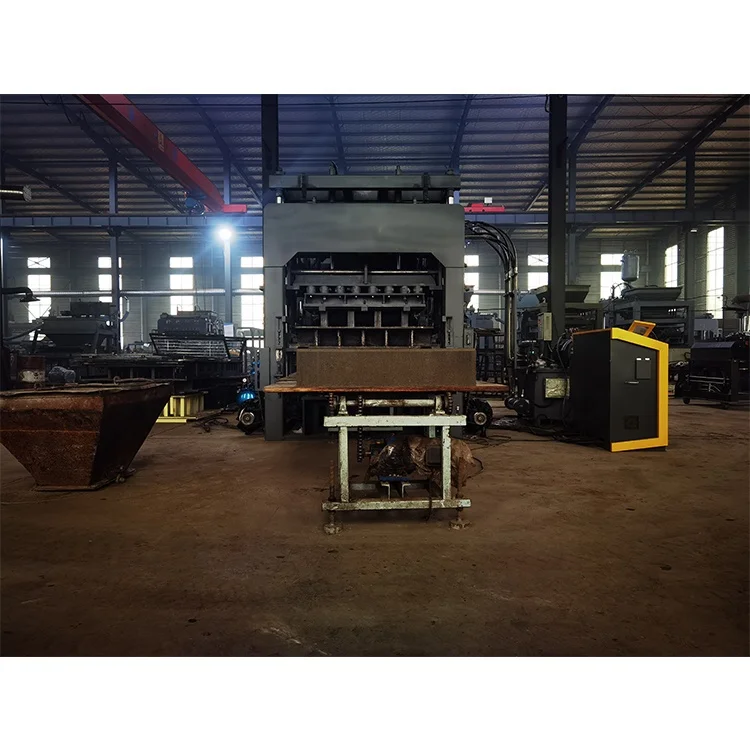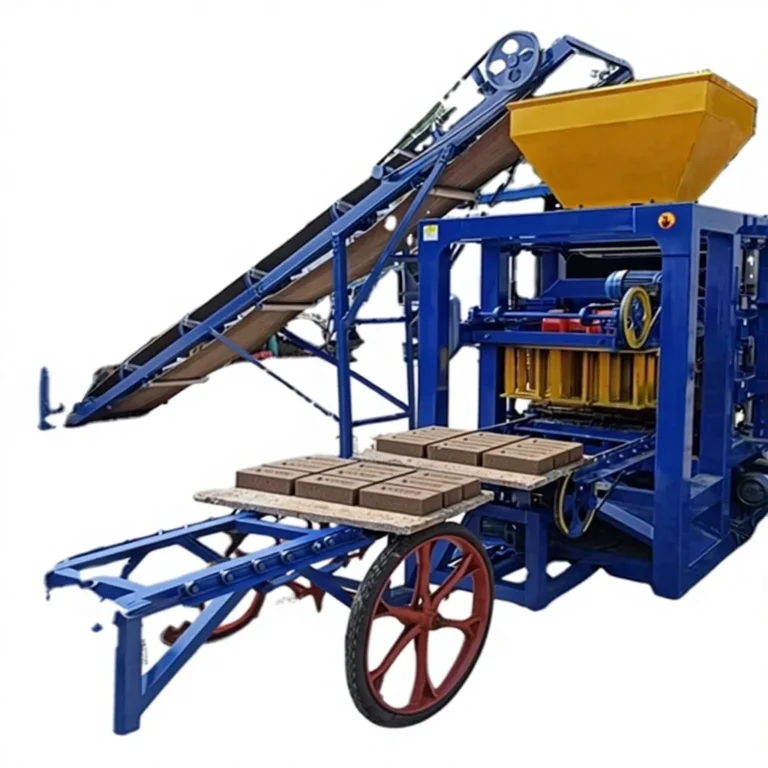
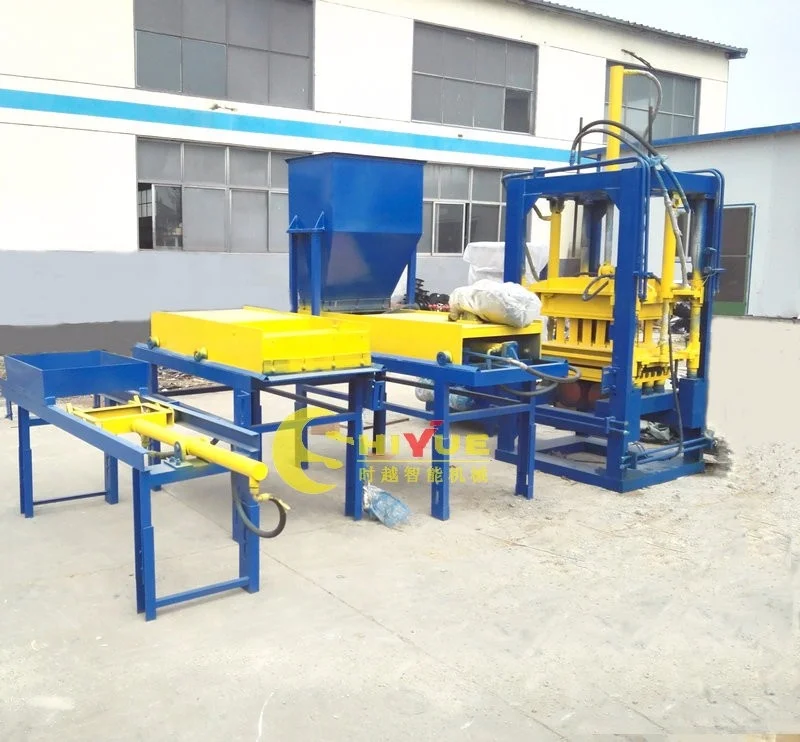
Description
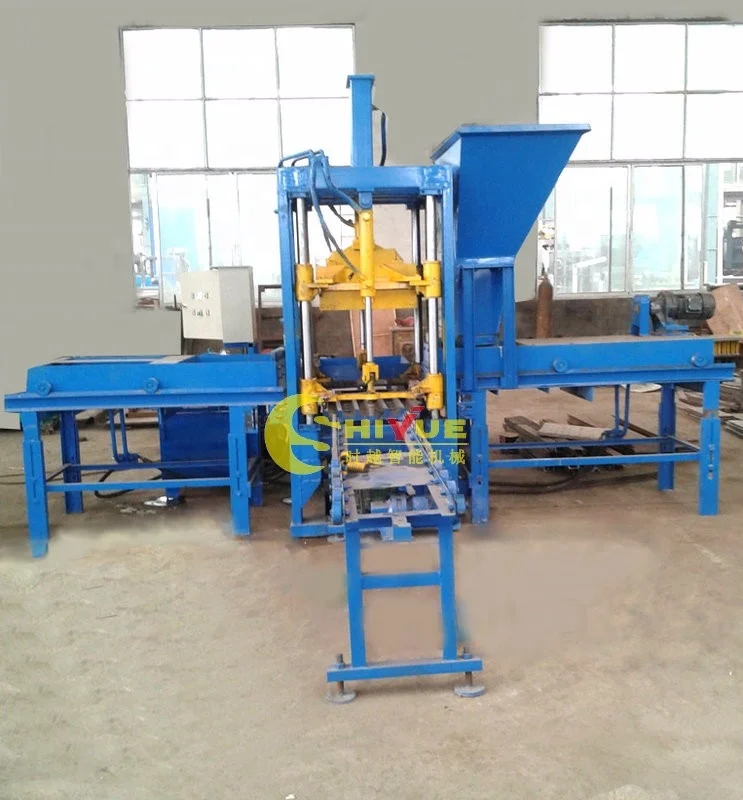
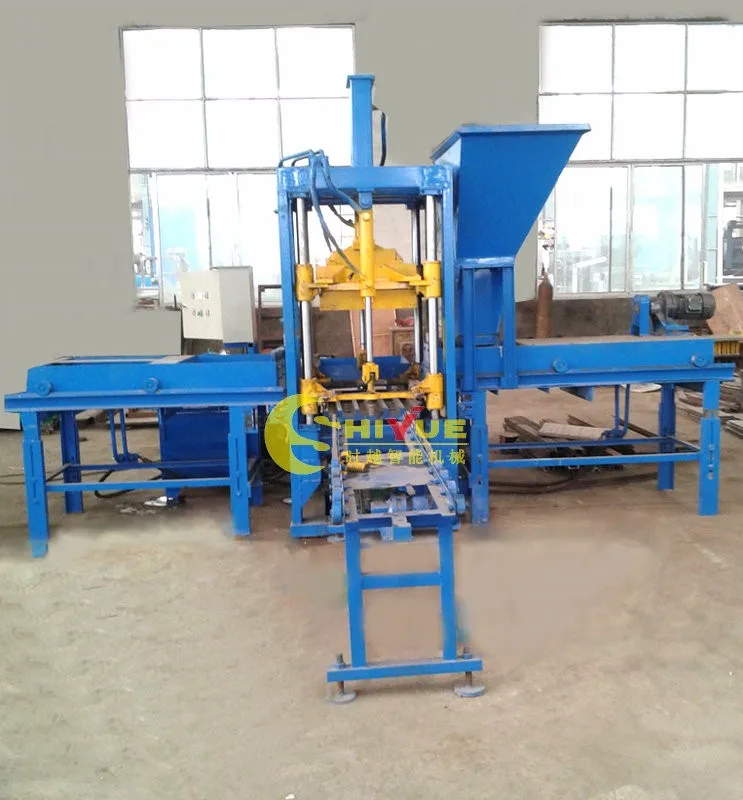
Hydraulic-Vibration Match — The QTF3-20 pairs hydraulic compaction with platform vibration so block density stays consistent across shifting mix ratios and local aggregates.
Technical Specifications
| Parameter | Value |
|---|---|
| Model | QTF3-20 |
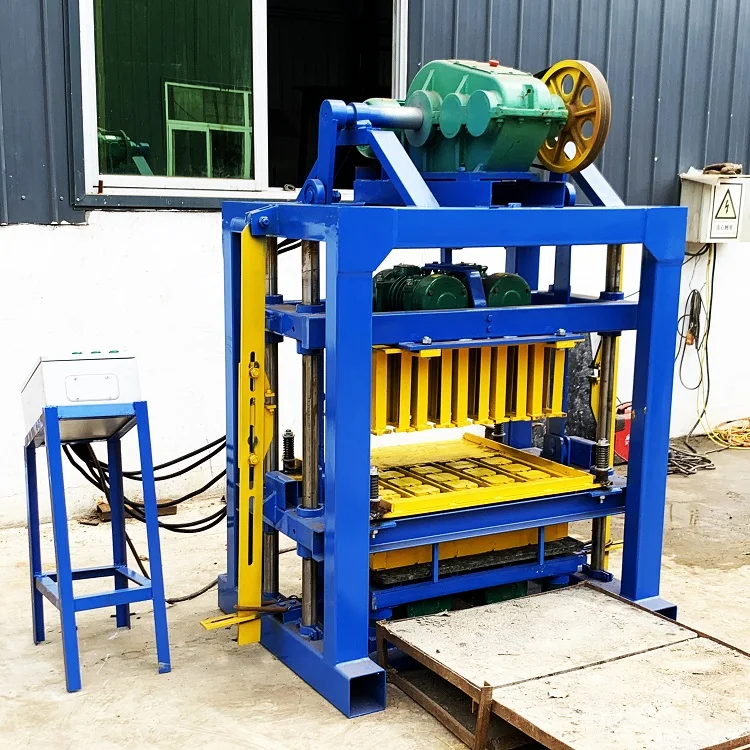
| Product Type | Stationary Concrete Block Making Machine |
| Total Installed Power | 17.5 kW |
| Overall Dimensions | 4000 × 3500 × 2300 mm |
| Total Mass | 2870 kg |
| Vibration System | Platform Vibration |
| Hydraulic Drive | Proportional Control |
| Layer Feed | Double Layer (Base and Color Surface) |
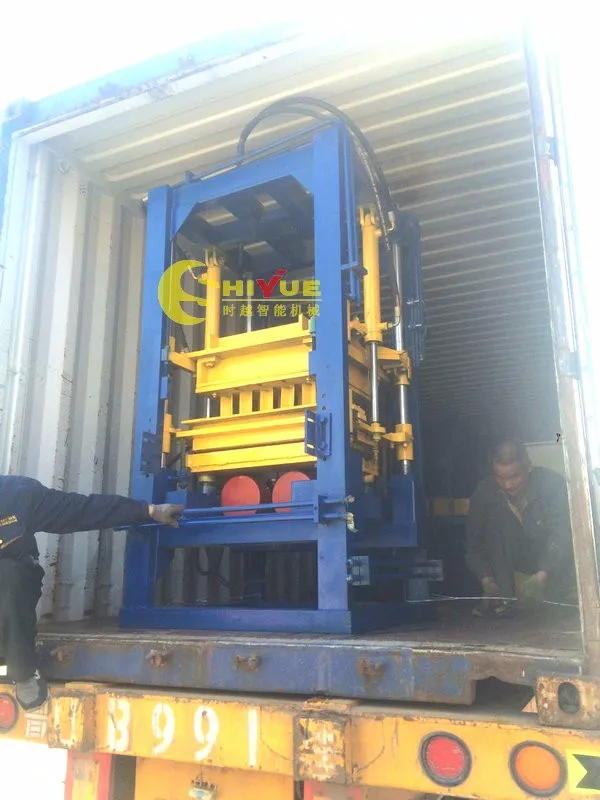
| Frame Construction | #12 U-bar Welded Integral Frame |
| Position Monitoring | No-Contact Proximity Switch |
| Control Style | Semi-Automatic with PLC |
| Raw Materials | Cement, Sand, Fly Ash, Coarse Aggregate, Slag |
| Output Capacity | 4320 pcs/day (basis not stated in source) |
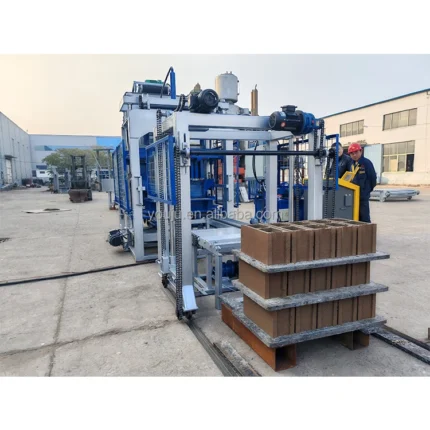
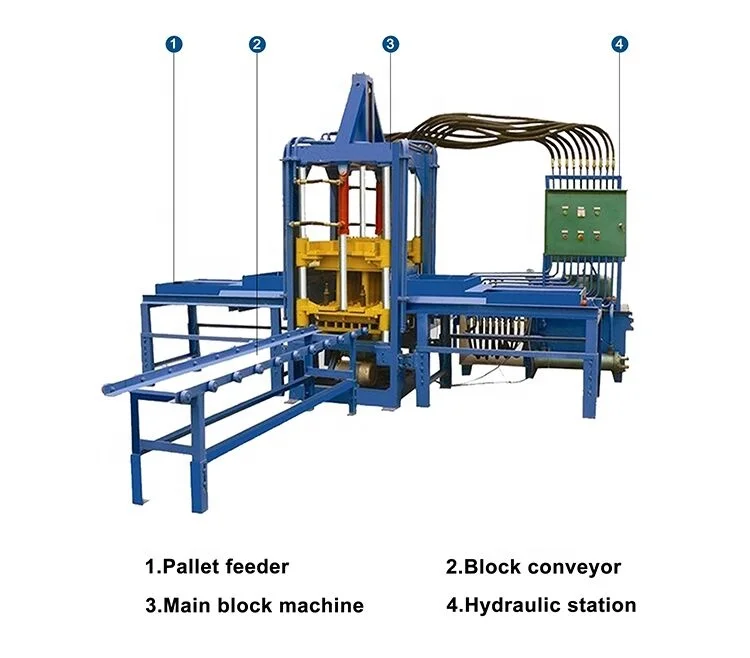
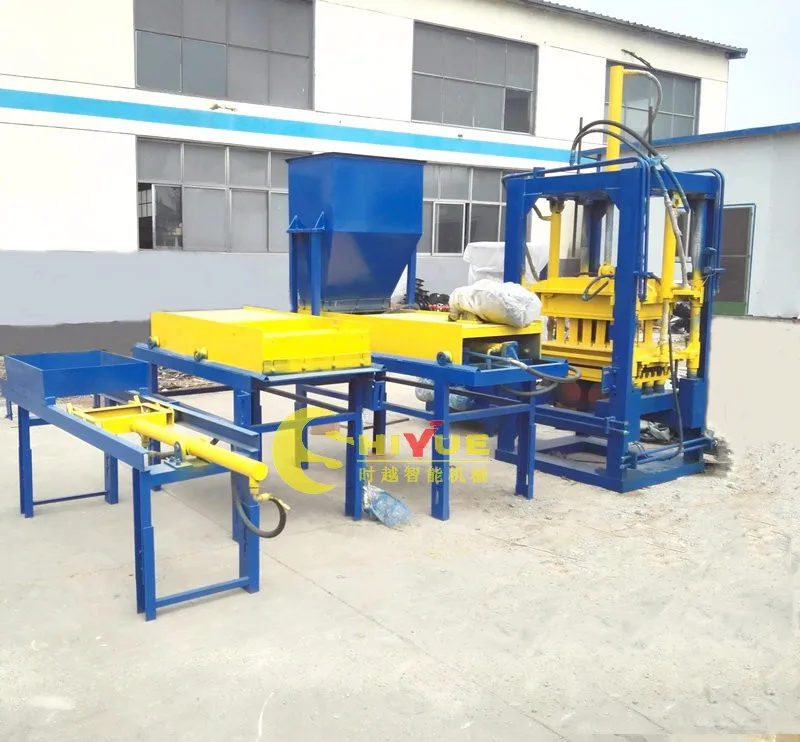
| Line Configuration | Host Machine, Material Feeder, Color Feeder, Pallet Feeder, Block Conveyor, Hydraulic Station, Electrical Cabinet |
Application Suitability
| Application | Typical Material or Format |
|---|---|
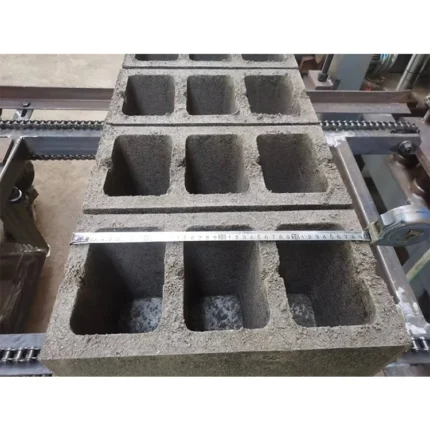
| Hollow Block Production | Cement, crushed stone, sand, fly ash blends |
| Interlocking Paver Production | Base concrete with color surface layer |
| Kerbstone and Solid Block | Coarse aggregate and cement at higher compaction |
| Porous and Grass Brick | Permeable aggregate mixes for landscaping |
| Slope Protection Brick | High-density concrete for erosion control |
Why the Voltage Question Should Come Before the Price
A PLC-controlled stationary block machine only delivers consistency if its electrical cabinet matches the site supply.
I once stood on a job site in Colombia watching a masonry crew sit idle for three weeks because the control cabinet had been wired for 380V/50Hz while the industrial park fed 440V/60Hz. The transformer took twenty days to arrive. No amount of hydraulic pressure or vibration tuning matters when the automatic stationary block machine PLC controlled system cannot power on. Voltage, frequency, and PLC display language must be confirmed in writing before the electrical cabinet is assembled, not after the container is opened [NEED_CITE: voltage and frequency standards by export market].
Control Logic That Removes Operator Guesswork
The PLC on the QTF3-20 sequences every stage — pallet feed, material distribution, vibration, hydraulic press, and block ejection — through no-contact proximity switches that track position without mechanical wear. This means cycle timing does not drift as sensors age, and the operator is not manually judging when to cut the vibration. For a plant moving from lever-operated machines, the automatic stationary block machine PLC controlled architecture removes the biggest source of batch-to-batch inconsistency: human timing variation.
Double-Layer Feed Without a Second Press
The color material feeder sits above the base material hopper and delivers a thin facing layer onto the base concrete in the same mould cycle. This lets the QTF3-20 produce color pavers and facing bricks in a single pass. There is no secondary pressing stage, no extra conveyor, and no additional operator station. Plants adding decorative paver formats to a standard hollow block range can do so without doubling the line footprint [NEED_CITE: double-layer paver production process standards].
What the Spec Sheet Numbers Actually Mean on the Shop Floor
The #12 U-bar welded frame absorbs the repeated shock of platform vibration shift after shift; a lighter frame section would develop fatigue cracks at the weld joints within months of continuous operation. The proportional hydraulic control allows pressure to ramp rather than slam, which keeps the colour surface layer from cracking away from the base during compaction. Total installed power of 17.5 kW means the QTF3-20 can run from a standard industrial supply without a dedicated high-capacity transformer, keeping site electrical work straightforward. The 4000 × 3500 mm footprint leaves room for pallet circulation on most existing curing yard layouts without rebuilding the floor slab.
The Hidden Cost of Unconfirmed Electrical Configuration
When voltage and frequency are assumed rather than verified, the consequences cascade. Proportional valves calibrated for one frequency respond at the wrong speed on another, throwing off compaction timing. PLC displays in a language the operator cannot read lead to parameter changes made by guesswork. Motors rewound locally to match a mismatched supply lose efficiency and overheat in tropical climates. These are not warranty claims — they are commissioning failures that erase any schedule advantage the buyer thought they had secured [NEED_CITE: electrical mismatch failures in exported industrial machinery].
Why Source the QTF3-20 Through This Line
Block machinery is the single product focus here, so the press, moulds, pallets, and handling equipment are specified as one matched system rather than sourced from separate vendors. The hydraulic and vibration parameters are set against the buyer’s actual mix design and local aggregate, not pulled from a catalogue default. Mould formats cover the shapes the buyer’s market actually sells, with custom drawings available. Automation level starts at semi-automatic with a clear path to add automatic stacking and cubing later, so the initial investment stays controlled. Installation support includes on-site commissioning and operator training so the first production run is not a learning experiment.
Documentation & Verification
- Machine specification sheet listing confirmed voltage, frequency, and PLC display language
- Capacity calculation stating the exact block format and mix assumed for daily output
- Hydraulic and electrical schematic matching the cabinet as built
- Factory test record on buyer’s specified block format before dispatch
- Mould drawing and format list with changeover procedure
- Operation and maintenance manual in the operator’s working language
Installation, Commissioning & Support
- Foundation plan matched to the 4000 × 3500 × 2300 mm footprint and 2870 kg mass
- Power feed sized for 17.5 kW total draw with dedicated circuit breaker schedule
- Electrical cabinet pre-wired to confirmed voltage and frequency before crating
- Proximity switch calibration and PLC parameter loading during first commissioning day
- Operator training covering mould change, double-layer feed setup, and daily maintenance
- Wear parts list with hydraulic seal and proximity switch part numbers for local sourcing
What to Include with Your Inquiry
Provide the block formats you currently sell or plan to introduce, along with the daily volume each format must reach. Confirm the voltage and frequency at the installation site, the PLC language your operators read, and the pallet dimensions your curing yard and forklifts are already set up for. If you have an existing mixer or batching system, include its capacity so the material feed configuration can be matched.
Frequently Asked Questions
Q: The 4320 pcs/day figure — which block format and mix does it assume?
A: That output value is listed without a stated format or mix basis in the source data. A reliable capacity calculation must name the block size, wall thickness, and mix design it references. Request a format-specific capacity table before confirming the order so your production planning rests on verified numbers, not a single aggregate figure.
Q: What does semi-automatic mean here, and can the line be upgraded later?
A: Semi-automatic on the QTF3-20 means the PLC sequences the press cycle, material feed, and vibration, while pallet handling and stacking remain manual. The system architecture supports adding automatic pallet feeding, stacking, and cubing modules as production volume grows, without replacing the host machine or control cabinet.
Q: How are PLC language and voltage confirmed before the machine is built?
A: Voltage, frequency, and PLC display language are locked in writing during the quotation stage, not assumed from the destination country. The electrical cabinet is then wired and tested at those exact values during the factory test, and the test record is shared with the buyer before crating.
Q: Which mould formats fit the QTF3-20, and how long does a changeover take?
A: Available moulds cover hollow blocks, interlocking pavers, color pavers, grass bricks, porous bricks, standard solid blocks, and slope protection units. Mould change time depends on the quick-lock system fitted; confirm the changeover procedure and tooling requirement for your specific format list during the proposal stage.
Q: How are replacement hydraulic seals and moulds supplied after installation?
A: A wear parts list with part numbers for hydraulic seals, proximity switches, and mould liners is included in the documentation package. Moulds can be reordered to original drawings or to updated buyer specifications, and hydraulic components use standard industrial sizes that can be sourced locally in most markets.