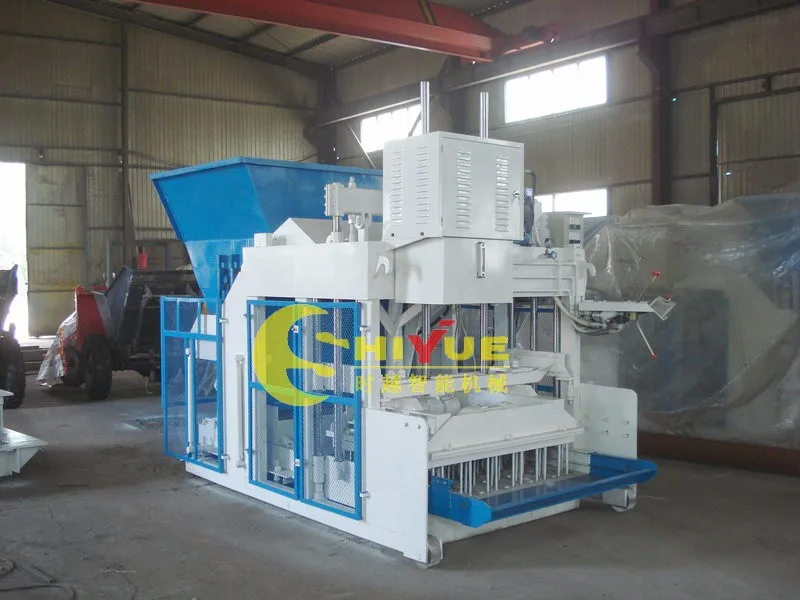
Description
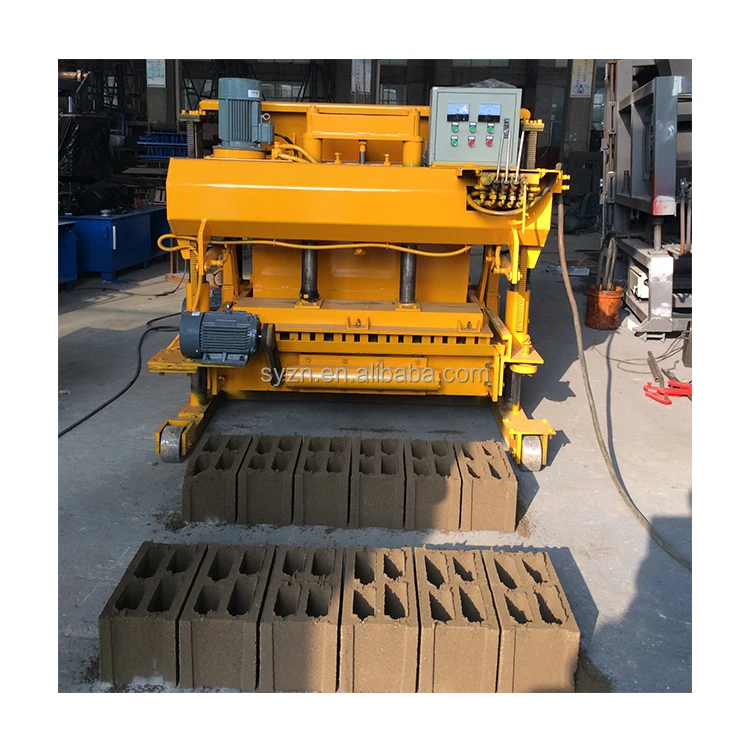
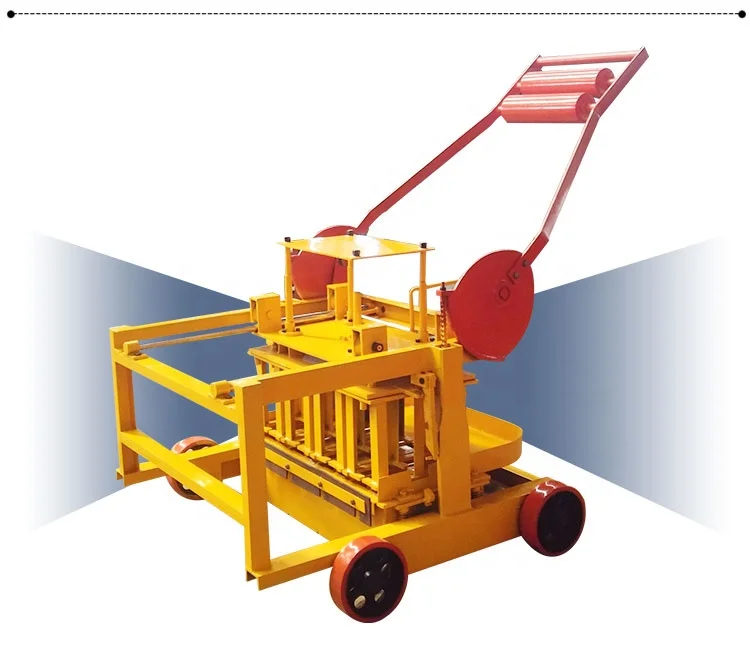
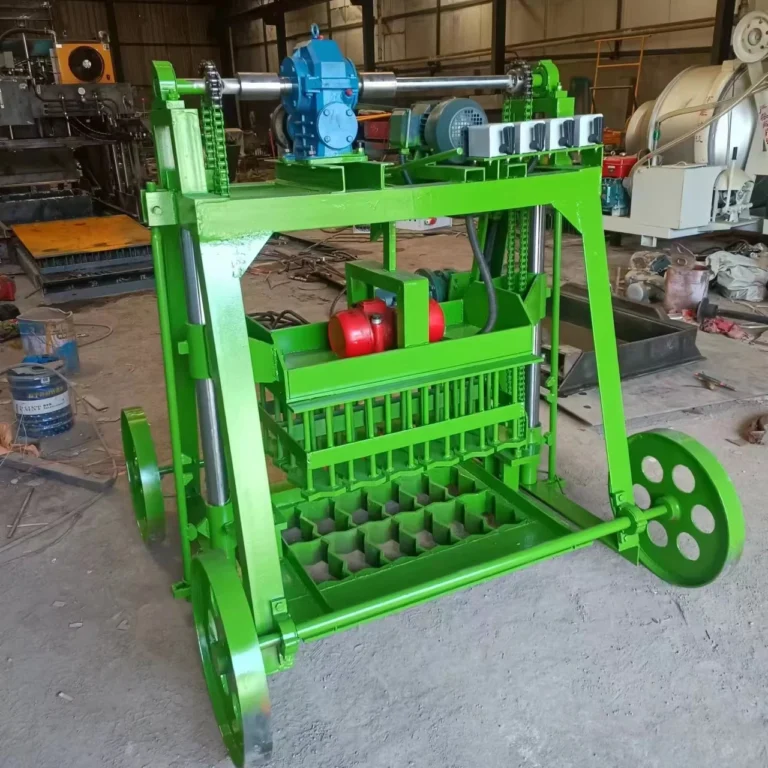
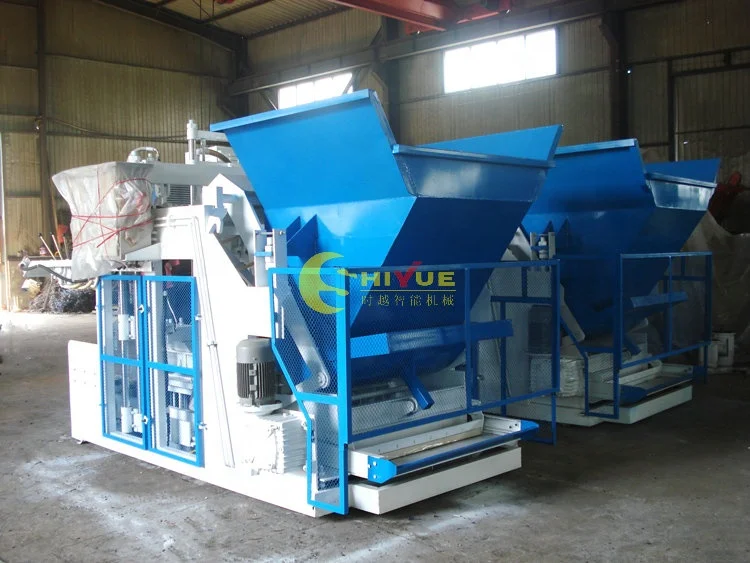
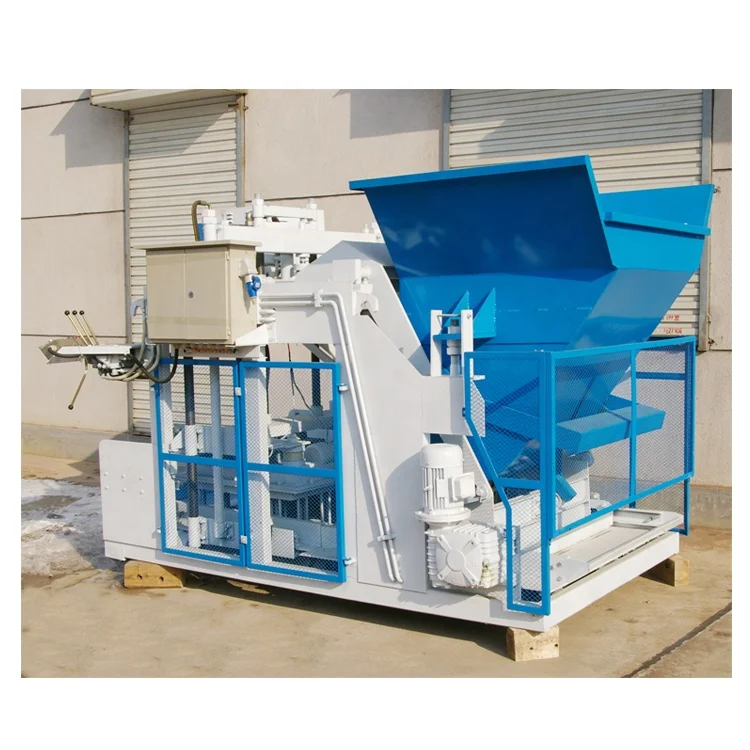
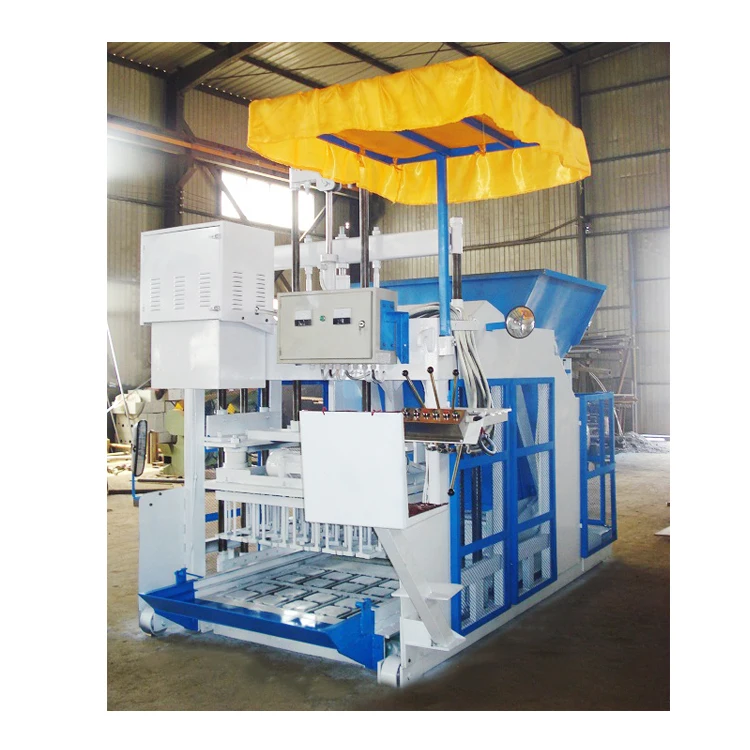
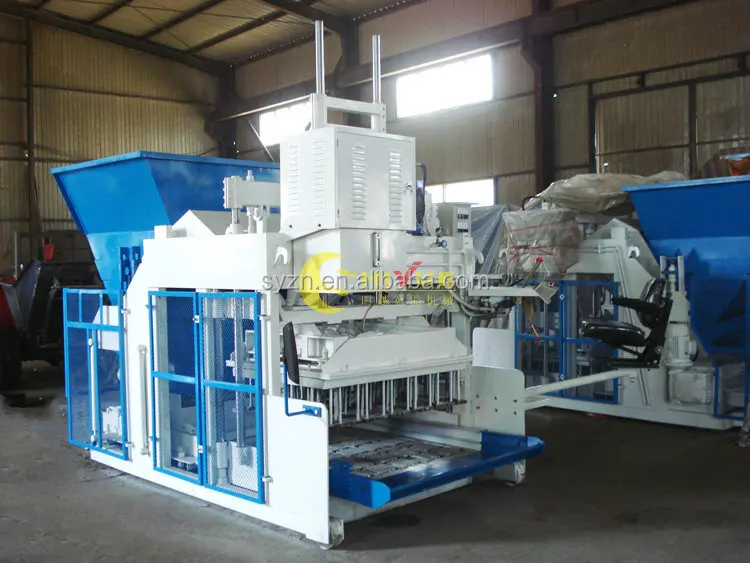
Hydraulic Demoulding on Wheels — The QMY10-15 pairs hydraulic upper and lower mold release with electric self-propelled travel, letting you lay blocks directly on the ground without a single pallet in sight.
Technical Specifications
| Parameter | Value |
|---|---|
| Model | QMY10-15 |
| Product Type | Mobile Concrete Block Making Machine |
| Molding Capacity | 10 pcs/mold (basis to be confirmed — depends on block format) |
| Molding Cycle | 10s–15s (basis to be confirmed) |
| Total Power | 16 kW |
| Output Capacity | 11,000 pcs/day (8 hours) (basis to be confirmed — format dependent) |
| Vibration System | Dual vibration motors |
| Hydraulic System | Upper and lower demoulding control; equipped with heat dissipator |
| Travel System | Electric walking, hydraulic steering |
| Pallet Requirement | None (egg-laying mobile type) |
| Automation Level | Semi-automatic, self-propelled |
| Basic Equipment Included | QMY10-15 host machine, JS7500 concrete mixer, dump truck |
| Optional Equipment | PL1200 batching machine, cement silo, screw conveyor, loader |
| Mould Compatibility | Multiple brick formats via mould change |
| Voltage & Frequency | Configurable (to be confirmed before production) |
| Control System | PLC or relay logic (to be confirmed before production) |
Application Suitability
| Application | Material or Output |
|---|---|
| On-site hollow block production for housing projects | Crushed stone, sand, cement, water |
| Solid block manufacturing at remote construction sites | Local aggregate blends with cement binder |
| Mobile block supply for infrastructure contractors | Mixed aggregate with varying cement ratios |
| First plant setup by entrepreneurs with no fixed yard | Locally sourced sand and gravel |
What "11,000 Pieces per Day" Actually Means on a Mobile Press
Capacity claims mean nothing without knowing which block format the number assumes.
Every mobile block machine brochure lists a daily output figure, but that number shifts dramatically depending on whether you are running hollow blocks, solid blocks, or pavers. The QMY10-15 is rated at 11,000 pcs/day over an 8-hour shift, yet that figure was generated under conditions that the source does not specify — meaning your real-world throughput depends entirely on the block format, mix consistency, and operator rhythm on your site [NEED_CITE: block format impact on mobile machine cycle time]. I have seen contractors arrive at a job site expecting a certain daily volume, only to find that switching from a 400×200×200mm hollow block to a thinner partition block cuts that number in half. This is why we ask every buyer to tell us exactly which block they plan to run before we quote a capacity figure.
How the PLC-Controlled Mobile Concrete Block Machine Manages Its Own Travel
The automatic mobile block machine moves itself forward after each molding cycle using an electric walking motor paired with hydraulic steering. This means the operator does not need a tractor or forklift to reposition the press between rows. The steering system allows precise lateral movement so blocks are laid in straight, evenly spaced lines directly on compacted ground. Because the machine travels on its own, the production rhythm depends only on the molding cycle and the mixer’s feed rate — not on external material handling equipment.
Eliminating Pallet Dependency Without Sacrificing Block Consistency
Traditional static block machines require a fleet of production pallets, a curing rack system, and forklifts to move stacked output. The QMY10-15 removes that entire infrastructure layer. The hydraulic demoulding system releases the mold upward while the block remains on the ground, which means the block must achieve enough green strength immediately to hold its shape without pallet support. This is where the dual vibration motors matter — they compact the mix densely enough during the 10s–15s cycle so the block stands on its own the instant the mold lifts [NEED_CITE: green strength requirements for egg-laying block machines]. If your local aggregate is high in clay or silt, achieving that immediate stand-up strength requires mix adjustments before the machine even arrives.
Reading the Specs That Actually Matter on a Mobile Press
The 16 kW total power rating covers both vibration motors and the hydraulic pump, so understanding how that power is split tells you what to expect from the finished block. The dual vibration motors generate the compaction force that determines block density, while the hydraulic system handles mold clamping and release speed. A heat dissipator is fitted to the hydraulic circuit because continuous demoulding cycles generate oil heat that, without cooling, degrades seal life and slows response times. The JS7500 concrete mixer included in the basic package must keep pace with the press — if the mixer cannot deliver a fresh batch every 15 seconds, the machine sits idle and the 11,000-piece figure becomes unreachable. The optional PL1200 batching machine adds proportioning accuracy so each batch matches the last, which matters when block strength consistency is a contractual requirement.
When the Wrong Control Configuration Reaches Your Site
Voltage mismatch is one of the most common reasons a block machine sits idle after arrival. The QMY10-15 control system can be configured for different voltages and frequencies, but if that configuration is not confirmed before production starts, the machine may arrive with a panel that does not match the local supply [NEED_CITE: industrial voltage standards by region]. Beyond electrical compatibility, the PLC display language must match the operators who will actually run the machine — a control screen in a language the crew cannot read leads to parameter errors that affect block quality. Mould changeover is another area where assumptions cause delays. The machine supports multiple formats, but the time and tools needed to swap moulds on a mobile chassis differ from a static press, and that changeover time must be factored into your daily production plan.
Why Buyers Come Back for the Second Machine
We build the QMY10-15 as a matched system — the press, mixer, and optional batching unit are specified together so the mixer output aligns with the press cycle rather than leaving the machine waiting between batches. Every configuration starts with the buyer’s target block format and local aggregate sample, not a catalogue default. Mould design is done around the formats that actually sell in the buyer’s market, including custom drawings when standard options do not fit. The automation level on this mobile machine is selectable so a buyer can begin with semi-automatic operation and add batching or control upgrades later. Installation support includes on-site commissioning with operator training covering mould change procedure and hydraulic maintenance intervals.
Documentation & Verification
- Line layout drawing showing mixer-to-press material flow for your site conditions
- Machine specification sheet with confirmed voltage, frequency, and control language
- Mould drawing and format list for every block type in your quotation
- Hydraulic and electrical schematic for on-site troubleshooting
- Factory test record run on your target block format before dispatch
- Operation and maintenance manual with mould change procedure and spare parts list
Installation, Commissioning & Support
- Level compacted ground required as production surface — no concrete foundation needed for the mobile press itself
- 16 kW power supply with dedicated circuit breaker sized to the confirmed voltage and frequency
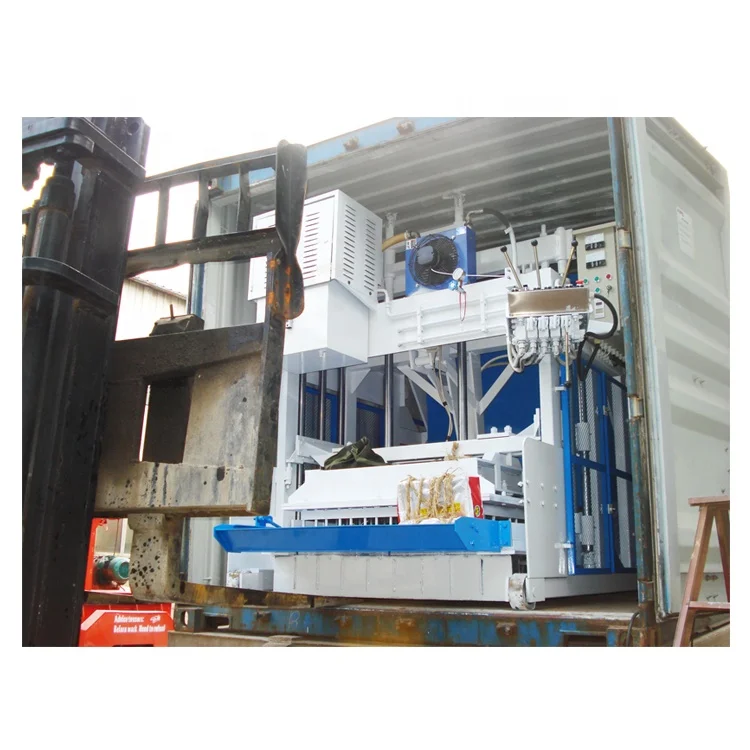
- Machine shipped in transport-ready condition with hydraulic lines disconnected for container loading
- On-site commissioning covers first production run, vibration tuning, and hydraulic pressure calibration
- Operator training includes mould changeover, daily vibration motor inspection, and heat dissipator cleaning
- Wear parts list provided with recommended stock levels for vibration motor mounts and hydraulic seals
What We Need Before We Quote Your QMY10-15
To give you a capacity figure that holds up on your job site, we need the specific block format and dimensions you intend to produce, along with a sample of your local sand and aggregate. Tell us the voltage and frequency at your site, the language your operators need on the control screen, and whether you already have a loader or batching equipment available. If your project has a deadline, share it so we can align production and shipping accordingly.
Frequently Asked Questions
Q: How is the 11,000 pcs/day capacity calculated, and which block format does it assume?
A: The stated capacity is based on an 8-hour shift, but the source does not specify which block format or size was used for that calculation. Hollow blocks, solid blocks, and pavers each require different molding volumes per piece, so actual daily output varies by format. We provide a per-format capacity table after confirming your target block dimensions.
Q: What automation level does the QMY10-15 offer, and can it be upgraded?
A: The QMY10-15 ships as a semi-automatic, self-propelled mobile press. The optional PL1200 batching machine and cement silo add proportioning automation to the front end of production. Full PLC-controlled batching and remote diagnostics can be discussed based on your site requirements and existing infrastructure.
Q: Which voltage and control language options are available?
A: Voltage and frequency are configured before production to match your destination market supply. The control system can be set up with PLC or relay logic, and the display language is confirmed during the order process so operators can read all parameters and fault messages in their own language.
Q: How does mould changeover work on a mobile machine?
A: Mould changes on the QMY10-15 involve releasing the mould from the vibration table and swapping to the next format. Because the machine is mobile rather than fixed to a production line, access is different from a static press. We provide a changeover procedure specific to this chassis along with the tools required and realistic time estimates per format.
Q: What supporting equipment keeps the QMY10-15 running without idle time?
A: The basic package includes the JS7500 concrete mixer and a dump truck for material transport to the press. The optional PL1200 batching machine, cement silo, and screw conveyor reduce manual proportioning and ensure batch consistency. A loader is recommended if your aggregate stockpile is not adjacent to the mixer feed point.