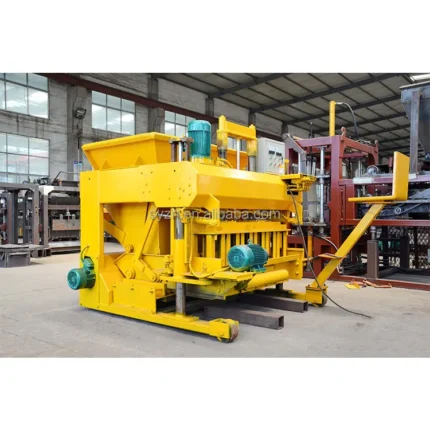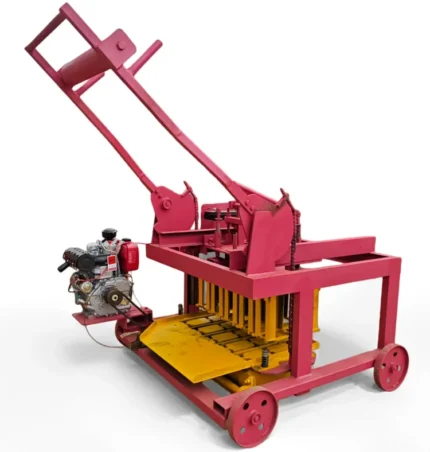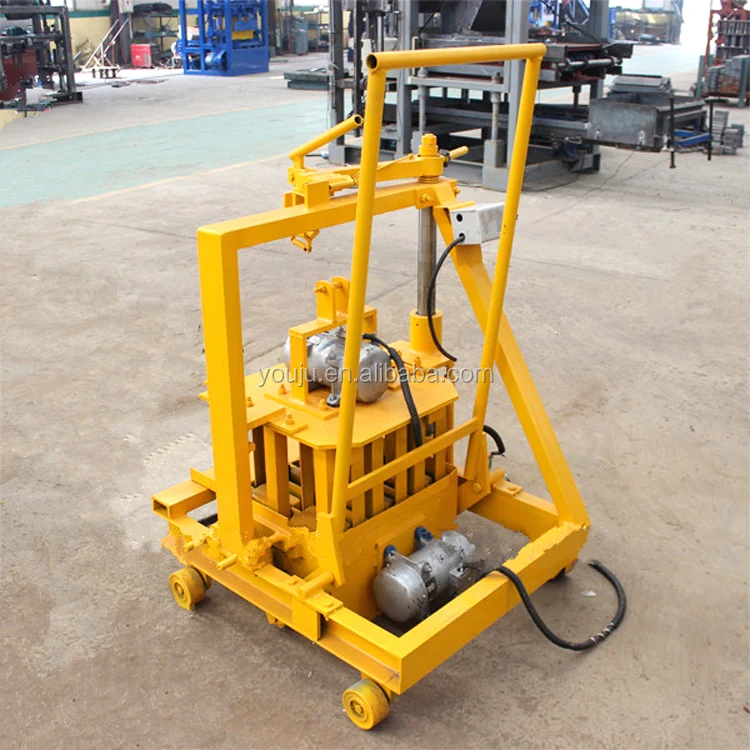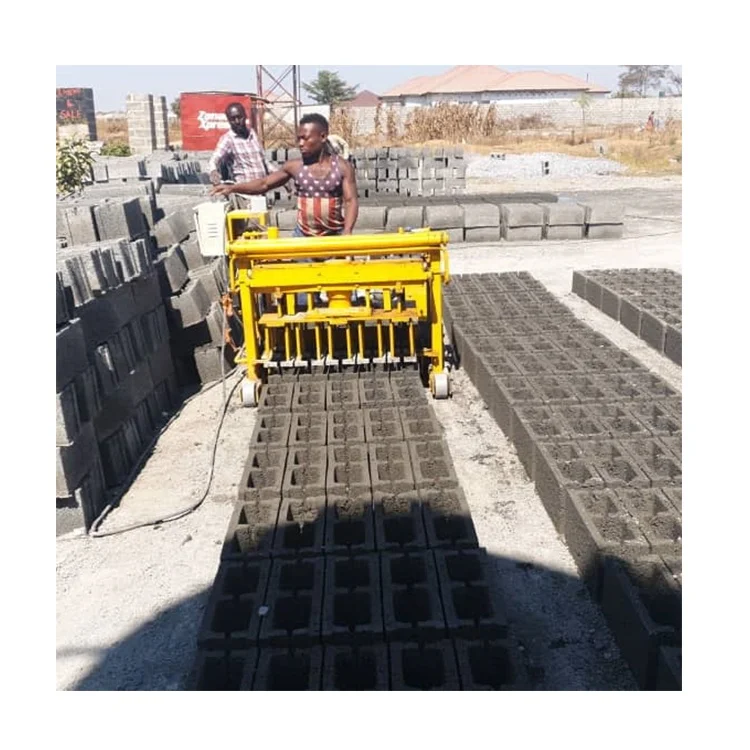
Description
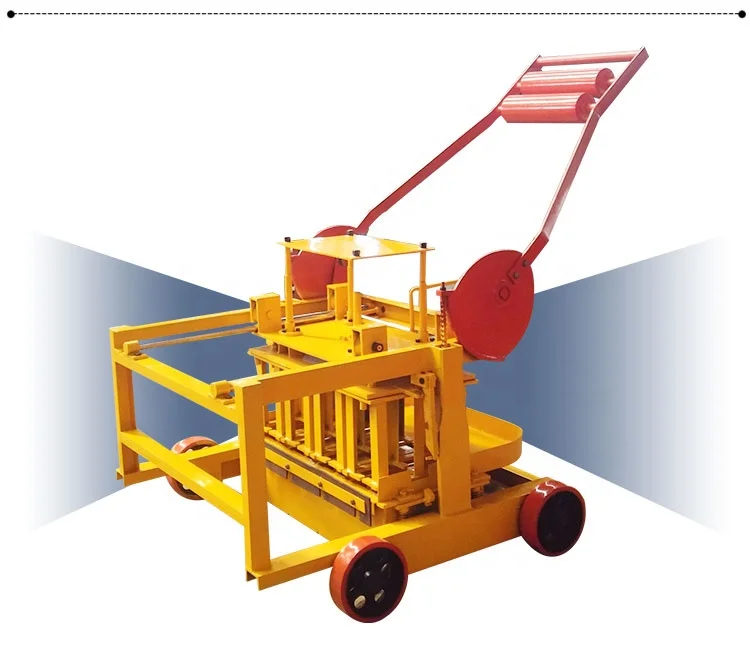
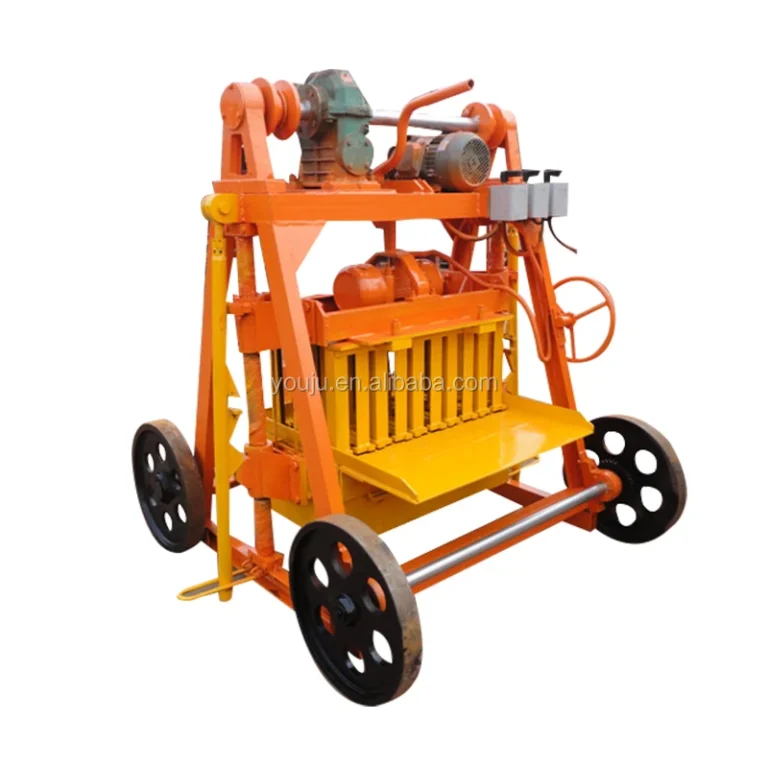
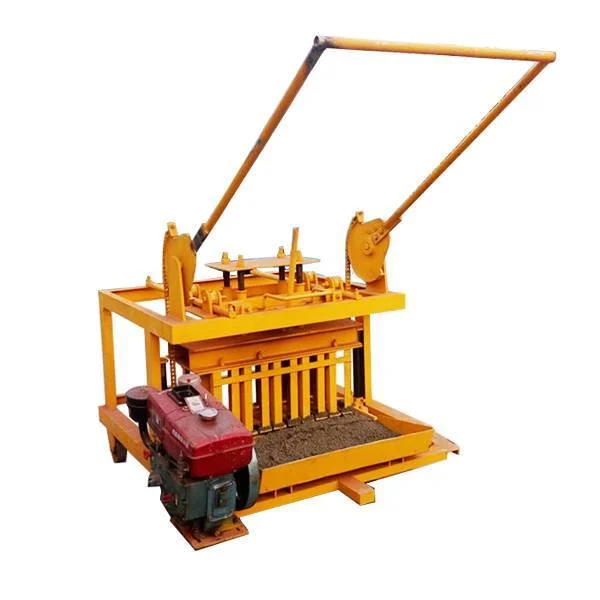
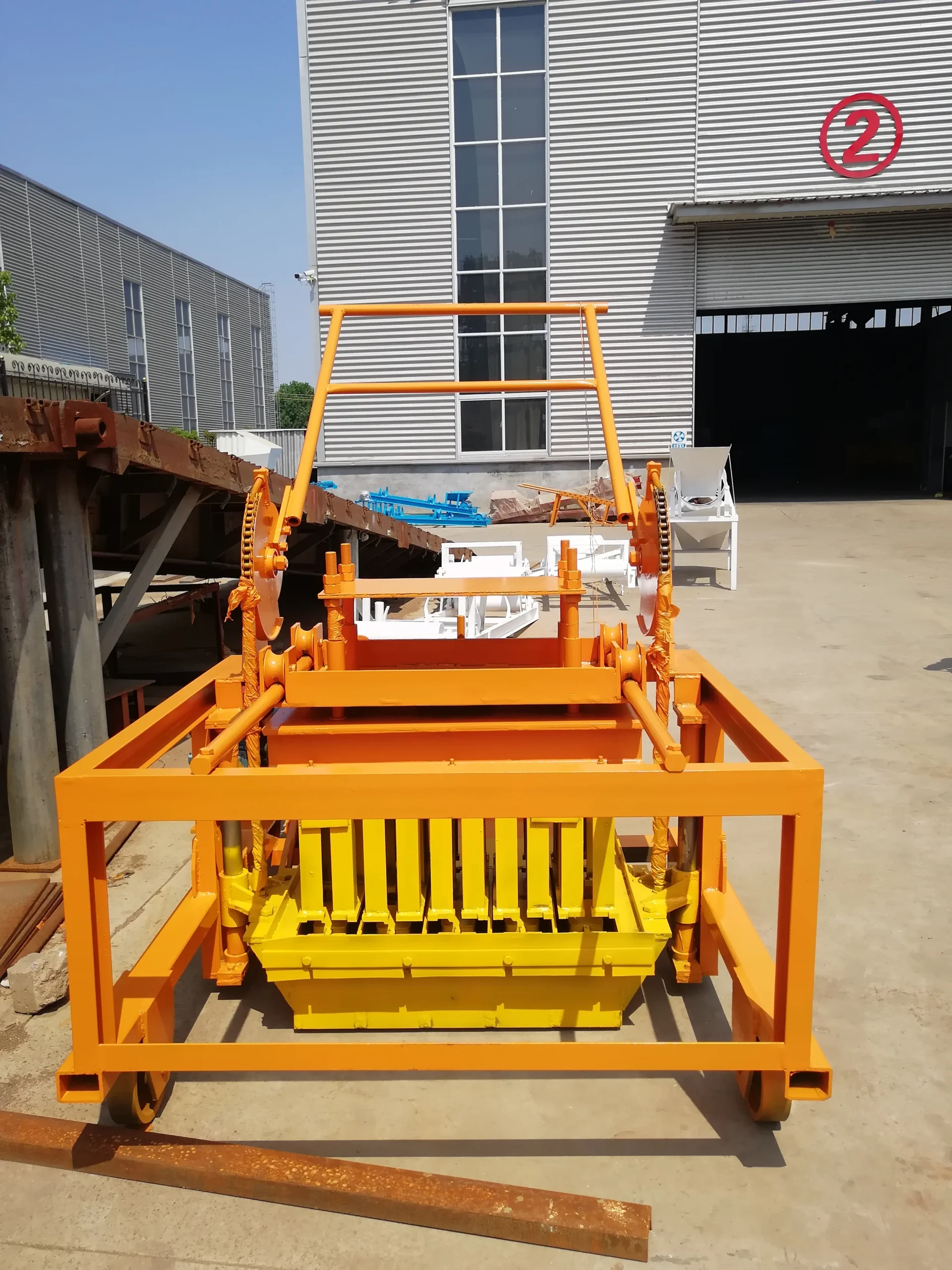
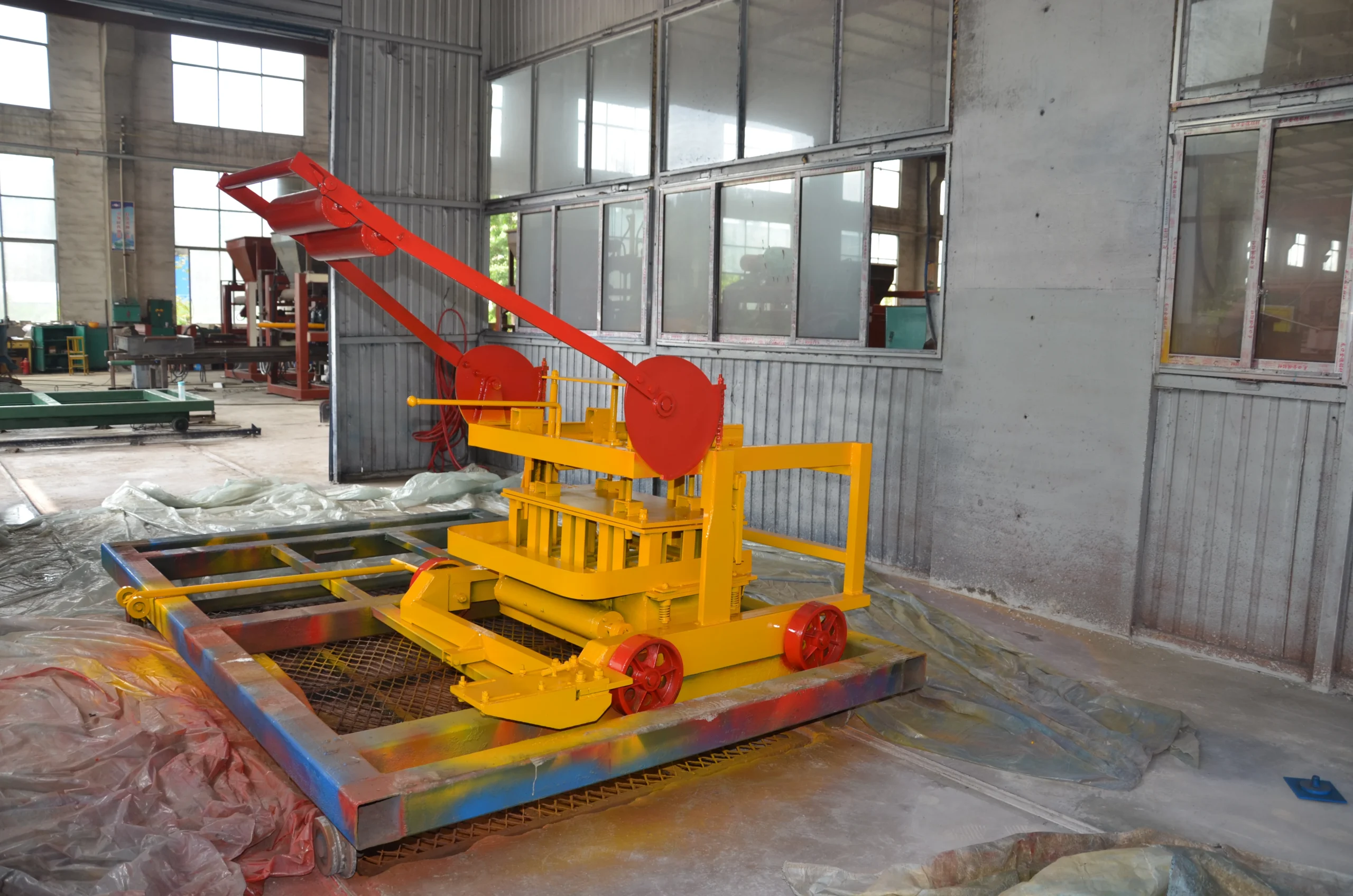
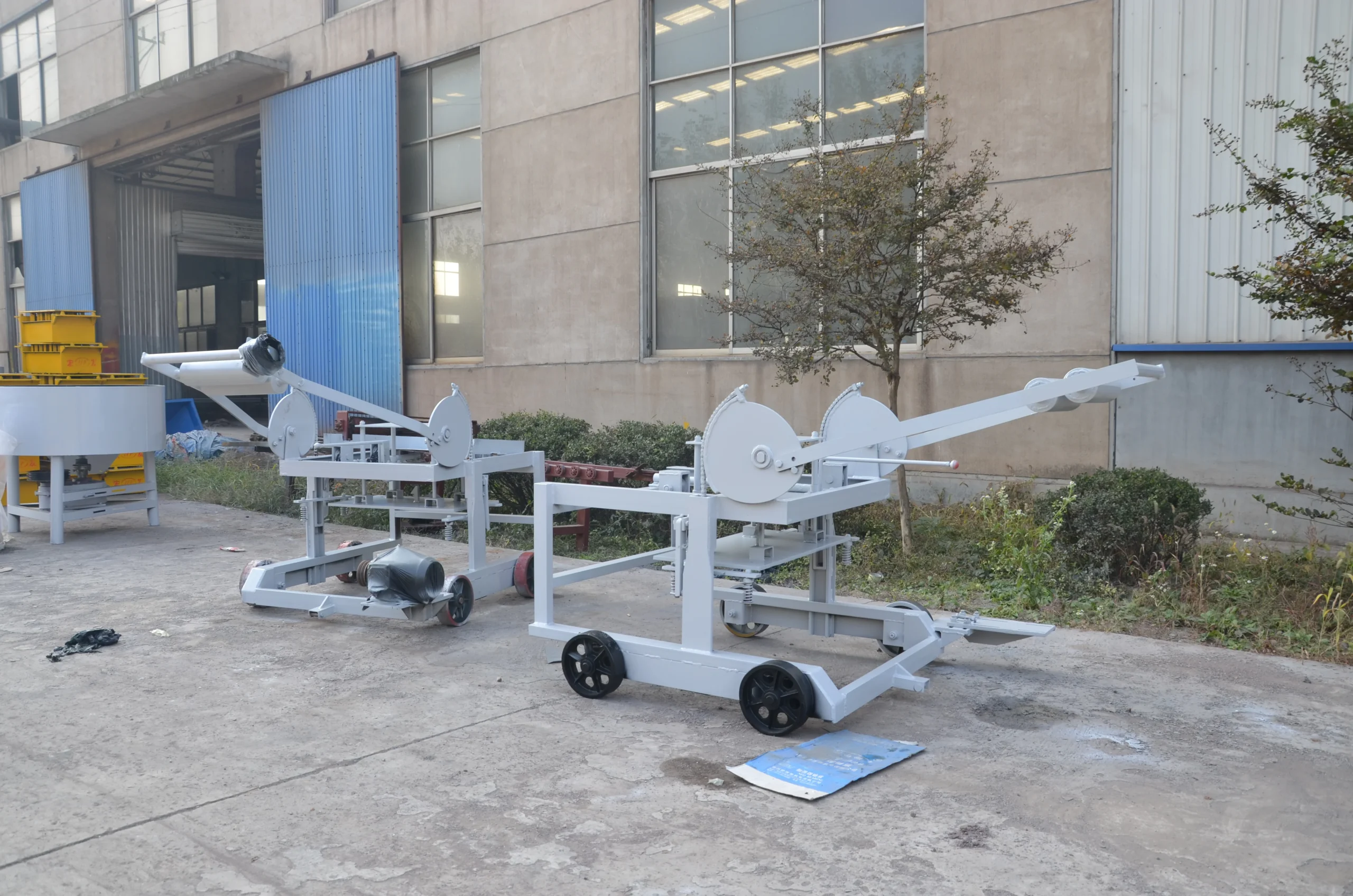
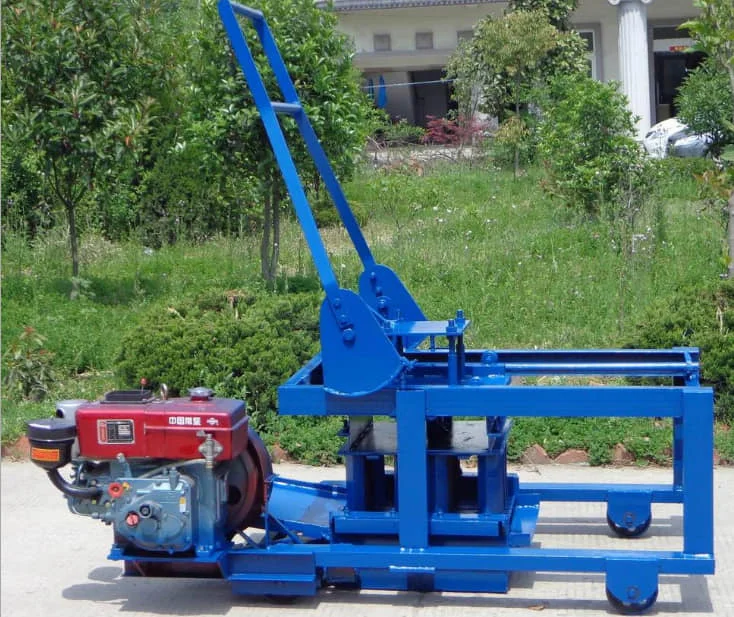
Diesel-Powered Mobility — this egg laying unit produces directly on the ground, eliminating pallet dependency while keeping PLC language verified before dispatch.
Technical Specifications
| Parameter | Value |
|---|---|
| Model | QMR4-45 |
| Product Type | Mobile Egg Laying Block Making Machine |
| Power Source | Diesel Engine |
| Machine Type | Mobile / Egg Laying |
| Automation Level | Manual or Semi-automatic (basis to be confirmed) |
| Pallet Size | Not applicable (egg laying type — produces directly on ground) |
| Mould Format | Configurable for solid, hollow, and paving blocks (basis to be confirmed) |
| Output Capacity | Dependent on block format and cycle time (basis to be confirmed) |
| Cycle Time | Varies by mould and mix design (basis to be confirmed) |
| Hydraulic Pressure | Varies by configuration (basis to be confirmed) |
| Vibration Force | Varies by configuration (basis to be confirmed) |
| Control System | Manual operation with optional PLC upgrade (basis to be confirmed) |
| Voltage & Frequency | Configurable to local grid where electric motors are fitted (basis to be confirmed) |
| Assembly State | Fully assembled mobile unit |
| Certification | CE, ISO 9001 |
Application Suitability
| Application | Material or Output |
|---|---|
| On-site building construction | Solid blocks from local crushed stone and cement |
| Housing project sites | Hollow blocks from aggregate blends with available sand |
| Small-scale block yard start-ups | Paving blocks using crusher dust and cement mixes |
| Contractor self-supply | Interlocking bricks from laterite or volcanic ash where available |
| Remote site production | Any standard block format using diesel power without grid connection |
Why Control Language Must Be Confirmed Before the Crate Is Nailed
Every PLC screen ships with the buyer’s language burned in, verified by screenshot before dispatch.
An automatic mobile egg laying block machine PLC controlled is only as useful as the operator who runs it. I once saw a mobile unit arrive in East Africa with a Chinese-only interface — the site foreman could not read a single menu, and commissioning stalled for days while a translator was sourced. That delay cost more than the language option itself. The control screen is the operator’s only window into cycle timing, fault codes, and batching parameters. When the language is wrong, the machine might as well be a paperweight [NEED_CITE: PLC display language standards for exported industrial equipment].
How Diesel Power Meets Site Reality
Not every building site has a three-phase supply waiting at the gate. The QMR4-45 runs on a diesel engine, which means block production can begin the moment the machine is wheeled into position. This matters for housing projects in developing areas, road-side yards, and remote contractor sites where grid connection is either unavailable or unreliable. The engine drives both vibration and hydraulic circuits, so block density does not fluctuate with voltage dips.
From Manual Pull to PLC-Guided Consistency
The automation path on this machine starts at manual lever operation and extends through to PLC-controlled batching and cycle management. A buyer can begin with basic manual control, learning the mix behaviour and mould change rhythm, then add PLC modules later as production scales. The automatic mobile egg laying block machine PLC controlled configuration removes guesswork from cycle timing and vibration duration, delivering batch-to-batch consistency that manual operation cannot match [NEED_CITE: automation upgrade paths in mobile block making equipment].
Vibration, Pressure, and the Block That Survives Drop-Testing
Vibration force and hydraulic pressure together determine whether a freshly laid block holds its shape when the machine rolls forward. Too little vibration and the mix stays loose; too much and the block slumps before the cement gains initial set. The QMR4-45’s egg laying design places the block directly on the ground, so the mix must be stiff enough to stand without pallet support. Getting this balance right depends on the local aggregate grading and cement proportion — a configuration issue, not a machine defect.
Specifying for the Ground You Actually Pour On
Egg laying machines deposit blocks on whatever surface is prepared. A smooth concrete floor yields clean-edged blocks; compacted earth introduces surface irregularities that affect the bottom face. The QMR4-45 does not need pallets, which removes an entire handling chain — no pallet return conveyor, no pallet cleaning, no pallet storage yard. The trade-off is that ground preparation becomes part of the production workflow, and the curing area must be large enough for the day’s output to remain undisturbed until the blocks gain handling strength.
The Cost of Skipping Configuration Verification
When an egg laying machine arrives configured for a mix the buyer cannot source locally, the result is either weak blocks or an expensive material substitution. I have seen operators blame the vibration motor when the real issue was aggregate shape — rounded river sand produces different compaction than angular crusher dust. Confirming the mix design, target block format, and local material before the machine leaves the factory prevents most field complaints. This is where documentation matters: a factory test record run on a comparable mix gives the buyer confidence before the container is sealed [NEED_CITE: aggregate grading standards for concrete block production].
What This Supplier Brings to a Mobile Machine Purchase
Block machinery is the single focus here, so the QMR4-45 is specified as part of a matched system — mould, engine, and control are selected together rather than assembled from unrelated sources. Configuration is set against the buyer’s actual mix and target format, not a catalogue default. Mould design covers the formats the buyer’s market demands, with custom drawings available. The automation level is selectable, so a first-time buyer can start manual and add PLC control as output grows. Installation guidance and operator training are included, and I personally verify PLC language on every unit before it ships.
Documentation & Verification
- Factory test record run on your specified block format before dispatch
- Mould drawing and format list matched to your market requirements
- PLC screen language confirmed by screenshot before crating
- Operation and maintenance manual with wear parts list included
- Hydraulic and electrical schematic for your local technician
Installation, Commissioning & Support
- Fully assembled diesel unit rolls off the container floor ready to position
- Ground preparation guidance provided for your curing area dimensions
- First-run commissioning with cycle timing adjusted to your mix design
- Operator training covering mould change, daily maintenance, and fault codes
- Wear parts list with hydraulic seal and vibration motor specifications included
What to Share When You Open an Inquiry
To configure the QMR4-45 correctly, the conversation needs to start with your target block format, local raw material type, and daily output expectation. Share your site conditions — ground surface, curing space available, and whether a diesel engine or electric motor suits your power situation. If PLC control is on the table, specify the display language and your local voltage and frequency so the control panel is wired and programmed before shipment.
Frequently Asked Questions
Q: How is daily output calculated and which block format does it assume?
A: Output is stated per specific block format with the cycle time documented alongside it. A hollow block cycle differs from a solid block cycle, so the daily figure only holds meaning when the format is named. Request the capacity table before committing.
Q: What automation level is included — manual, semi-automatic, or PLC-controlled?
A: The QMR4-45 is available from basic manual lever operation through to PLC-controlled cycle management. The automation level included in your quotation is stated explicitly, so there is no ambiguity about what arrives on site.
Q: Which block formats can this machine produce and how long does mould change take?
A: The machine accepts moulds for solid blocks, hollow blocks, and paving blocks. Mould change time depends on the format transition and is documented in the operation manual so you can plan shift schedules around format switches.
Q: What voltage and control language options are available for my market?
A: Voltage and frequency are configured to your local grid where electric components are fitted. PLC display language is confirmed by screenshot before the machine is crated, ensuring your operators can read every menu on day one.
Q: How does the egg laying design compare to pallet-based systems for my site conditions?
A: Egg laying eliminates pallet purchase, return conveyors, and pallet storage, but requires prepared ground and sufficient curing area. If your site has smooth concrete flooring and space for undisturbed curing, the egg laying approach reduces handling cost significantly.