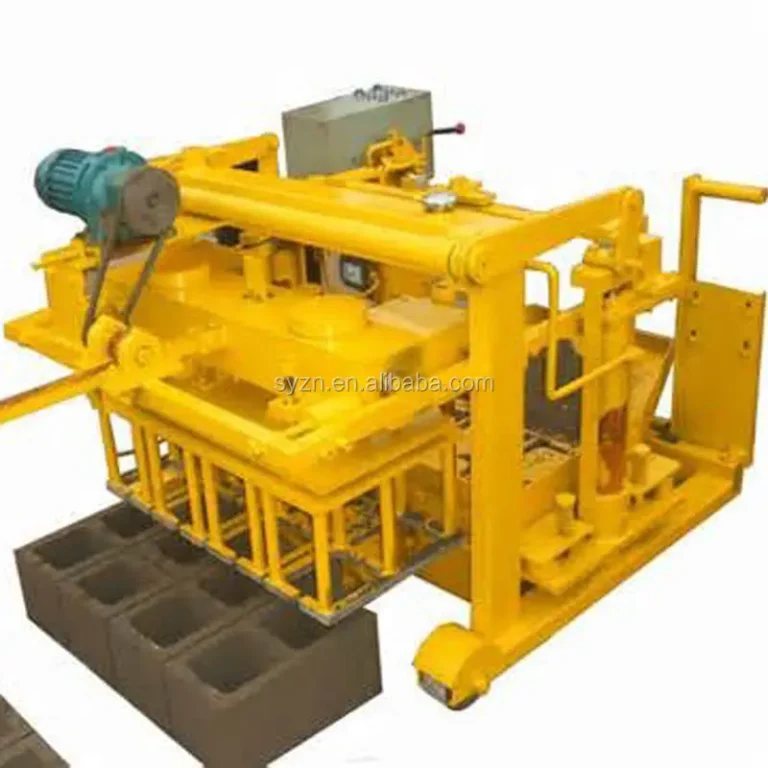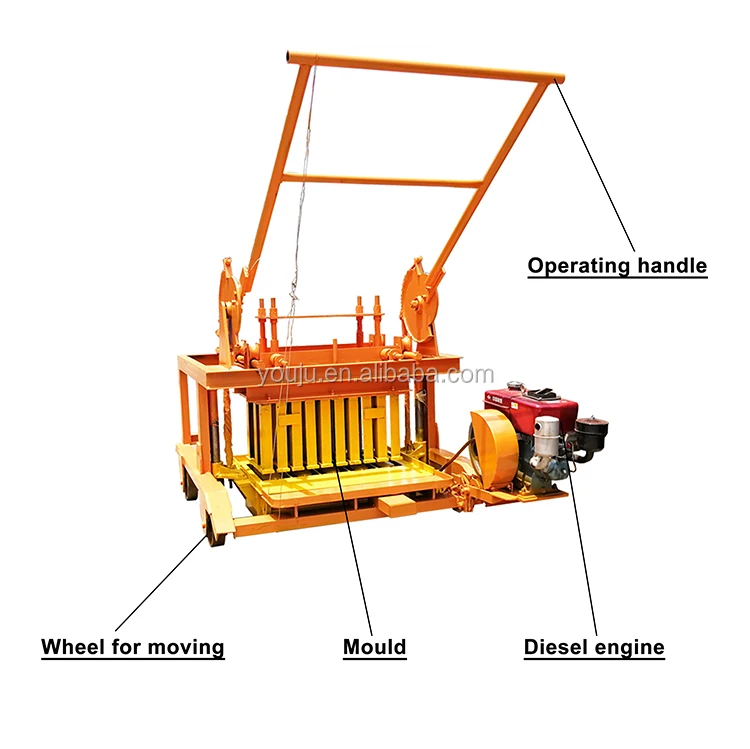


Description
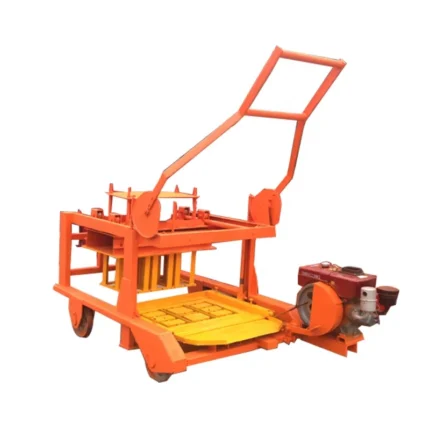
Diesel-driven mobility — a matched block machine and power system configured for sites where grid electricity is unavailable, with control specs confirmed before assembly begins.
Technical Specifications
| Parameter | Value |
|---|---|
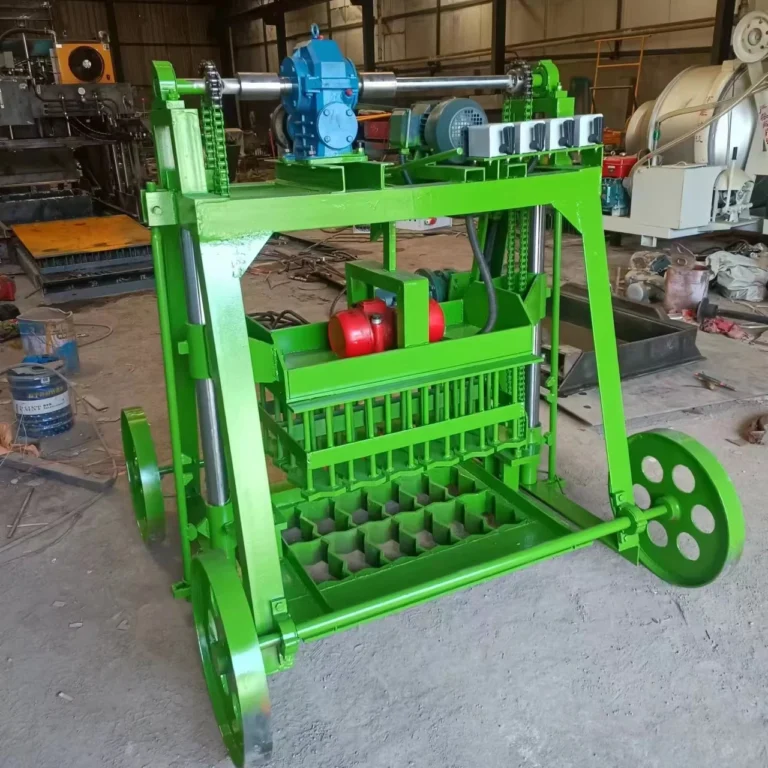
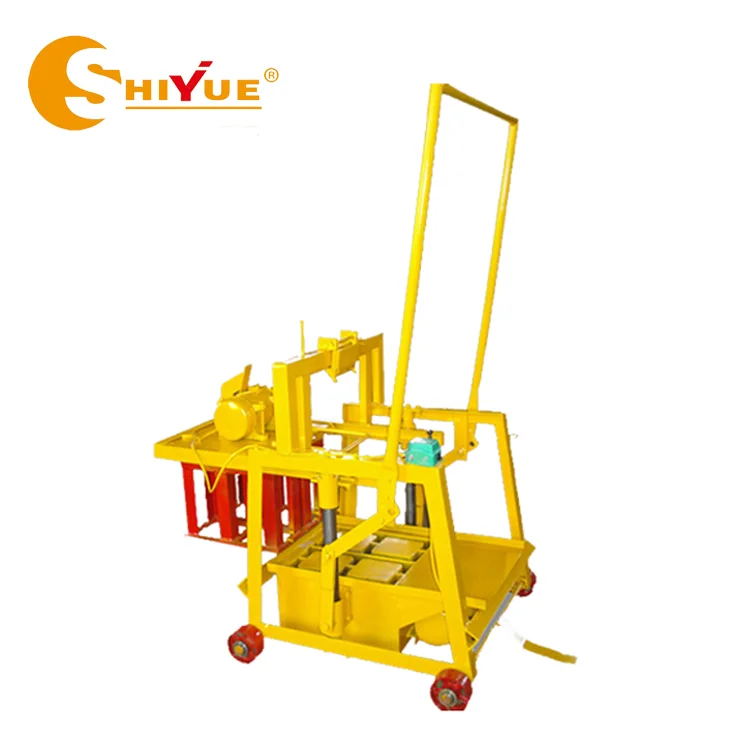
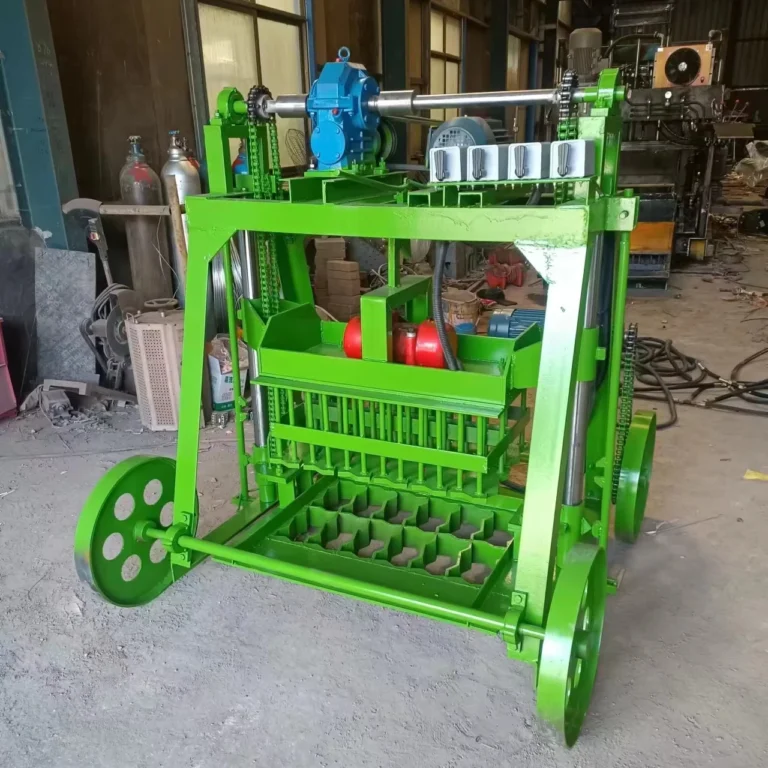
| Product Type | Diesel Movable Egg-Laying Concrete Block Machine |
| Model | QMR4-45 |
| Overall Dimensions (L×W×H) | 2420×1320×1650 mm |
| Net Weight | 810 kg |
| Power Source | Diesel engine driven hydraulic system |
| Diesel Engine | 6 kW or 6–8 HP |
| Rated Power | 6 kW |
| Voltage | 220 V or 380 V or according to client local voltage |
| Moulding Cycle | 40–45 s |
| Pallet Size | No need pallet (egg-laying type) |
| Assembly State | Fully assembled mobile unit |
| Productivity (400×200×200 mm hollow block, 4 pcs/mould) | 3000 pcs/day (8 hours) |
| Productivity (400×150×200 mm hollow block, 5 pcs/mould) | 3500 pcs/day (8 hours) |
| Productivity (400×120×200 mm hollow block, 6 pcs/mould) | 4500 pcs/day (8 hours) |
| Control System | Manual / mechanical (basis to be confirmed) |
| Mould Change | Supported for different block specifications via mould replacement |
| CE Declaration | Where applicable |
Application Suitability
| Application | Material or Output |
|---|---|
| Housing project sites without grid power | Hollow blocks from crushed stone, sand and cement using diesel power |
| Remote construction camps | Solid blocks and paving bricks produced directly on the ground surface |
| First-time block plant startups | Egg-laying hollow blocks requiring no pallet inventory or curing racks |
| Temporary project locations | Interlocking bricks and kerbstones with on-site mould changes |
Why the Generator Frequency Question Should Come Before the Bolt Tightening
An automatic mobile block machine is only as reliable as the power source feeding its control panel.
I once sourced a diesel-driven mobile unit for a remote site running entirely on a genset. We confirmed voltage but skipped frequency. On day one the PLC refused to boot because the generator’s output fell outside the panel’s acceptable input range. Three days of idle crew and a furious client later, we had a frequency converter flown in at three times its normal cost. Since then, I treat power source verification as the first step in any commissioning sequence, not an afterthought [NEED_CITE: voltage and frequency standards by export market]. When a diesel-powered egg-laying machine arrives at a site with no grid connection, the generator becomes part of the machine. Its frequency stability, harmonic distortion and voltage regulation under load all feed directly into whether the control electronics survive the first week.
What Selectable Automation Means for a Diesel-Driven Line
The QMR4-45 ships as a manual mechanical system, but its hydraulic architecture allows automation modules to be added as production stabilizes. A PLC controlled egg-laying block machine configuration can introduce automatic batching accuracy and consistent cycle timing, removing the variation that comes from different operators pulling levers at different speeds. The diesel engine continues to drive the hydraulic pump regardless of control level, so upgrading from manual to PLC control does not require replacing the power train — only adding sensors, solenoids and the controller interface. This staged approach matters for buyers who need to prove the block format sells locally before committing capital to full automation.
How Control Language and Display Affect First-Week Output
When the control panel arrives displaying instructions in a language the operator cannot read, the machine runs in manual bypass mode — defeating the purpose of paying for PLC logic in the first place. Confirming the display language before production means the HMI text, alarm messages and parameter labels all match what the site team actually speaks. For a diesel-powered unit operating away from technical support, readable fault codes are the difference between a five-minute reset and a multi-day shutdown waiting for a translator or a visiting engineer [NEED_CITE: CE machinery directive requirements for industrial equipment]. This is part of the commissioning specification that gets locked in during the quotation phase, not discovered at uncrating.
Reading the Specs That Actually Determine Block Density
The diesel engine rated at 6 kW or 6–8 HP drives the hydraulic pump, and its output determines the pressure available at the mould during compaction. Hydraulic pressure and vibration force must be matched — too much pressure without sufficient vibration traps air and creates weak cores, while too much vibration without pressure produces blocks that crumble at the edges. The moulding cycle of 40–45 seconds reflects the time needed for full compaction at the specified pressure, and shortening it to chase output numbers produces under-dense blocks that fail drop tests. The egg-laying design at 810 kg net weight means the machine must be heavy enough to resist walking across the ground during vibration but light enough to relocate within a working yard. The 2420×1320 mm footprint determines the minimum curing area spacing, since each laid block occupies ground until it reaches handling strength.
The Hidden Cost of Skipping Input Power Verification
When voltage and frequency are assumed rather than confirmed, the consequences appear on the first day of production. A control board designed for 50 Hz operation fed by a 60 Hz generator experiences transformer saturation and component overheating, sometimes without tripping protective circuits immediately. The damage accumulates across days before a board fails during a production run, and the replacement part may have a multi-week lead time to a remote site. Buyers who specify a diesel automatic mobile block machine without documenting the generator model, its rated frequency and its voltage regulation percentage are effectively leaving the control system’s survival to chance [NEED_CITE: generator frequency tolerance for PLC input stages]. The cost of a frequency verification check during quotation is negligible compared to an idle crew waiting for replacement electronics.
Why This Configuration Approach Works Here
Block machinery is the single focus of this manufacturing operation, which means the diesel engine, hydraulic circuit, mould and control panel are specified as one system rather than assembled from separate supplier catalogues. Configuration decisions are set against the buyer’s actual mix design and local aggregate availability, not a default recipe written for different raw materials. The mould design and supply covers the formats the buyer’s market actually purchases, including custom drawings when standard options do not match local building codes. The automation level remains selectable, so a buyer can commission the QMR4-45 as a manual unit and add PLC control modules as volume justifies the investment. Installation support includes operator training that covers the specific control language and power configuration confirmed during the order process.
Documentation & Verification
- Line layout showing curing area spacing matched to egg-laying ground coverage
- Voltage, frequency and control language confirmation documented before assembly
- Factory test record with cycle time and block density against buyer’s mix design
- Mould drawing and format list with dimensional tolerances stated
- Hydraulic and electrical schematic matching the shipped diesel configuration
- Wear parts and mould availability list with first replacement terms
Installation, Commissioning & Support
- Level compacted ground surface required across the 2420×1320 mm machine footprint
- Generator frequency and voltage regulation confirmed against PLC input range before startup
- Fully assembled mobile unit arrives ready for diesel fill and hydraulic fluid check
- First production run includes cycle timing validation against the 40–45 second specification
- Operator training covers mould change procedure and control language navigation
- Wear parts list provided with stocking recommendations for remote site operation
What to Include in Your Inquiry
To size this diesel egg-laying machine correctly, share the block format and dimensions your market requires, the daily volume you need to sustain, and the local aggregate and cement types available at your site. Include your generator model and its rated voltage and frequency if grid power is unavailable. Specify the control display language your operators read, and note whether you plan to start with manual operation or require PLC modules from the first production day.
Frequently Asked Questions
Q: How is daily output verified per block format on this diesel egg-laying machine?
A: Output figures are calculated per specific block dimension and mould cavity count — for example, 3000 pieces per day assumes 400×200×200 mm hollow blocks at 4 per mould over 8 hours. Different formats change both cavity count and cycle behaviour, so your target block size determines realistic throughput, not a single catalogue number.
Q: Can the manual QMR4-45 be upgraded to PLC-controlled automatic batching later?
A: The hydraulic architecture supports adding solenoid valves, sensors and a PLC interface as production volume justifies the investment. The diesel engine and pump remain unchanged; only the control layer is added. This staged path lets you validate block sales before committing to full automation.
Q: What voltage and frequency details must be confirmed before shipment?
A: Your generator or grid supply model, its rated voltage, frequency and regulation percentage must be documented so the control panel input stage is matched correctly. The PLC display language is also confirmed at this stage to ensure operators can read alarms and parameters on arrival.
Q: How does egg-laying change curing area planning compared to pallet-based lines?
A: Blocks are laid directly on compacted ground, so the curing area must be sized for the daily output footprint multiplied by the days needed to reach handling strength. There is no pallet inventory or curing rack requirement, but ground preparation and spacing between laid blocks become the planning variables.
Q: What mould formats are available, and how long does a change take on site?
A: Moulds cover hollow block, solid block, paving brick and interlocking formats in dimensions matching local building standards. Mould change involves unbolting the current mould assembly and fitting the replacement, with time depending on operator familiarity and whether alignment tools are included in the supply package.