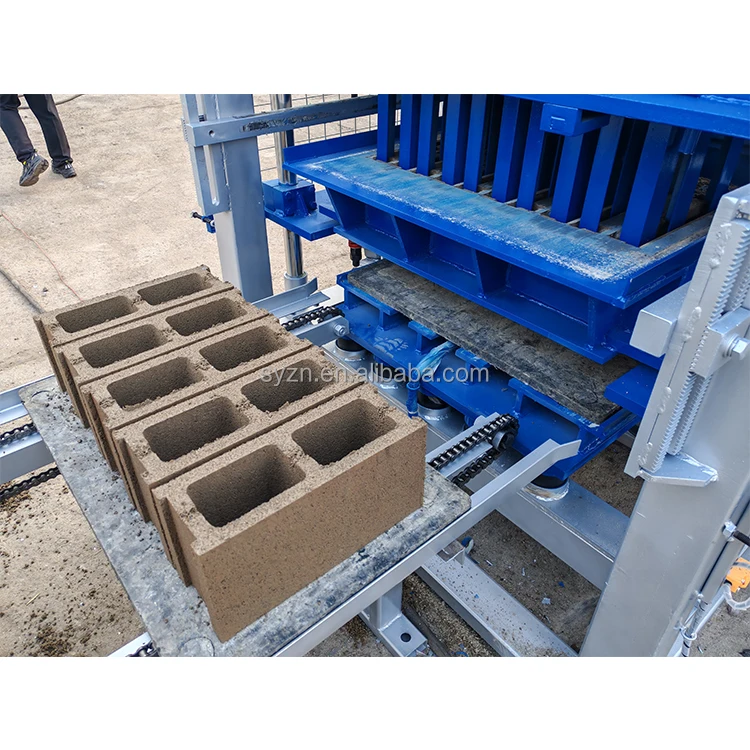
Description
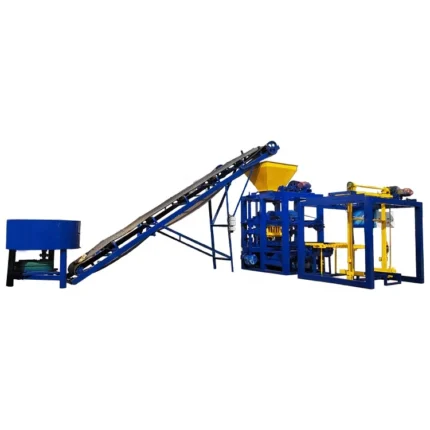
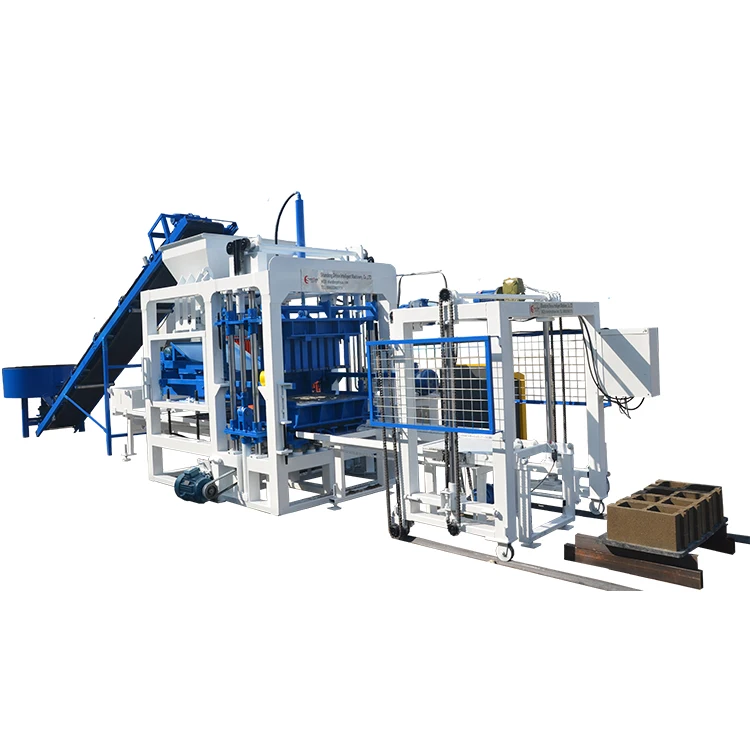
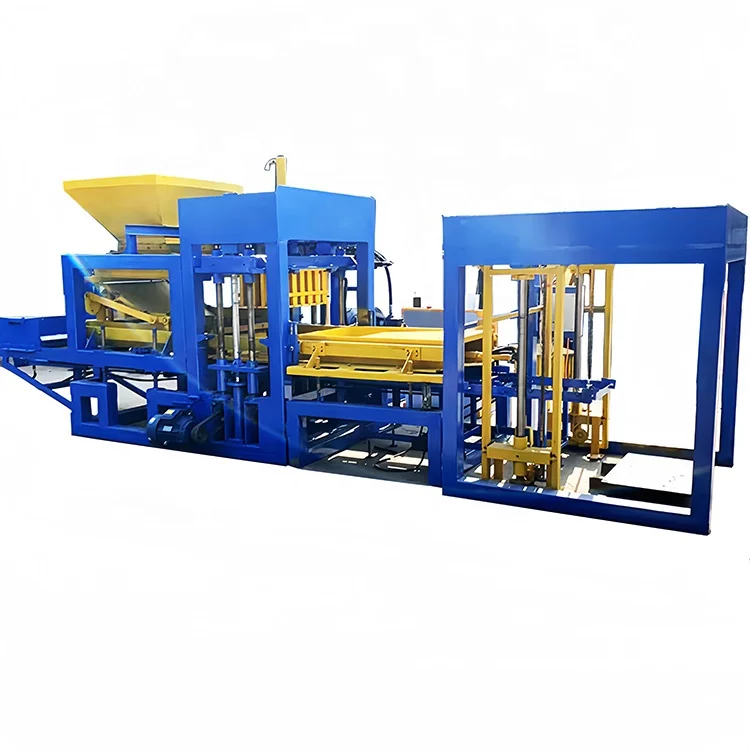
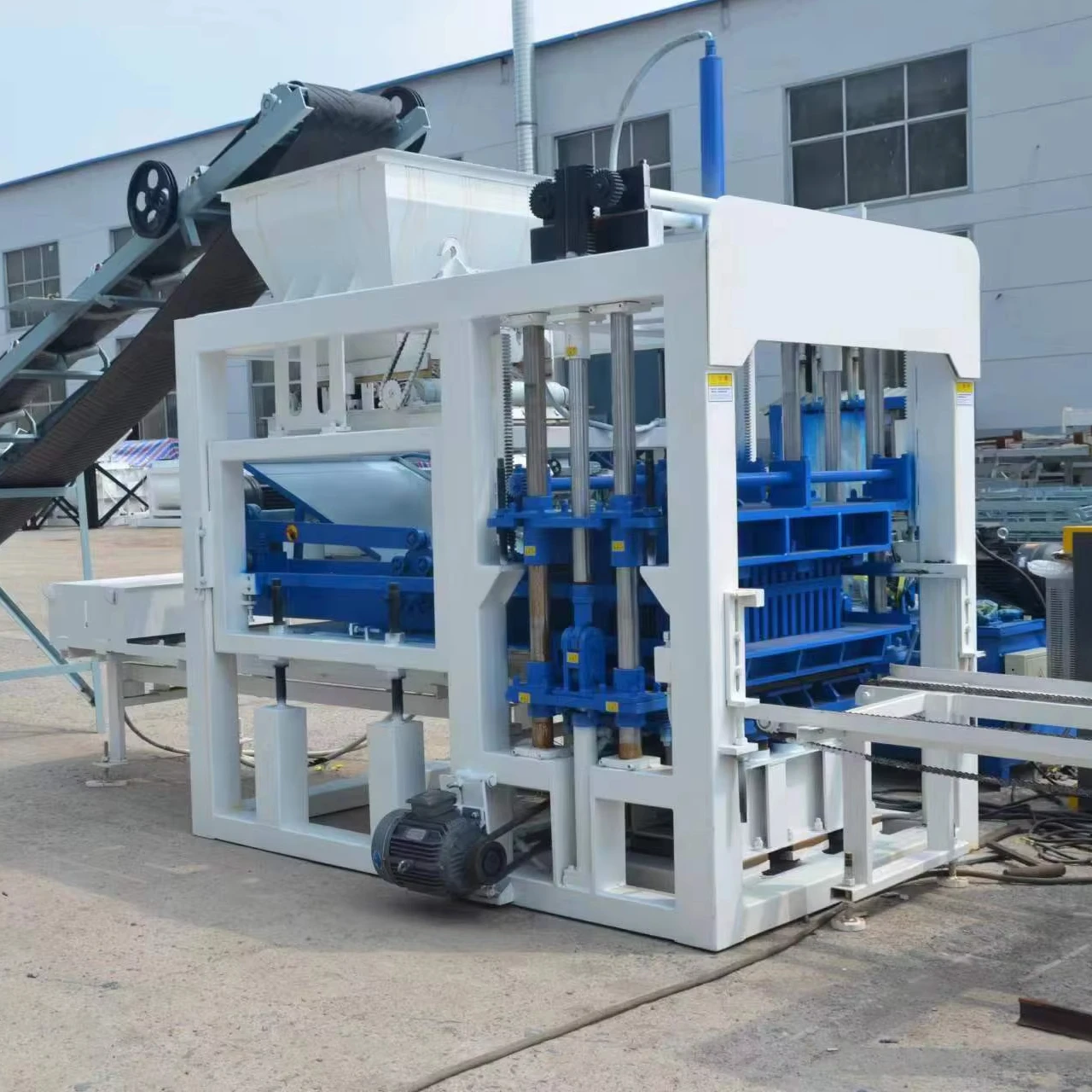
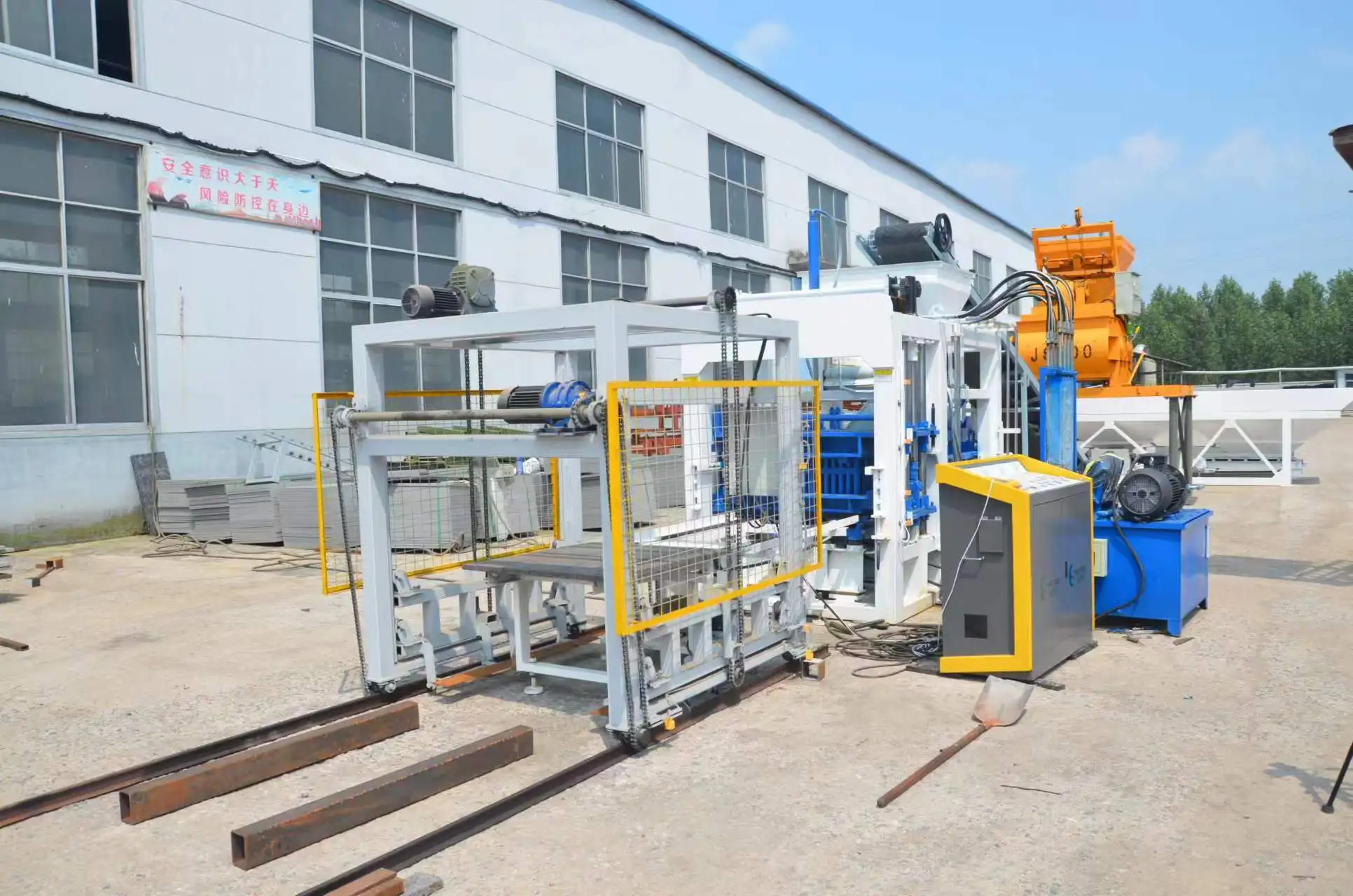
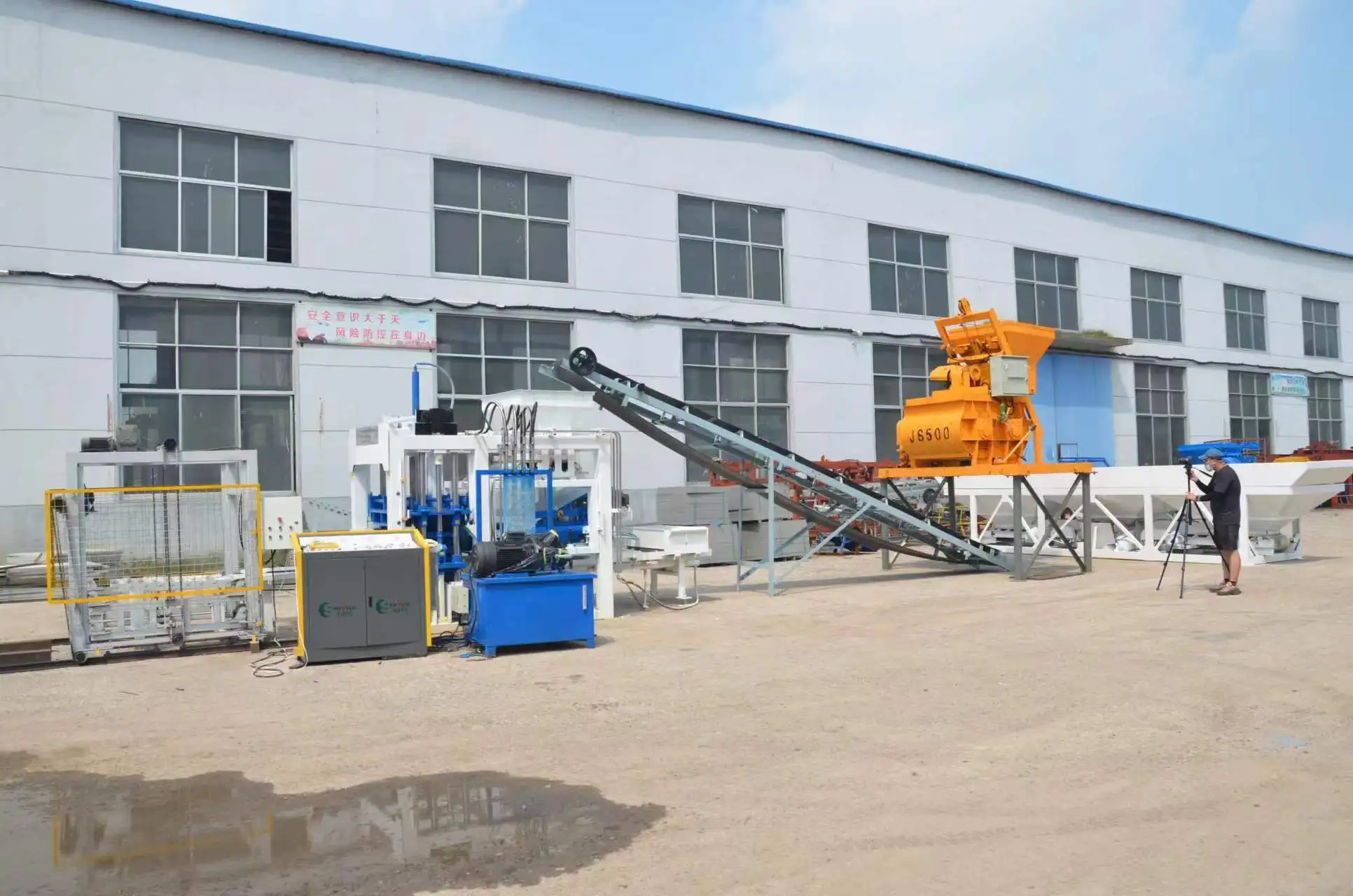
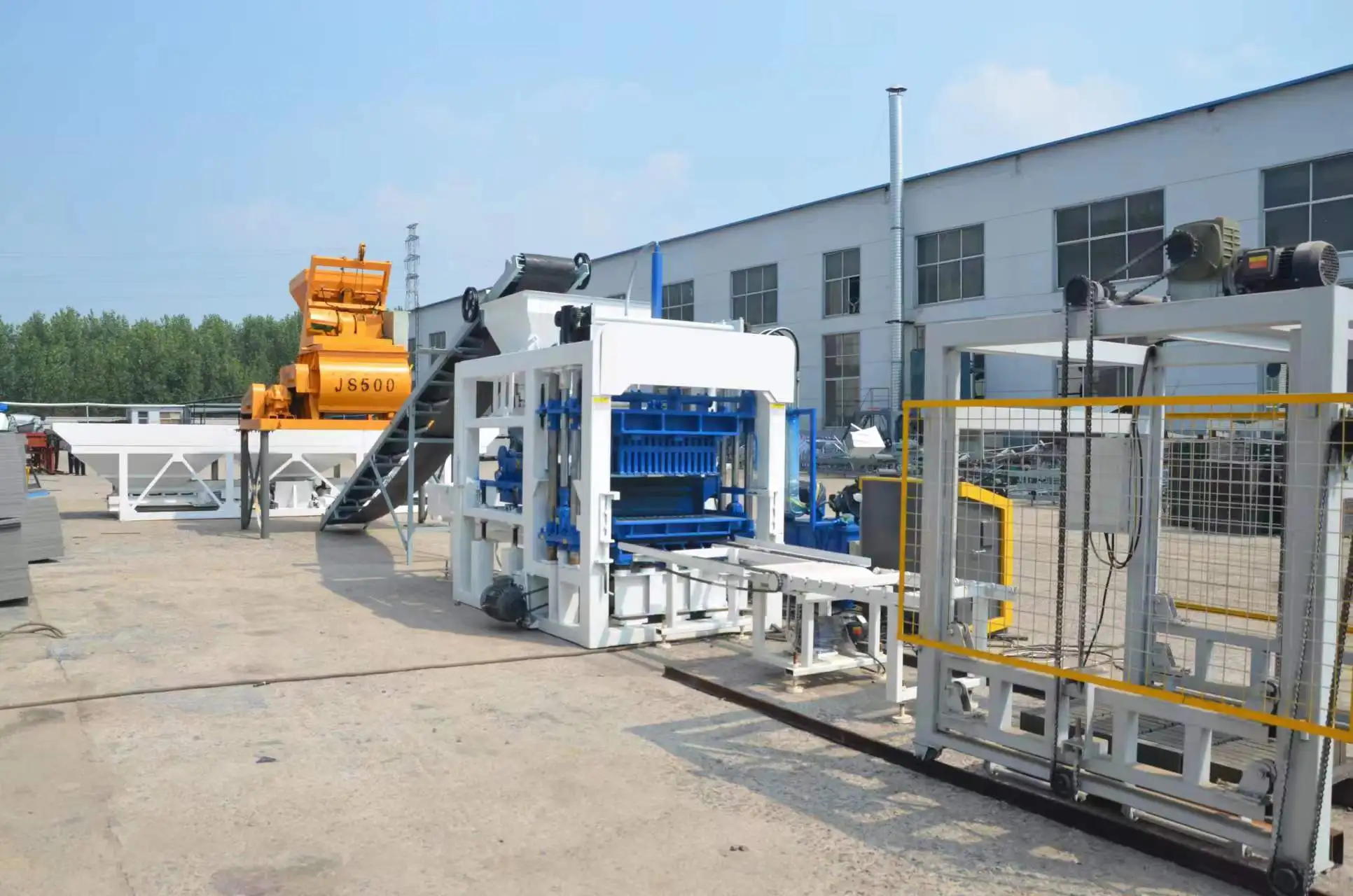
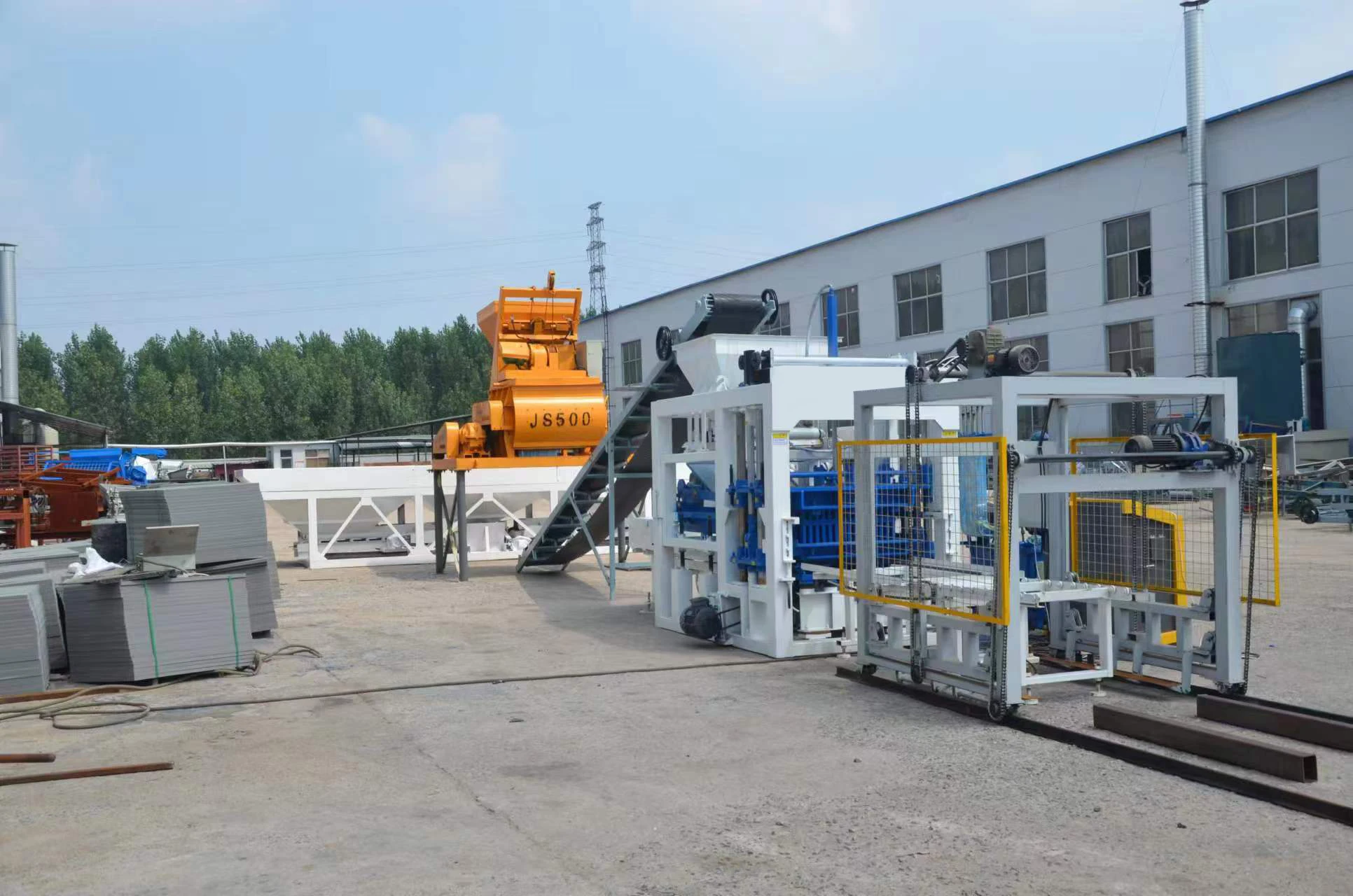
Intelligent Control Matched to the Line — Every automation station on the QT6-15, from batching to stacking, is governed by a single Siemens PLC with a custom-developed program so the press never waits on upstream or downstream equipment.
Technical Specifications
| Parameter | Value |
|---|---|
| Product Type | Automatic Concrete Block Making Machine |
| Model | QT6-15 |
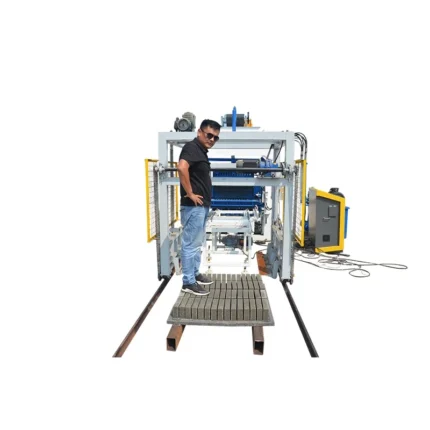
| Dimension of Host Machine | 5870 × 2220 × 2850 mm |
| Weight of Host Machine | 5.5 Tons |
| Molding Area | 1050 × 500 mm |
| Workshop Area | 200 m² (basis not stated in source — confirm block format / layout) |
| Host Machine Power | 31.5 kW |
| Vibration Force | 55 kN |
| Pallet Size | 1100 × 550 × 25 mm |
| Voltage | 220 / 380 / 415 / 440V (Customized) |
| Molding Period | 15 Seconds (basis not stated in source — confirm block format / material / thickness) |
| Vibration Method | Hydraulic + Platform Vibration |
| Vibration Frequency | 2800–4500 Times/Minute |
| Control System | Siemens PLC with independently developed control program |
| Motor Brand | Germany SIEMENS or CE standard brand |
| Travel Switch | France Schneider / Japan Omron |
| Automation Level | Automatic |
| Batching Machine (PLD1200) | 1200L hopper, 4×2.5 m³ storage, ±2% precision, 3 species |
| Concrete Mixer (JS500) | 800L charging, 500L discharging, 18.5 kW mixing motor |
| Stacker (SY-4) | 3 kW, mobile pallet stack |
| Warranty | 1 year for the whole machine (excluding spare parts) |
Application Suitability
| Application | Material or Output |
|---|---|
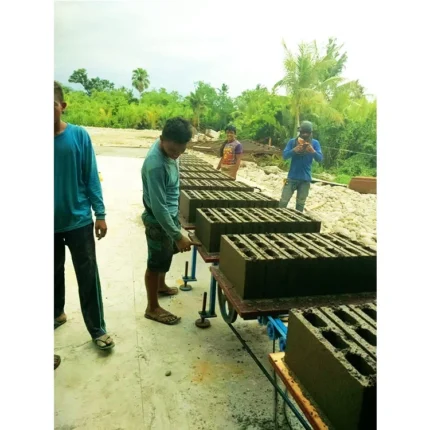
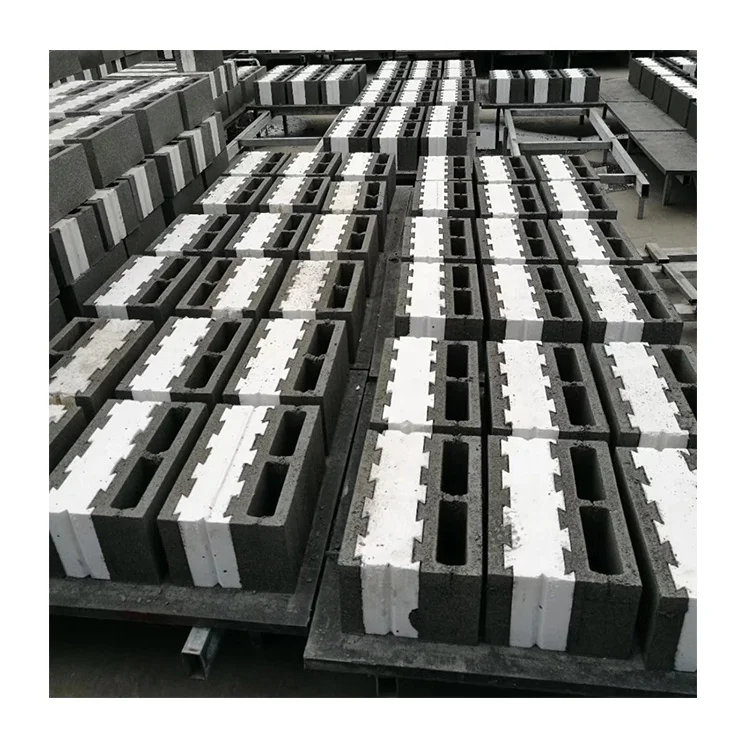
| Hollow Block Production | Crushed stone, cement, sand, fly ash |
| Solid Brick Production | Dense aggregate blends with cement binder |
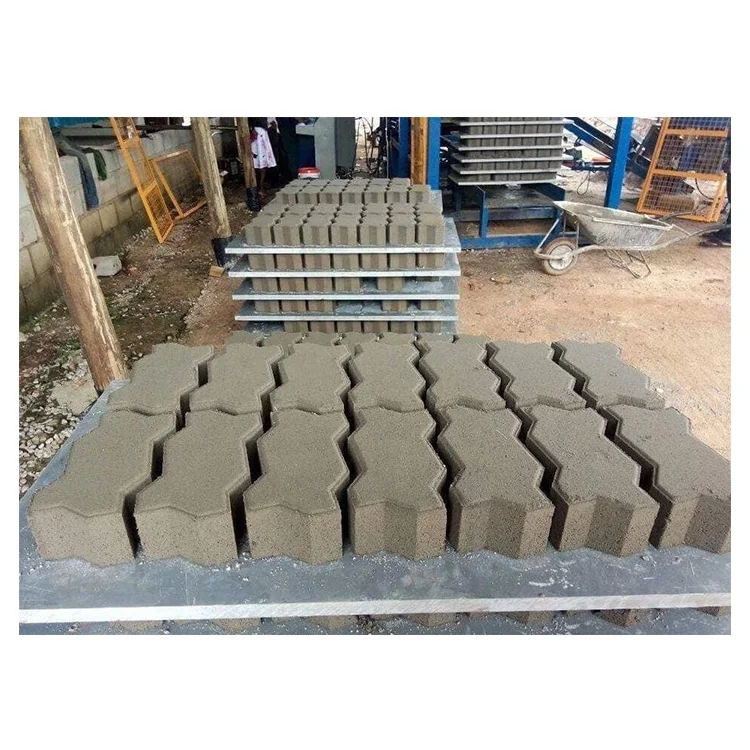
| Paving Block Production | High-strength concrete mixes with fine aggregate |
| Interlocking Brick Production | Stabilized soil-cement or standard concrete |
| On-Site Construction Projects | Locally sourced aggregates matching project specs |
What "Automatic" Really Means on the Factory Floor
Voltage, frequency, and PLC display language are often treated as afterthoughts in the quotation stage — until the machine arrives on-site, the operator cannot read the screen, and commissioning stalls for days while the electrician waits for translated documentation.
Confirm the control language and electrical standards before production starts, not when the container is being loaded.
An automatic block making machine PLC controlled system is only as reliable as the signals feeding it. If the batching machine communicates on a different protocol than the press, or if the travel switches are calibrated for a voltage the plant cannot supply, the entire line stops. I have watched operators stand idle next to a brand-new press because the control panel was locked in a language none of them could read [NEED_CITE: PLC interface language requirements in international machinery exports]. That two-day delay could have been avoided with a single line in the purchase order.
The Logic Layer Beneath Every Cycle
The Siemens PLC on the QT6-15 runs an independently developed control program rather than a generic off-the-shelf routine. This matters because the timing between the batching gate opening, the mixer discharging, the pallet advancing, and the hydraulic ram pressing must be sequenced within fractions of a second. A generic program assumes default delays; a custom program is written around the actual hydraulic response time and vibration frequency range of this specific host machine.
Where Automation Stops and Manual Labor Begins
A plant owner investing in a fully automatic line expects to reduce headcount on the press floor. The SY-4 stacker with its 3 kW motor handles mobile pallet stacking, removing the need for workers to carry freshly molded blocks to the curing area. However, the degree of automation is selectable — a buyer can start with semi-automatic pallet handling and add the stacker and cubing system later without replacing the PLC. The control program already contains the routines for each automation tier, so the upgrade is a hardware addition, not a full rewire. [NEED_CITE: automation upgrade paths in concrete block manufacturing plants]
Vibration, Pressure, and the Density Question
Block strength depends on how tightly the aggregate particles are compacted during the molding cycle. The QT6-15 delivers 55 kN of vibration force at a frequency adjustable between 2800 and 4500 times per minute, combined with hydraulic pressure applied through the platform. The PLC controls both parameters independently, meaning the operator can store a recipe for a lightweight hollow block and another for a high-density paving stone. The 1100 × 550 × 25 mm pallet size determines the curing rack spacing the buyer must prepare, and the 1050 × 500 mm molding area sets the maximum block footprint per cycle. Mould heat treatment reaches 54–58 HRC through carburizing, supporting a mould lifespan that exceeds typical replacement intervals for plants running standard abrasive aggregates.
When the Wrong Configuration Costs More Than the Machine
A batching machine specified with the wrong number of storage bins forces the operator to hand-feed materials mid-shift, breaking the automatic cycle the buyer paid for. The PLD1200 on this line carries four 2.5 m³ bins with ±2% ingredient precision, which covers most three-species concrete mixes. But if a buyer needs a fourth aggregate — say, a colored sand for face-mix pavers — and that bin was not ordered, the PLC cannot compensate. The mixer still runs, the press still cycles, but every block produced with the wrong ratio is weaker than the buyer promised the contractor [NEED_CITE: material proportioning tolerances in concrete block standards]. Similarly, specifying a pallet size that does not match the curing racks already in the yard means either replacing the racks or watching blocks cure unevenly on the floor.
Why Buyers Source the Full Line From One Spec
The QT6-15 is not a standalone press — it is configured alongside the PLD1200 batching machine, the JS500 mixer, and the SY-4 stacker so that cycle times align across every station. The control program is written in-house, meaning fault codes and diagnostics are specific to this equipment combination rather than generic PLC library errors. Voltage and frequency are confirmed before production begins, and the PLC display language is set to the operator’s requirement. Factory testing covers the full sequence from batching discharge to stacked pallet output, not just the press cycling alone. Moulds are designed for the block formats the buyer’s market actually sells, and the mould change system is specified to keep format switches within a single shift.
Documentation & Verification
- Line layout drawing showing pallet flow from press through SY-4 stacker to curing zone
- PLC program documentation listing all stored recipes and fault code definitions
- Capacity calculation sheet stating block format assumed for each molding period figure
- Electrical schematic confirming voltage, frequency, and control cabinet wiring
- Factory test record covering batching accuracy, vibration frequency, and stacking cycle
- Operation manual in confirmed operator language with maintenance schedules
Installation, Commissioning & Support
- Foundation plan accounts for the 5870 × 2220 mm host machine footprint and dynamic vibration loads
- Dedicated power circuit sized for 31.5 kW host plus batching and mixer loads
- PLC display language verified and control parameters loaded before on-site startup
- Vibration frequency calibrated to buyer’s specific aggregate and mix design during commissioning
- Operator training covers recipe selection, mould change, and fault code response on the Siemens panel
- Wear parts list includes mould segments, hydraulic seals, and travel switches with stocking guidance
What to Include With Your Inquiry
Provide the block format you sell most — dimensions, weight, and strength class — so the molding area and vibration settings are matched to your product rather than a catalogue default. Confirm your local voltage, frequency, and the language your operators read, so the control panel is configured before the machine leaves the factory. Let us know which automation stations you want included and which you prefer to handle manually, so the quotation reflects the actual line you need.
Frequently Asked Questions
Q: How is PLC display language and control interface confirmed before shipment?
A: The control language is confirmed during the order stage, before production begins. The Siemens PLC panel is loaded with the operator’s language, and the interface layout is reviewed via screenshots so the buyer can verify button labels, alarm messages, and recipe screens before the control cabinet is sealed for dispatch.
Q: What automation stations are included and which remain manual?
A: The PLD1200 batching, JS500 mixing, press operation, and SY-4 pallet stacking are all automated through the PLC. Cubing onto curing racks can be added as an automated station or left manual depending on the buyer’s layout. The automation tier is selectable, and the PLC program already supports higher tiers for future hardware upgrades.
Q: How does the vibration and hydraulic control adjust to different mix designs?
A: The PLC stores separate recipes for each block format, adjusting vibration frequency between 2800 and 4500 times per minute and hydraulic pressure independently. This allows the same machine to produce lightweight hollow blocks and high-density pavers by switching recipes rather than changing hardware settings manually.
Q: What is the upgrade path from semi-automatic to fully automatic operation?
A: The PLC program already contains routines for full automation. Upgrading from semi-automatic pallet handling to automatic stacking and cubing requires adding the SY-4 stacker and cubing hardware, then enabling the corresponding routines in the control system. No PLC replacement or full rewire is needed.
Q: How are remote diagnostics and fault codes handled through the PLC system?
A: The Siemens PLC generates specific fault codes tied to each sensor and actuator on the line — batching gates, travel switches, hydraulic valves. Because the control program is independently developed for this equipment combination, codes point to the exact station and component rather than generic PLC library errors, speeding up troubleshooting.