Description
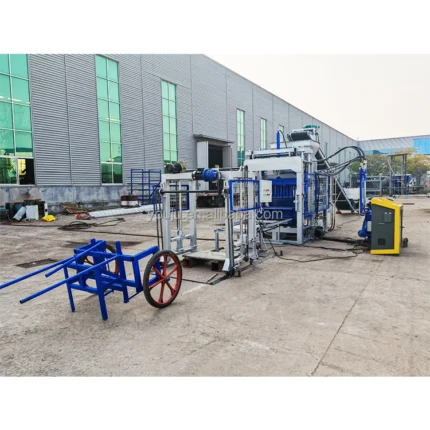
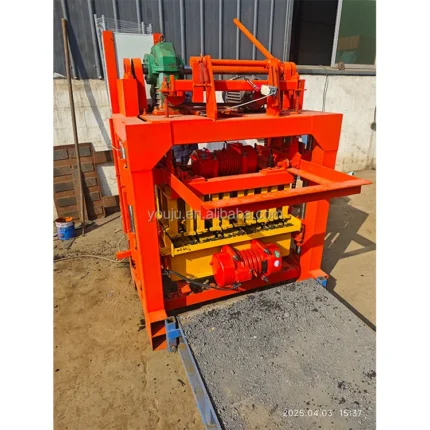
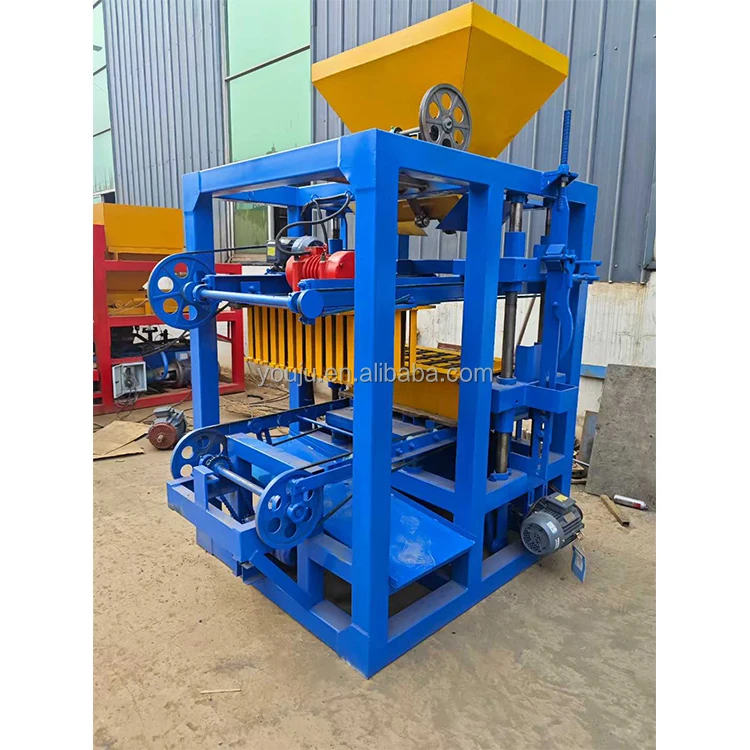
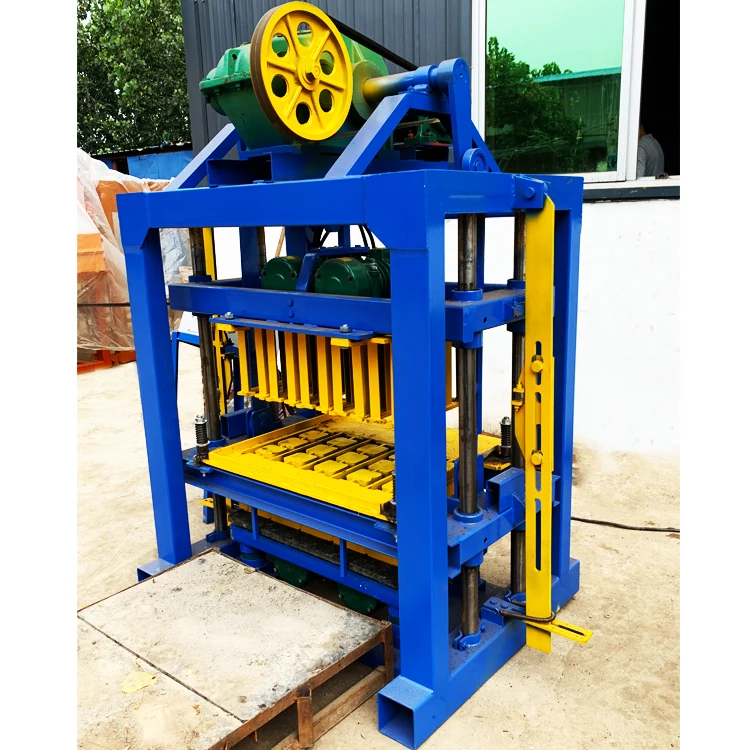
Vibration-matched semi-automatic workflow — the QTJ4-40 is configured against the buyer’s local aggregate and target block format, establishing a defined baseline before automation scale-up begins.
Technical Specifications
| Parameter | Value |
|---|---|
| Model | QTJ4-40 |
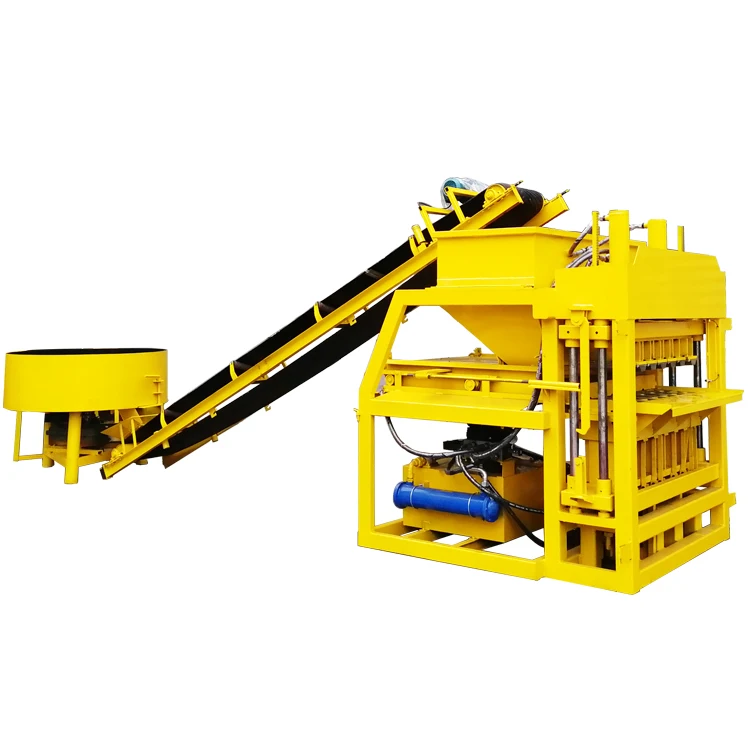
| Product Type | Semi-Automatic Concrete Block Making Machine |
| Overall Dimensions (L×W×H) | 1350×1460×1800mm |
| Machine Power | 10.4kW |
| Molding Cycle | 40s |
| Output Capacity (Hollow 400×200×200mm) | 4 pcs/mould, 360 pcs/hour, 2880 pcs/day |
| Output Capacity (Hollow 400×150×200mm) | 5 pcs/mould, 450 pcs/hour, 3600 pcs/day |
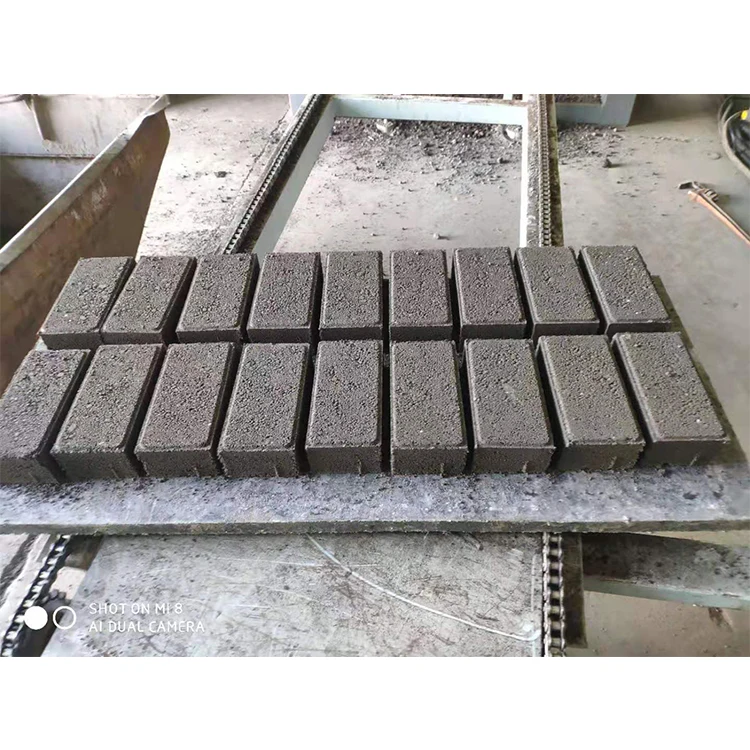
| Output Capacity (Paver 225×112.5×60mm) | 9 pcs/mould, 800 pcs/hour, 6400 pcs/day |
| Pallet Size | 850×450×20mm |
| Pallet Material Options | Fiber glass or wooden |
| Machine Weight | 1.2T |
| Vibration System | Bed mould vertical vibration and upper mould compression vibration |
| Automation Level | Semi-automatic |
| Voltage | Configurable to local supply (verify before order) |
| Mould Compatibility | Hollow, solid, paver in 8", 6", 5", 4" sizes |
| Raw Material | Concrete, sand, cement, fly ash, lime, gypsum |
| Key Features | PLC controlled semi-automatic block machine interface available; dual vibration; pallet-based workflow |
Application Suitability
| Application | Material or Output |
|---|---|
| Small-scale hollow block production | Concrete and sand mix, 400×200×200mm or 400×150×200mm format |
| Paving block manufacturing for local contractors | Cement and crushed stone mix, 225×112.5×60mm interlocking format |
| First block plant startup by entrepreneur | Fly ash, lime, gypsum blends; multiple format trial on one platform |
| On-site construction block production | Portable setup using local aggregate and cement |
| Solid block runs for housing projects | Standard concrete mix, 4" to 8" solid format per mould change |
What "2880 Pieces per Day" Leaves Out for a PLC Controlled Semi-Automatic Block Machine
Capacity figures only mean something when the block format is named beside them.
A headline output number on a semi-automatic press usually assumes one specific hollow block size. The moment a buyer switches to a paver or a thicker wall block, the cycle and mould fill change, and the daily total shifts. I have watched plant owners in Southeast Asia discover this gap during their first week of production, when the pallet stack at shift end fell well short of the quotation promise. The QTJ4-40 lists capacity per format — 2,880 pieces per day based on 400×200×200mm hollow blocks, 3,600 based on 400×150×200mm, and 6,400 based on 225×112.5×60mm pavers — so the buyer can match the figure to the format their market actually buys [NEED_CITE: block format demand variance across Southeast Asian construction markets].
Defining What the Operator Still Controls
On a PLC controlled semi-automatic block machine, the term "semi-automatic" carries different meanings across suppliers. For the QTJ4-40, the vibration cycle and mould compression are machine-controlled, while pallet loading, raw material feeding into the hopper, and block removal from the press area remain operator tasks. This split matters because it tells the buyer exactly where labour hours sit and where consistency depends on human rhythm. When one operator loads pallets faster than another, the cycle still holds at 40 seconds, but the downstream stacking pace changes. Understanding this boundary is the first step before considering any automatic block machine upgrade.
Where the Upgrade Path Actually Begins
The real value of starting on this platform is that the pallet size — 850×450×20mm — is the same dimension used by downstream automatic stackers and curing rack handlers in higher-tier lines. A buyer who later adds automatic pallet feeding or a cubing station does not need to change the press or re-tool the moulds. The semi-automatic workflow simply gains automated stations at its edges. I have seen this transition done in stages across plants in the region, where the owner adds one automated station per quarter as cash flow allows, rather than committing to a full automatic line on day one [NEED_CITE: phased automation adoption in emerging market block plants].
How Dual Vibration and Cycle Time Shape Block Density
The QTJ4-40 uses bed mould vertical vibration combined with upper mould compression vibration. In practice, the bed vibration settles the concrete mix into the mould cavity while the upper compression vibration densifies the top surface. This dual approach matters most when the local aggregate contains a high percentage of fine sand or fly ash, because single-source vibration tends to leave voids in the lower corners of the block. The 40-second molding cycle gives the vibration enough duration to compact the mix fully before the upper mould lifts. Pallet thickness at 20mm also plays a role: a thicker pallet absorbs vibration energy, reducing the force reaching the mix, which is why confirming pallet material — fiber glass or wooden — against the buyer’s curing setup is part of the configuration conversation.
The Hidden Cost of Skipping Control Language Confirmation
During a commissioning visit in the region, I found a newly arrived block press sitting idle because the PLC display was in a language the local operators could not read. The machine itself was fine — the control interface was simply never confirmed before shipment. On the QTJ4-40, the PLC controlled semi-automatic block machine interface can be set to the buyer’s required language, but this must happen during production, not after arrival. Voltage and frequency carry the same risk: a press wired for 380V/50Hz will not run on a 440V/60Hz site without a transformer, and the delay compounds when the local electrician has to source one [NEED_CITE: common voltage mismatch issues in industrial equipment exports to Southeast Asia].
Why This Machine Belongs on a Smart Automation Shortlist
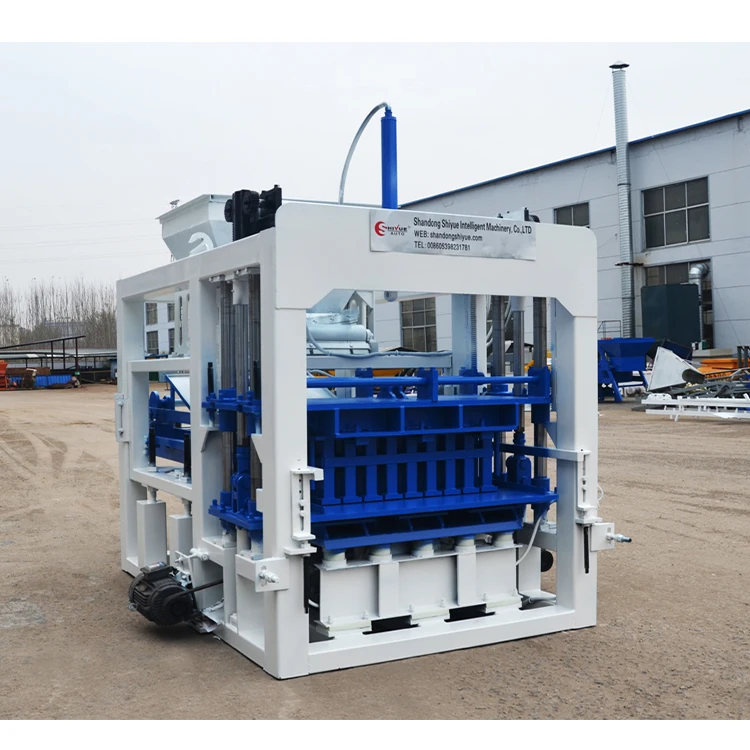
Block machinery is the single focus here, which means the QTJ4-40 arrives as a matched system — press, mould, pallet, and handling specified together rather than assembled from separate vendors. The vibration force and hydraulic pressure are set against the buyer’s actual mix design and local aggregate, not a catalogue default. Mould design covers the formats the buyer’s market sells, with custom drawings available for non-standard sizes. Automation level is selectable, so a buyer can start semi-automatic and add stations later without replacing the press. Installation support includes operator training on the specific PLC interface and language confirmed at order, reducing the commissioning gap that leaves machines idle on arrival.
Documentation & Verification
- Line layout showing pallet flow from press to curing rack with capacity stated per block format
- Machine specification sheet confirming vibration force matched to buyer’s aggregate
- Mould drawing and format list covering every block size the buyer’s market requires
- Voltage, frequency, and PLC display language confirmation signed before production
- Factory test record run on the buyer’s chosen block format before dispatch
- Operation and maintenance manual in the confirmed control language
Installation, Commissioning & Support
- Foundation pad leveled to QTJ4-40 footprint of 1350×1460mm with anchor bolt provisions
- Dedicated power circuit sized for 10.4kW machine power at confirmed local voltage and frequency
- Machine arrives assembled; pallet feed and mixer positioned per line layout drawing
- First-run parameter setting includes vibration duration and compression pressure for buyer’s mix
- Operator training covers PLC interface navigation in confirmed display language
- Wear parts list and mould format list supplied for first replacement planning
What to Prepare Before Requesting a Quotation
To get a configuration that matches your actual production, share the block formats your market sells along with target daily output per format. Include your local raw material type and aggregate gradation so the vibration and pressure settings can be matched. Confirm your site voltage, frequency, and the language your operators need on the PLC display. If you already have pallets or a curing rack system, provide the dimensions so the pallet interface is compatible from day one.
Frequently Asked Questions
Q: What does semi-automatic actually remove from the operator on the QTJ4-40?
A: The machine controls the vibration cycle and upper mould compression during the 40-second molding sequence. The operator still handles pallet loading onto the press, raw material feeding into the hopper, and removal of finished blocks from the press area. This split defines labour requirements and shows exactly which tasks are candidates for future automation upgrades.
Q: How is output capacity calculated per block format?
A: Each capacity figure is tied to a specific block size and mould cavity count. For example, 2,880 pieces per day is based on 400×200×200mm hollow blocks at 4 pieces per mould, while 6,400 pieces per day is based on 225×112.5×60mm pavers at 9 pieces per mould. Always confirm which format the quoted number assumes before comparing machines.
Q: What is the upgrade path from this configuration to higher automation?
A: The 850×450×20mm pallet size matches the interface used by automatic pallet feeders, stackers, and cubing stations. A buyer can add these stations individually without replacing the QTJ4-40 press or re-tooling moulds. The semi-automatic base becomes the core of a progressively automated line as production volume grows.
Q: How must voltage, frequency, and control language be confirmed before shipment?
A: These three parameters must be written into the order specification and confirmed before production begins. The PLC display language, motor winding voltage, and frequency rating are set during assembly. Changing any of them after the machine leaves the factory requires component replacement and delays commissioning on site.
Q: How does the dual vibration system affect block strength consistency?
A: Bed mould vertical vibration settles the concrete mix into the mould cavity, while upper mould compression vibration densifies the top layer. This dual action reduces voids in the finished block, particularly when using fine sand or fly ash mixes. The result is more uniform density across the block body compared to single-source vibration systems.