Description
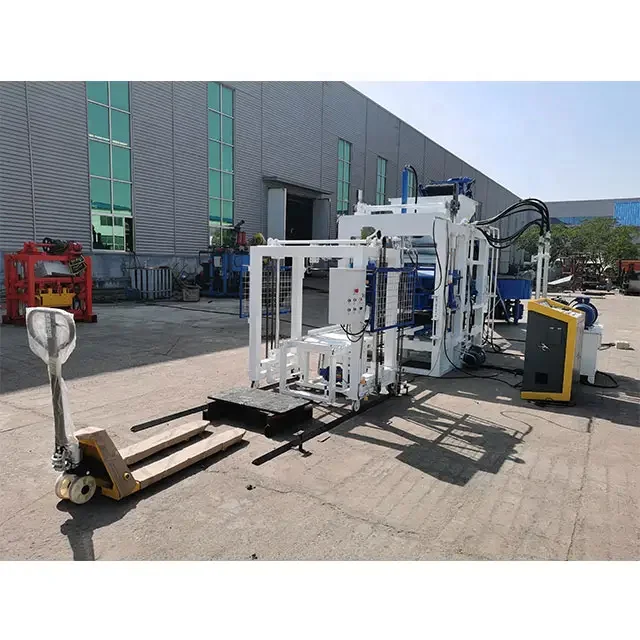
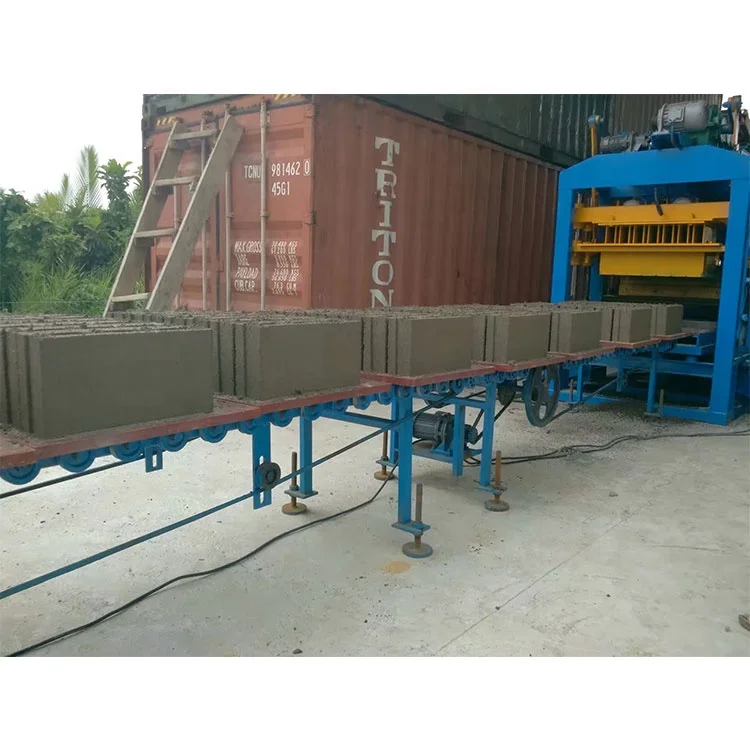
System-Level Consistency — Every component from mixer to stacker is configured so the QT6-15 press never waits on upstream or downstream stations, eliminating bottleneck-driven downtime.
Technical Specifications
| Parameter | Value |
|---|---|
| Model | QT6-15 |
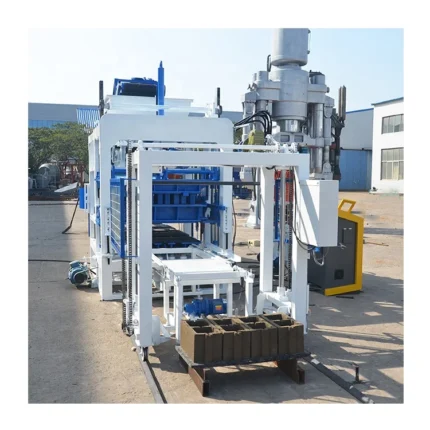
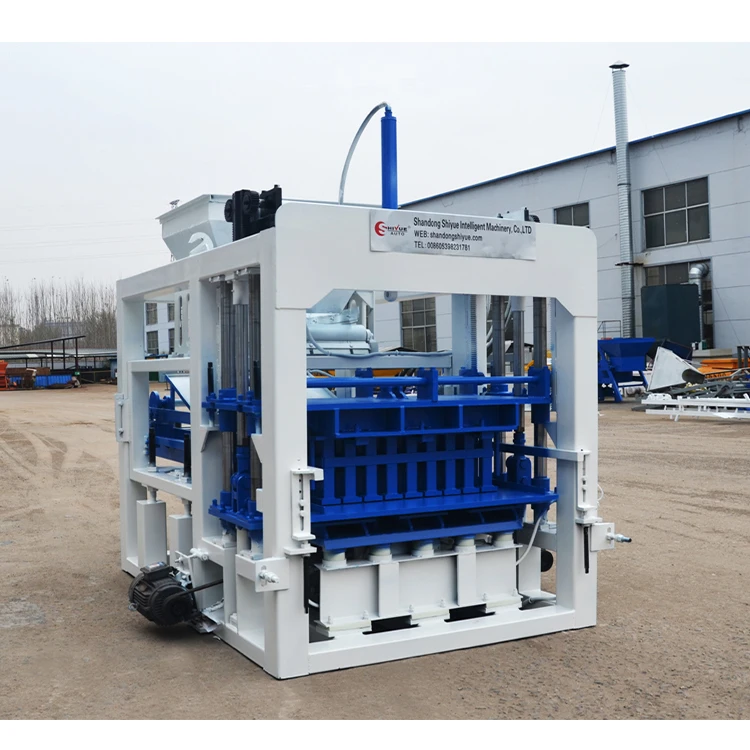
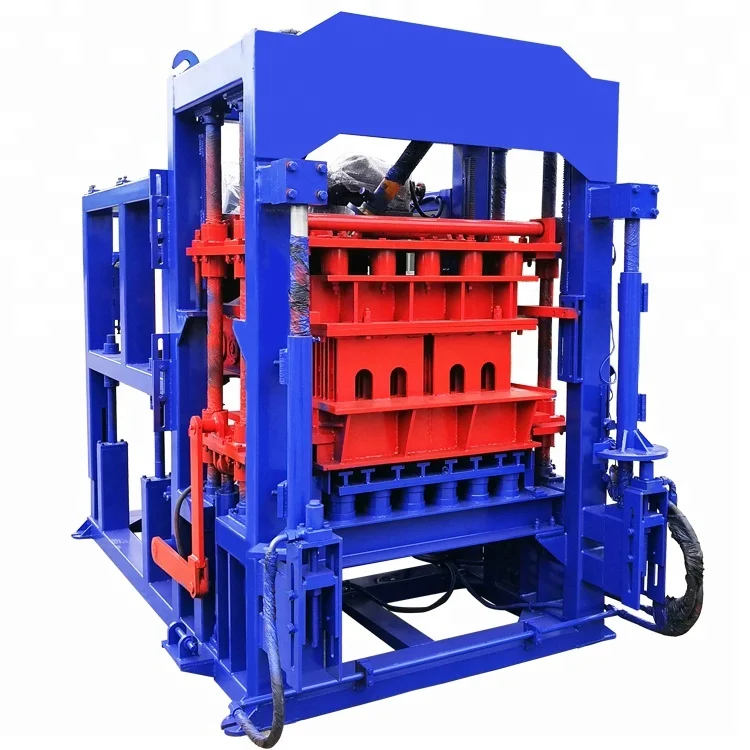
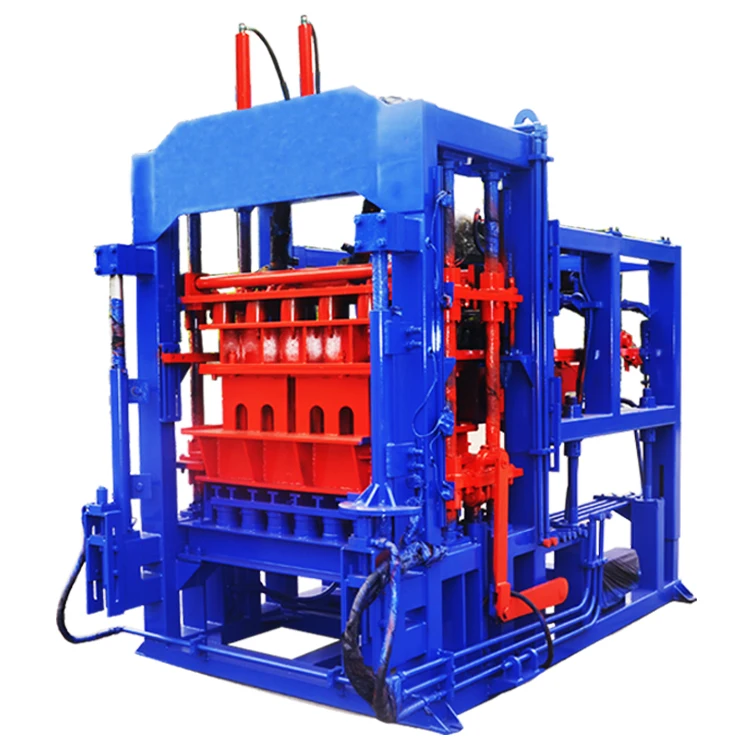
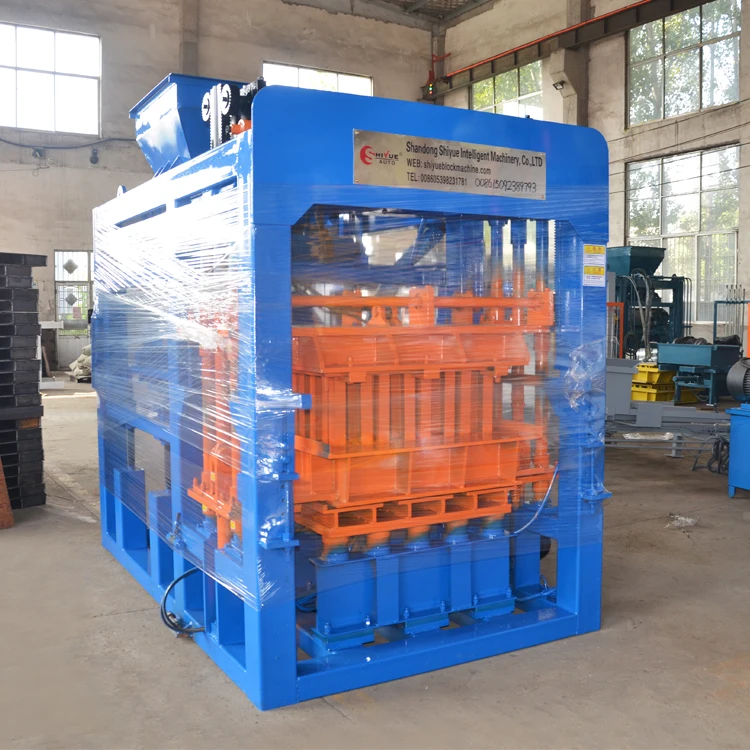
| Product Type | Full Automatic Concrete Block Making Machine |
| Control System | PLC intelligent control with man-machine interface, malfunction diagnosis and remote control function |
| Rated Power | 31.25 kW |
| Voltage & Frequency | Configured to buyer’s local supply (basis to be confirmed) |
| Hydraulic Pressure | 16–21 MPa |
| Main Vibration Form | Platform vibration |
| Mould Cycle Time | 15–20 seconds (basis to be confirmed per block format and material) |
| Pallet Size | 850 × 680 mm |
| Overall Dimensions (L×W×H) | 7100 × 1500 × 3000 mm |
| Net Weight | 8500 kg |
| Output – Hollow Block | 8,640 pcs/day based on 400×200×200 mm, 6 pcs/mould, 16–20 s cycle |
| Output – Porous Block | 22,400 pcs/day based on 240×115×90 mm, 14 pcs/mould, 15–18 s cycle |
| Output – Standard Block | 54,400 pcs/day based on 240×115×53 mm, 30 pcs/mould, 14–17 s cycle |
| Automation Level | Full automatic with PLC-controlled remote function |
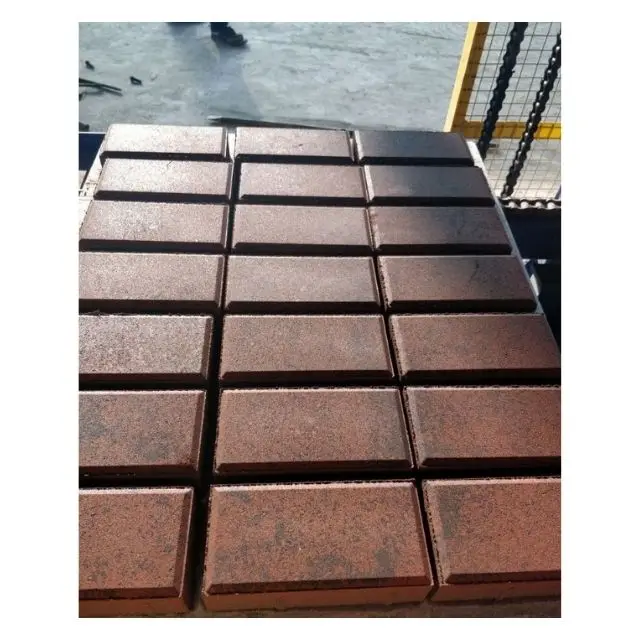
| Color Paver Capability | Optional face-color material feeding device |
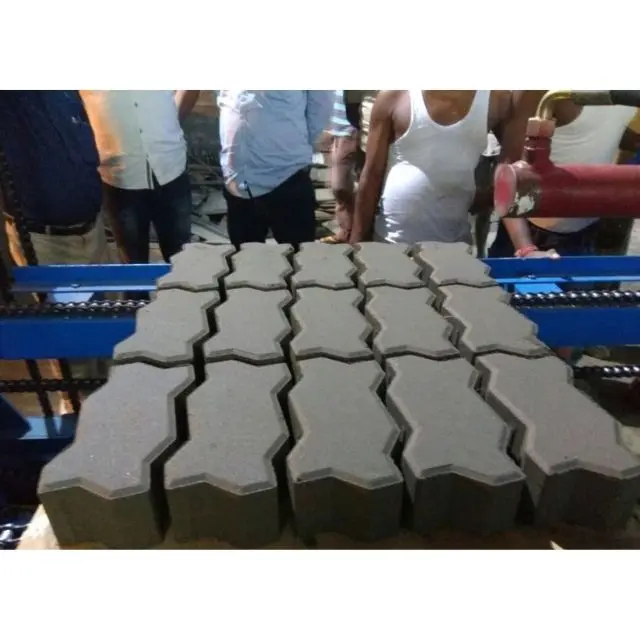
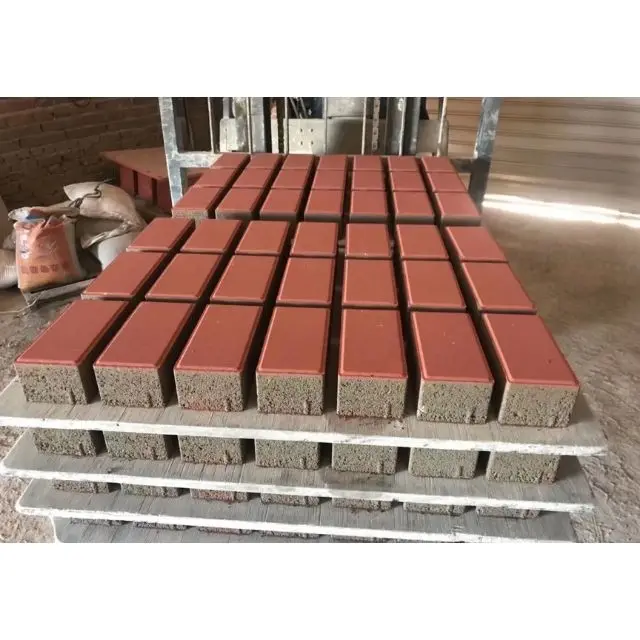
| Applied Products | Hollow/solid blocks, pavers, interlocking blocks, curbstone, colored pavers |
Application Suitability
| Application | Material or Output |
|---|---|
| Hollow block production for building walls | Crushed stone, sand, cement and fly ash aggregates |
| Standard solid brick for load-bearing masonry | Sand, cement, gravel and slag blends |
| Porous block for thermal insulation panels | Fly ash, cement and lightweight aggregate |
| Interlocking paver for landscaping and driveways | Crushed stone, sand, cement with optional face-color layer |
| Curbstone for road and pavement edging | Coarse aggregate, sand and cement under high hydraulic pressure |
What a PLC-Controlled Automatic QT6-15 Block Making Machine Actually Solves on the Line
Cycle time means nothing when the mixer and pallet feeder run at different speeds.
I once watched a plant in Java where the block press sat idle for seconds between every cycle because the upstream batch mixer could not discharge fast enough. The PLC on that machine was logging faults that were not its own. An automatic QT6-15 block making machine PLC controlled only delivers its rated output when every station — raw material feeding, mixing, pallet feeding, stacking, and curing rack handling — is timed to the same beat. If any single link is slower, the press becomes the most expensive waiting station in the factory [NEED_CITE: line synchronization principles in concrete block production].
How PLC Logic Coordinates the Entire Block Line
The PLC on this machine does more than start and stop the press. It manages production program sequences, runs malfunction diagnosis across sensors on every station, and enables remote control function so an operator can adjust cycle parameters from the control room. When the pallet feeder detects a gap, the PLC pauses the vibration cycle rather than pressing into thin air, protecting both the mould and the hydraulic system.
Where Synchronization Breaks Down in Practice
Most line stoppages I have diagnosed in Southeast Asian block plants trace back to mismatched station speeds rather than press failure. A mixer discharging every 30 seconds cannot keep up with a press cycling every 18 seconds. The automatic QT6-15 block making machine PLC controlled architecture exposes these gaps through its diagnostic interface, flagging which station is causing the delay so the plant owner can re-balance the line rather than blaming the press [NEED_CITE: PLC diagnostic logging in automated concrete equipment].
Reading the Specs That Actually Determine Your Daily Output
Hydraulic pressure at 16–21 MPa works together with the platform vibration system to compact the mix into the mould cavity. Higher pressure alone does not guarantee block strength; the vibration force must match the aggregate particle size and cement content in the buyer’s local mix. The pallet size of 850 × 680 mm dictates how many blocks fit per cycle and must align with the curing rack dimensions and the forklift tine spacing already on site. A mismatch here means pallets pile up on the floor instead of sliding into the rack. The 31.25 kW rated power covers the press itself; total line draw depends on mixer, conveyor and stacker motors, which should be calculated before specifying the main breaker.
When the Line Is Specified Station by Station Instead of as a System
A buyer who sources the mixer from one supplier and the stacker from another often discovers at commissioning that the pallet return conveyor runs three seconds slower per cycle than the press expects. Over a ten-hour shift, those seconds accumulate into hundreds of lost cycles. The PLC diagnostic log will show the press waiting, not the conveyor lagging, which sends maintenance teams in the wrong direction entirely [NEED_CITE: cumulative cycle drift in multi-vendor block lines].
Why Sourcing the Whole Line from One Configuration Matters
Block machinery as a single focus means the QT6-15 press, its moulds, pallets and handling equipment are specified as one matched system. The configuration is set against the buyer’s actual mix design and local aggregate rather than a catalogue default, so the vibration force and hydraulic pressure are dialed in before the machine leaves the factory. Automation level is selectable, allowing a buyer to start with semi-automatic pallet handling and move to fully automatic stacking and cubing as volume grows. Mould design covers the formats the buyer’s market actually sells, and custom drawings are available when standard moulds do not fit the product range. The PLC display language and voltage are confirmed before production, which avoids the commissioning delay that happens when a machine arrives with the wrong frequency or an interface the operator cannot read.
Documentation & Verification
- Line layout and capacity calculation stating the block format assumed for each output figure
- Voltage, frequency and PLC display language confirmation document signed before production begins
- Hydraulic and electrical schematic showing sensor placement and control architecture
- Factory test record demonstrating cycle time and block density under the buyer’s mould configuration
- Operation and maintenance manual with wear parts list matched to the shipped mould set
Installation, Commissioning & Support
- Foundation plan sized to the 7100 × 1500 mm footprint and 8500 kg net weight of the QT6-15
- Dedicated power circuit planned around the 31.25 kW rated draw plus upstream and downstream equipment
- Machine dismantled into container-load sections with reassembly sequence documented for site crew
- First-run commissioning includes PLC parameter tuning to the buyer’s local aggregate and mix ratio
- Operator training covers PLC malfunction diagnosis interface and remote control function
- Wear parts and mould inventory list provided so first replacement order is placed before stock runs out
What We Need to Size Your Line Correctly
Before quoting, we ask for the specific block formats you intend to produce, the target daily output per format, and the raw materials available at your site. We also need your local voltage and frequency, the PLC display language your operators require, and the dimensions of your existing curing area and forklift so the pallet size and stacking configuration fit without modification.
Frequently Asked Questions
Q: How is daily output calculated for each block format, and what cycle time does each figure assume?
A: Each output figure on this page is tied to a specific block dimension, mould cavity count and cycle time range — for example, 8,640 hollow blocks per day assumes 400×200×200 mm blocks, six cavities per mould and a 16–20 second cycle. If your target format differs, we recalculate based on the mould we design for your product.
Q: What PLC brand and display language options are available, and can the interface be customized?
A: The PLC brand and display language are confirmed during the proposal stage so the interface matches your operators’ working language. The man-machine interface supports custom labeling of production parameters, and the malfunction diagnosis screen can be set to show alerts in the language you specify before production begins.
Q: How does the remote control and malfunction diagnosis system work in practice?
A: The PLC logs sensor data from every station in the line and flags which component is causing a cycle delay. Remote control function allows parameter adjustments without standing at the press. In the field, this means a supervisor can diagnose a pallet feeder lag from the control room rather than walking the line during every stoppage.
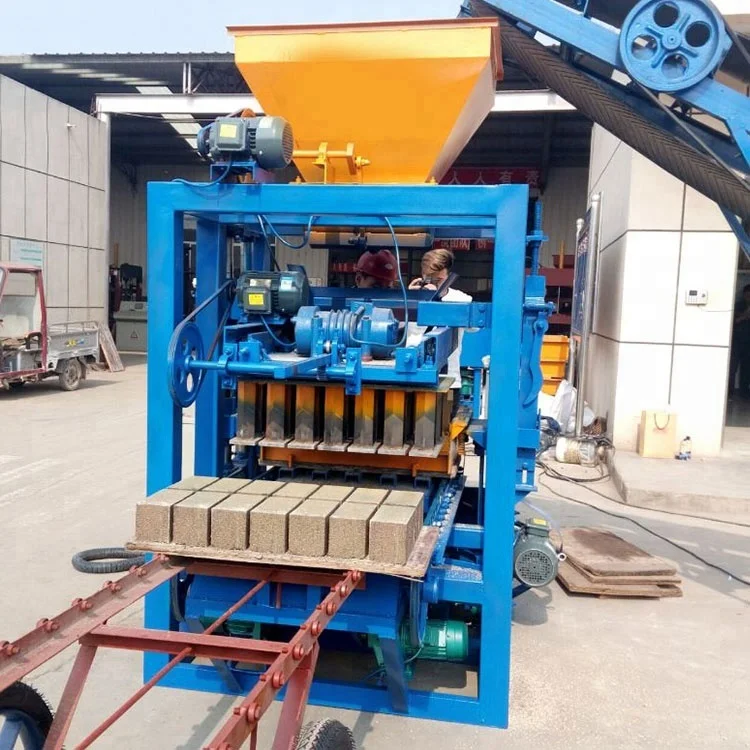
Q: What automation level upgrades are possible from semi-automatic to full automatic on this platform?
A: The QT6-15 platform supports starting with manual pallet handling and adding automatic pallet feeding, stacking and cubing as volume justifies the investment. The PLC architecture already accommodates these modules, so upgrading later involves adding hardware stations and enabling the corresponding logic blocks rather than replacing the control system.
Q: How is the vibration force and hydraulic pressure matched to a specific mix design and local aggregate?
A: During configuration we ask for the buyer’s aggregate type, particle size distribution and cement ratio. Hydraulic pressure within the 16–21 MPa range and vibration duration are then set so the platform vibration achieves target block density without cracking or under-compaction, verified during the factory test before shipment.