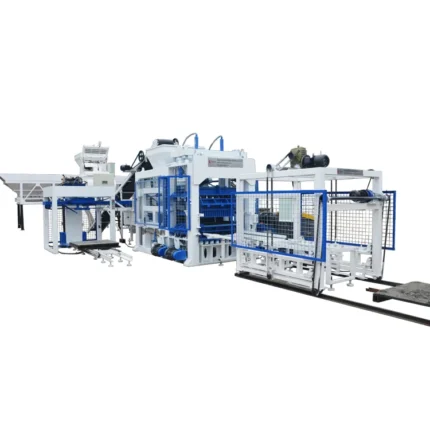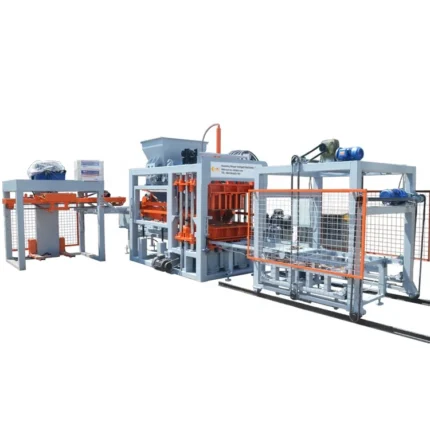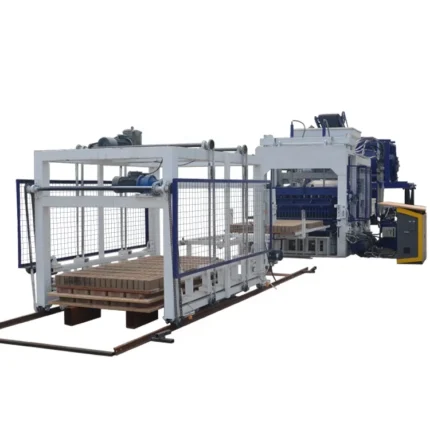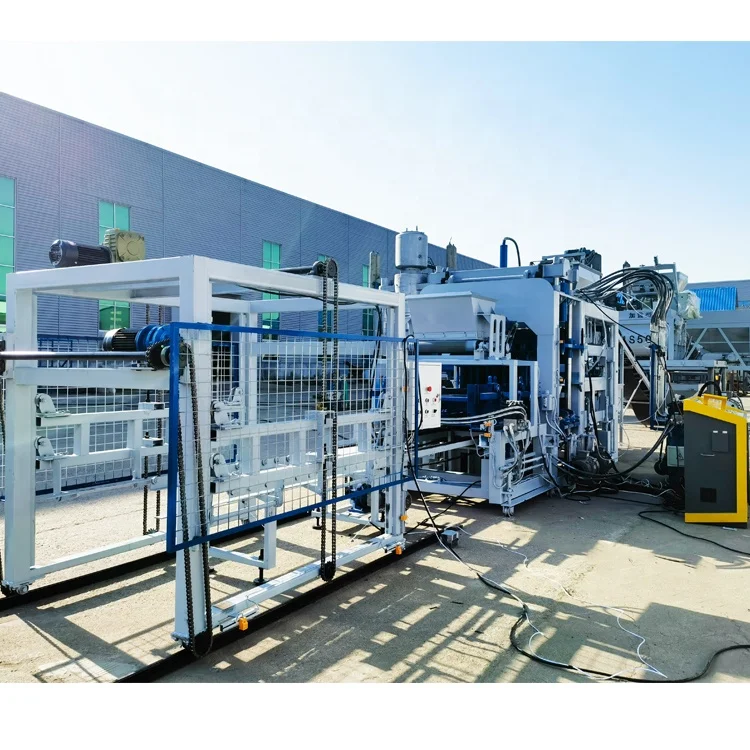
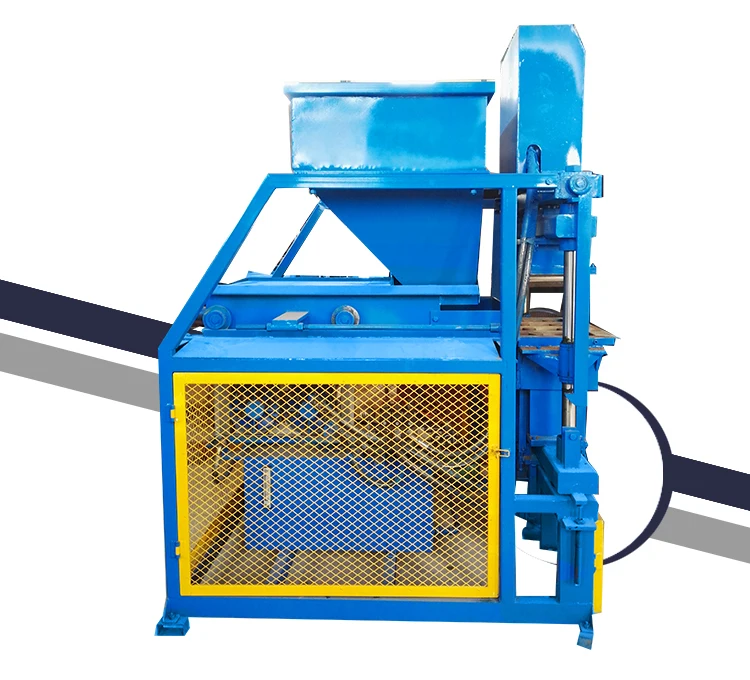
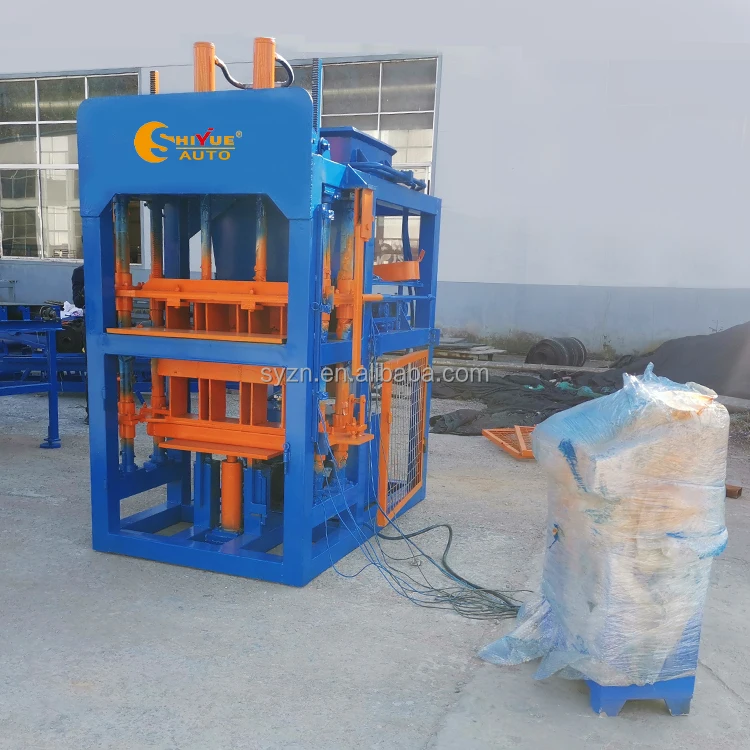
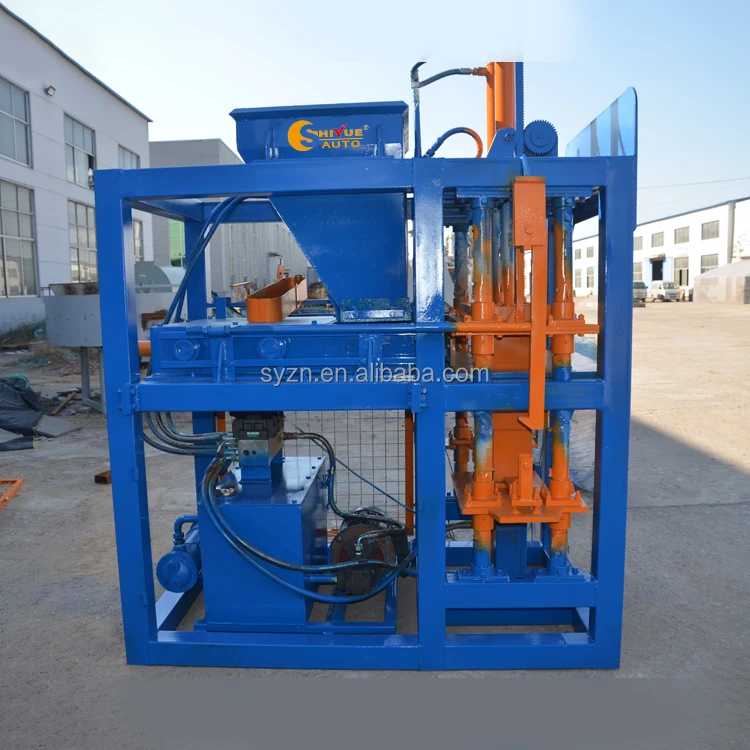
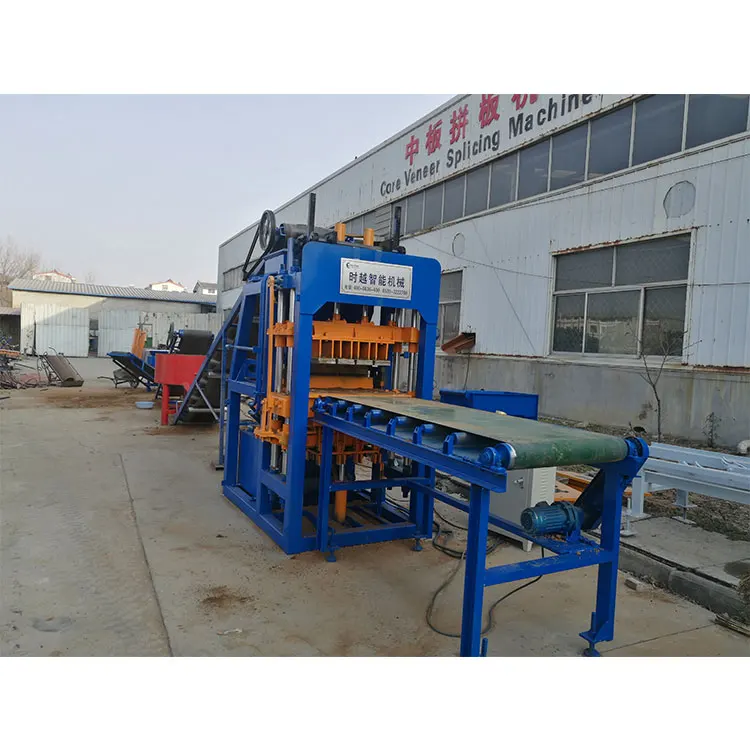
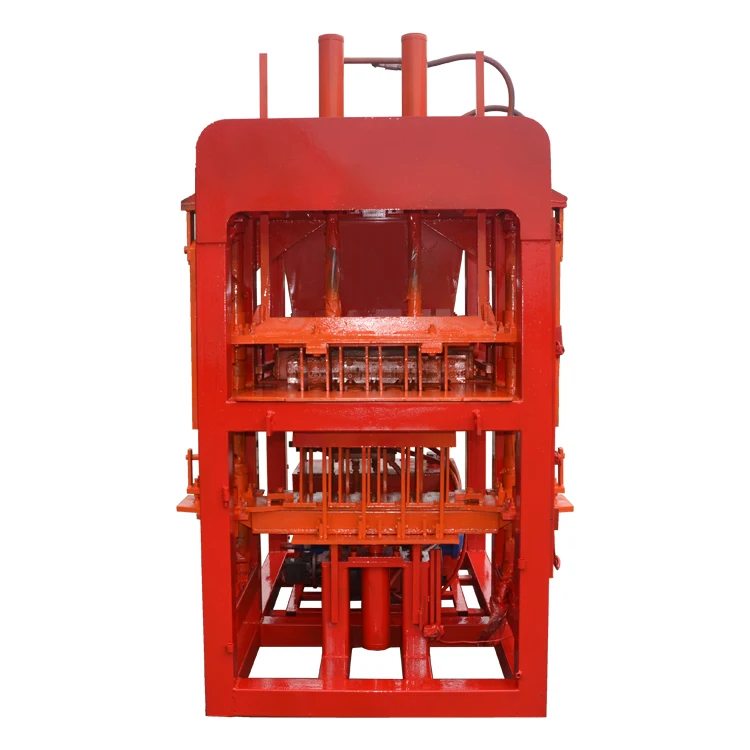
Description
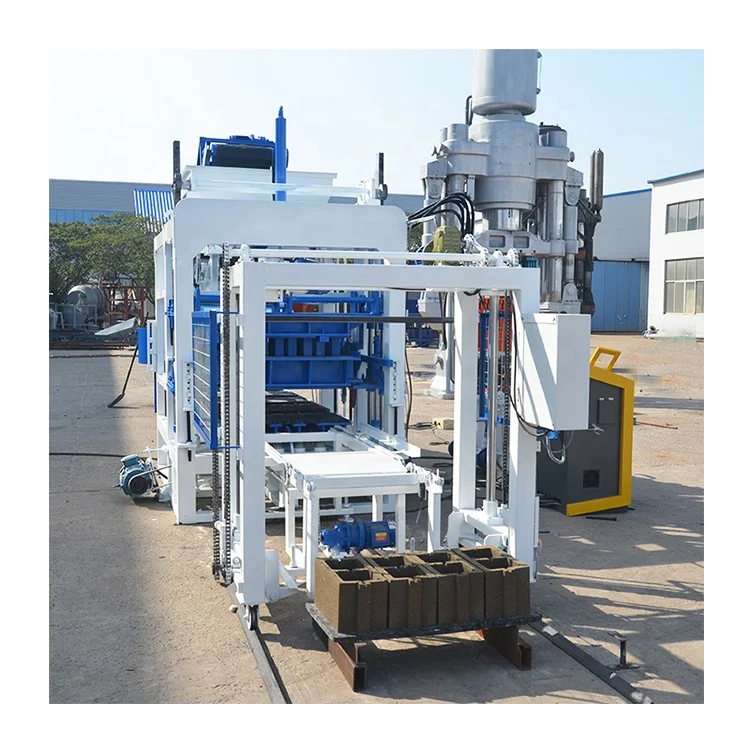
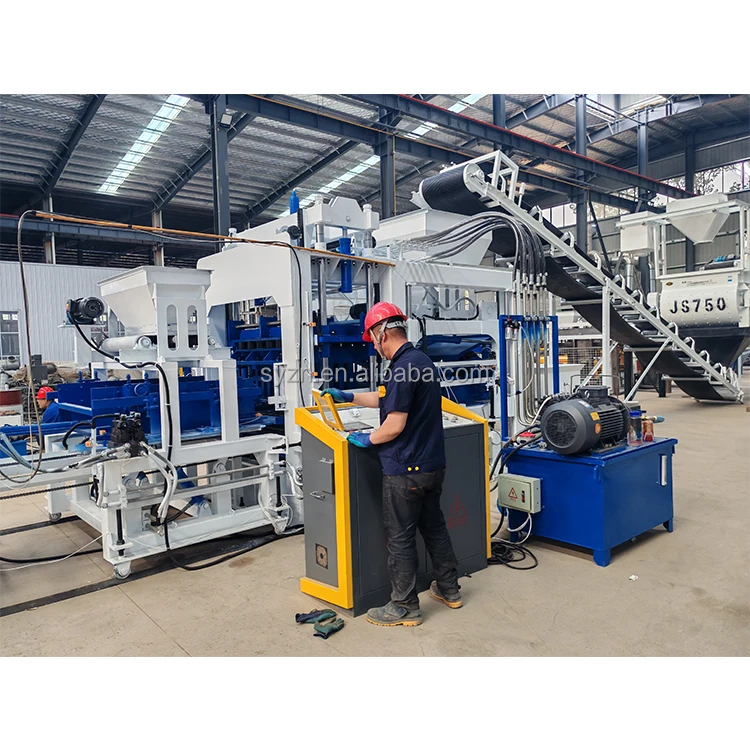
Intelligent control integration — PLC logic, vibration timing, and mould compression are configured together before dispatch so the LY4-10 reaches your site ready to produce consistent blocks from the first cycle.
Technical Specifications
| Parameter | Value |
|---|---|
| Model | LY4-10 |
| Product Type | Automatic Clay Brick Making Machine |
| Machine Power | 11 kW |
| Molding Cycle | 10 s |
| Output Capacity | 11,520 pcs/8 hours (basis: 300×150×100 mm block, 4 pcs/mould) |
| Raw Material Compatibility | Concrete, sand, cement, fly ash, lime, gypsum |
| Machine Weight | 1,200 kg |
| Overall Dimensions (L×W×H) | 1,600 × 1,400 × 2,100 mm |
| Vibration Configuration | 4 vibration motors per mould station |
| Voltage | Configurable to buyer’s local supply (basis to be confirmed) |
| Control System | PLC available (brand and HMI language to be confirmed) |
| Mould Format Shown | 300×150×100 mm (full mould range to be confirmed) |
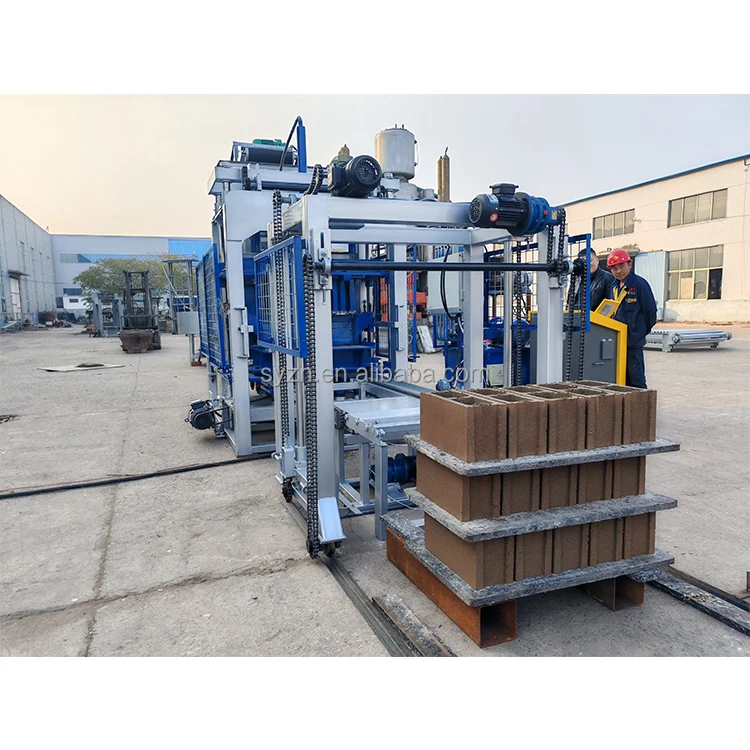
| Automation Level | Semi-automatic standard, full PLC pallet feeding and stacking available as upgrade |
Application Suitability
| Application | Material or Output |
|---|---|
| Clay brick production for housing projects | Local clay blended with sand and cement |
| Ecological brick manufacturing | Fly ash, lime, gypsum blends |
| Concrete block runs for contractors | Crushed aggregate, sand, cement mixes |
| Small-to-medium brick plant operations | Daily output matched to 300×150×100 mm format |
Why the Language on Your PLC Screen Matters Before the Machine Ships
Confirming HMI language, voltage, and control logic before build prevents weeks of idle time on site.
I have stood next to a brick press in West Africa while the operator stared at Chinese characters on the touchscreen, waiting for a translator to arrive before anyone could run a single cycle. That delay is not a shipping problem or a customs issue — it is a specification gap that happens before the machine leaves the factory floor. With the automatic clay brick making machine PLC controlled, every parameter from display language to motor starter wiring must match the site where it will run [NEED_CITE: industrial equipment commissioning delays caused by unconfirmed control configuration]. When these details are confirmed in writing during the order stage, the machine arrives and produces blocks on day one.
What the Control System Actually Manages
The PLC governs vibration timing, mould compression stroke, and feed cycle sequence on the LY4-10. Each of these parameters must be tuned to the specific raw material blend and block format the buyer produces. When the automatic clay brick making machine PLC controlled runs a fly ash mix, the vibration duration and pressure profile differ from a pure clay or concrete mix, and the PLC stores separate recipes for each so operators select the correct profile rather than adjusting manually every shift.
Building the Upgrade Path Into the First Purchase
Many buyers start with semi-automatic pallet handling and manual stacking, then add automatic pallet feeding and cubing as volume grows. The LY4-10 control architecture supports this progression — the PLC I/O count and wiring harness are specified at purchase to accommodate future automation modules without replacing the main controller [NEED_CITE: PLC I/O expansion practices in block production lines]. This means the initial investment protects the next stage of growth rather than forcing a full control replacement when stacking automation is added.
Reading the Specification Sheet Against Your Actual Production
The rated output of 11,520 pieces per eight-hour shift applies specifically to the 300×150×100 mm block format at four pieces per mould. A different block size or mould cavity count changes that number directly. The 10-second molding cycle, 11 kW machine power, and four-motor vibration configuration together define what density and dimensional tolerance the LY4-10 achieves at that cycle rate. Hydraulic pressure and vibration force must match the buyer’s aggregate grading and cement ratio — a mismatch here causes inconsistent block strength across the pallet, which the control system alone cannot correct [NEED_CITE: vibration and hydraulic pressure matching to aggregate in block forming]. The 1,200 kg machine weight and 1,600 × 1,400 × 2,100 mm footprint determine foundation requirements and workshop clearance before the machine arrives.
The Cost of Skipping Control Configuration
When voltage and frequency are assumed rather than confirmed, motor contactors and PLC power supplies fail within the first week of operation. When pallet size is chosen without checking the buyer’s existing curing racks and forklift dimensions, pallets jam at the transfer station and operators handle them manually — defeating the automation investment entirely. These are not defects in the machine; they are gaps in the specification conversation [NEED_CITE: mismatch between pallet size and curing infrastructure in block plants]. Every one of these issues surfaces after the machine has crossed an ocean and the installation team is already on site charging per day.
What Makes This Procurement Different
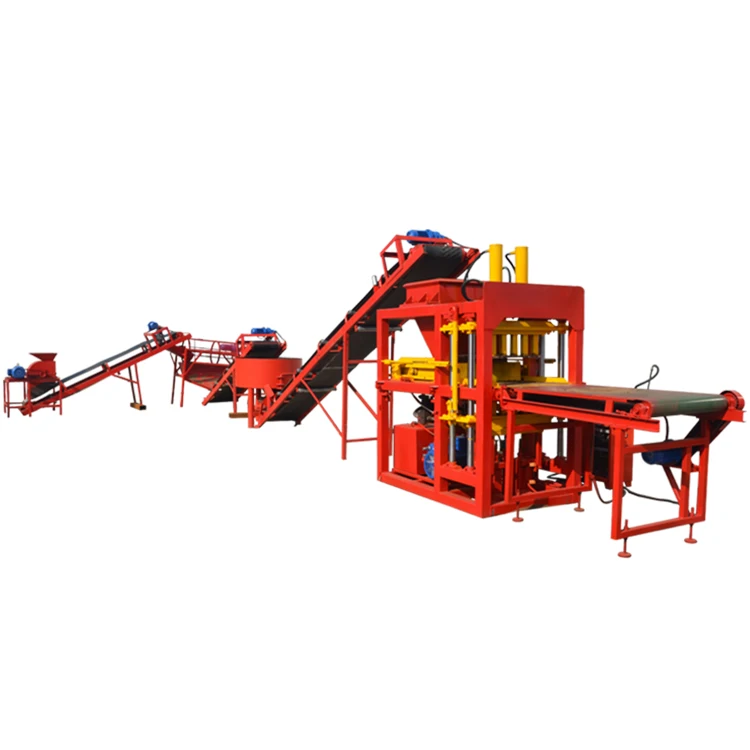
Block machinery is a single focus for the supplier, so the LY4-10 press, its moulds, pallets, and handling equipment are specified as a matched system rather than assembled from separate catalogues. Machine configuration is set against the buyer’s actual mix design and local aggregate, not a default setting. Voltage, frequency, and PLC display language are confirmed in writing before production begins. The mould range covers the formats the buyer’s market actually sells, with custom drawings available. Automation level is selectable at order, so a plant can start semi-automatic and add stacking later without replacing the controller.
Documentation & Verification
- Capacity calculation document stating the 300×150×100 mm format and 10-second cycle assumption
- PLC brand, I/O count, and HMI language confirmation sheet signed before build
- Factory test record with actual cycle times and block density readings per format
- Voltage and control wiring schematic matched to buyer’s site electrical supply
- Hydraulic and electrical schematic for local maintenance teams
Installation, Commissioning & Support
- Foundation pad sized for 1,600 × 1,400 mm footprint and 1,200 kg static load with vibration isolation
- Dedicated circuit rated for 11 kW continuous draw at buyer’s confirmed voltage and frequency
- Machine arrives as single unit within 2,100 mm height, requiring overhead clearance check at site
- PLC parameter set loaded with buyer’s block format and material recipe before dispatch
- Operator training covers recipe selection, mould change procedure, and daily vibration motor inspection
- Wear parts list and mould maintenance schedule provided at commissioning
What to Include in Your Inquiry
Provide the block formats your market sells, your target daily output per format, and the raw materials available locally including aggregate grading. Confirm your site voltage, frequency, and the language your operators need on the PLC display. State whether you plan to start semi-automatic and upgrade later, or require full pallet feeding and stacking from the first installation.
Frequently Asked Questions
Q: What PLC brand and HMI language options are available for the LY4-10, and can the language be changed after delivery?
A: The PLC brand is confirmed with the buyer before production. HMI language is set to the operator’s requirement — English, Spanish, French, or other languages — and is locked in during the factory test. Changing language after delivery may require a new HMI program load, which is why we confirm this in writing at order stage rather than assuming a default.
Q: How is the automation level configured — what does semi-automatic include versus full-automatic?
A: Semi-automatic on the LY4-10 covers PLC-controlled molding cycle with manual pallet handling and stacking. Full-automatic adds PLC-driven pallet feeding, automatic stacking, and cubing. The control system I/O and wiring are specified at purchase to support either configuration, so upgrading later does not require replacing the main PLC unit.
Q: What is the upgrade path from semi-automatic to fully automatic stacking and cubing?
A: The LY4-10 PLC is specified with spare I/O capacity and pre-routed wiring harnesses for future pallet feeding and stacking modules. When the buyer is ready to add automation, the mechanical stations bolt into the existing line and connect to the pre-configured PLC inputs. No controller replacement or full rewire is needed.
Q: How are voltage, frequency, and control logic confirmed before the machine is built?
A: We request the buyer’s site electrical specification — voltage, phase, and frequency — during the inquiry stage and include these values in the signed order confirmation. The control wiring schematic, motor starter ratings, and PLC power supply are all built to that confirmed specification and verified during the factory test before shipment.
Q: How does the control system maintain block density and strength consistency across production batches?
A: The PLC stores separate recipes for each raw material blend, controlling vibration duration, compression stroke, and feed timing per recipe. Operators select the matching recipe at the start of each run rather than adjusting parameters manually. This removes shift-to-shift variation and keeps block density within the range established during the factory test.