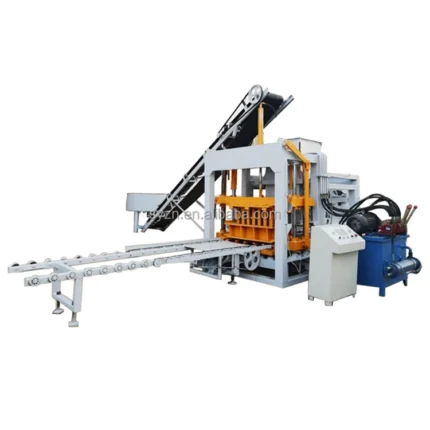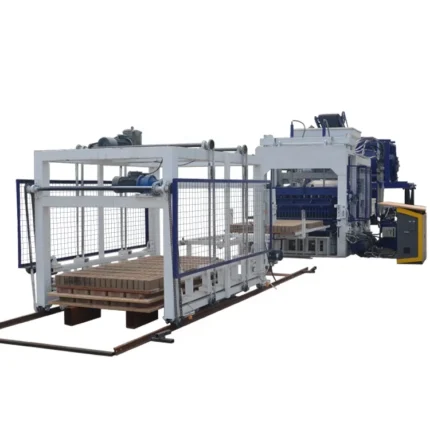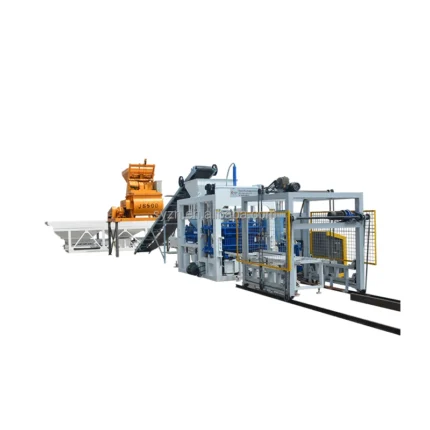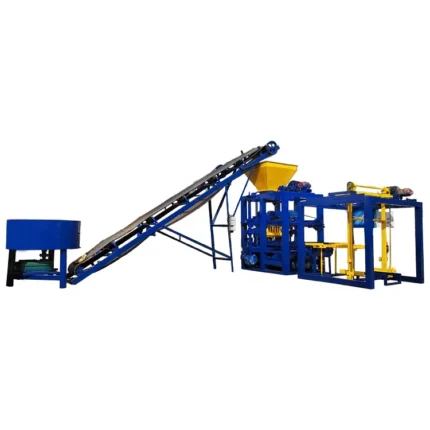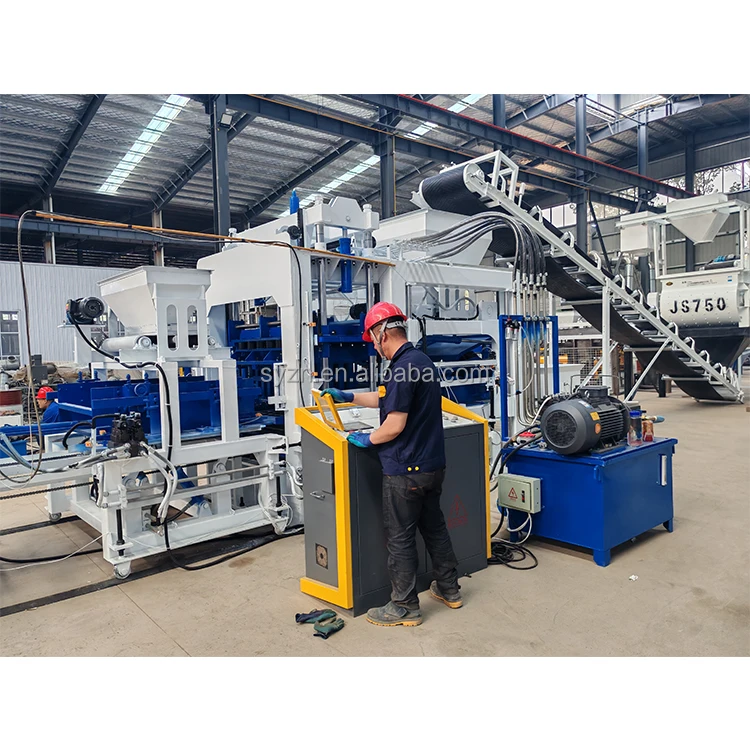


Description
Frequently Asked Questions
Q: How is daily output calculated for the QT8-15 — and which block format does the cycle time assume?
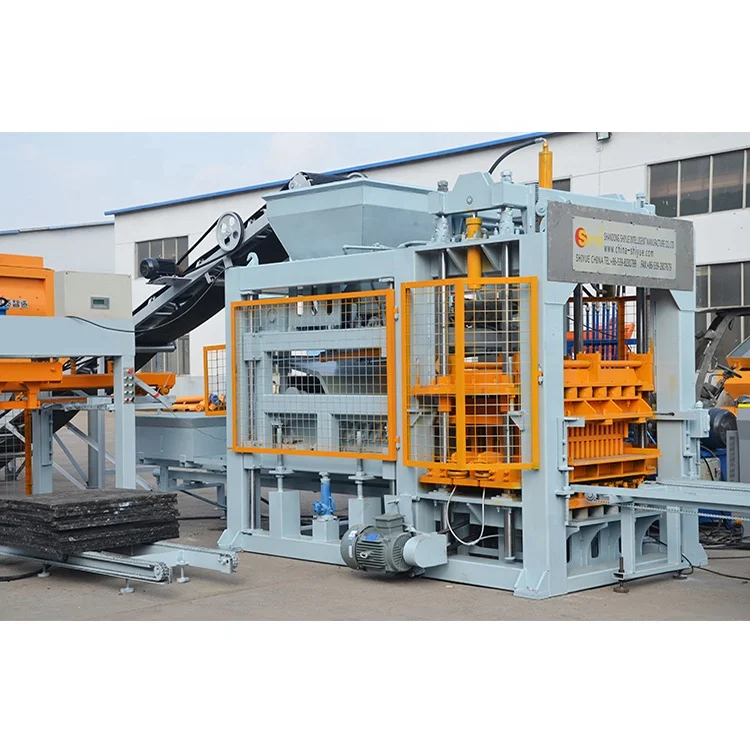
A: The 15–20 second molding cycle must be tied to a specific block format, material, and thickness before it becomes a meaningful daily figure. We calculate capacity per format you intend to produce, not a single blanket number, so you see realistic output for hollow blocks versus pavers versus kerbstones individually.
Q: What PLC control options and display languages are available?
A: The PLC system on this automatic QT8-15 block machine supports configurable display languages confirmed during the order process. We verify your preferred language, voltage, and frequency before the control cabinet is assembled, preventing unreadable fault messages during commissioning.
Q: Can I start semi-automatic and upgrade to full automation later?
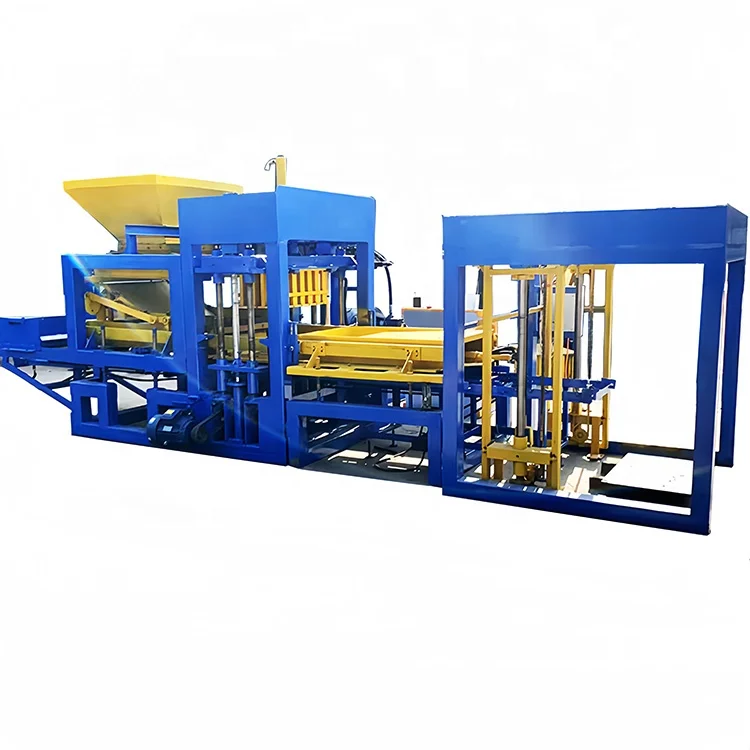
A: Yes. The press and PLC architecture remain unchanged when you add pallet feeding, stacking, or cubing modules afterward. You can begin with manual pallet handling and introduce automatic stations as production volume grows, without replacing the QT8-15 press or its moulds.
Q: How do vibration force and hydraulic pressure match my local aggregate?
A: The 45 kN vibration force at adjustable frequency and 21 MPa hydraulic pressure are set against your actual mix design and aggregate gradation. Angular or poorly graded stone may need higher frequency settings, which we tune during commissioning based on test blocks from your materials.
Q: What stacking and pallet handling equipment is included versus optional?
A: The quotation specifies exactly which stations are included — pallet feeding, stacking, cubing — and which remain manual. We confirm the scope before production so there are no surprise gaps where output piles up waiting for hand labor after the press cycle completes.