Description
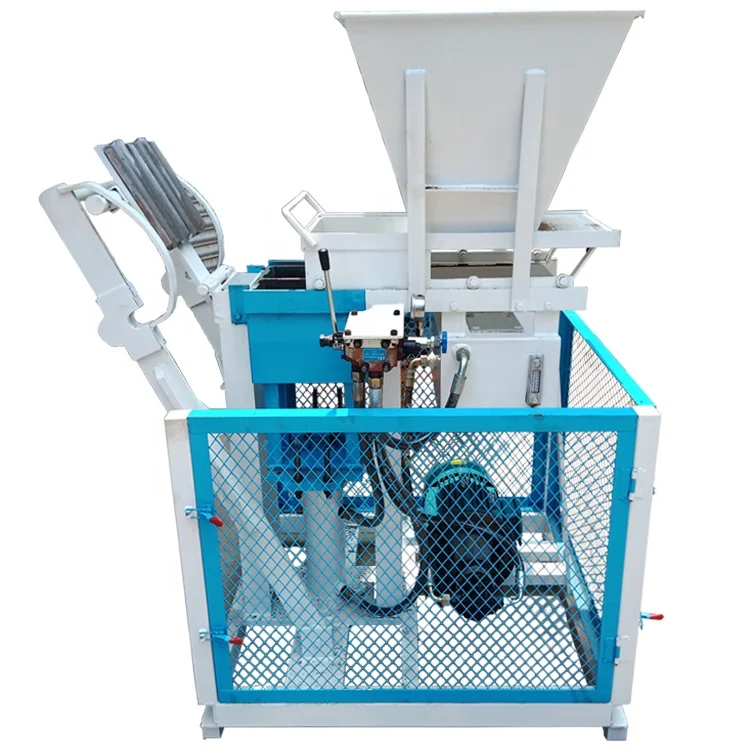
Matched Control Logic — the LY7-10 automatic clay interlocking brick machine PLC controlled platform is set to your operator’s language and local voltage before the crate leaves the factory.
Technical Specifications
| Parameter | Value |
|---|---|
| Model | LY7-10 |
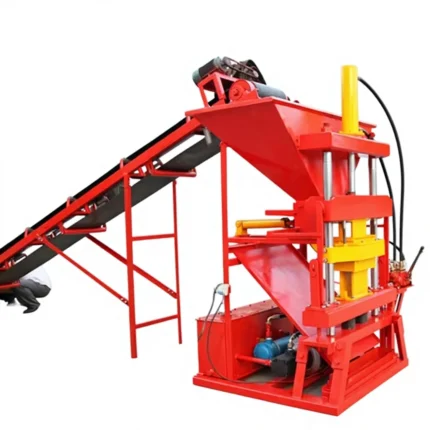
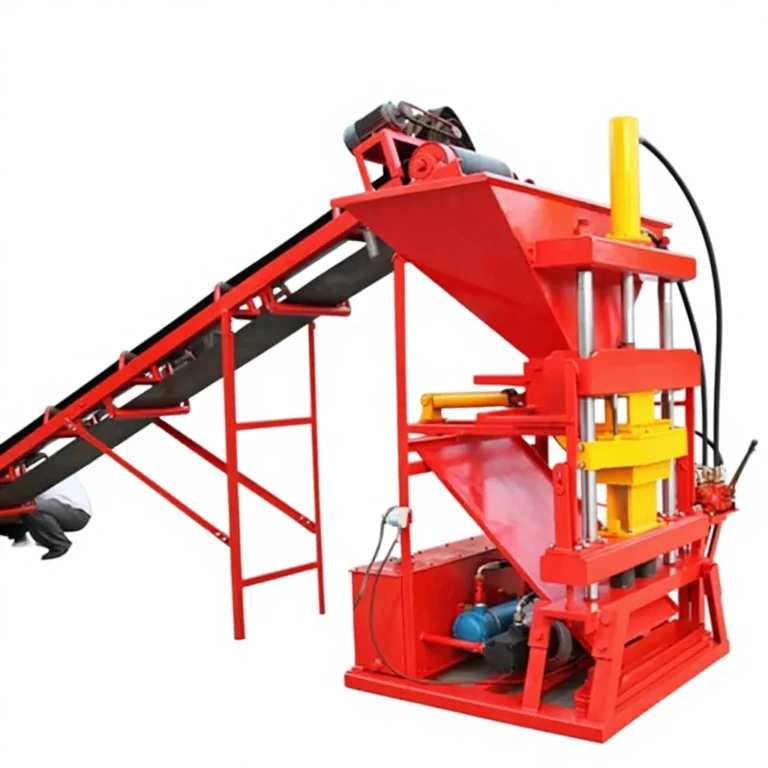
| Product Type | Automatic Clay Interlocking Brick Making Machine |
| Rated Power | 18.5 kW |
| Molding Cycle | 10-15 s (basis not stated in source — confirm block format / material / thickness) |
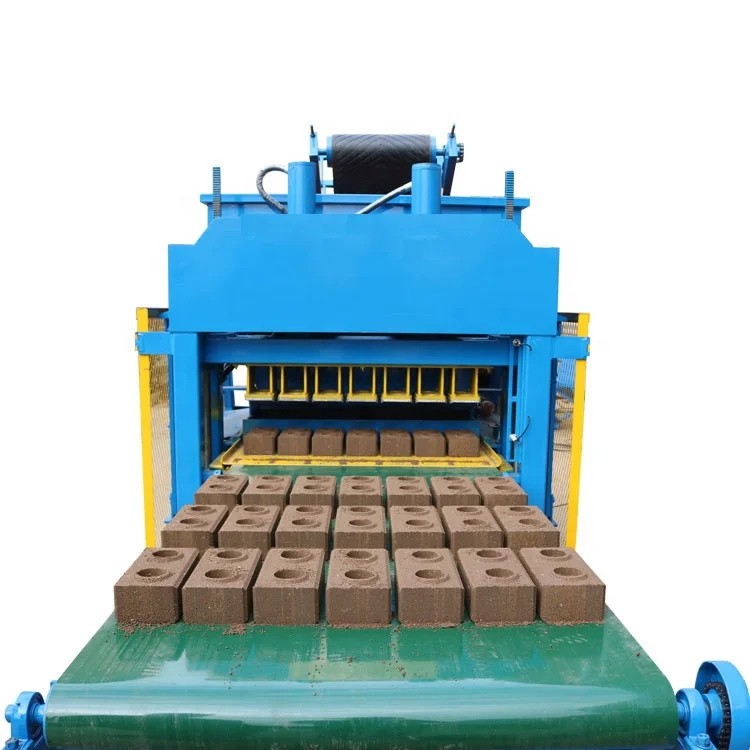
| Output Capacity | 2520 pcs/hour, 20160 pcs/day based on 300×150×100 mm interlocking brick at 7 pcs/mould |
| Hydraulic Pressure | 25-32.5 MPa |
| Raw Materials | Laterite, yellow or red soil, sand, cement, water |
| Automation Level | Automatic material feeding, mould pressing, mould lifting |
| Machine Weight | 1600 kg |
| Overall Dimensions (L×W×H) | 2260 × 1500 × 2380 mm |
| Worker Requirement | 1-2 workers |
| Control System | PLC (language and voltage to be confirmed before shipment) |
Application Suitability
| Application | Material or Output |
|---|---|
| Interlocking brick production for housing projects | Laterite or red/yellow soil blended with cement |
| On-site earth brick manufacturing at development sites | Local clay-cement mix with sand and water |
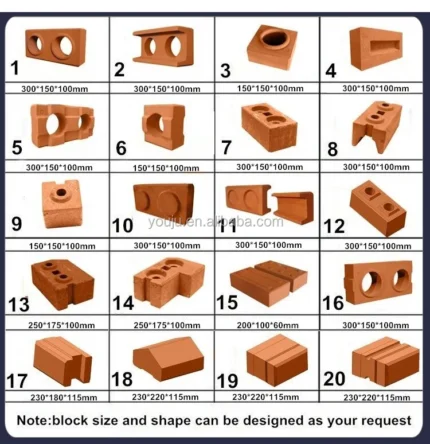
| Multi-format clay block production | Mould change to produce solid or interlocking formats |
| Small to mid-scale plant operations | 7 bricks per mould cycle, continuous automatic pressing |
Why the PLC Language Question Must Come Before the Price
An operator who cannot read the screen will stop the line every time an alarm fires.
I spent years on assembly floors in the Pearl River Delta before moving into technical selection. One buyer took delivery of a clay brick press not long ago and found the entire PLC interface locked in English. The local crew could not identify a single alarm code, and commissioning stalled on the first morning while the plant owner scrambled for a translator. The machine sat idle for days over something that should have been settled before the deposit was paid [NEED_CITE: operator language mismatch delays in equipment commissioning]. With the LY7-10 automatic clay interlocking brick machine PLC controlled system, the display language is confirmed during the order stage and baked into the firmware, not left as a default that may or may not suit your crew.
How PLC Logic Replaces Operator Guesswork
On a manual clay press, the operator decides when the feed hopper opens, how long the ram holds, and when the mould lifts. Each decision introduces variation between the first brick of the shift and the last. The LY7-10 automatic clay interlocking brick machine PLC controlled sequence removes that timing judgement entirely. Material feed duration, press dwell, and mould release are executed from a stored recipe, so cycle-to-cycle repeatability depends on the program, not on the person standing at the panel.
Automation That Holds Pressure Across Every Shift
The hydraulic circuit operates across a 25-32.5 MPa range, and the PLC modulates pressure against the recipe selected for the day’s mix design. When the local laterite arrives wetter than usual after a rainy week, the operator adjusts the setpoint from the panel rather than reaching for a manual valve. Batch-to-batch strength consistency then rests on a measured parameter, not on someone remembering to tweak the handwheel [NEED_CITE: hydraulic pressure variation and clay brick compressive strength]. This is the core of what automation removes from the operator and what it adds in repeatability.
Reading the Spec Sheet Against Your Actual Site
The 18.5 kW rated power must be matched to a dedicated circuit with the correct breaker rating and cable gauge for the 2260 × 1500 × 2380 mm footprint. The 1600 kg machine weight requires a level concrete pad that can absorb the hydraulic ram impulse without settling over time. Output of 2520 pieces per hour is stated for 300×150×100 mm interlocking bricks at 7 pieces per mould; if your market sells a different format, the real throughput shifts accordingly. The 10-15 second moulding cycle was recorded without a stated format basis, so confirm the cycle time against your target brick thickness before sizing downstream curing racks.
What Happens When Control Details Are Left to Chance
When voltage and frequency are assumed rather than confirmed, the PLC power supply may arrive rated for a grid it will never see. The first energising trip then happens in front of the buyer’s crew, not in the factory test bay. When the control language is left as a default, every fault code becomes a phone call instead of a thirty-second fix. These are not engineering failures; they are paperwork failures that surface on day one [NEED_CITE: export equipment commissioning delays from unconfirmed electrical specifications]. The hidden cost is not the machine — it is the idle week while replacement components ship internationally.
Why Procurement Here Reduces Day-One Risk
Block machinery is the single focus of this operation, so the LY7-10 is specified as a matched press, mould, and control package rather than assembled from separate vendors. The hydraulic pressure band is set against the buyer’s actual clay-cement ratio and local aggregate, not a catalogue default. Mould design covers the interlocking formats the buyer’s market actually sells, with custom drawings available. Automation level is selectable, meaning a plant can start with automatic feeding and pressing and extend the control logic to pallet handling later. Installation support includes operator training on the exact PLC interface that shipped with the machine.
Documentation & Verification
- Line layout confirming 20160 pcs/day based on 300×150×100 mm interlocking brick
- Hydraulic and electrical schematic matching the shipped LY7-10 configuration
- Voltage, frequency, and PLC display language confirmation record before dispatch
- Factory test record showing cycle time and pressure at the agreed setpoint
- Operation and maintenance manual written against the actual control interface
- Wear parts and mould list with first replacement intervals noted
Installation, Commissioning & Support
- Level concrete pad required to support 1600 kg machine weight and hydraulic ram impulse
- Dedicated 18.5 kW circuit with confirmed voltage and breaker rating before energising
- Machine arrives assembled; hydraulic lines and PLC panel connected on site
- First run includes pressure calibration against buyer’s clay-cement mix sample
- Operator training covers PLC alarm codes and recipe selection in the confirmed language
- Mould and hydraulic seal wear parts listed with reorder lead times
Before You Request a Quote
Send the target brick format with dimensions, the daily volume your market requires, and the type of soil available on site. Include the local grid voltage and frequency so the electrical package is built correctly the first time. Specify the PLC display language your operators read, and note whether existing curing racks or pallet systems must be accommodated in the line layout.
Frequently Asked Questions
Q: How is the 20160 pcs/day capacity verified and what block format does it assume?
A: The stated daily output of 20160 pieces is calculated on 300×150×100 mm interlocking bricks produced at 7 pieces per mould cycle. If your target format differs in dimensions or thickness, the actual daily figure will shift. We provide a capacity calculation sheet that states the exact brick format assumed so you can compare it against your real production requirement before placing the order.
Q: What PLC control system is fitted and which language options are available on the display?
A: The LY7-10 ships with a PLC platform whose display language is confirmed during the order stage. The interface covers all pressing, feeding, and alarm functions. We lock in the operator language before firmware is loaded so the crew reading the screen on commissioning day sees labels they understand. Any language requirement must be stated in the purchase confirmation.
Q: How is hydraulic pressure configured against my local clay-cement mix?
A: The hydraulic circuit operates across 25-32.5 MPa and is set against a recipe built from your soil sample and cement ratio. During commissioning, pressure is tuned until test bricks meet the target compressive strength. The PLC then holds that setpoint across every cycle so batch consistency depends on the stored recipe rather than manual adjustment by the operator.
Q: What voltage and frequency must be confirmed before shipment?
A: Your local grid voltage and frequency determine the motor winding, PLC power supply, and control transformer fitted to the LY7-10. These values must be stated in the order confirmation so the electrical package is built for the correct standard. Shipping a machine with an unconfirmed voltage rating risks immediate tripping and component damage on first energising.
Q: Is there an upgrade path from this setup to full line automation?
A: The LY7-10 PLC platform can extend its control logic to cover automatic pallet feeding, stacking, and curing rack handling when the plant is ready to expand. The automation level is selectable, so a buyer can commission the press in its current automatic configuration and add upstream or downstream automation later without replacing the core controller.