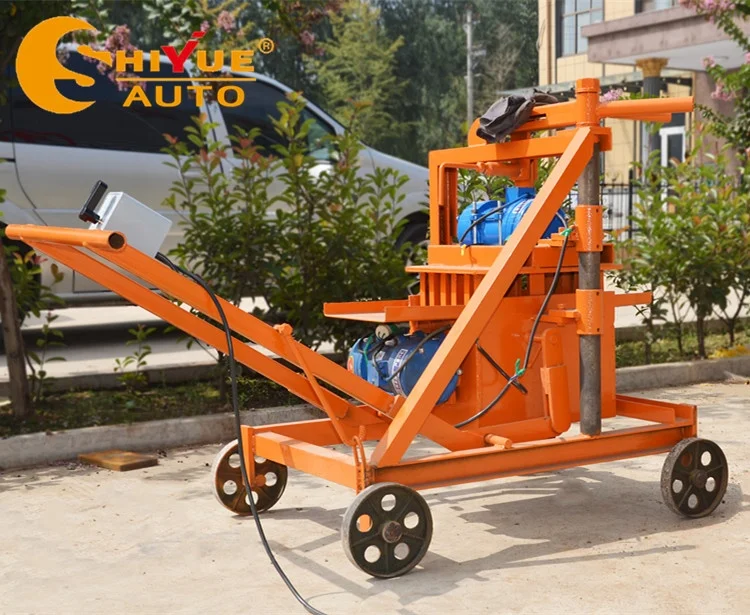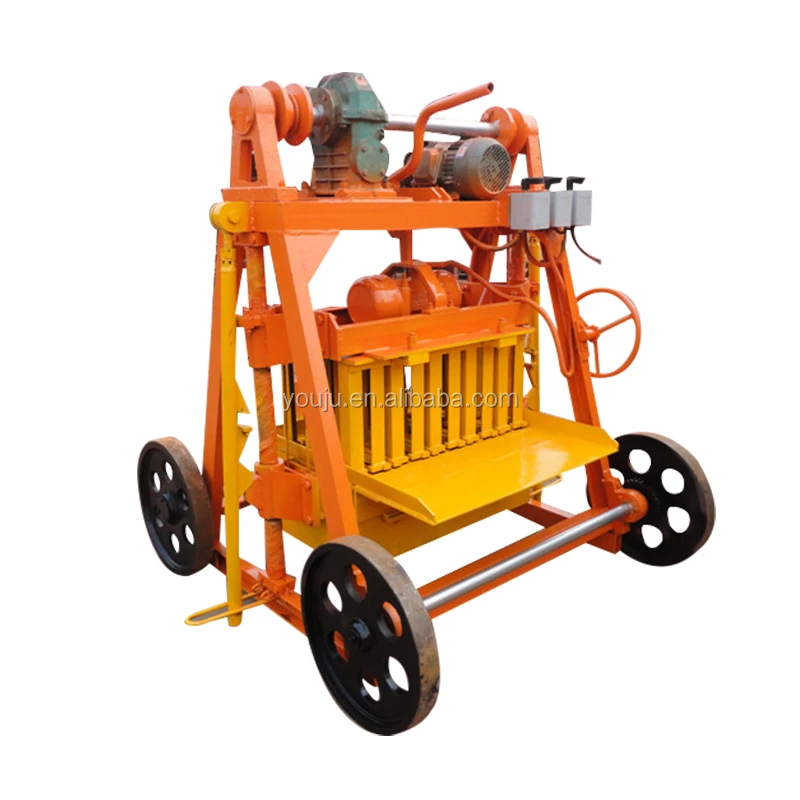
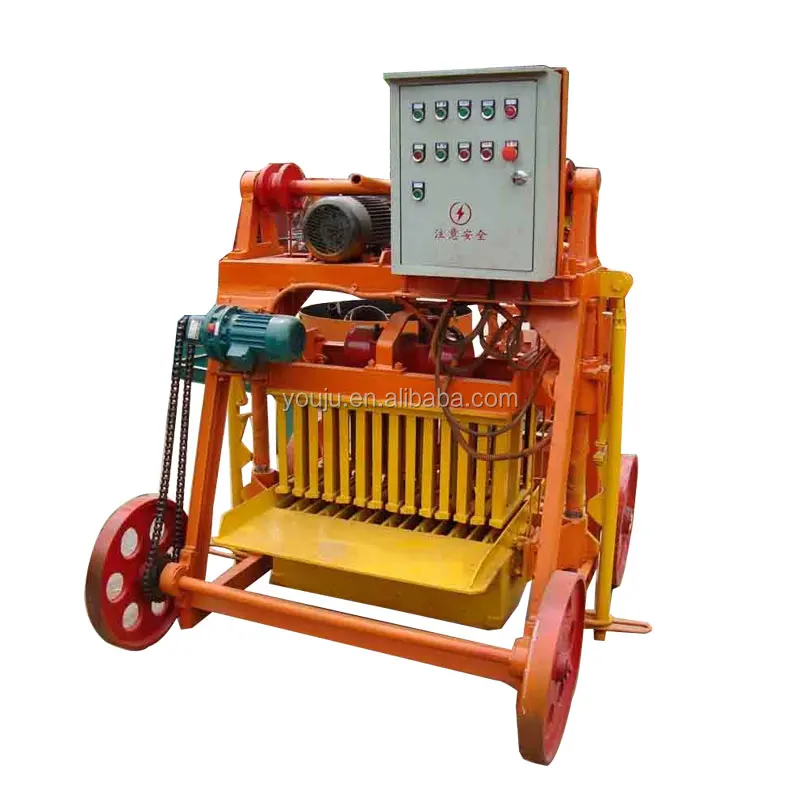
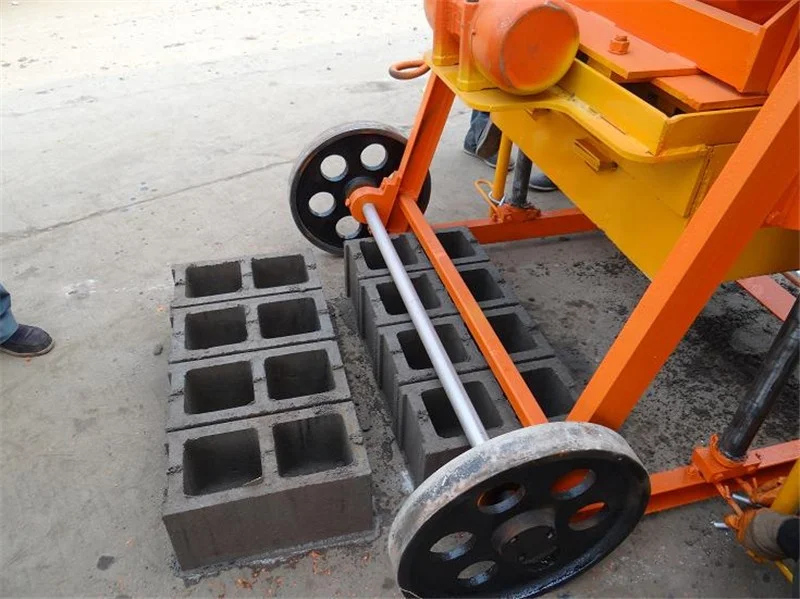
Description
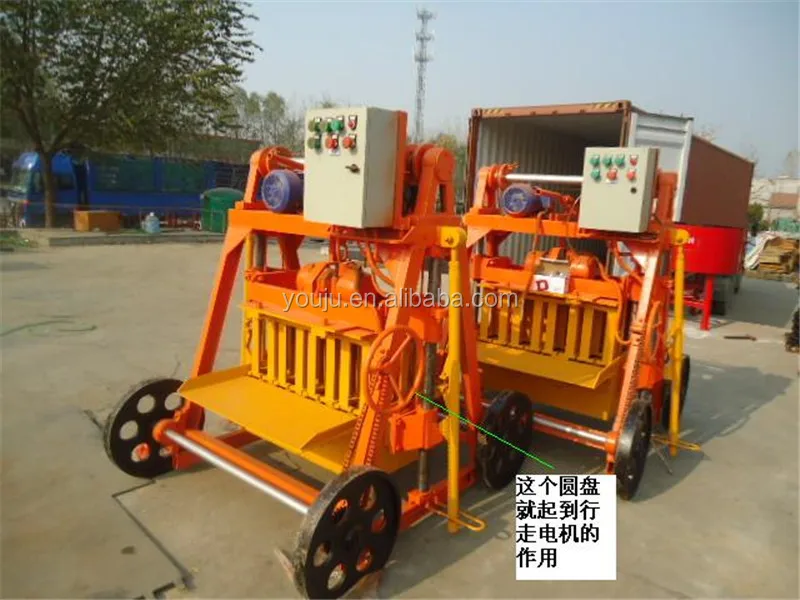
Automation upgrade path from day one — the QMJ4-45 mobile egg laying block machine is specified against your local aggregate and target block format, leaving a clear route to PLC-controlled batching and stacking as volumes grow.
Technical Specifications
| Parameter | Value |
|---|---|
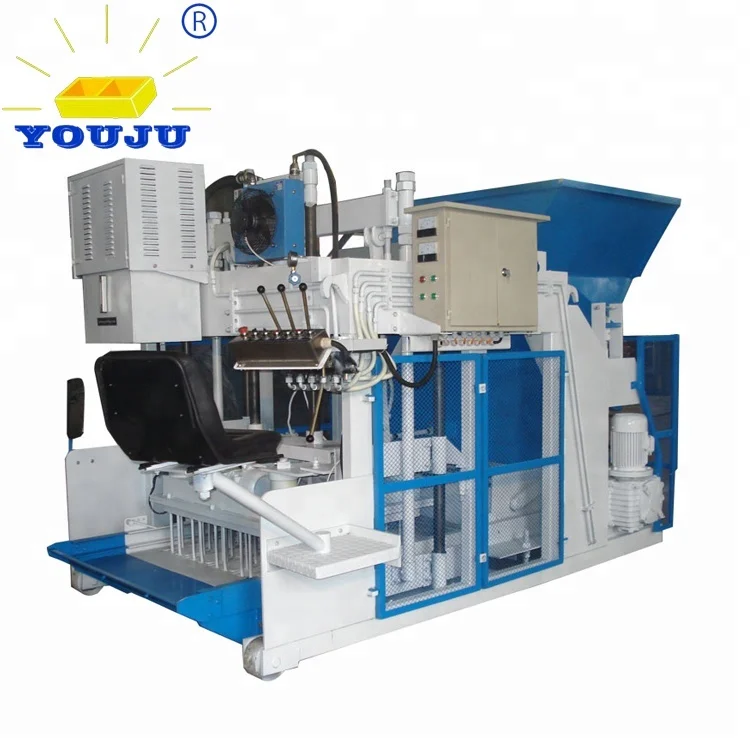
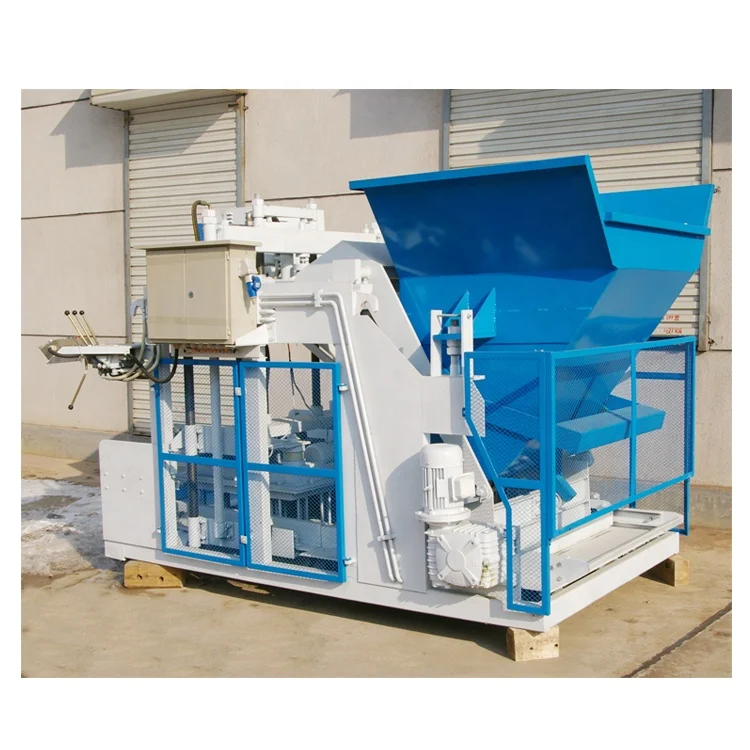
| Product Type | Mobile Egg Laying Block Making Machine |
| Model | QMJ4-45 |
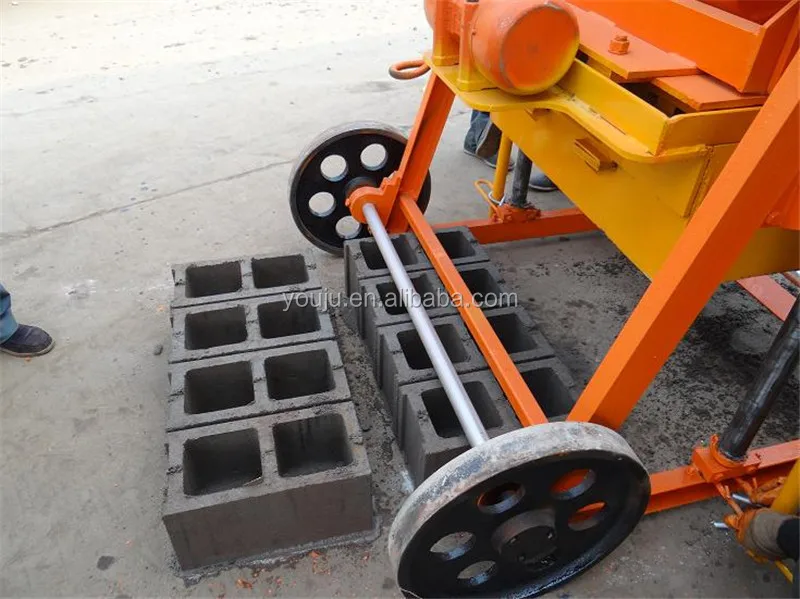
| Molding Capacity | 4 pcs/mould (400×200×200 mm hollow block) |
| Vibration Frequency | 2400 r/min |
| Vibration Method | Twice-vibration of molding core |
| Molding Cycle | 45 s |
| Demold / Turning Method | Manual |
| Power Source | Diesel / Petrol engine |
| Total Power | 6 kW |
| Productivity (400×200×200 mm, 4 pcs/mould, 45 s cycle, 8 h) | 3000 pcs/day |
| Productivity (400×150×200 mm, 5 pcs/mould, 45 s cycle, 8 h) | 3500 pcs/day |
| Productivity (400×120×200 mm, 6 pcs/mould, 45 s cycle, 8 h) | 4500 pcs/day |
| Pallet Requirement | Reduced-consumption design vs. former models |
| Automation Level | Manual egg-laying, upgrade path available |
| Warranty | 1 year for the whole machine |
Application Suitability
| Application | Output or Material |
|---|---|
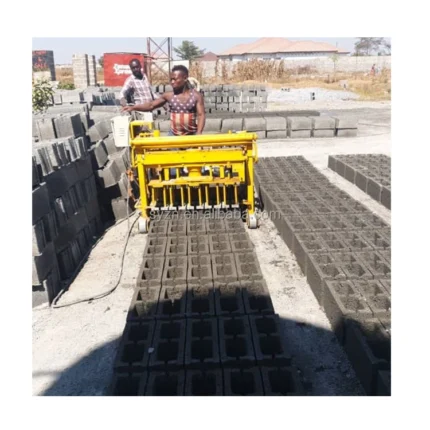
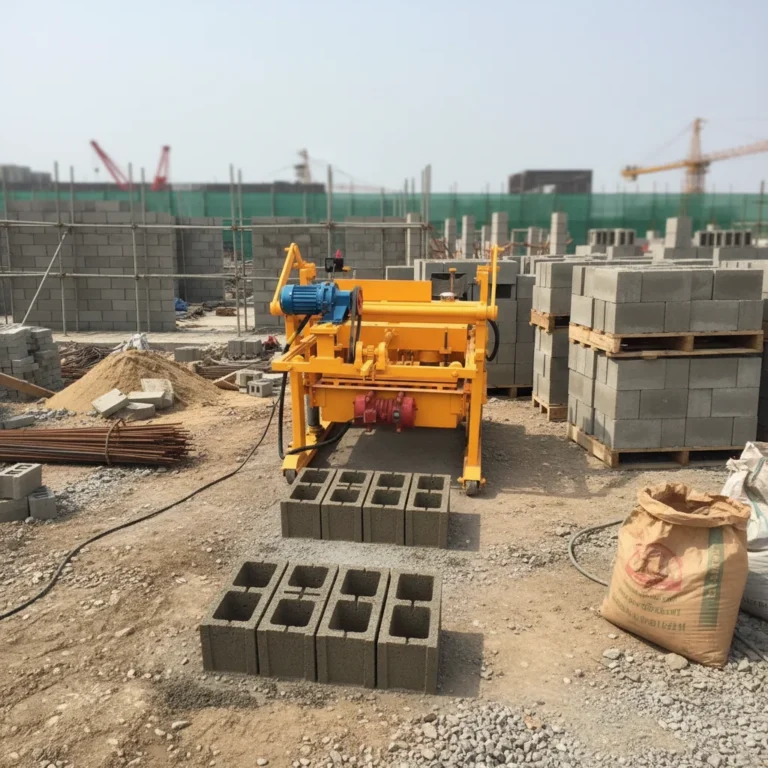
| On-site hollow block production | Crushed stone, sand, cement, water — no fixed plant required |
| Remote construction project supply | Engine-powered operation independent of grid connection |
| Supplementary mobile unit alongside main line | Fills short-run or temporary format demand while the primary PLC line runs volume |
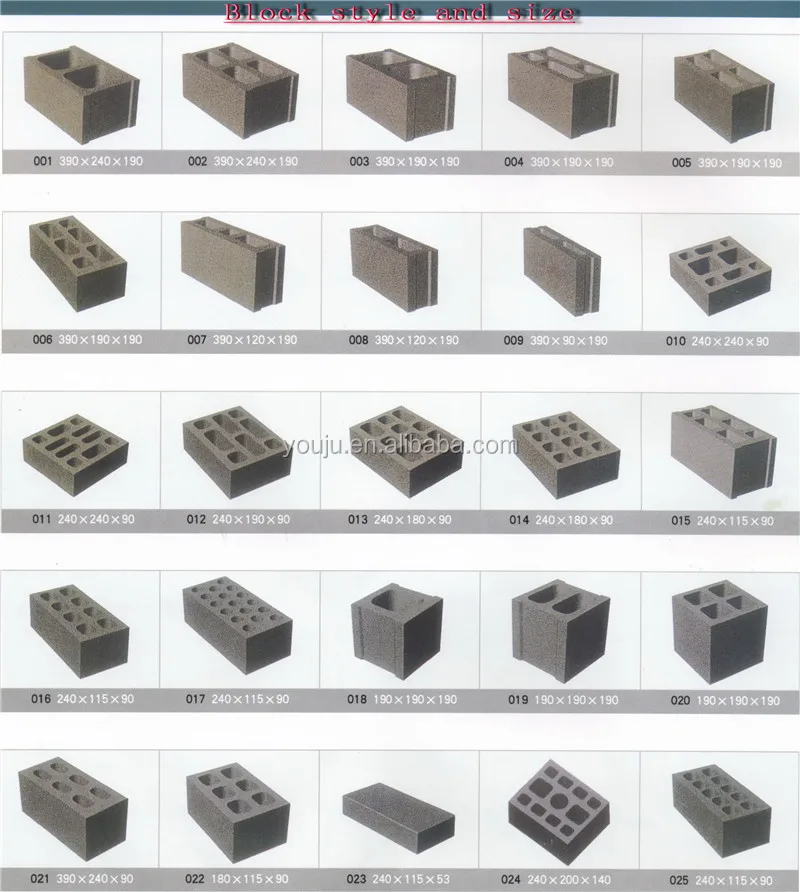
| Paving and standard brick runs | Mould change covers multicellular, paving and solid brick formats |
What the Cycle Time Figure Actually Assumes About Your Mix
A 45-second molding cycle is only stable when vibration force and hydraulic pressure match your local aggregate grading and cement ratio.
I once watched an automatic mobile block machine sit idle for two days on a Southeast Asian site because the PLC display language was English-only and the local crew could not navigate the menus. Before that, on a different project, the vibration frequency was set for river sand while the site only had crushed granite — blocks cracked during curing and the contractor blamed the press. The real issue was that nobody had confirmed the mix design against the machine configuration before it left the factory. With the QMJ4-45, the twice-vibration system and engine-driven independence give you a mechanical baseline that holds a consistent cycle, but the control conversation — language, voltage for a future PLC upgrade, batching parameters — has to be settled before dispatch [NEED_CITE: voltage and frequency standards by export market].
Where Manual Operation Ends and PLC Control Begins
The QMJ4-45 runs as a manual egg-laying unit today: demold and turning are handled by the operator, and the diesel or petrol engine removes any dependency on site electricity. This keeps the initial investment low for first-time plant entrepreneurs and contractors who need block production before the grid is connected. The machine’s 2400 r/min twice-vibration core already delivers the density consistency that a PLC-controlled batching system later relies on, so the mechanical foundation does not need replacing when you add automation.
Planning the Automation Ladder Without Rework
When volume justifies it, the upgrade path moves through automatic pallet feeding, PLC-controlled batching accuracy, and eventually stacking and cubing. Because the QMJ4-45’s molding cycle holds at 45 seconds across three hollow block formats, the PLC layer you add later tightens an already predictable rhythm rather than compensating for a weak press. Preparing the electrical infrastructure now — correct voltage, frequency, and conduit routing — means the automatic mobile block machine upgrade slots in without tearing up the curing yard [NEED_CITE: CE machinery directive requirements for industrial equipment].
Twice-Vibration and What It Means for Block Density
The shift from single to dual vibration on the molding core is the parameter that matters most for block strength. At 2400 r/min, the twice-vibration method compacts the mix in two phases, producing a denser green block that survives handling before full cure. Combined with a 6 kW total power draw from the engine, the system delivers enough force for hollow, multicellular, and paving formats without requiring a separate hydraulic power pack. The reduced-consumption pallet design also means fewer pallets circulate through the curing area, which matters when you later add an automatic stacking system that expects consistent pallet spacing.
The Cost of Skipping the Configuration Conversation
I have seen contractors lose an entire curing cycle — sometimes a full week of production — because the control panel arrived in a language the operators could not read, and the PLC supplier was six time zones away. Others have received a machine wired for 380 V/50 Hz when the site generator outputs 440 V/60 Hz, frying the motor on first start. These are not machine defects; they are configuration gaps that surface only after arrival [NEED_CITE: common commissioning delays from electrical mismatch]. When a PLC-controlled egg laying block machine is part of the future plan, the electrical and language decisions you defer today become expensive rework tomorrow.
Why This Machine Fits the Automation-First Approach
Every configuration starts from your actual mix design and local aggregate, not a catalogue default — the twice-vibration frequency is validated against your material before the machine ships. Mould design covers the hollow, paving, and standard brick formats your market actually sells, with custom drawings available when a project specifies a non-standard size. The automation level is selectable: you can start with manual egg-laying and add PLC batching, pallet feeding, or stacking as daily output grows. Voltage, frequency, and PLC display language are confirmed during the order process, not discovered at commissioning. Installation support includes operator training on the specific control configuration you chose, and the wear parts and mould list is handed over at delivery so the first replacement does not become an emergency.
Documentation & Verification
- Factory test record run on your target hollow block format before dispatch
- Voltage, frequency, and PLC language confirmation sheet signed off at order
- Mould drawing and format list covering every block type in your quotation
- Hydraulic and electrical schematic matching the as-built engine configuration
- Operation and maintenance manual in the operator language you specified
- Wear parts and mould list with part numbers for first replacement planning
Installation, Commissioning & Support
- Level compacted ground required; no fixed foundation needed for the 6 kW engine-powered unit
- Fuel supply and ventilation planned for diesel or petrol engine exhaust on enclosed sites
- Delivered as a single mobile unit — no dismantling for container loading
- First-run cycle validation across all ordered mould formats with operator present
- PLC upgrade pre-wiring route identified during initial commissioning visit
- Wear parts list reviewed with site supervisor before handover
What to Include in Your Inquiry
Tell us the hollow block dimensions and daily volume your market demands, the local aggregate type and grading you can source, and whether a PLC-controlled egg laying block machine upgrade is planned within the next production season. If a site generator is already on order, share its voltage and frequency output so we match the engine and any future control panel to it now.
Frequently Asked Questions
Q: How do I decide which automation stations to add and when?
A: Start with manual egg-laying to prove the block format and market demand. Once daily output consistently fills your curing area, automatic pallet feeding is usually the first station added, followed by PLC batching for mix consistency. Stacking and cubing come last, when labour cost and handling damage justify the investment.
Q: What electrical work should I prepare now for a future PLC upgrade?
A: Confirm the voltage and frequency your site generator or grid connection will supply. Lay conduit from the main distribution board to the planned press location, sized for the PLC panel load. This avoids trenching through a working curing yard later when the automatic mobile block machine upgrade is ready.
Q: Which block format is the daily output figure based on?
A: The 3000 pcs/day figure assumes a 400×200×200 mm hollow block at four pieces per mould and a 45-second cycle over an eight-hour shift. Smaller formats such as 400×120×200 mm yield up to 4500 pcs/day under the same conditions. Confirm your target format for an accurate calculation.
Q: What language options are available for the PLC display?
A: The HMI language is confirmed during the order process — before production starts. When upgrading from manual to PLC control, the display language is set to match your operators. Training on the specific interface is included during commissioning.
Q: How does automation tighten cycle-to-cycle variation?
A: Manual operation already holds a 45-second cycle through the twice-vibration system. A PLC-controlled egg laying block machine adds sensors that monitor vibration duration and feed volume on every stroke, reducing the variation that causes block-to-block strength differences across a long shift.