

Description
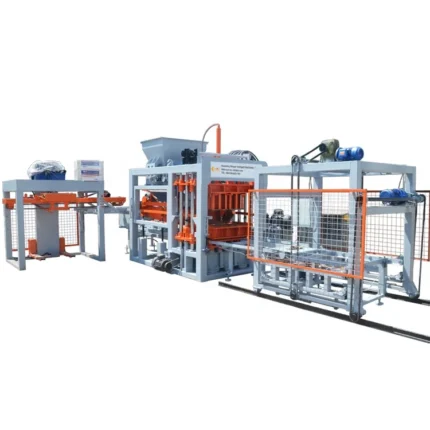
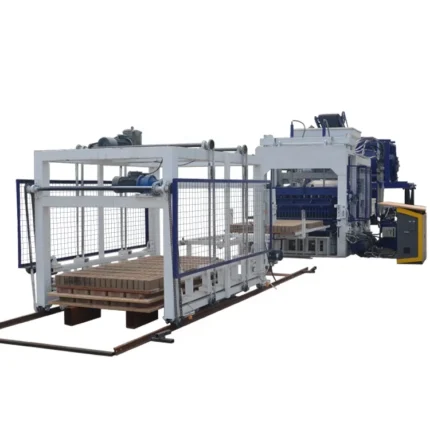
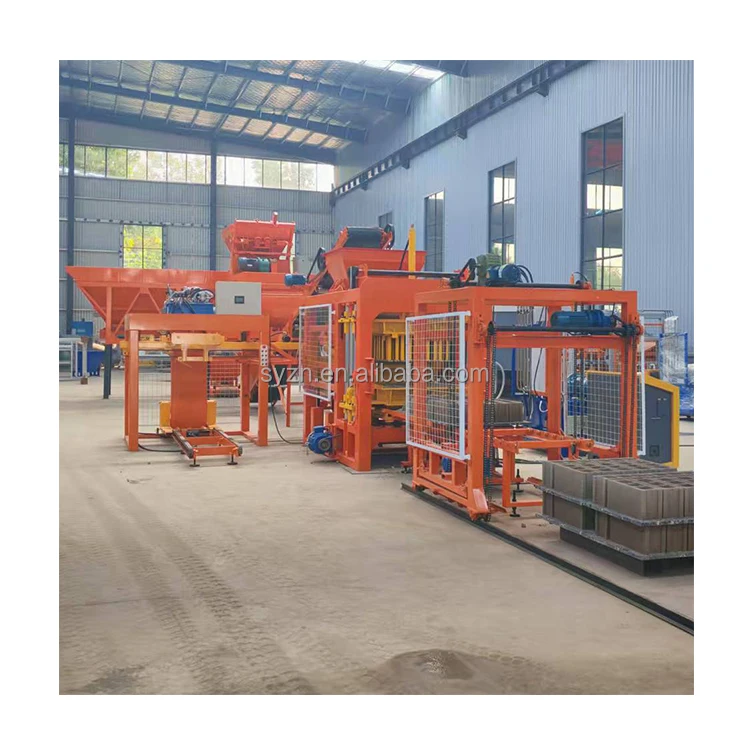
Intelligent Control Architecture — The QT6-15 block making machine integrates PLC touch-screen operation with built-in fault diagnosis so the control logic, not the operator, governs cycle consistency.
Technical Specifications
| Parameter | Value |
|---|---|
| Model | QT6-15 |
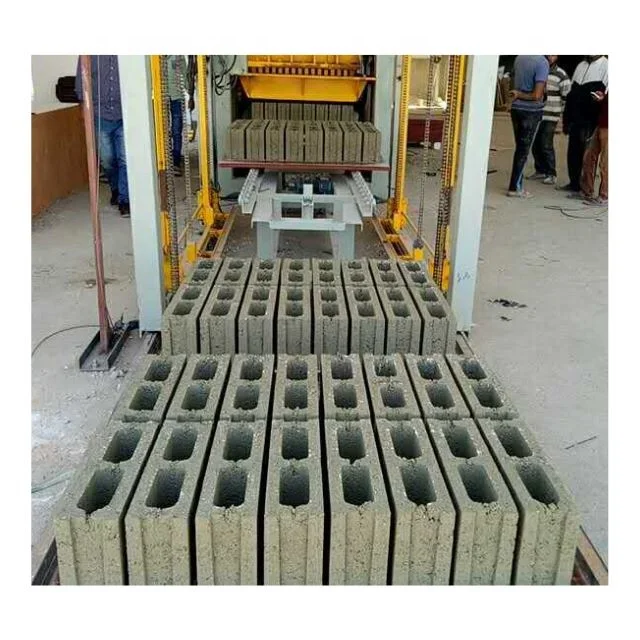
| Product Type | Hollow Block Making Machine |
| Overall Dimensions (L×W×H) | 8200 × 1700 × 2950 mm |
| Total Mass | 7 T |
| Overall Power | 37 kW |
| Vibration Form | Platform Vibration |
| Vibration Frequency | 0–60 Hz |
| Vibration Force | 45 kN |
| Moulding Mode | Automatic loading, vibration moulding |
| Demolding Method | Hydraulic |
| Hydraulic System | Independent integrated hydraulic station |
| Pallet Size | 880 × 850 mm |
| Molding Cycle | 15–20 s (basis not stated in source — confirm block format, material, thickness) |
| Control System | PLC (Programmable Controller) with touch screen |
| Fault Diagnosis | Built-in fault diagnosis system |
| Safety Logic | Action interlock via safe logic circuit |
| Compressive Strength of Blocks | >15 MPa |
| Factory Area Required | 1200 m² |
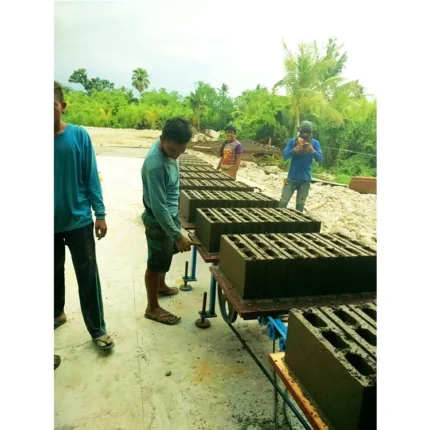
| Raw Material Adaptability | Waste ash, slag, cement-reduced mixes for bearing and non-bearing blocks |
| Output — Hollow Block 400×200×200 mm | 6 pcs/mould, 1080–1440 pcs/hour, 8640–11520 pcs/8 hr |
| Output — Hollow Block 400×150×200 mm | 8 pcs/mould, 1440–1920 pcs/hour, 11520–15360 pcs/8 hr |
| Output — Solid Brick 240×115×53 mm | 32 pcs/mould, 5760–7680 pcs/hour, 46080–61440 pcs/8 hr |
| Output — Rectangular Paver 200×100×60 mm | 21 pcs/mould, 2160–2880 pcs/hour (cycle 20–25 s), 17280–23040 pcs/8 hr |
| Output — Zigzag Paver 225×112.5×60 mm | 15 pcs/mould, 2160–2880 pcs/hour (cycle 20–25 s), 17280–23040 pcs/8 hr |
| Warranty | 1 year (whole machine, excluding spare parts) |
| Standards | CE (declared where applicable) |
Application Suitability
| Application | Material or Output |
|---|---|
| Hollow block production for load-bearing walls | Crushed stone, cement, and graded sand mixes targeting >15 MPa compressive strength |
| Solid brick manufacturing for partition and infill | Local aggregate blends including waste ash and slag |
| Rectangular paving block production for roads and walkways | High-density concrete mixes with platform vibration at 20–25 s cycle |
| Interlocking (zigzag) paver production | Pigmented face-mix and structural base-mix concrete |
| Non-bearing multicellular block production | Cement-reduced mixes with lightweight aggregate or slag |
What "Automatic" Really Means When the Operator Speaks a Different Language
A PLC controlled QT6-15 block making machine is only automatic if the human-machine interface communicates clearly with the people running it.
I have watched a fully configured block line sit idle for weeks in Central America because the touch-screen menus defaulted to a language the crew could not read, and the voltage tap on the transformer had not been set to the local grid before the container left the factory. The machine was technically perfect. The control configuration was not. When buyers evaluate an automatic hollow block machine, the conversation almost always starts with cycle time and ends with price — the PLC language, the HMI layout, and the voltage-frequency match get assumed rather than confirmed [NEED_CITE: common commissioning delays caused by unconfirmed voltage and control language in exported machinery]. That assumption is the single most frequent reason a new block plant does not reach rated output in its first month.
How the PLC Removes Guesswork from Every Moulding Cycle
The QT6-15 programmable controller stores individual recipes for each block format, so switching from a 400×200×200 mm hollow block to a 200×100×60 mm rectangular paver means recalling a saved profile rather than asking the operator to re-dial vibration frequency, hydraulic pressure, and feed time from memory. The touch-screen interface displays real-time cycle data, letting supervisors spot drift before it shows up as inconsistent block weight on the curing racks.
Fault Diagnosis That Catches Problems Before the Line Stops
The built-in fault diagnosis system monitors sensor feedback across the hydraulic station, vibration motor, and pallet feeder, generating specific alarm codes when a parameter moves outside its set window. Instead of a complete line stoppage that takes hours to trace, the operator sees a targeted alert — for example, low hydraulic pressure at the demolding cylinder — and can address the root cause during a planned pause. The safe logic circuit enforces action interlocks so that a pallet cannot advance while the mould head is still descending, protecting both the mould and the pressing mechanism from collision damage [NEED_CITE: safety interlock standards for hydraulic press equipment].
Reading the Numbers That Actually Matter on the Spec Sheet
The 45 kN vibration force and 0–60 Hz adjustable frequency work together with the independent hydraulic station to compact the concrete mix against the mould walls. Higher vibration frequency improves surface finish on pavers, while lower frequency with longer dwell builds density in thick-walled hollow blocks — the PLC lets you store and recall the exact combination for each format. The 880 × 850 mm pallet size must match the curing rack spacing and the forklift tine width already in use at your plant; ordering a mismatched pallet dimension is one of the most common configuration errors I see, because it only becomes visible once the first batch of wet blocks reaches the yard. The 37 kW total power draw determines the transformer capacity and dedicated circuit you need before the machine arrives, not after.
The Hidden Cost of Skipping the Control Configuration Step
When a PLC-controlled machine arrives with its display language, voltage tap, and frequency setting left at factory defaults, the buyer faces a choice between flying in a specialist or spending weeks with a multimeter and a translated manual. During that window the machine occupies floor space, the pallet inventory ages, and the customer orders that justified the purchase begin to slip. I have seen commissioning delays stretch past three weeks on sites where the electrical cabinet required a complete rewire to match local three-phase standards — time and cost that a pre-shipment confirmation document would have eliminated entirely [NEED_CITE: electrical standards mismatch in exported industrial machinery].
Why Sourcing This PLC Controlled QT6-15 Block Making Machine Here Makes Sense
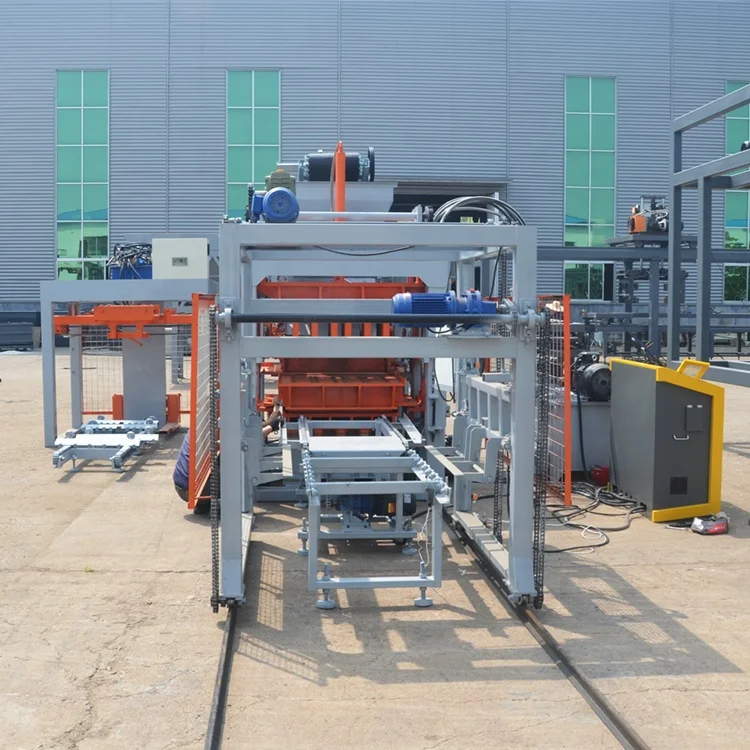
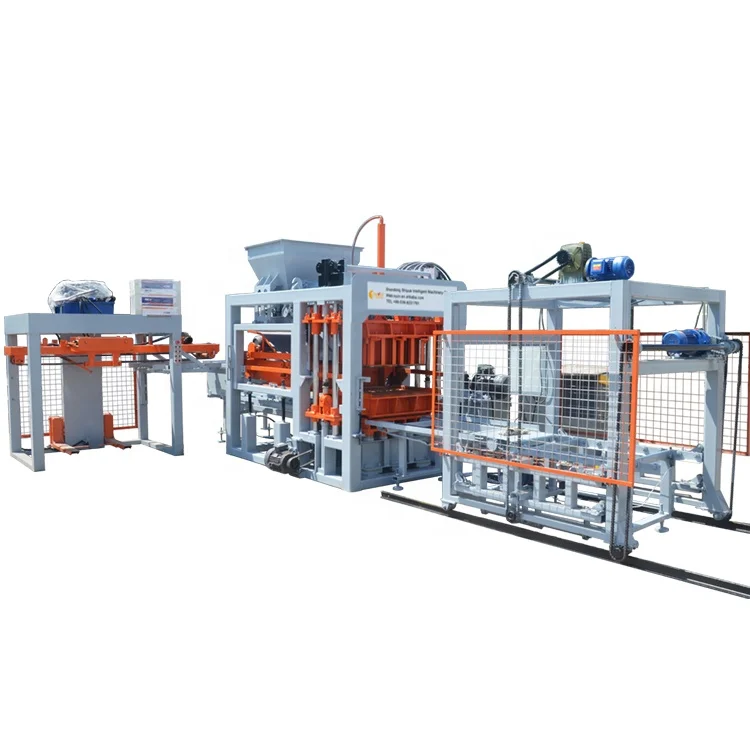
The machine, mould, pallet, and handling equipment are specified as one matched system from a single source, so the pallet size, hydraulic pressure, and vibration parameters are all set against your target block format rather than pulled from a catalogue default. Configuration is confirmed against your actual mix design and local aggregate before production begins — including the PLC display language, voltage, and frequency — so the control system speaks your operator’s language the moment power is applied. Mould design covers the formats your market actually sells, with custom drawings available when standard options do not match. The automation level is selectable, meaning you can start with the QT6-15 PLC-controlled press and add automatic pallet feeding, stacking, and cubing as your output grows. Installation support includes on-site commissioning and operator training so your crew can run the fault diagnosis system independently from the first shift.
Documentation & Verification
- Capacity calculation document stating the block format assumed for each output figure
- Voltage, frequency, and PLC display language confirmation signed off before production
- Machine specification sheet with hydraulic and electrical schematic for local maintenance teams
- Mould drawing and format list confirming cycle time per format and pallet size match
- Factory test record demonstrating moulding cycle and block dimensions on your mix design
- Operation and maintenance manual with fault diagnosis code list in your operator’s language
Installation, Commissioning & Support
- Foundation plan matched to the 8200 × 1700 mm footprint and 7 T operating mass of the QT6-15
- Dedicated 37 kW circuit with voltage and frequency verified against your local grid before dispatch
- Machine shipped in dismantled state with reassembly sequence documented in the installation manual
- First-run commissioning includes PLC recipe setup for your target hollow block and paver formats
- Operator training covers touch-screen navigation, recipe recall, and fault diagnosis code interpretation
- Wear parts list with hydraulic seals and vibration motor brushes identified for first reorder cycle
What We Need to Size Your QT6-15 Line Correctly
Send us the block formats you sell today and the ones you plan to add, along with your target daily output per format. Include your local aggregate type, typical mix proportions, and available curing area dimensions so we can match the 880 × 850 mm pallet to your existing racks and handling equipment. Confirm your site voltage, frequency, and preferred PLC display language so the control system is built to your specification before the machine enters production.
Frequently Asked Questions
Q: How is the output capacity verified, and which block format does each figure assume?
A: Every output figure in the specification table is tied to a specific block dimension and mould cavity count — for example, 1080–1440 pieces per hour is rated on the 400×200×200 mm hollow block at 6 pieces per mould. We provide a capacity calculation document that states the assumed format, cycle time, and moulding conditions so your production plan is based on your actual product mix.
Q: Can the PLC display language be configured before shipment?
A: Yes. The touch-screen HMI language is confirmed in writing during the order stage, along with voltage and frequency, so the interface matches your operator’s language when the QT6-15 is powered on at your site. This prevents commissioning delays caused by unreadable menus and alarm codes.
Q: What voltage and frequency options are available for the QT6-15?
A: The 37 kW electrical system is configurable to match your local three-phase supply. The exact voltage and frequency are confirmed and documented before production begins, and the transformer taps and motor ratings are set accordingly so no rewiring is needed on arrival.
Q: How does the built-in fault diagnosis system work in practice?
A: Sensors across the hydraulic station, vibration motor, and pallet feeder feed real-time data to the PLC. When a parameter drifts outside its set window, the touch screen displays a specific alarm code pointing to the affected component, allowing targeted maintenance during planned pauses rather than unplanned full-line stoppages.
Q: What is the upgrade path for pallet feeding, stacking, and cubing?
A: The QT6-15 PLC platform supports integration of automatic pallet feeding, stacking, and cubing modules as your output volume grows. The control architecture allows these additions without replacing the main controller, so you can start semi-automatic and move toward full automation on the same machine base.