


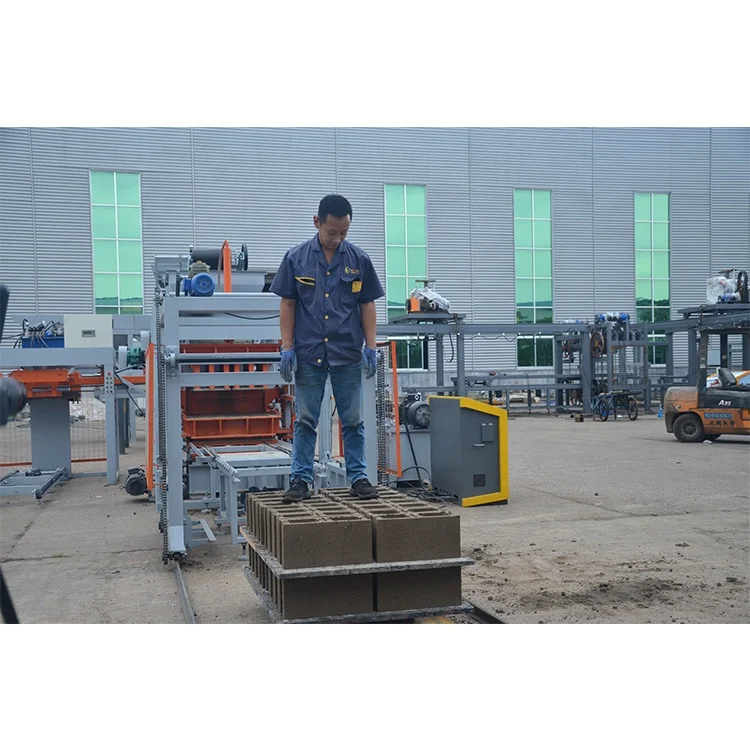
Description
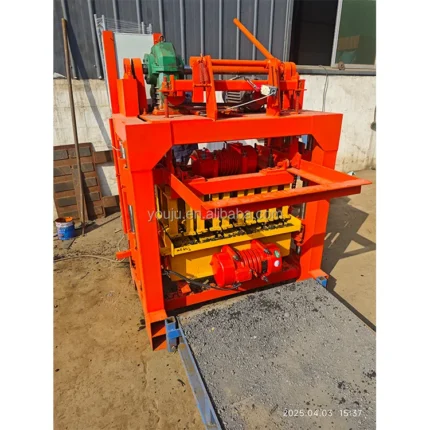
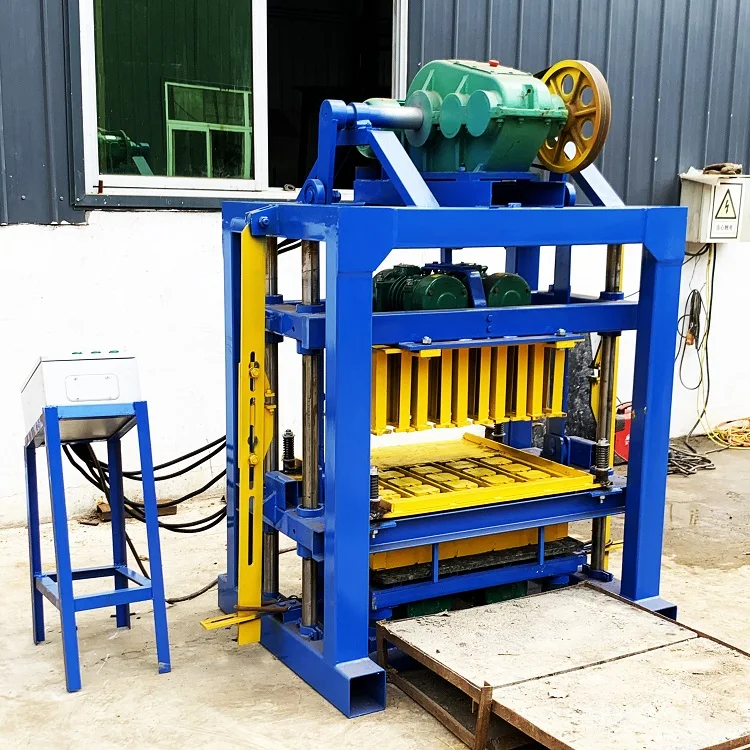
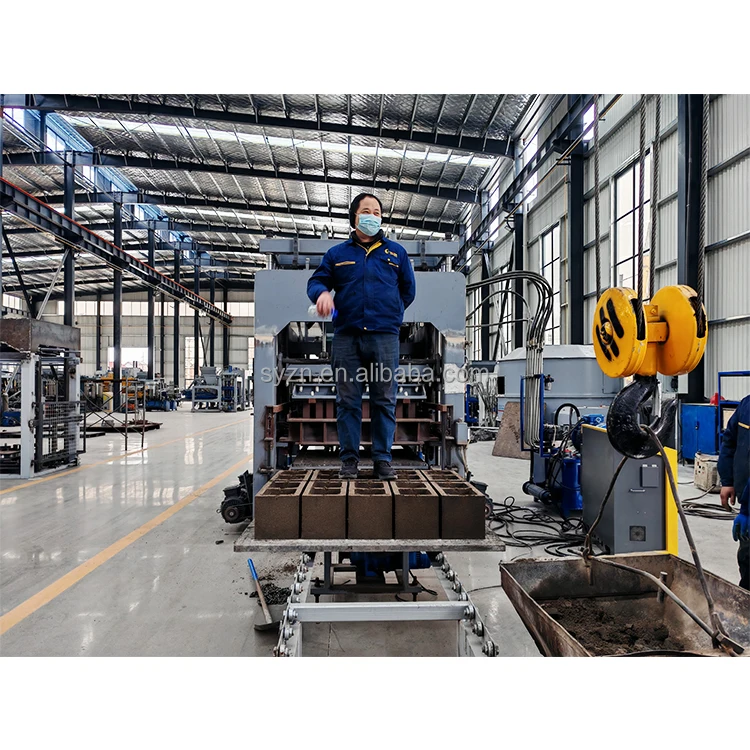
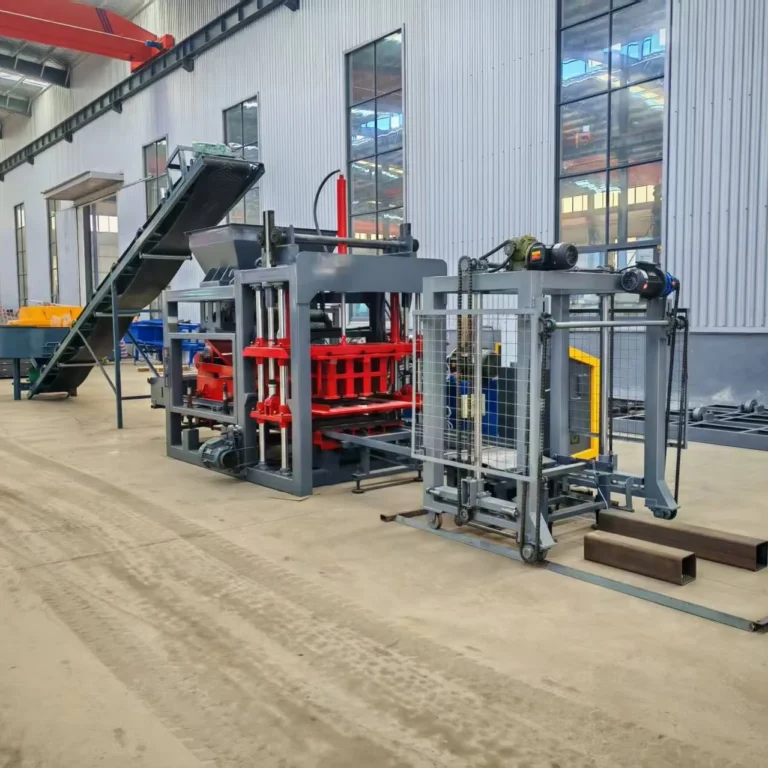
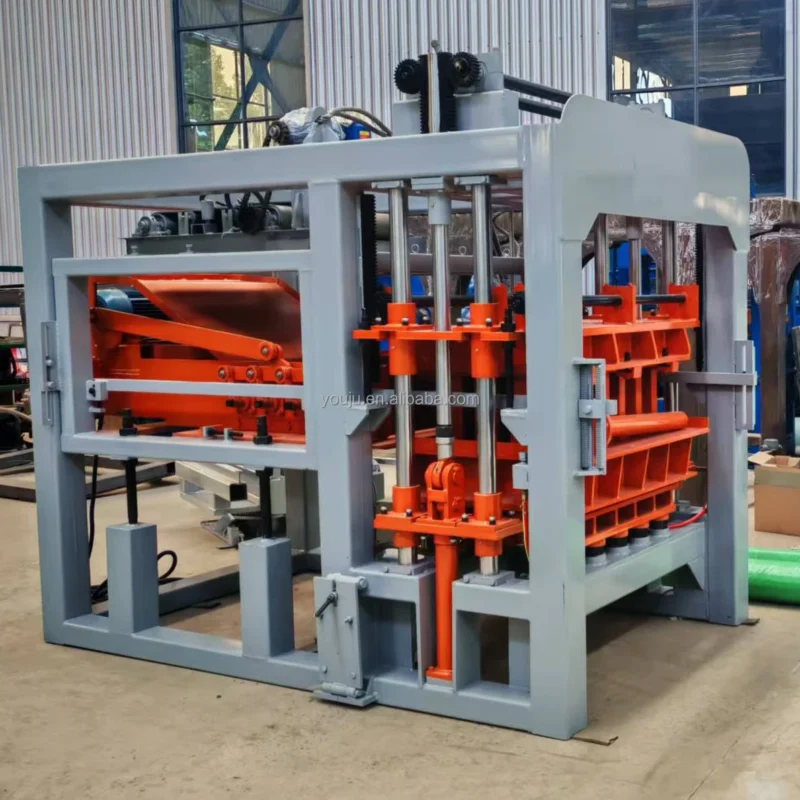
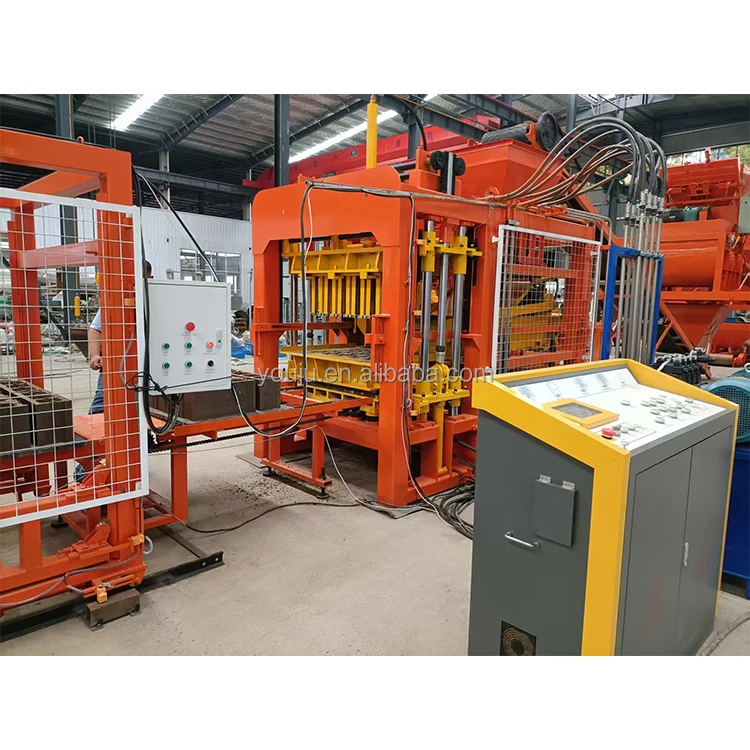
Smart Control Integration — the QT6-15 automatic QT6-15 block making machine PLC controlled system links mechanism, electricity, and hydraulics into one coordinated unit where the operator sets parameters and the press runs the cycle.
Technical Specifications
| Parameter | Value |
|---|---|
| Model | QT6-15 |
| Product Type | Hydraulic Automatic Concrete Block Making Machine |
| Overall Dimensions (L×W×H) | 7100 × 1500 × 3000 mm |
| Net Weight | 8700 kg |
| Rated Pressure | 21 MPa |
| Main Vibration Form | Platform vibration |
| Vibration Frequency | 4500–5100 r/min |
| Moulding Cycle | 15–25 s |
| Pallet Size | 880 × 850 mm |
| Overall Power | 31.25 kW |
| Control System | PLC intelligence control (human-machine dialogue) |
| Hydraulic Drive | Yes |
| Mould Change | Replaceable moulds for different concrete brick sizes |
| Automation Level | Fully automatic |
| Block Strength (Hollow Block) | 8–10 MPa |
| Block Strength (Solid Brick) | 10–20 MPa |
| Raw Material Consumption per Day | 150–190 T (basis to be confirmed) |
| Voltage & Frequency | To be confirmed before shipment |
| PLC Display Language | To be confirmed before shipment |
Application Suitability
| Application | Material or Output |
|---|---|
| Hollow block production | Cement, sand, crushed stone at 1:4:5 ratio |
| Solid brick production | Cement, sand, stone aggregate mix |
| Paving block production | Surface layer and base layer concrete via mould change |
| Fixed-plant concrete product manufacturing | Multiple block formats from one press station |
| Building material distributor product range | Hollow, solid, and paver formats on common pallet size |
What PLC Control Actually Removes from the Operator
The automatic QT6-15 block making machine PLC controlled system takes over cycle timing, pressure sequencing, and vibration duration so the operator monitors rather than intervenes.
When a block press relies on manual valve operation or relay-based timers, every shift brings variation in pressing force and vibration time. Batch-to-batch strength drifts because one operator holds the vibration two seconds longer than the next. With PLC logic governing each stage of the moulding cycle, the press executes identical sequences regardless of who stands at the panel [NEED_CITE: PLC control standards in concrete block manufacturing]. I have watched semi-automatic lines where the second shift consistently produced weaker blocks simply because the operator skipped the full vibration stage to keep up with pallet feeding.
From Manual Pallet Handling to Coordinated Line Cycling
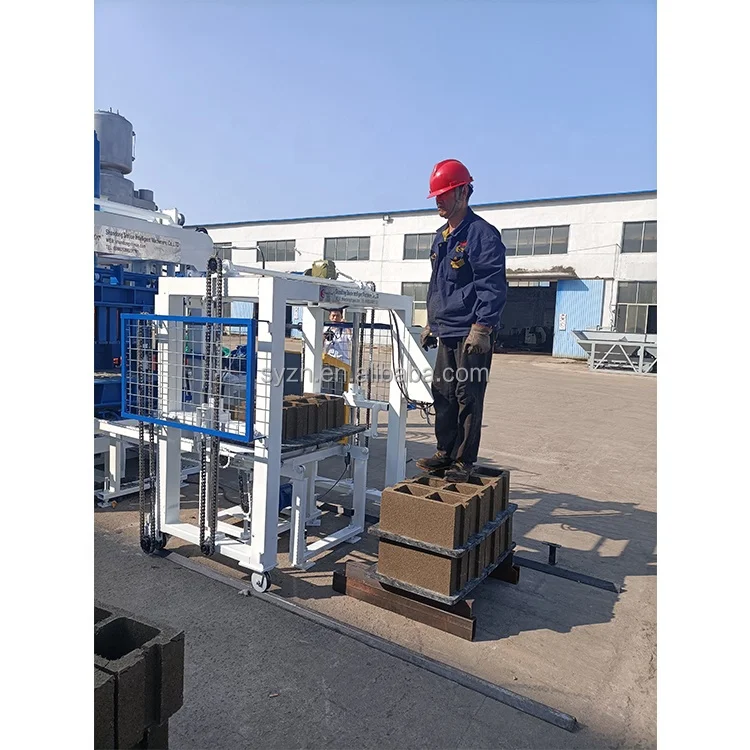
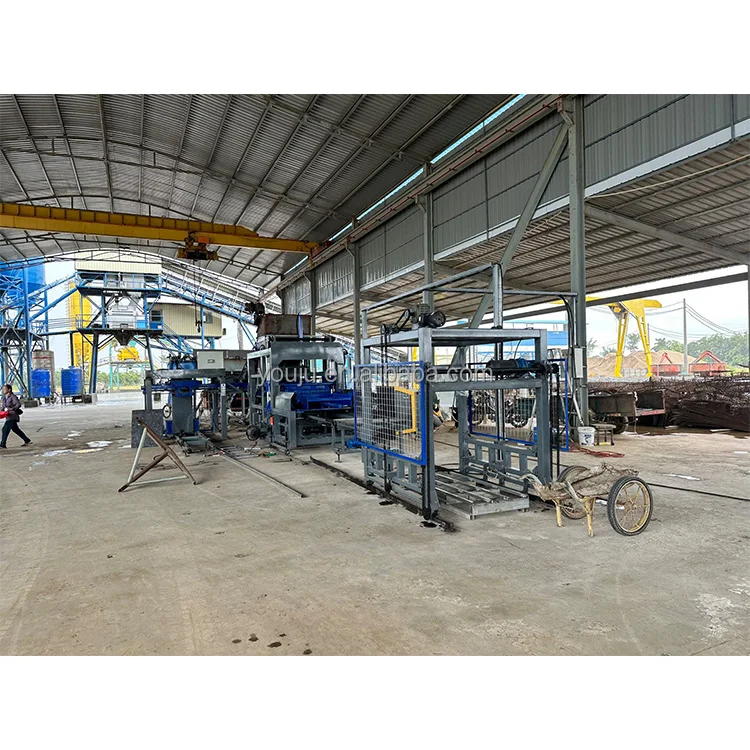
The automatic QT6-15 block making machine PLC controlled architecture coordinates raw material feeding, pressing, and pallet discharge as one timed sequence. When the pallet feeding station, the press cycle, and the discharge conveyor share a single control logic, the press never waits for a pallet and the wet blocks never sit under the mould too long. This coordination is where cycle time claims either hold up or fall apart in practice.
Fault Diagnostics Without Waiting for a Technician
Human-machine dialogue on the panel means the PLC reports which sensor or valve triggered a stop. Instead of calling a technician to trace wiring, the operator reads the fault code and checks the indicated component. Remote parameter adjustment capability allows support teams to review settings without being on-site, cutting downtime from days to hours when commissioning or adjusting to a new mix [NEED_CITE: remote diagnostics capability in industrial PLC systems].
Reading the Numbers That Matter
The 21 MPa rated pressure combined with platform vibration at 4500–5100 r/min determines how densely the concrete is compacted inside the mould cavity. Higher vibration frequency alone does not guarantee block strength if the hydraulic pressure is insufficient to hold the mix against the mould walls during compaction. The 15–25 second moulding cycle range reflects format variation — a thin paver cures faster in the mould than a tall hollow block. Pallet size of 880 × 850 mm must match the curing racks and forklift tines already in the buyer’s yard; specifying the wrong pallet dimension means replacing the entire handling fleet after arrival. Overall power of 31.25 kW requires a dedicated circuit with correct voltage and frequency confirmation before the machine leaves the factory.
The Cost of Skipping Language and Voltage Confirmation
One shipment arrived with a PLC display in a language the local operators could not read. The machine sat idle for days while translated parameter sheets were prepared. Voltage mismatch is equally costly — a 50 Hz motor running on 60 Hz power draws different current and overheats within the first production run [NEED_CITE: voltage and frequency standards by export market]. These are not engineering failures; they are communication failures at the order stage that turn a working machine into dead weight on the factory floor.
Why Source Through This Configuration Approach
Block machinery is the single focus here, so the press, mould, pallet, and handling equipment are specified as one matched system rather than assembled from separate vendors. Configuration is set against the buyer’s actual mix design and local aggregate, not pulled from a catalogue default. Mould design covers the formats the buyer’s market actually sells, with custom drawings available when standard moulds do not match. Automation level is selectable — a buyer can start with semi-automatic pallet handling and add automatic stacking later as production volume grows. Installation includes on-site commissioning with operator training so the PLC parameters are verified against real production conditions, not just factory test settings.
Documentation & Verification
- Machine specification sheet listing confirmed pallet size and moulding cycle per format
- Voltage, frequency, and PLC display language confirmation sheet signed before production
- Hydraulic and electrical schematic for local maintenance team reference
- Factory test record demonstrating cycle time and block strength against buyer’s mix
- Mould drawing and format list showing all producible block dimensions
- Wear parts and mould replacement list with part numbers for reordering
Installation, Commissioning & Support
- Foundation must accommodate 7100 × 1500 mm footprint with level tolerance for platform vibration
- Dedicated power circuit rated for 31.25 kW total draw at confirmed voltage and frequency
- Machine arrives partially assembled; hydraulic lines and PLC panel connected on-site
- Commissioning includes moulding cycle verification at 15–25 s range with buyer’s raw material
- Operator training covers PLC fault code reading and mould change procedure
- Wear parts inventory recommended for hydraulic seals and vibration components at first reorder
What to Include in Your Inquiry
Share the block formats your market actually buys and the daily volume you need to hit. Tell us the raw materials available locally — cement type, sand grading, aggregate size — so the vibration and pressure settings match your mix. Confirm the voltage and frequency at your site, the PLC display language your operators read, and whether automatic stacking is needed now or can be added in a later phase.
Frequently Asked Questions
Q: How is daily output verified for the QT6-15?
A: Output depends entirely on which block format is running and the moulding cycle achieved with your specific mix. A capacity calculation document states the assumed block size, cycle time, and shift hours so you can check the figure against your own production target before committing to the order.
Q: What PLC display language options are available?
A: The display language is confirmed during the ordering stage based on what your operators can read. The human-machine dialogue panel supports multiple languages. Remote parameter adjustment is possible when connectivity is available at the installation site.
Q: How does full automation change labour requirements on the line?
A: PLC-controlled cycling removes manual valve operation and cycle timing from the operator. Pallet feeding, pressing sequence, and discharge run as one coordinated process. The operator monitors the panel and handles mould changes rather than controlling each press stroke manually.
Q: Can the automation level be upgraded after initial installation?
A: Yes. A semi-automatic pallet handling setup can transition to automatic stacking and cubing as production volume grows. The PLC architecture supports adding these stations without replacing the core press or control system.
Q: How are vibration force and hydraulic pressure matched to local materials?
A: Settings are configured against the buyer’s actual aggregate type, sand grading, and cement ratio rather than a default catalogue value. The factory test uses the confirmed mix to verify that the 21 MPa pressure and vibration frequency produce target block strength.