
Description
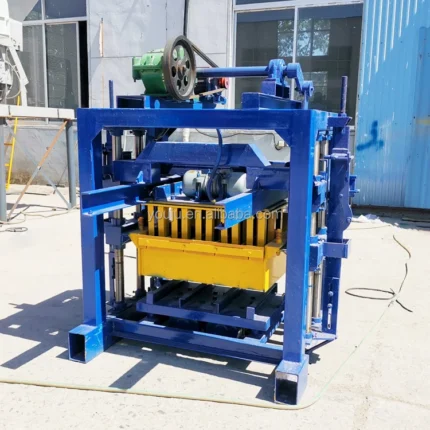
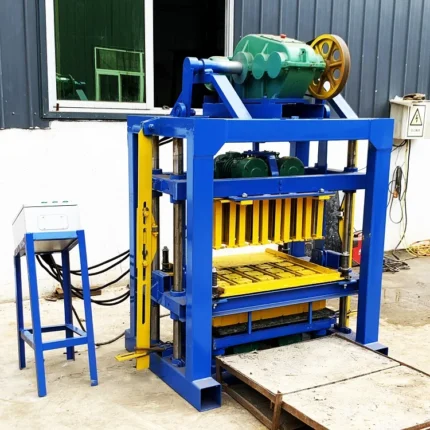
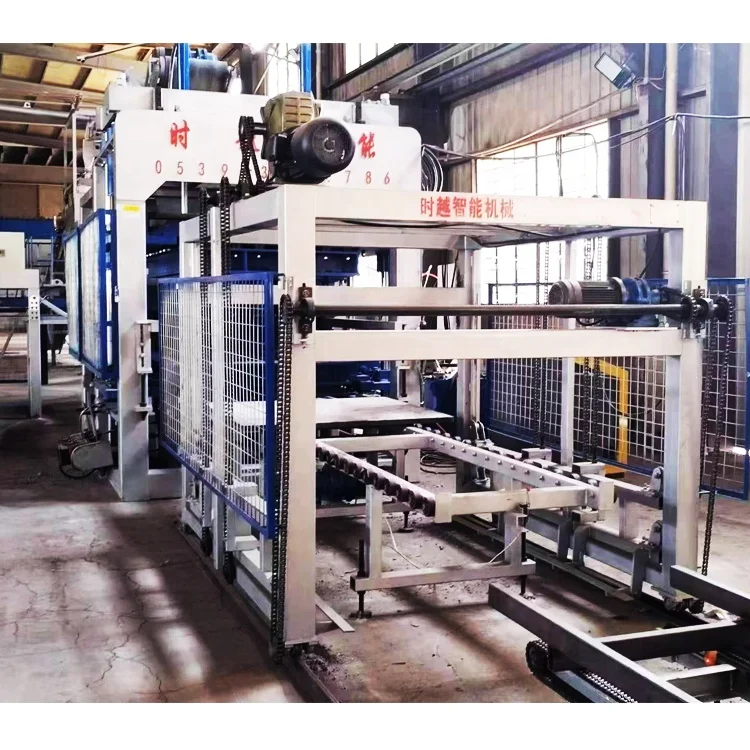
Automation upgrade path defined upfront — the QTF3-20 ships as a semi-automatic press with PLC-monitored hydraulics and vibration, and every pallet feeder, stacker, and cubing station is pre-engineered so you can add them later without rewiring the control cabinet.
Technical Specifications
| Parameter | Value |
|---|---|
| Model | QTF3-20 |
| Product Type | Stationary Block Machine |
| Overall Dimensions | 4000 × 3500 × 2300 mm |
| Total Mass | 2870 kg |
| Vibration Form | Platform Vibration |
| Total Power | 17.5 kW |
| Control System | Semi-Automatic (upgrade path to full automation available) |
| Capacity | 4320 pcs/day (basis not stated in source — confirm block format / material / thickness) |
| Raw Material Compatibility | Cement, Sand, Fly Ash, Coarse aggregate, Slag |
| Layer System | Double layer (raw material + color surface material) |
| Frame Construction | #12 U-bar welding, overall frame structure |
| Monitoring | No-contact proximity switch |
| Electrical & Hydraulic Components | Imported from Germany or Chinese famous brands |
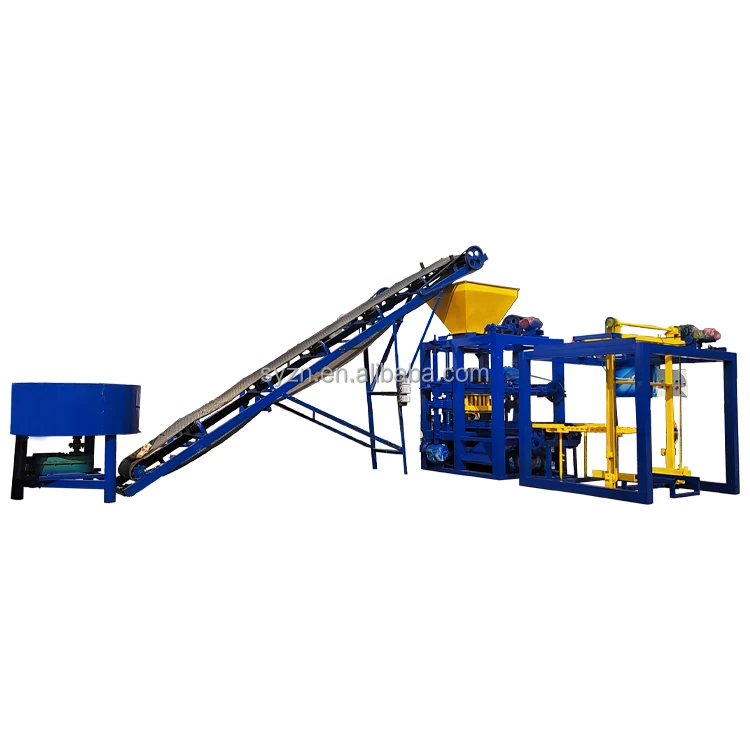
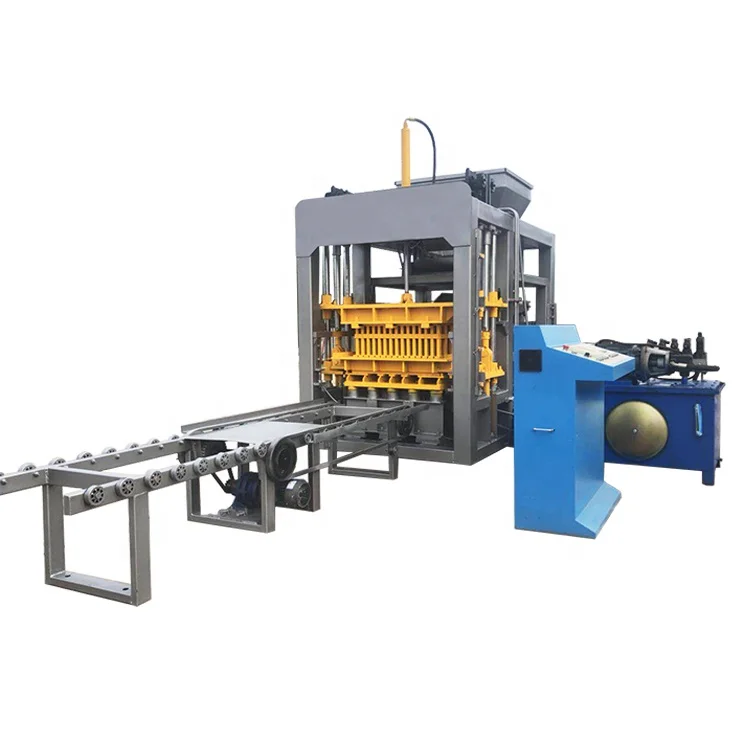
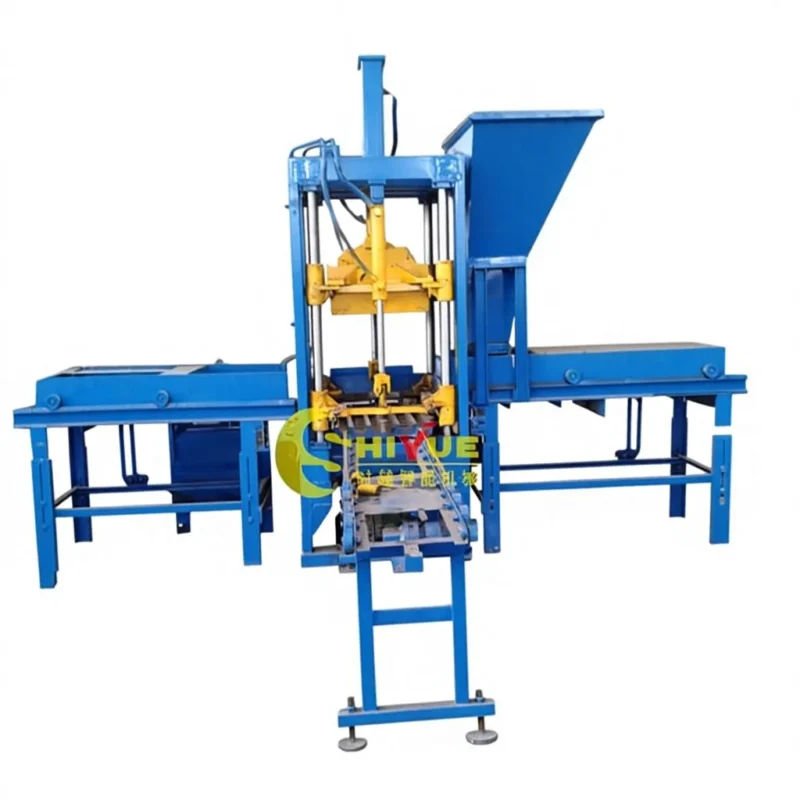
| Line Composition | Host machine, material feeding machine, color material machine, pallet feeder, block conveyor, hydraulic station, electricity box |
| Compatible Mixer | JQ350 mixer, 8-meter conveyor belt |
Application Suitability
| Application | Material or Output |
|---|---|
| Hollow block production for load-bearing walls | Cement, sand, and coarse aggregate mixes |
| Color paver manufacturing for landscaping | Double-layer feed with surface color material over base concrete |
| Interlocking brick for retaining walls and slopes | Fly ash or slag blended with cement binder |
| Porous brick for permeable pavement | Open-graded aggregate with controlled cement ratio |
| Park grass brick for environmental projects | Coarse aggregate and cement with large void geometry |
| Standard solid brick for general masonry | Dense sand-cement mix at high vibration and pressure |
What "Semi-Automatic" Actually Means on the Control Panel
Semi-automatic on the QTF3-20 means the PLC runs the press cycle, but pallets still move by hand.
Many buyers assume "PLC controlled" means the whole line runs itself. On this machine, the automatic stationary block machine PLC controlled logic handles vibration timing, hydraulic pressure sequencing, and mold head movement through no-contact proximity switches. What it does not cover in the baseline configuration is pallet feeding, green block stacking, or cured block cubing. Those stations remain manual unless you specify the upgrade package. I have seen plant owners arrive at commissioning expecting fully automated pallet handling, only to realize the quotation covered the press alone [NEED_CITE: automation scope definitions in block machinery quotations]. Defining which stations are manual and which are automated before production starts avoids that conversation on the factory floor.
From Press Cycle to Full Line Logic
The QTF3-20 PLC monitors each press cycle through proximity switches that confirm mold position, vibration duration, and hydraulic pressure before the next step triggers. This baseline control removes timing guesswork from the operator and keeps block density consistent across shifts. When you add automatic pallet feeding later, the PLC already has the I/O architecture to accept those signals without a cabinet swap.
Double-Layer Color Feed in a Single Cycle
The color material machine sits alongside the main material feeding machine, allowing the QTF3-20 to lay a base concrete layer and a pigmented surface layer in one press cycle. This means color pavers and architectural face brick come off the line with a finished surface without a secondary coating step. The double-layer system draws from two separate hoppers, so mix proportioning for the wear layer stays independent from the structural base.
Frame Rigidity Under Continuous Vibration
The #12 U-bar welded frame carries the platform vibration loads across the full 4000 mm length without localized stress points. On lighter frames, continuous vibration loosens weld joints over months of production, shifting mold alignment and producing tapered blocks [NEED_CITE: vibration fatigue in block machine frame structures]. The overall frame structure on the QTF3-20 distributes those forces so mold registration holds through the production run.
How Hydraulic Pressure and Vibration Shape Block Density
Platform vibration compacts the mix from below while hydraulic pressure pushes the mold head down from above. The balance between these two forces determines whether a hollow block reaches its target compressive strength or crumbles at the demolding stage. On the QTF3-20, the hydraulic station and vibration motor are tuned together against the buyer’s specific mix design and local aggregate gradation. A fly ash mix requires different pressure and vibration timing than a coarse crushed stone mix, and setting both parameters at commissioning rather than relying on catalogue defaults is what keeps block strength consistent pallet after pallet. Pallet size also enters this equation — choosing a pallet dimension that matches your existing curing racks and forklift avoids a bottleneck downstream of the press.
When the Voltage Question Gets Skipped
Voltage, frequency, and PLC display language are three parameters that must be locked before the electricity box is wired. I once flew to a site where the machine sat idle because the local supply was a voltage and frequency combination the electrical cabinet was not built for. Three weeks of on-site rewiring later, the plant finally started. The PLC display language on that machine was also wrong — every fault code and cycle prompt appeared in a language the operators could not read, which turned a simple proximity switch adjustment into a day-long troubleshooting session [NEED_CITE: voltage and frequency standards by export market]. Confirming these three items in writing before production prevents that exact scenario.
Why Source the Press and the Line from One Builder
The QTF3-20 is configured as part of a matched system — host machine, material feeder, color machine, pallet feeder, conveyor, hydraulic station, and electricity box are specified together so cycle times align across every station. Mix design drives mold selection, and mold selection drives the vibration and pressure settings on the press, so treating these as one decision rather than separate purchases keeps the output consistent. Automation level is selectable, meaning a buyer can commission the QTF3-20 in semi-automatic mode and add pallet feeding, stacking, and cubing stations as volume grows. Installation support includes operator training on the PLC interface and mold change procedure, and mold and wear parts supply continues after commissioning.
Documentation & Verification
- Line layout and capacity calculation stating the exact block format and mix assumed
- Machine specification sheet with hydraulic and electrical schematic for the QTF3-20
- Voltage, frequency, and PLC display language written confirmation before production begins
- Factory test record run on the buyer’s target block format before dispatch
- Wear parts and mold list with part numbers for reorder reference
- Operation and maintenance manual covering daily lubrication and proximity switch checks
Installation, Commissioning & Support
- Foundation pad sized to the 4000 × 3500 mm footprint with anchor bolt template supplied
- Dedicated circuit rated for the 17.5 kW total power draw with correct voltage and frequency
- Host machine and hydraulic station shipped dismantled for container loading, reassembled on site
- PLC parameters set to match buyer’s mix design and target block format at first startup
- Operator training on mold change procedure, proximity switch calibration, and fault code reading
- Spare proximity switches and hydraulic seals included in the first shipment wear parts kit
What to Include in Your Inquiry
To size the QTF3-20 correctly, provide your target block formats with dimensions, the daily output you need per format, and the local raw materials you plan to use including aggregate type and cement source. Confirm your site voltage, frequency, and the language you need on the PLC display. If you already have curing racks and forklifts, send the pallet dimensions they accept so the pallet feeder is matched from day one.
Frequently Asked Questions
Q: How do I verify the 4320 pcs/day capacity against my specific block format?
A: That figure depends on block dimensions, mix design, and shift length, none of which are stated in the baseline data. We calculate capacity per format using your target block size and the cycle time that your mix requires under vibration and pressure. The confirmed number appears in your line layout before you place the order.
Q: What does the semi-automatic system include, and what does full automation add?
A: Semi-automatic means the PLC runs the press cycle — vibration, hydraulic pressure, and mold movement. Pallet feeding, stacking, and cubing remain manual. The upgrade path adds those stations with pre-wired PLC connections so you can expand without replacing the electricity box.
Q: How are voltage, frequency, and PLC language confirmed before shipment?
A: We require written confirmation of all three before wiring the electricity box. Your local supply voltage and frequency dictate transformer and motor selection, and the PLC display language is loaded to match your operators. This is signed off during the quotation stage.
Q: Can the double-layer color system be added later if I start with single-layer?
A: The color material machine is a separate station in the line composition. If you start without it, the mounting points and PLC I/O remain available on the QTF3-20. Adding the color feed system later requires the hopper, feeder, and a PLC program update rather than a press modification.
Q: What tasks does the operator still perform under semi-automatic mode?
A: Under semi-automatic control, the operator loads pallets onto the feeder, moves green blocks to the curing area, and handles manual stacking. The PLC manages the press cycle itself, so the operator is not timing vibration or pressure manually. Adding automation removes the pallet and stacking tasks.