Description
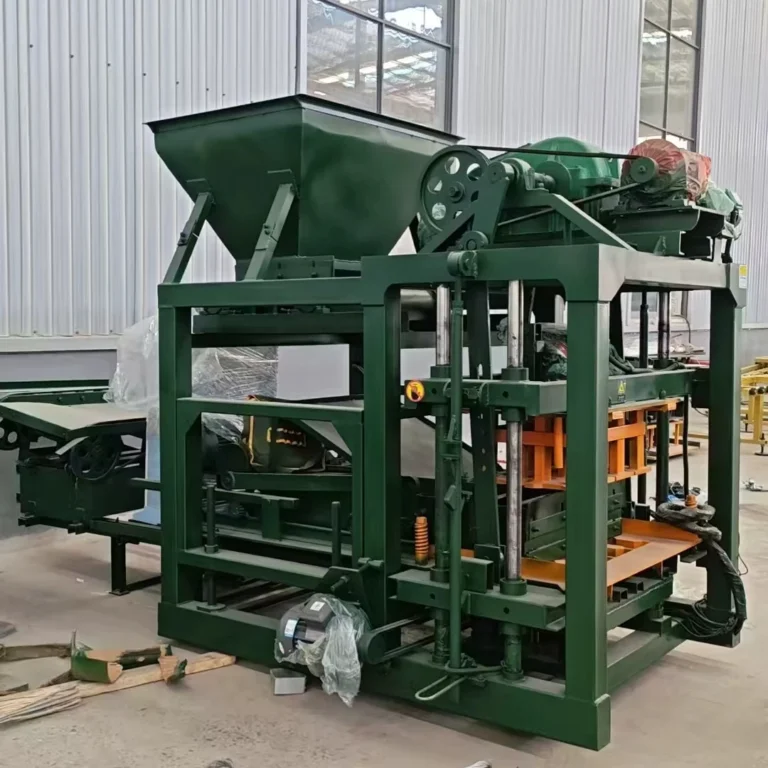
Precision vibration tuning — the QTJ4-24 calibrates its 45KN dual-vibration system against your actual mix design and local aggregate rather than relying on catalogue defaults, ensuring consistent block density from the first cycle to the last.
Technical Specifications
| Parameter | Value |
|---|---|
| Model | QTJ4-24 |
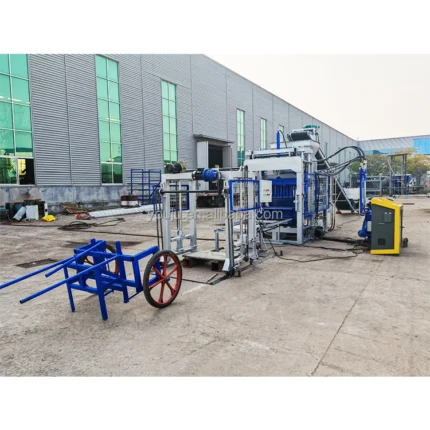
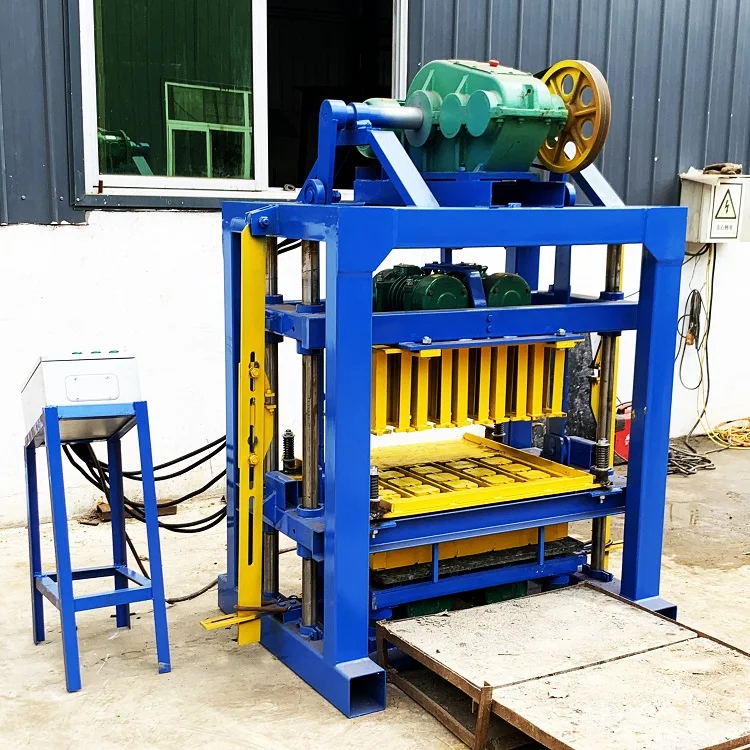
| Product Type | Automatic Small Cement Brick Making Machine |
| Overall Dimensions (L×W×H) | 3600 × 1700 × 2560 mm |
| Pallet Size | 850 × 450 mm |
| Molding Cycle | 24–26 s (basis not stated in source) |
| Overall Power | 11.95 kW |
| Vibration Force | 45 KN |
| Total Mass | 2 T |
| Vibration System | 2 × 3 kW lower vibrators + 2 × 1.5 kW upper vibrators |
| Reducer Type | 350-type for mold lifting |
| Material Distribution | Full-automatic spiral feeder |
| Molding Method | Mechanical with integrated pressure |
| Raw Materials | Cement, sand, stone aggregates |
| Automation Level | Semi-automatic, PLC-ready configuration |
| Standards | CE compliant (verify against manufacturer catalog) |
Application Suitability
| Application | Material or Output |
|---|---|
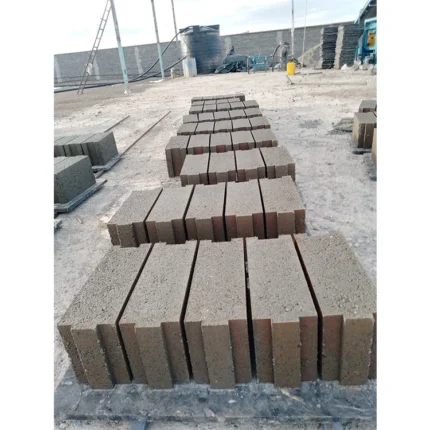
| Hollow brick production for residential wall construction | Cement, sand, and crushed stone blends |
| Solid block manufacturing for load-bearing structures | Standard concrete mixes with local aggregates |
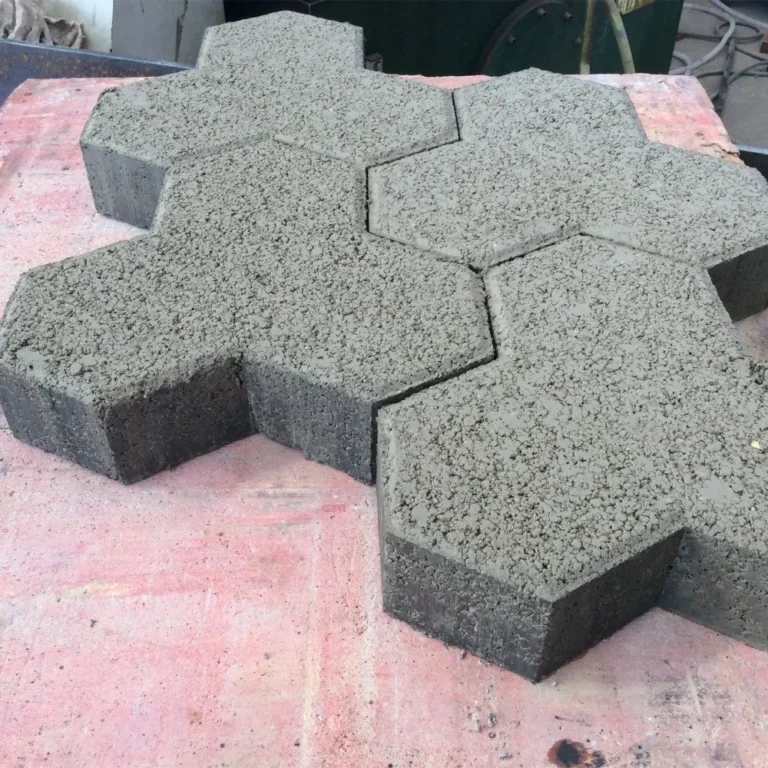
| Paving brick and interlocking brick for driveways and walkways | High-strength cement-aggregate formulations |
| Small-scale cement brick enterprise start-ups | Mixed raw materials with variable gradation |
| On-site production for housing and development projects | Locally sourced sand and stone |
Why the PLC Language Question Must Be Settled Before Shipment
An automatic small cement brick making machine PLC controlled setup means nothing if the operator on the floor cannot read the screen. I once shipped a semi-automatic block press to a site in South America where the PLC interface defaulted to English, yet the production crew spoke only Spanish. The line sat idle for three days while I flew in to reconfigure the language pack — a delay that cost the buyer an entire production run and eroded confidence in the equipment before it ever made a single block.
When a control panel speaks the wrong language, operators hesitate to adjust cycle parameters, ignore alarm prompts, and ultimately bypass the PLC entirely by switching to manual mode. The automation you paid for becomes a costly decoration [NEED_CITE: PLC interface language requirements for exported industrial machinery]. Confirming display language, voltage, and frequency at the quotation stage — not at the packing stage — prevents commissioning standstills that affect both output schedules and equipment warranties.
How the Dual-Vibration Architecture Shapes Block Consistency
The QTJ4-24 places two 3 kW vibrators beneath the mould table and two 1.5 kW vibrators above it, creating a sandwich compaction effect. Lower vibrators drive aggregate settlement while upper vibrators eliminate surface voids, producing uniform density across the block cross-section. For an automatic small cement brick making machine PLC controlled environment, this arrangement lets the PLC regulate vibration duration and intensity to match the specific water-cement ratio and aggregate gradation of each batch.
From Semi-Automatic Today to Fully Automated Tomorrow
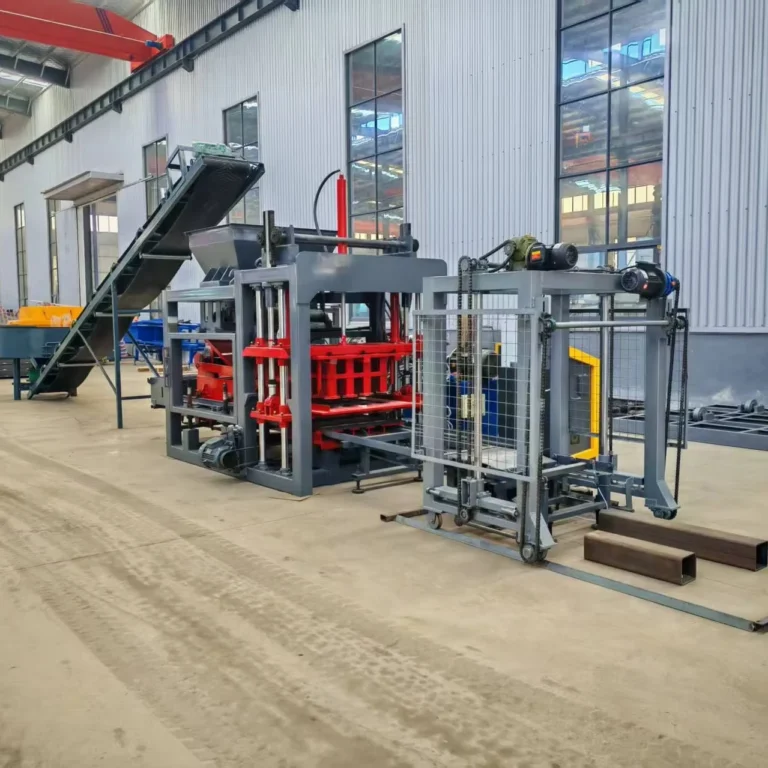
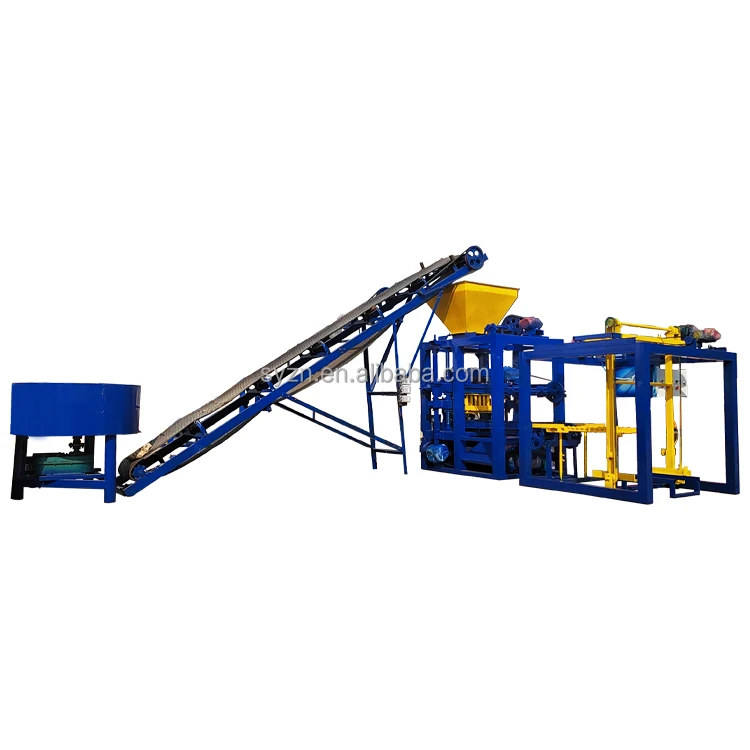
The semi-automatic configuration of this machine handles core pressing and spiral material distribution, while pallet feeding and output stacking remain manual. The control architecture, however, leaves room for future integration of automatic pallet feeders, stackers, and cubing stations. A plant owner can begin with reduced capital outlay, then add automation modules as production volume justifies the investment. This staged approach avoids the common trap of over-specifying on day one for a capacity the market has not yet demanded [NEED_CITE: phased automation adoption in small block plants].
What the Numbers on the Spec Sheet Actually Mean in Production
The 45 KN vibration force, delivered through four synchronized motors, determines how tightly aggregate particles pack inside the mould cavity. Higher compaction force generally yields greater compressive strength, but only if the mix design supplies enough fines to fill inter-particle gaps. The 350-type reducer on the mold lifting mechanism handles the repeated shock loading of a 24–26 second cycle without premature gear wear, which matters because mould lifting is the single most stress-intensive motion in the press sequence. Meanwhile, the 850 × 450 mm pallet dimension must align with the buyer’s curing rack spacing and forklift tine width — a mismatch here means either rebuilding the curing area or running custom pallets at higher cost. The full-automatic spiral material feeder ensures even fill distribution before vibration begins, reducing the density variance between the first block and the last in a run.
The Hidden Cost of Skipping Configuration Confirmation
When pallet size is chosen without checking the curing yard layout, buyers end up stacking blocks by hand because their existing forklifts cannot accommodate the delivered pallets. When voltage and frequency are assumed rather than verified, motors burn out within weeks under mismatched supply, and PLC boards fail without triggering meaningful diagnostics. These are not theoretical risks — they appear repeatedly in post-installation service calls across export markets [NEED_CITE: common commissioning failures in exported block making equipment]. Every hour spent troubleshooting a configuration mismatch is an hour of lost production that the buyer absorbs, not the supplier.
Why Buyers Source This Machine Through Our Channel
Block machinery remains the single focus across every configuration conversation, meaning the QTJ4-24 is specified as one matched system — press, mould, pallet, and handling — rather than assembled from unrelated suppliers. The vibration force and pressure settings are calibrated against the buyer’s actual mix design and local aggregate, not left at factory defaults. Mould design covers the formats the buyer’s market actually purchases, with custom drawings available for non-standard shapes. The automation level is selectable, so a first-time entrepreneur can start semi-automatic and expand later. Installation support includes operator training that addresses both machine operation and routine maintenance, reducing dependence on remote troubleshooting after handover.
Documentation & Verification
- Line layout with capacity calculation specifying the exact block format assumed for cycle time
- Machine specification sheet covering power ratings, vibration force, and pallet dimensions
- Mould drawing and format list confirming compatibility with your target brick types
- Voltage, frequency, and PLC display language confirmation signed before production begins
- Factory test record documenting output on your specified raw material blend
- Operation and maintenance manual with wear parts list and replacement intervals
Installation, Commissioning & Support
- Foundation plan accounts for the 3600 × 1700 mm footprint and 2 T operating mass of the QTJ4-24
- Dedicated electrical circuit sized for the 11.95 kW total power draw with confirmed voltage and frequency
- Machine shipped in dismantled configuration with labelled components for straightforward on-site reassembly
- First-run commissioning includes vibration parameter tuning to match your local aggregate and mix design
- Operator training covers PLC navigation, mould changeover procedure, and daily inspection checkpoints
- Wear parts catalogue and mould replacement schedule provided with recommended spare inventory levels
What We Need From You to Prepare a Quotation
Send us the block formats your market demands — hollow, solid, paving, interlocking — along with the daily output volume you plan to sustain. Share your local aggregate type and gradation so we can calibrate vibration settings before the machine leaves the factory. Confirm your site voltage, frequency, and preferred PLC display language to eliminate commissioning delays. If you already have curing racks and forklifts on site, provide their dimensions so we can verify pallet compatibility.
Frequently Asked Questions
Q: How is the 24–26 second molding cycle verified, and which block format does it assume?
A: The cycle time is measured under factory test conditions, but the specific block format, wall thickness, and material blend assumed for that figure must be confirmed with the manufacturer before quoting. Request a capacity calculation that names the exact block type so you can project realistic daily output for the formats your market actually sells.
Q: What PLC control options are available, and can the display language be customized?
A: The QTJ4-24 ships with a PLC-ready configuration supporting multiple interface languages. Display language, alarm text, and parameter labels are confirmed during the quotation stage and programmed before dispatch. This prevents the situation where operators cannot read prompts on the first day of production.
Q: Can I start with semi-automatic operation and add full automation later?
A: Yes. The control architecture supports future integration of automatic pallet feeding, stacking, and cubing modules. You begin with semi-automatic pressing and manual handling, then add automation stations as production volume grows, without replacing the core press or PLC.
Q: What vibration settings work best for my local aggregate and mix design?
A: Vibration force and duration should be matched to your specific water-cement ratio, aggregate gradation, and fines content. The 45 KN dual-layer system on this machine is adjustable through the PLC, and recommended parameters are established during factory testing with a sample of your raw materials.
Q: How are moulds and wear parts supplied after the initial purchase?
A: A complete wear parts list and mould catalogue accompany the machine at delivery. Replacement moulds and hydraulic wear components are manufactured to the same drawings as the originals, with lead times confirmed at order placement so you can schedule maintenance windows without unplanned downtime.