
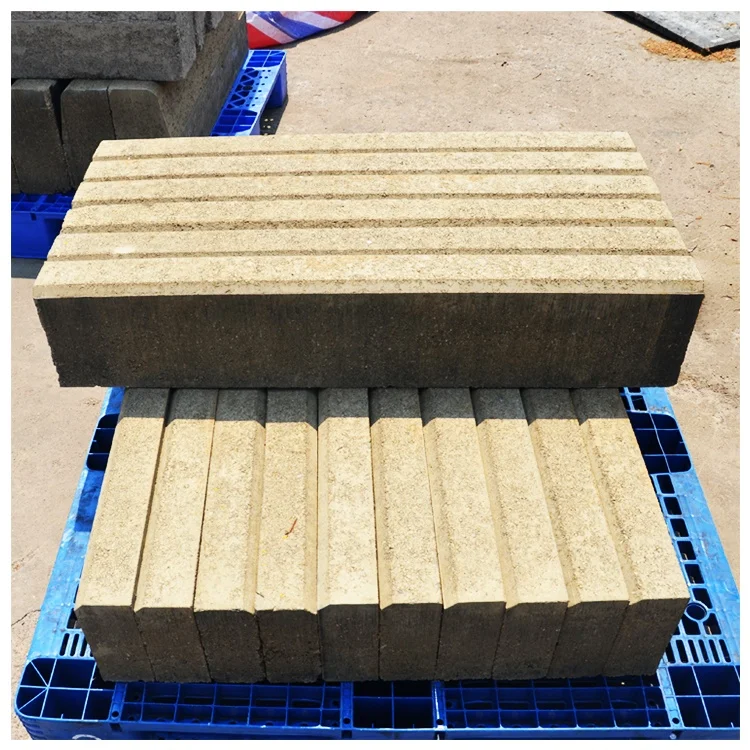


Description
Control Language Confirmed — every QT10-15 ships only after the PLC display language and site voltage are verified in writing, preventing the commissioning dead stops I have seen on Middle East projects.
Technical Specifications
| Parameter | Value |
|---|---|
| Model | QT10-15 |
| Product Type | Automatic Concrete Block Making Machine |
| Control System | PLC control cabinet |
| Hydraulic System | Independent integrated hydraulic station |
| Vibration Mode | Vertical station mode resonance, automatic FM-AM |
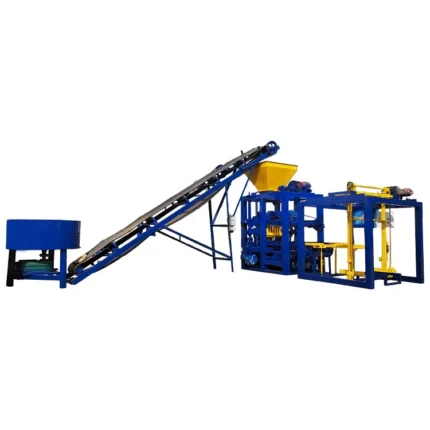
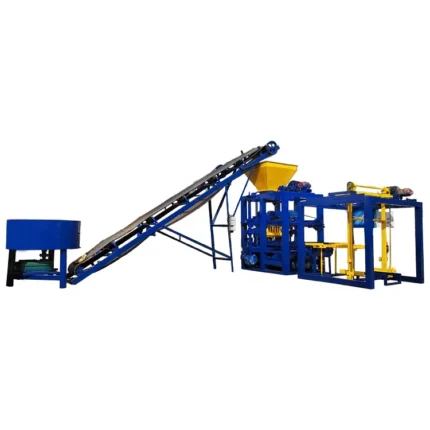
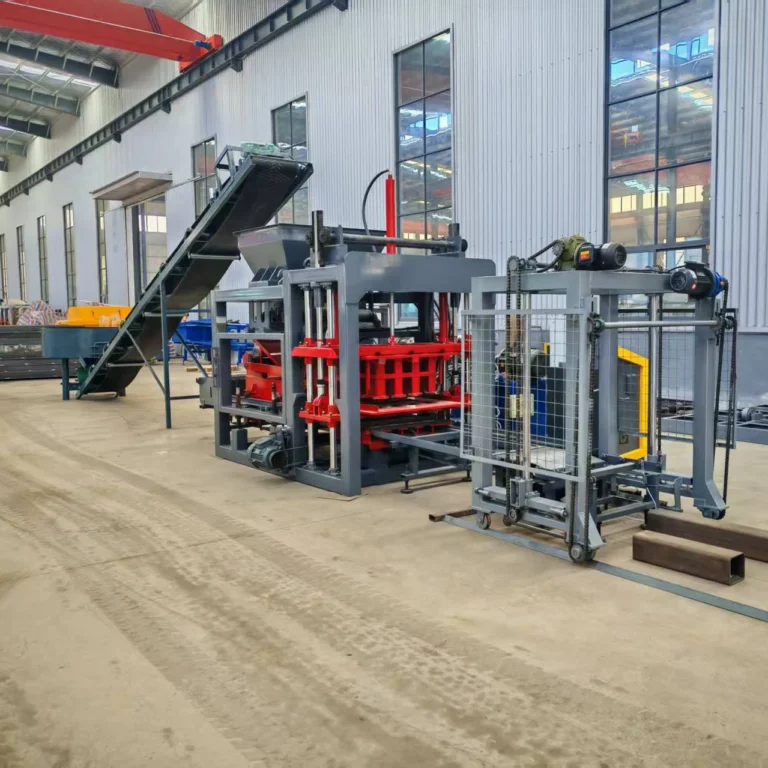
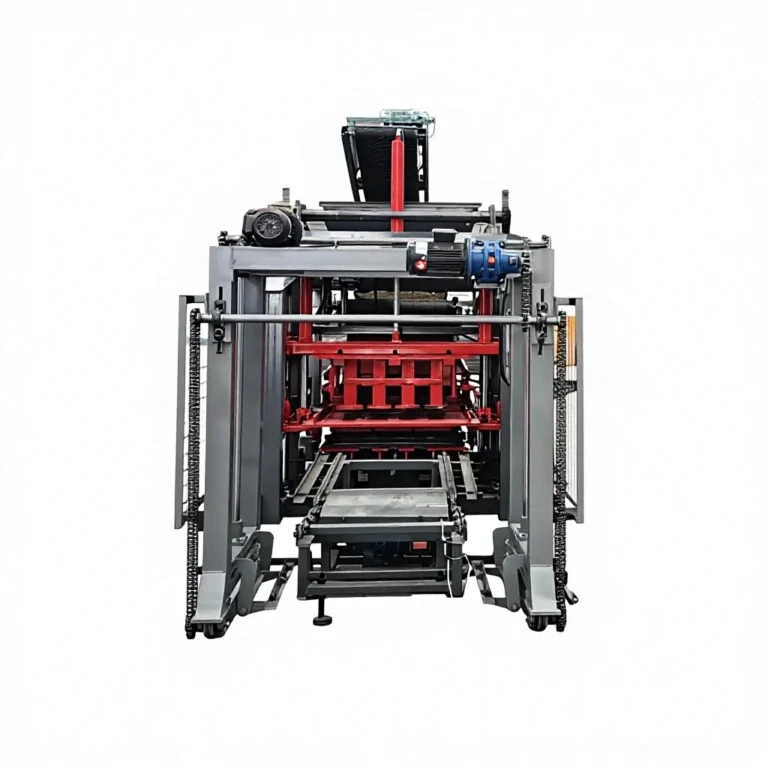
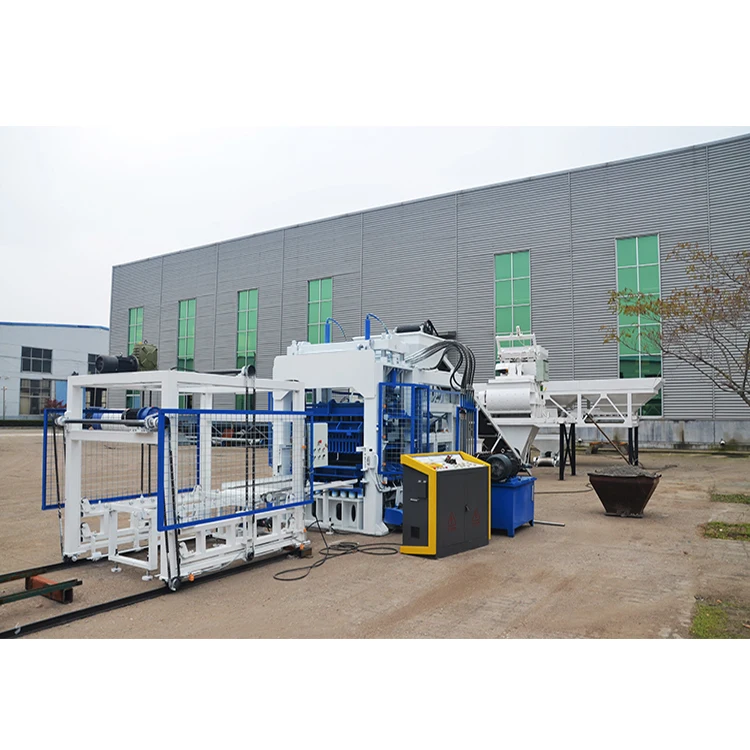
| Components Included | Pallet feed machine, block making machine, storage hopper, conveyor, hydraulic unit, PLC control cabinet |
| Mould Change | Quick replacement design (multi-function with one machine) |
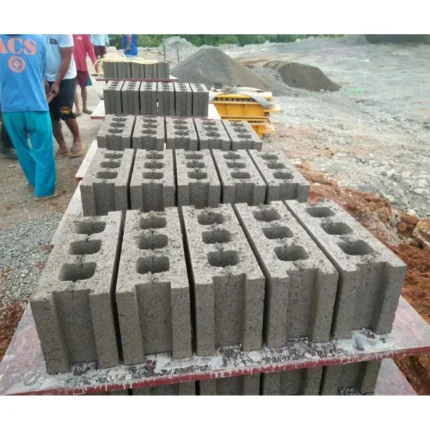
| Output Capacity (400×200×200mm hollow block) | 1,800–2,400 pcs/hour; 14,400–19,200 pcs/8hr (basis: 10 pcs/mould, 15–20s cycle) |
| Output Capacity (400×150×200mm hollow block) | 2,160–2,880 pcs/hour; 17,280–23,040 pcs/8hr (basis: 12 pcs/mould, 15–20s cycle) |
| Output Capacity (240×115×53mm standard brick) | 8,928–11,160 pcs/hour; 71,424–89,280 pcs/8hr (basis: 62 pcs/mould, 15–20s cycle) |
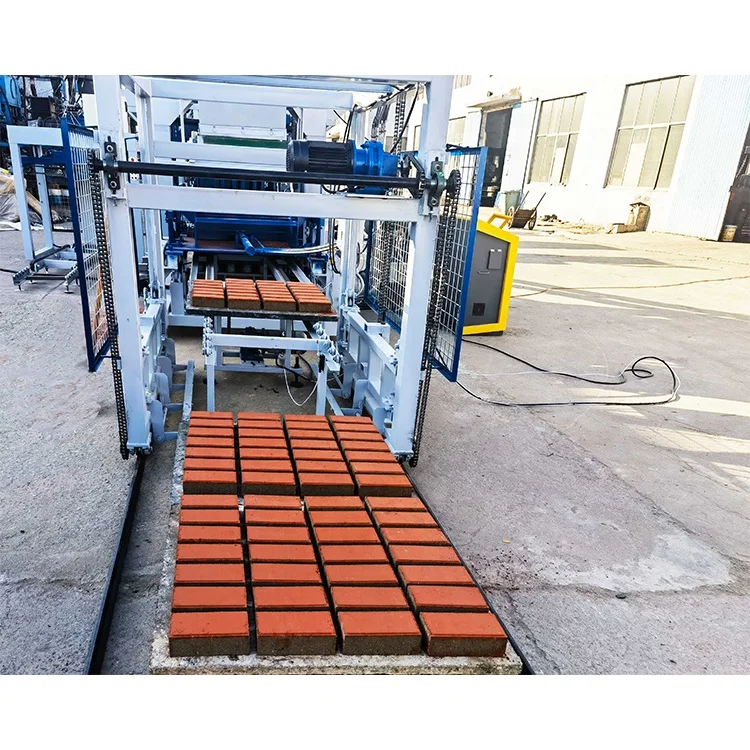
| Output Capacity (200×100×60mm paving block) | 5,184–6,480 pcs/hour; 41,472–51,840 pcs/8hr (basis: 27 pcs/mould, 20–25s cycle) |
| Output Capacity (225×112.5×60mm paving block) | 4,032–5,040 pcs/hour; 32,256–40,320 pcs/8hr (basis: 24 pcs/mould, 20–25s cycle) |
| Cycle Time (hollow block) | 15–20s |
| Cycle Time (paving block) | 20–25s |
| Automation Level | Automatic (PLC controlled with pallet feed) |
| Assembly State | Factory assembled, requires on-site installation and commissioning |
| Warranty | 1 year for whole machine (excluding spare parts) |
| CE Standard | CE declaration where applicable |
| Rated Power | (basis to be confirmed) |
| Overall Dimensions | (basis to be confirmed) |
| Net Weight | (basis to be confirmed) |
| Pallet Size | (basis to be confirmed) |
| Hydraulic Pressure | (basis to be confirmed) |
| Vibration Force | (basis to be confirmed) |
| Stacking Method | (basis to be confirmed) |
| Mould Change Time | (basis to be confirmed) |
Application Suitability
| Application | Material or Output |
|---|---|
| Hollow block production | Crushed stone, cement, sand, and local aggregate blends for load-bearing and non-load-bearing walls |
| Multi-cellular brick production | Lightweight concrete mixes for partition walls and infill |
| Paving block production | High-density concrete for pedestrian and vehicular pavements |
| Standard solid brick production | Cement-bound aggregate for structural masonry |
| On-site construction block making | Project-specific formats produced locally to eliminate transport cost |
| Format expansion for existing plants | Quick mould changes enabling hollow block, paver, and brick from one press |
What "Automatic" Means When the Operator Cannot Read the Screen
The automatic QT10-15 block machine PLC controlled interface removes guesswork from pressing cycles only if the operator understands every alarm and prompt on the display.
I have watched a full day of commissioning evaporate because a QT10-15 arrived with an English-only PLC while the local crew spoke Arabic. The hydraulic station ran fine; the vibration cycle was correct; the pallet feeder timed perfectly. None of that mattered when the operator could not clear a fault code. Automation reduces labour per shift, but only when the control language matches the workforce [NEED_CITE: PLC interface language requirements in industrial machinery exports]. Voltage mismatches cause similar dead stops: a 50 Hz motor on a 60 Hz supply overheats within hours, and the PLC trips the hydraulic pump before damage occurs — if the PLC is reading the correct frequency parameter. These are not engineering failures. They are documentation failures that happen before the crate leaves the factory.
The Control Logic Behind Batch Consistency
The PLC control cabinet on the automatic QT10-15 block machine PLC controlled system manages the full pressing cycle — from pallet indexing through vibration duration to hydraulic pressure hold — without operator intervention between cycles. This means the twentieth pallet of hollow blocks receives the same vibration time and pressure as the first, which is where manual and semi-automatic presses diverge. Inconsistent cycle parameters produce blocks that vary in density across a single shift, and that variance shows up as breakage during transport or curing. The PLC stores recipes for each mould format, so switching from 400×200×200mm hollow blocks to 200×100×60mm pavers is a menu selection rather than a series of manual adjustments.
Why the Hydraulic Station Sits Apart from the Press
The independent integrated hydraulic station is physically separated from the main vibration zone of the automatic QT10-15 block machine PLC controlled press. Vibration and dust are the two fastest killers of hydraulic seals and valve spools. By isolating the station, the machine preserves hydraulic pressure consistency over long production shifts without the operator needing to monitor temperature or filter status every hour. The vertical station mode resonance with automatic FM-AM vibration tuning adjusts force delivery to the mix and format in use, meaning a dense paving block mix receives different vibration energy than a lighter hollow block mix — controlled automatically rather than by manual dial adjustments that drift [NEED_CITE: vibration tuning methods in concrete block forming].
Reading the Specs That Actually Determine Daily Output
Hydraulic pressure and vibration force together determine the compacted density of every block leaving the press. Higher pressure alone produces a stiff block with weak internal bonding; higher vibration alone produces a block with surface cracks. The QT10-15 pairs both through PLC-managed timing so that the vibration fluidises the mix while the hydraulic ram compresses it simultaneously. Pallet size directly governs what the curing area can accept: if your forklift and rack system are built for 850×680mm pallets and the machine ships with 950×850mm pallets, every pallet must be rehandled manually before curing, negating the automation you paid for. The quick mould change design allows format switching within the same shift, but the actual changeover time depends on mould weight, bolt pattern, and whether the crew has the correct spanner set on hand — all of which should be confirmed before the first shift runs.
What Happens When Automation Is Specified in Isolation
A PLC-controlled press without matched pallet feeding and stacking leaves the output end of the line dependent on manual labour. Operators pulling blocks off pallets by hand cannot keep pace with a machine cycling every 15–20 seconds, and the press ends up idling between cycles. I have seen plants where the automatic QT10-15 block machine PLC controlled press ran at half capacity because the stacking crew could not clear pallets fast enough. The quotation must state whether pallet return, stacking, and cubing are included or assumed to be handled by the buyer — otherwise the "fully automatic" label describes only the press, not the line [NEED_CITE: automation scope definitions in concrete block plant procurement].
Why Buyers Choose This Configuration
The QT10-15 is specified as a matched system — press, pallet feeder, hydraulic station, conveyor, and PLC cabinet — rather than assembled from separate suppliers who shift integration responsibility to the buyer. Capacity figures are stated per block format with cycle time and mould cavity count, so daily throughput can be planned against actual product mix. Mould design covers the formats the buyer’s market sells, including custom drawings for non-standard dimensions. The automation level is selectable: a buyer can start with PLC-controlled pressing and manual pallet handling, then add automatic stacking and cubing as volume grows. Installation includes commissioning with operator training, and the control language and voltage are confirmed in writing before production begins.
Documentation & Verification
- Line layout and capacity calculation stating block format assumed for each output figure
- Machine specification sheet with confirmed voltage, frequency, and PLC display language
- Mould drawing and format list showing cavity count matched to quoted capacity
- Hydraulic and electrical schematic included with shipment for on-site troubleshooting
- Factory test record on buyer’s target block format before dispatch
- Operation and maintenance manual with wear parts and mould replacement list
Installation, Commissioning & Support
- On-site assembly of the factory-preassembled QT10-15 with alignment checks on the pallet feed track and press frame
- Dedicated electrical circuit verified against the confirmed voltage and frequency before PLC power-up
- PLC display language and alarm codes verified with the operating crew during first-day commissioning
- Hydraulic pressure and vibration duration calibrated to the buyer’s local aggregate and mix design
- Mould change procedure demonstrated with the buyer’s crew using the supplied tool set
- Wear parts list and hydraulic seal kit reviewed for first-year replacement planning
What to Prepare Before Requesting a Quote
Tell us the block formats your market actually buys and the daily volume you need per format. Confirm your site voltage, frequency, and the language your operators speak. Share your available curing area dimensions and the pallet size your existing forklift and racking can handle.
Frequently Asked Questions
Q: How is the QT10-15 output capacity calculated, and which block format does each figure assume?
A: Every output figure in the specification table is tied to a specific block dimension, mould cavity count, and cycle time. For example, 1,800–2,400 hollow blocks per hour assumes 400×200×200mm blocks from a 10-cavity mould at a 15–20 second cycle. No capacity number is quoted without its format premise, so you can calculate daily throughput against your actual product mix.
Q: What PLC language options and voltage configurations are available for the target market?
A: The PLC display language is confirmed in writing before production begins and matched to your operating crew. Voltage and frequency are set to your site supply specifications. This prevents the commissioning delays that occur when a machine arrives with an unreadable interface or an incompatible motor rating.
Q: How long does a mould change actually take on the QT10-15, and what tools are required?
A: The quick replacement design allows format switching within the same shift. Actual changeover time depends on mould weight and the crew’s familiarity with the bolt pattern. The required tool set is supplied with the machine, and the procedure is demonstrated during on-site commissioning so your team can perform changes independently.
Q: What automation level does the QT10-15 ship with, and is there an upgrade path for stacking?
A: The standard configuration includes PLC-controlled pressing with automatic pallet feeding. Automatic stacking and cubing are available as selectable additions. This lets you start with a PLC-driven press and manual output handling, then add stacking automation as your production volume grows.
Q: What spare parts and hydraulic wear items are included, and how are replacements sourced?
A: The machine ships with a wear parts list and a hydraulic seal kit covering the first replacement cycle. The mould and wear parts list is included in the documentation package so you can order replacements directly against part numbers without waiting for identification after a failure.