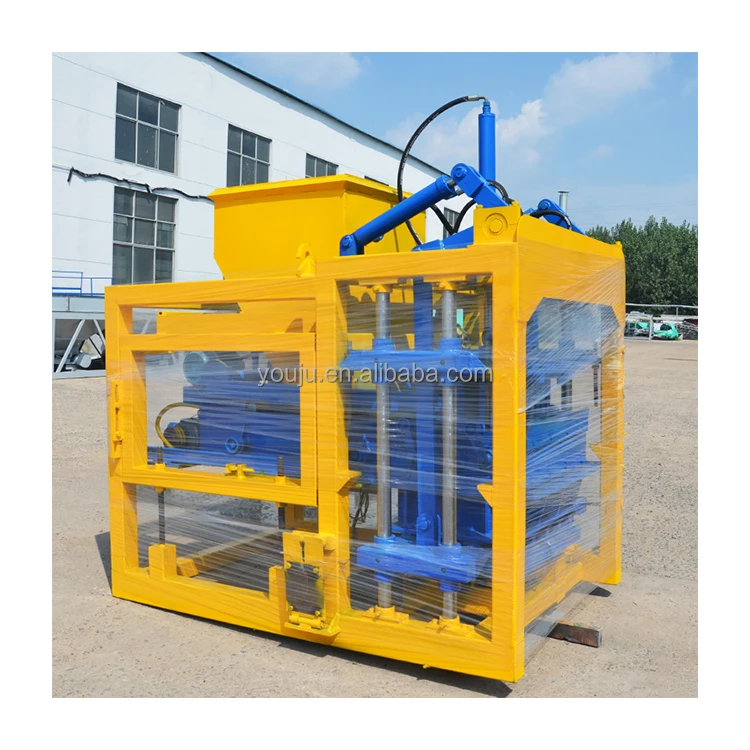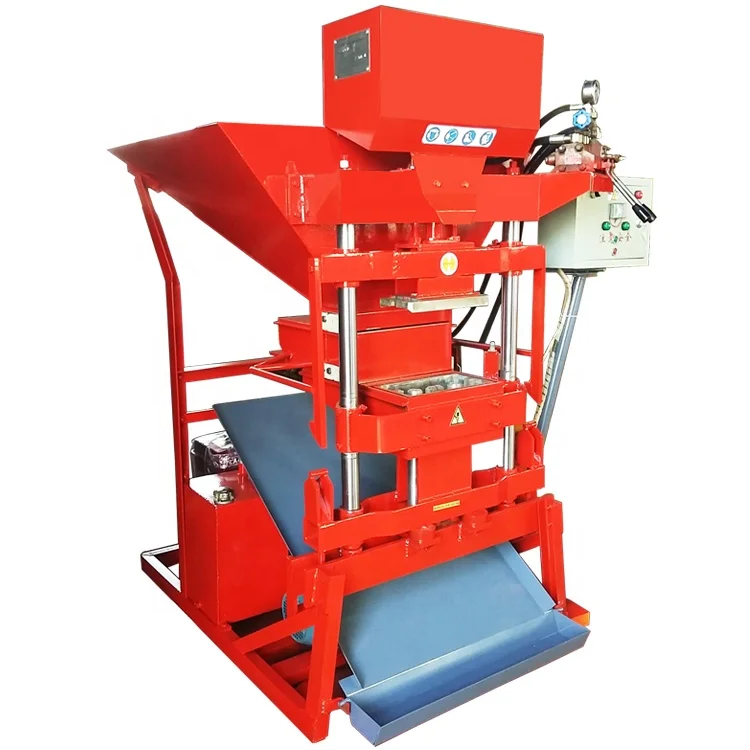


Description
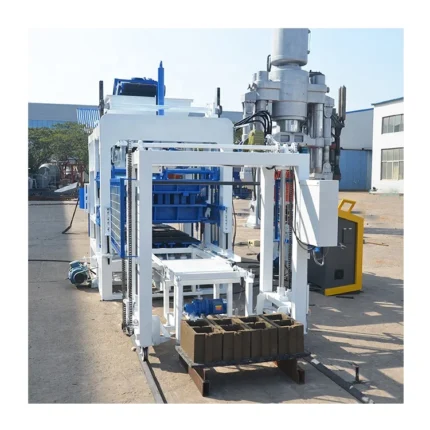
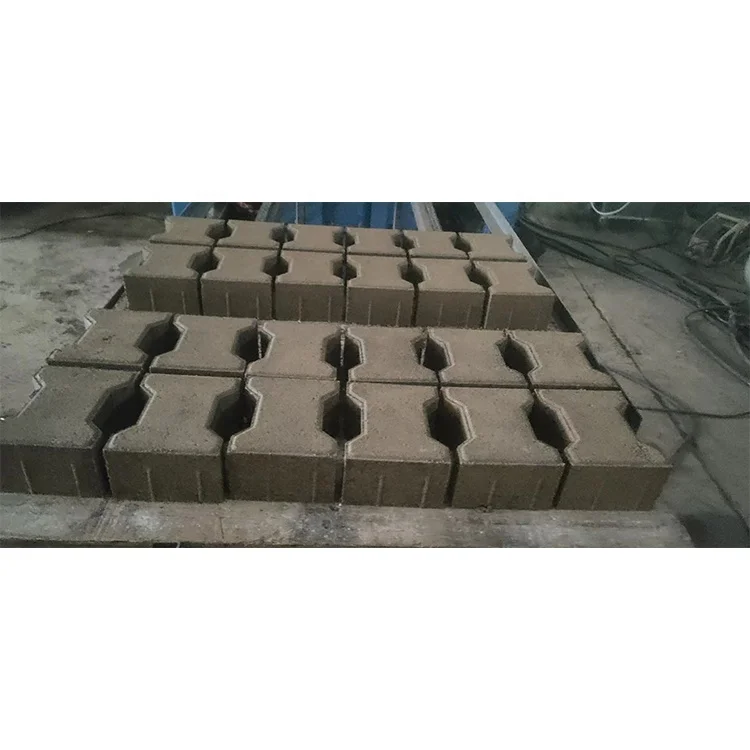
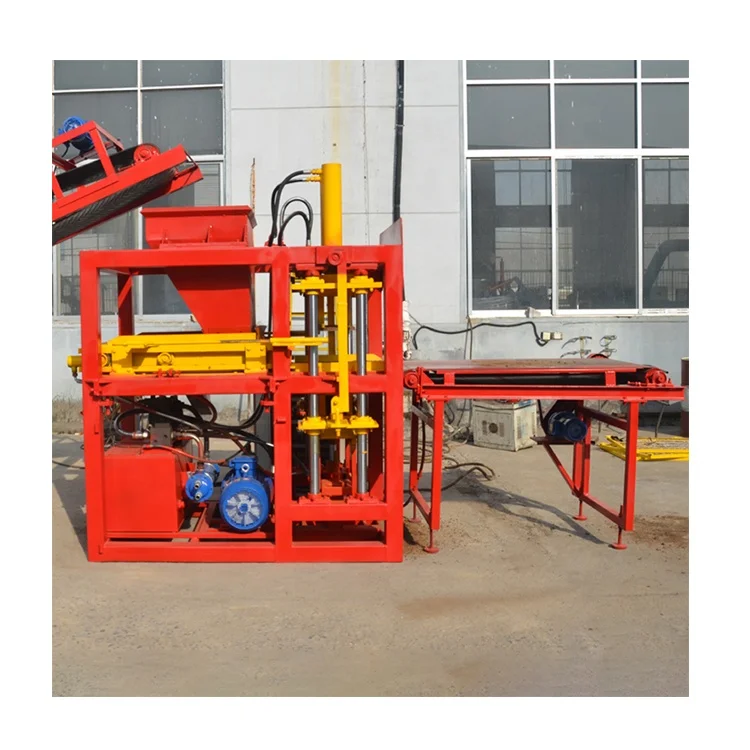
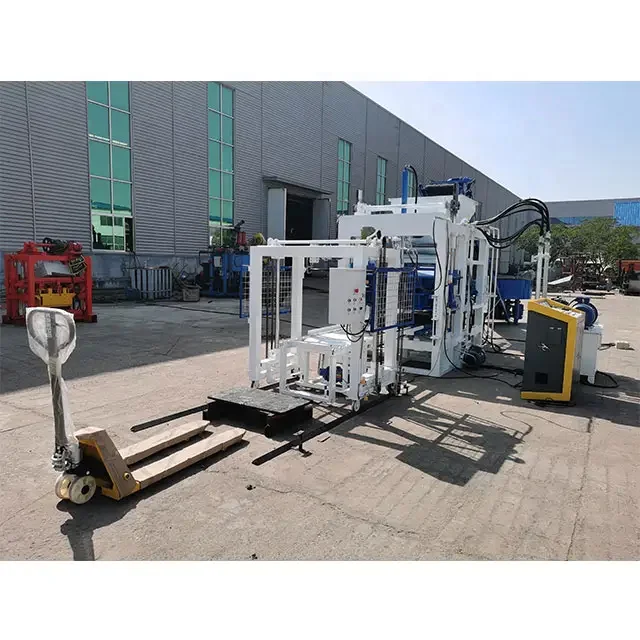
Configuration matched to your mix design and target block format — The ECO 2700 is specified against your local clay properties and intended block dimensions rather than a generic catalog default, so the hydraulic pressure and cycle timing actually suit what you plan to produce.
Technical Specifications
| Parameter | Value |
|---|---|
| Model | ECO 2700 |
| Product Type | Clay Block Making Machine |
| Overall Dimensions (L×W×H) | 1000×1000×1800 mm |
| Net Weight | 1000 KGS |
| Shaping Cycle | 15–20 seconds |
| Rated Power | 5.5 kW |
| Hydraulic Pressure | 16 MPa |
| Voltage & Frequency | 380V, 3-phase, 50Hz (basis to be confirmed) |
| Automation Level | Semi-automatic |
| Motor | Siemens |
| Stacking Method | Manual |
| Warranty | 1 year |
| Certification | CE (implied) |
Application Suitability
| Application | Material or Output |
|---|---|
| Small-scale clay block production for local construction | Local clay mixed with sand and cement additives |
| On-site brick production for housing projects | Formed clay blocks where power supply is limited to a standard three-phase connection |
| First block plant for entrepreneurs validating market demand | Entry-level clay block formats for regional building material distribution |
Why the PLC Language Question Must Be Settled Before Shipment
A control interface the operator cannot read stops production on the first day, not the first month.
When a semi-automatic line arrives with a PLC display defaulting to a language the floor team does not recognize, commissioning stalls immediately. I once spent two full days in front of a control cabinet relabeling every button and translating interface screens because the language confirmation step was skipped during order finalization. The automatic ECO 2700 clay block making machine runs a PLC-controlled semi-automatic cycle, so every parameter the operator touches — cycle timer, pressure setpoint, fault code — must be legible in a language they work in daily [NEED_CITE: PLC interface language standards for exported industrial machinery].
How Semi-Automatic Control Removes Operator Variability
In fully manual block forming, the pace and pressure of each block depend entirely on the worker at the station. The ECO 2700 takes the pressing cycle out of the operator’s hands. Once the mould is filled, the PLC controls the hydraulic ram through a fixed 15–20 second shaping cycle at 16 MPa. The result is a clay block making machine that produces the same compaction force on the fiftieth block as on the first, which matters when block strength must meet a local building code [NEED_CITE: compressive strength requirements for load-bearing clay blocks].
What Semi-Automatic Does Not Cover
A semi-automatic configuration means the press cycle is controlled, but pallet handling, block removal, and stacking remain manual tasks. The ECO 2700 weighs 1000 KGS and sits in a 1000×1000 mm footprint, so fresh blocks must be carried or wheeled to a curing area by hand. Buyers planning to scale throughput should confirm whether the control system supports later integration with an automatic pallet feeder or conveyor, since the PLC architecture determines whether an upgrade is a wiring job or a full cabinet replacement.
Reading the Specs That Actually Shape Block Quality
The 16 MPa hydraulic pressure is the single figure that most directly determines block density. At this pressure level, the clay mix is compressed firmly enough to hold its shape immediately after the mould opens, which reduces breakage during manual handling to the curing rack. The 5.5 kW motor draws from a standard three-phase supply, meaning the semi-automatic block machine does not require a dedicated transformer — a practical advantage on housing project sites where power capacity is already allocated across other equipment. The 15–20 second shaping cycle sets a rhythm: if the operator can fill the mould and clear the finished block within that window, the press itself is never the bottleneck. What matters is matching this pressure and cycle to the clay mix design; a drier mix may compact well at 16 MPa, while a wetter mix could need a different pressure profile to avoid deformation after release.
The Hidden Cost of Skipping Voltage Confirmation
Arriving at a job site to find the local supply runs at 60 Hz while the machine was wound for 50 Hz is a commissioning failure that no amount of on-site troubleshooting fixes quickly. A motor designed for one frequency running on another will overheat, draw excessive current, and trip breakers repeatedly. For a semi-automatic line where the PLC and the hydraulic pump share the same electrical cabinet, a voltage mismatch can damage the controller board as well [NEED_CITE: effects of frequency mismatch on industrial induction motors]. The cost of rewinding a motor and replacing a PLC in the field always exceeds the time it takes to confirm supply specifications before the machine enters production.
Why This Configuration Approach Works
Block machinery is the sole focus here, which means the ECO 2700 is not bundled from unrelated suppliers but specified as a matched system of press, mould, and pallet. Configuration is set against the buyer’s actual clay source and target block format rather than a catalog default. Mould design covers the specific formats the buyer’s market sells, with custom drawings available. The automation level is selectable — a buyer can begin with manual pallet handling and evaluate whether adding automatic stacking later makes sense. Installation includes operator training so the team running the semi-automatic block machine on day one understands the PLC interface, cycle parameters, and daily maintenance checkpoints.
Documentation & Verification
- Line layout showing ECO 2700 placement within existing workshop footprint
- Machine specification sheet confirming 16 MPa hydraulic pressure and 5.5 kW motor rating
- Mould drawing and format list matched to buyer’s target clay block dimensions
- Voltage and control language confirmation signed off before production begins
- Factory test record demonstrating shaping cycle timing on buyer’s specified block format
Installation, Commissioning & Support
- Foundation must support the 1000 KGS machine weight on a level concrete pad within the 1000×1000 mm footprint
- Dedicated three-phase 380V circuit required for the 5.5 kW Siemens motor to avoid shared-line voltage drops
- Machine ships as a single assembly; on-site work is limited to electrical connection and PLC language setup
- Commissioning includes first-run cycle calibration against the buyer’s specific clay mix and block format
- Operator training covers PLC interface navigation, emergency stop procedures, and daily hydraulic inspection
- Wear parts list identifies mould liners and hydraulic seals with reorder references
What to Prepare Before Requesting a Quotation
Share the specific clay block dimensions and wall thicknesses your market requires, along with a sample or description of your local clay source and any additives you use. Confirm your site’s voltage, phase, and frequency — this determines the motor winding and PLC power supply. Let us know the PLC display language your operators need, and whether the 1000×1000 mm footprint fits your planned production area.
Frequently Asked Questions
Q: What block format and daily output does the ECO 2700 capacity assume?
A: Output depends on the specific clay block dimension and wall thickness being pressed. The 15–20 second shaping cycle sets the press rhythm, but manual pallet handling and mould filling add time between cycles. Request a capacity calculation stated against your exact block format so daily throughput reflects your actual product, not a generic reference size.
Q: Can the PLC interface and control labels be set to my local language?
A: Yes. The control system display language and button identifiers are confirmed with the buyer before the machine enters production. This step prevents the commissioning delays that occur when operators cannot read fault codes or parameter menus. Language confirmation is part of the standard pre-shipment checklist.
Q: How does the 16 MPa hydraulic pressure match my local clay mix design?
A: The 16 MPa pressure suits moderately dry clay mixes with standard sand and cement additives. A wetter or heavier mix may require pressure adjustment to prevent block deformation after mould release. Sharing your mix proportions and clay source allows the pressure profile to be validated during factory testing before dispatch.
Q: What upgrade path exists from the ECO 2700 to a more automated line?
A: The semi-automatic configuration handles pressing through the PLC while pallet handling remains manual. Whether the existing control cabinet supports later integration with automatic pallet feeding or stacking depends on the PLC model and available I/O channels. Confirm the upgrade scope before ordering so the controller is specified with expansion capacity.
Q: What voltage customization is available, and when is it confirmed?
A: The standard configuration is 380V three-phase 50Hz, but motor winding and transformer ratios can be adjusted to match local supply specifications. Voltage and frequency are confirmed during the order stage, before production begins, to avoid motor overheating or PLC damage that results from running equipment on a mismatched power supply.