

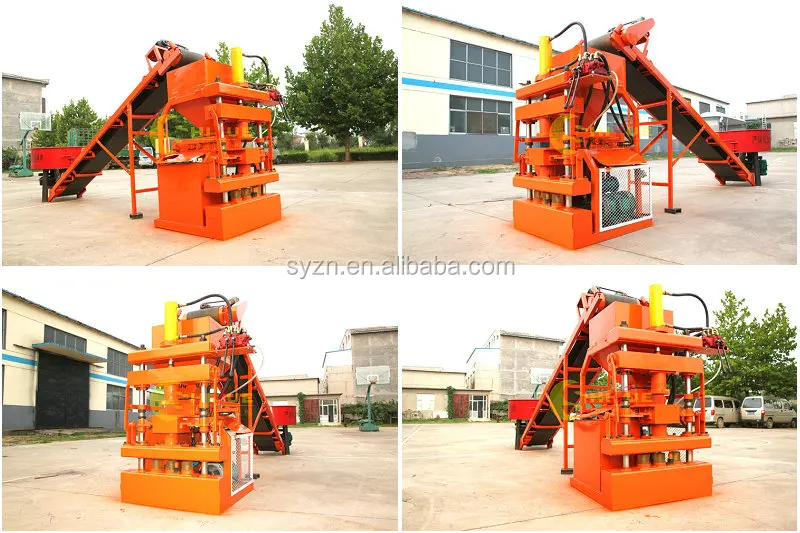

Description
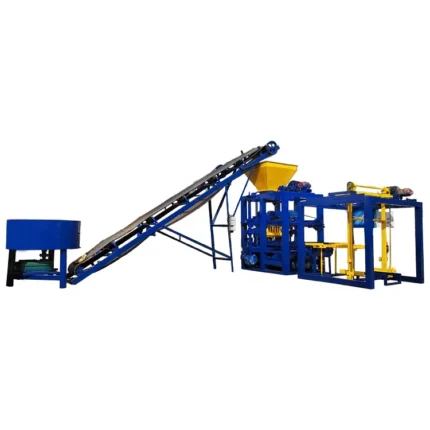
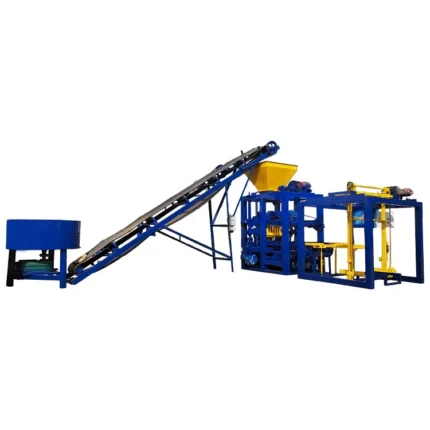
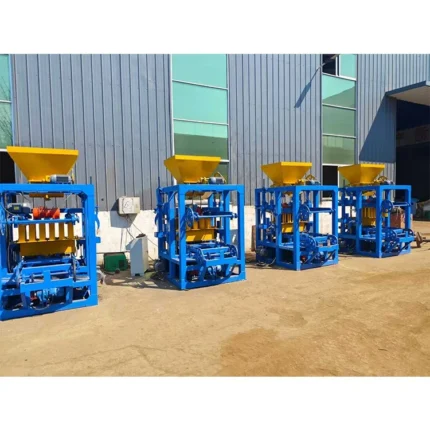
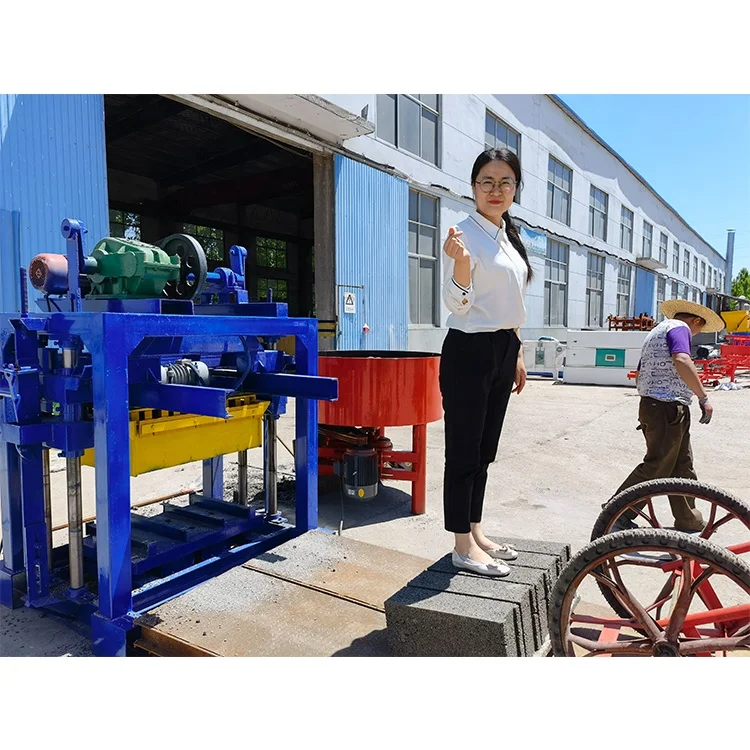
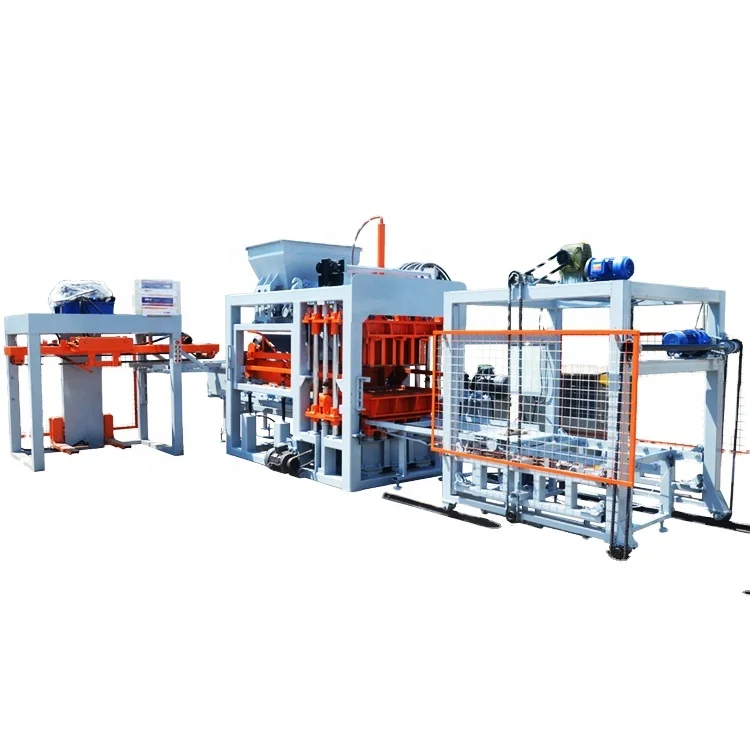
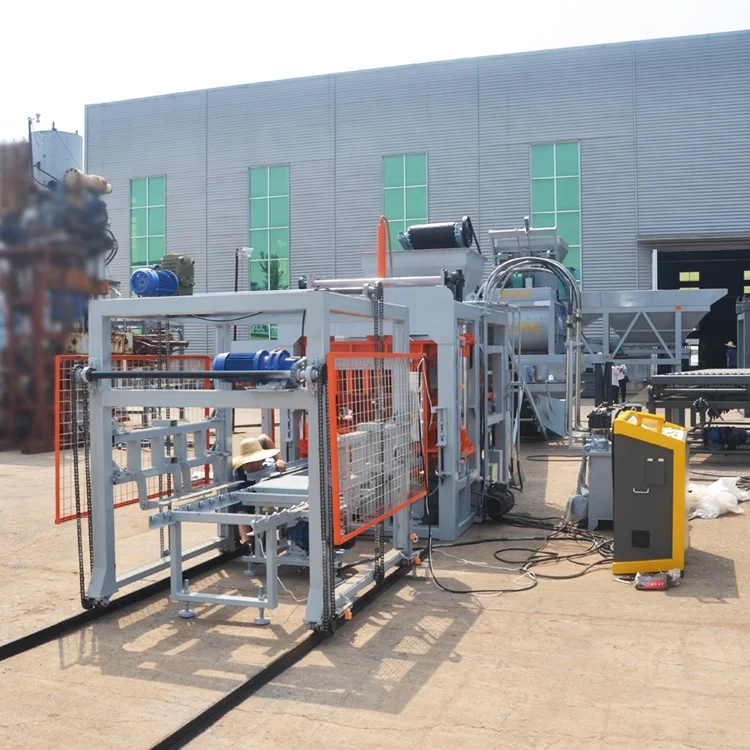
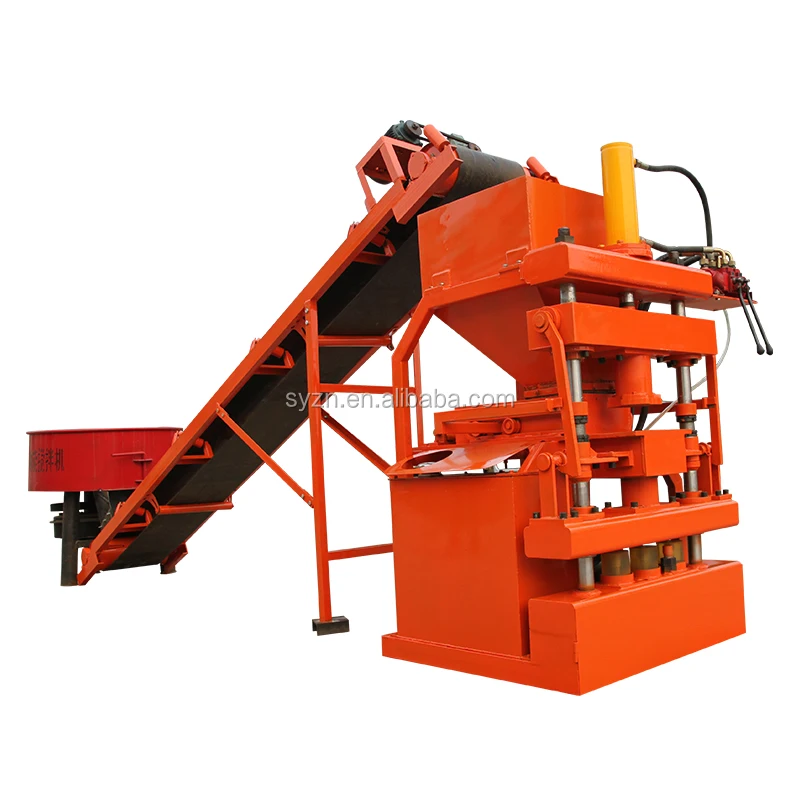
Matched system configuration — The LY1-10 semi-automatic clay brick press is specified with vibration and compression settings tuned to your local mix design, ensuring consistent block density from the first cycle to the last.
Technical Specifications
| Parameter | Value |
|---|---|
| Model | LY1-10 |
| Product Type | Semi-Automatic Clay Brick Making Machine |
| Machine Power | 1.5 kW |
| Vibration System | Bed mould vertical vibration + upper mould compression vibration |
| Molding Cycle | 45 s (basis not stated in source — confirm block format / material / thickness) |
| Output Capacity | 1200–2400 pcs / 8 hours (basis not stated in source — confirm block format) |
| Theoretical Productivity | 360 pcs/h, 2880 pcs/day (based on 300×150×100 mm block, 1 pc/mould) |
| Raw Materials | Concrete, sand, cement, fly ash, lime, gypsum, clay |
| Machine Weight | 400 kg |
| Overall Dimensions (L×W×H) | 1300 × 1800 × 2400 mm |
| Automation Level | Semi-automatic operation |
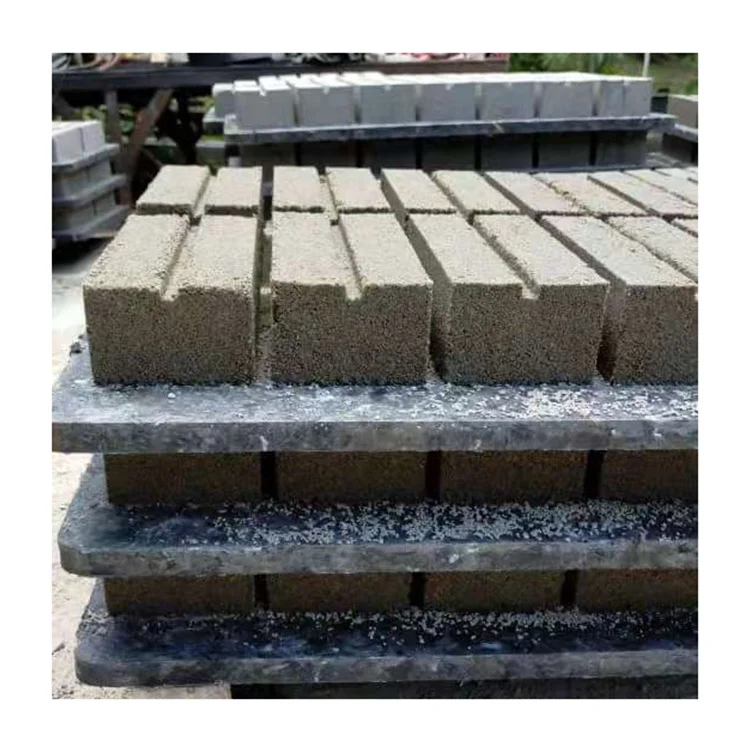
| Mould Format | Interchangeable moulds; sample format 300×150×100 mm |
| Voltage | Configurable to buyer’s local voltage and frequency |
| Control System | Semi-automatic (PLC upgrade path available) |
Application Suitability
| Application | Material or Output |
|---|---|
| Workshop-level solid brick production | Local clay mixed with sand and cement |
| On-site construction block manufacturing | Fly ash, lime, and gypsum blends |
| Small-scale interlocking brick runs | Crushed stone aggregate with cement binder |
| Custom-format masonry units | Concrete mixes with locally sourced sand |
What "1200 to 2400 Pieces" Actually Means for Your Shift
The quoted range assumes a specific block format, mould configuration, and material mix that must be confirmed against your actual production target.
Every brick machine datasheet carries an output number, but that figure is only valid for one particular block size and cycle setting. When a different format goes into the LY1-10, the mould cavity count and pressing sequence change, shifting the realistic daily total. A PLC controlled semi-automatic brick making machine must be evaluated on the format you will actually sell, not the one that produces the most impressive headline number [NEED_CITE: capacity calculation standards for block making equipment]. I have seen buyers commit to a machine based on a hollow block cycle, only to discover their primary product — a solid clay brick — cuts that output nearly in half.
Vibration Tuning and Block Density Control
The LY1-10 uses a dual vibration arrangement: vertical vibration at the bed mould combined with compression vibration from the upper mould. This two-axis approach compacts the mix more evenly than single-source vibration, reducing density variation across the block face. When the vibration force is correctly matched to the aggregate size and moisture content in your mix, the resulting brick achieves consistent compressive strength batch after batch. Mismatched vibration is the most common cause of bricks that crumble at the edges or crack during curing.
The Automation Upgrade Path
Starting with semi-automatic operation keeps initial investment contained and lets the operator learn the machine’s rhythm. As volume grows, the LY1-10 can transition toward a PLC controlled semi-automatic brick making machine configuration with automated pallet feeding and stacking modules. This phased approach means you are not paying for full automation on day one, yet the control architecture leaves room for integration later [NEED_CITE: automation upgrade compatibility in block press systems].
Reading the Specs That Matter
The 1.5 kW machine power drives both the vibration motors and the hydraulic pump. For a unit in this weight class — 400 kg — that power rating indicates a machine designed for steady, moderate-cycle production rather than high-speed continuous pressing. The overall footprint of 1300 × 1800 × 2400 mm means the LY1-10 fits into a standard workshop bay without requiring reinforced flooring beyond a level concrete pad. The interchangeable mould system accepts custom cavity plates, so a producer running 300×150×100 mm solids today can switch to a different format when market demand shifts. Mould change time on a semi-automatic press depends on the operator’s familiarity with the clamping mechanism; training reduces this to a manageable portion of a shift.
When the Wrong Configuration Costs You a Season
Ordering a PLC controlled semi-automatic brick making machine without confirming the vibration force against your local clay’s plasticity index leads to weak bricks that fail on-site. I once spent three days beside a machine in the Middle East re-tuning parameters because the local river sand had a moisture profile nothing in the test lab had predicted. The clay ratio was off, the vibration was not compacting the core, and every brick snapped when handled [NEED_CITE: raw material variability effects on block strength]. That kind of delay on a construction project erodes trust fast.
Why Buyers Source This Machine Here
The LY1-10 is specified as part of a matched system — press, mould, pallet, and handling — rather than assembled from unrelated suppliers. The mould design starts from the formats your market actually buys, with custom drawings available for non-standard sizes. Voltage, frequency, and control display language are confirmed before production, not discovered on arrival. The semi-automatic platform is built with an upgrade path so you can add PLC-controlled pallet feeding and stacking as output requirements increase. Factory testing uses your stated mix parameters before dispatch.
Documentation & Verification
- Line layout showing LY1-10 footprint and pallet flow within your workshop space
- Capacity calculation sheet stating the exact block format and cycle time assumed
- Mould drawing and format list confirming cavity dimensions before manufacturing
- Voltage, frequency, and PLC display language confirmation record
- Factory test report on your target mix and block format before shipment
- Operation and maintenance manual with wear parts and mould replacement list
Installation, Commissioning & Support
- Level concrete pad preparation matching the 1300 × 1800 mm base footprint
- Dedicated electrical circuit sized for 1.5 kW continuous draw plus startup surge
- Machine arrives partially assembled; vibration and hydraulic modules bolt on-site
- First-run parameter tuning against your local clay moisture and aggregate grading
- Operator training covering mould change procedure and vibration adjustment
- Wear parts list with reorder codes for vibration pads and hydraulic seals
Before You Request a Quote
Send the block formats your market demands, including dimensions and target compressive strength. Provide a sample analysis of your local clay or aggregate, including moisture content and particle size distribution. Confirm your site voltage and frequency, and note whether you plan to start semi-automatic or move directly to PLC-controlled pallet handling.
Frequently Asked Questions
Q: How is the 1200–2400 pcs/8h capacity verified, and which block format does it assume?
A: That range is based on a specific mould cavity count and block dimension — typically the 300×150×100 mm format at one piece per mould. When you request a quotation, the capacity calculation will state the exact format, cycle time, and shift length used, so you can compare it directly against your daily production target.
Q: What automation level does the LY1-10 start at, and what is the upgrade path?
A: The machine ships as a semi-automatic press with manual pallet handling. The control architecture supports later addition of PLC-controlled pallet feeding, automatic stacking, and cubing modules. This phased approach lets you match automation spend to actual volume growth.
Q: How do I match the vibration system to my local aggregate for consistent strength?
A: Provide a sample or analysis of your local clay, sand, or fly ash including moisture content and grading. The vibration force and compression settings are then adjusted against that data before factory testing, reducing the risk of density variation in finished bricks.
Q: What voltage, frequency, and control language options are confirmed before shipment?
A: Voltage and frequency are configured to your site supply. The control display language is confirmed during the order process so operators can read prompts and diagnostics from the first day of production without translation delays.
Q: Which mould formats are available, and how long does a change take?
A: The LY1-10 accepts interchangeable mould plates for solid, hollow, and interlocking formats. Standard and custom cavity drawings are available. Mould change time depends on operator training; with practice, a trained team completes the swap within a manageable portion of one shift.