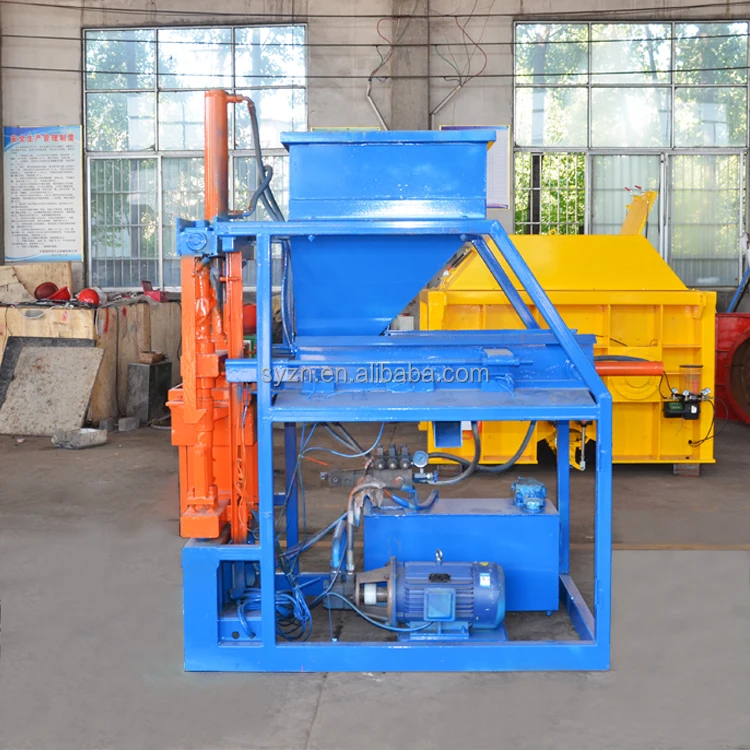
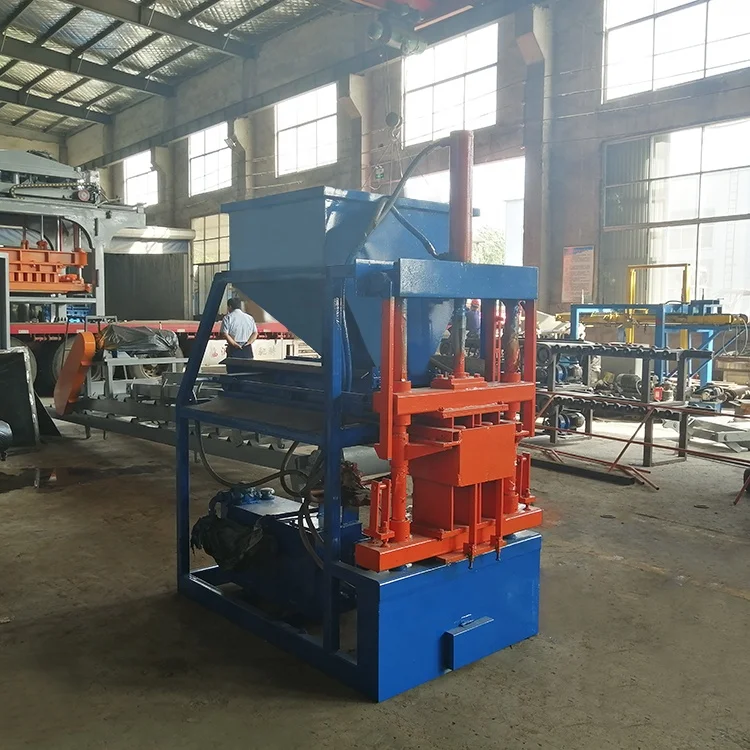
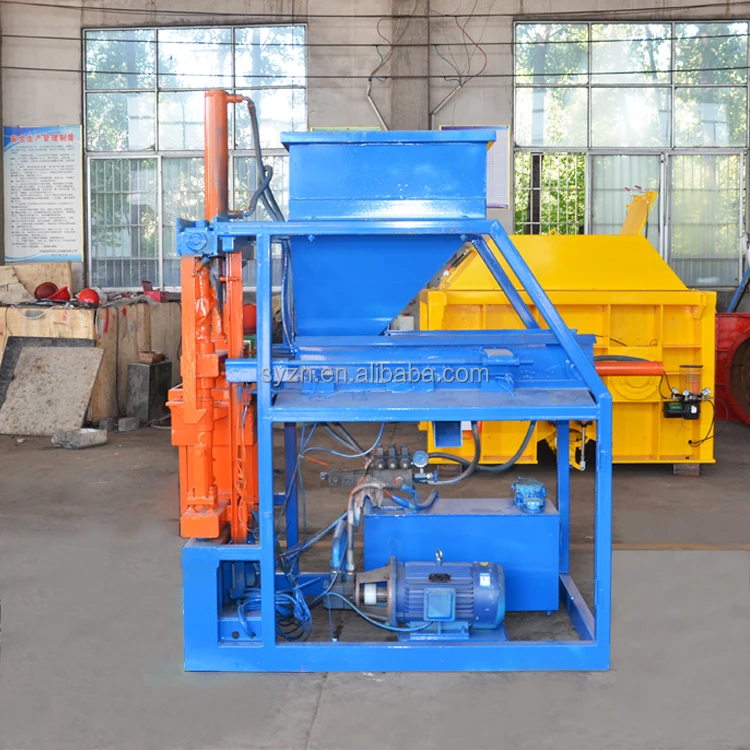
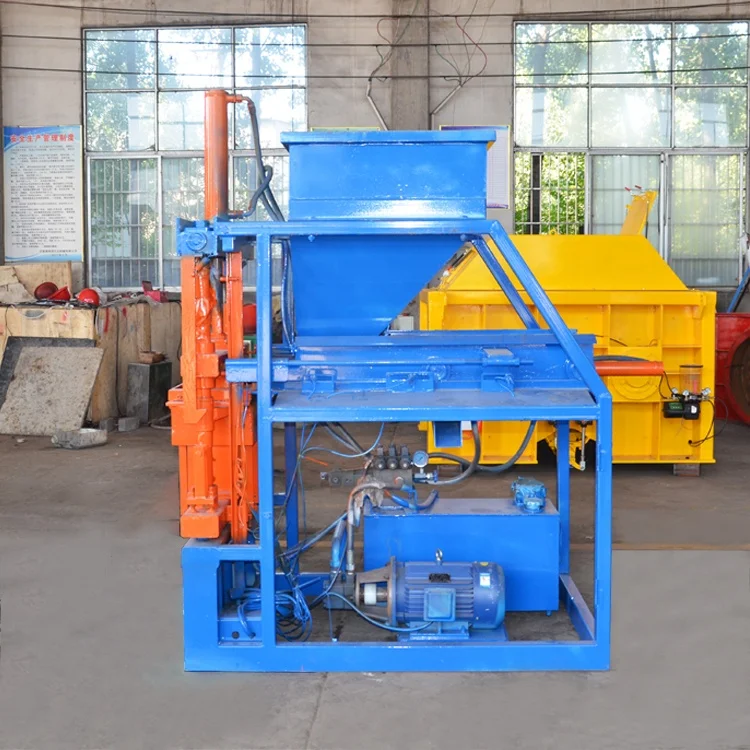
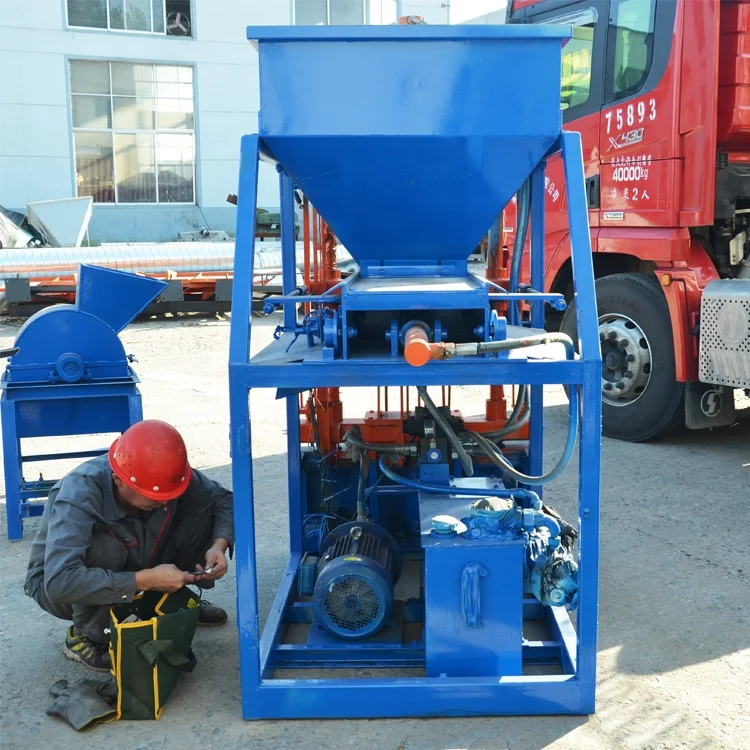
Description
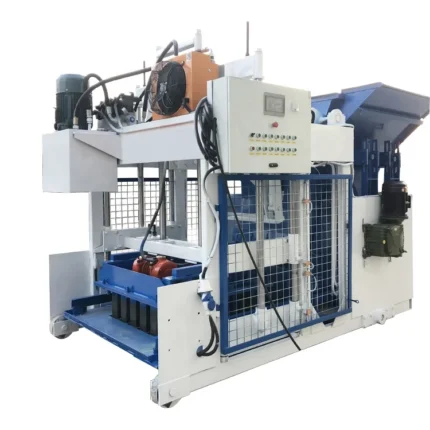
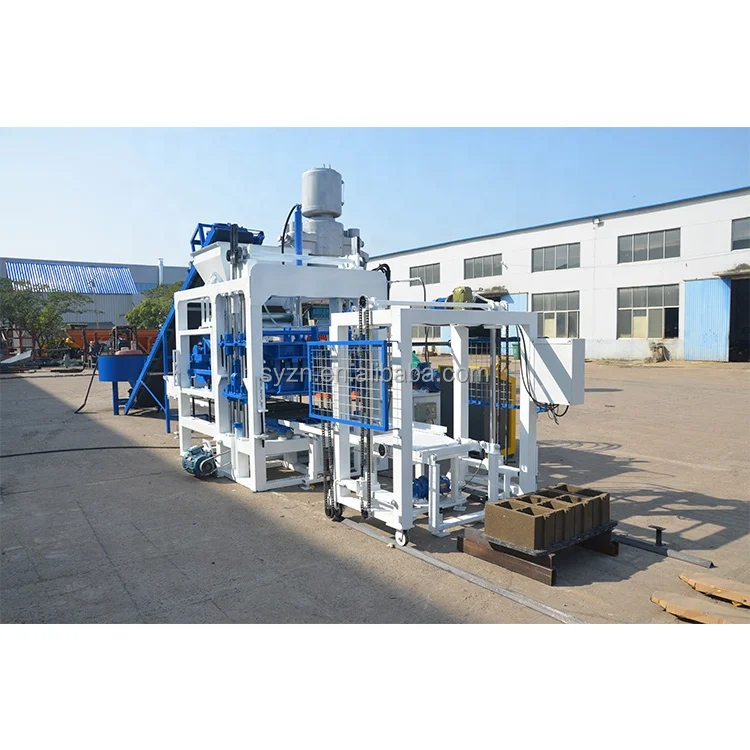
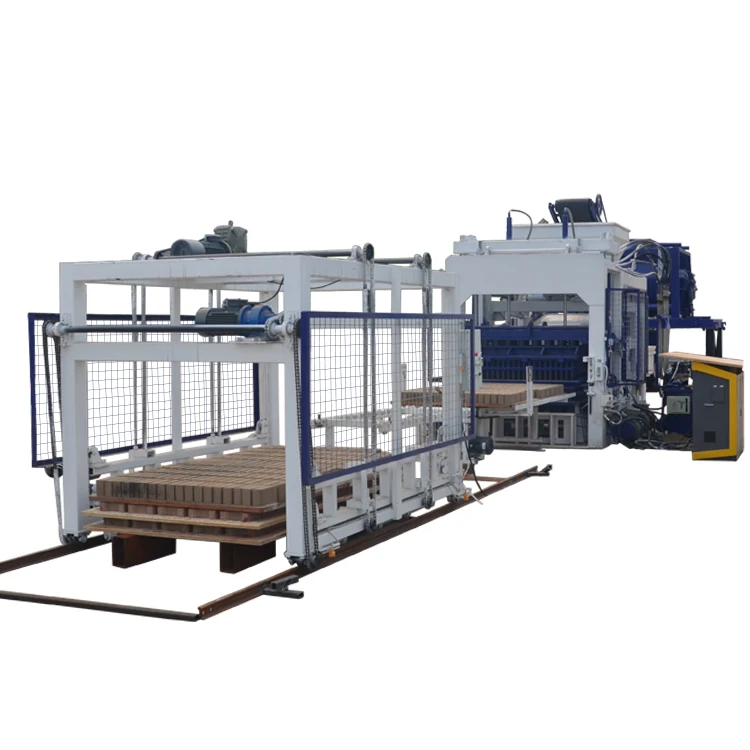
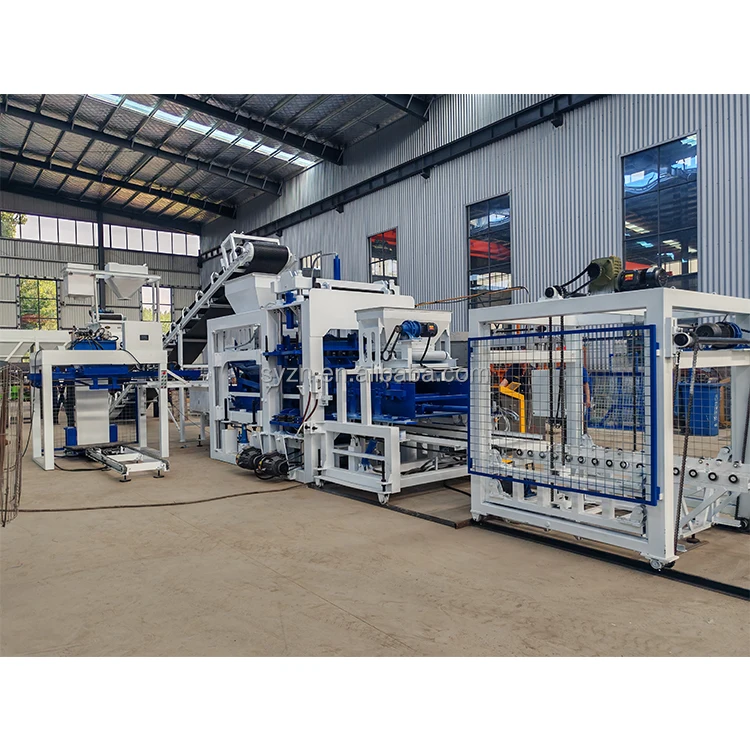
Configurable Automation Path — The LY2-10 clay interlocking block machine is engineered to start semi-automatic and scale up with PLC control, automatic pallet feeding, and stacking modules matched to your plant layout.
Technical Specifications
| Parameter | Value |
|---|---|
| Model | LY2-10 |
| Product Type | Clay Interlocking Block Making Machine |
| Automation Level | Semi-automatic (PLC and automatic pallet/stacking options available) |
| Rated Power | 7.5 kW |
| Molding Cycle | 10 s |
| Output Capacity | 6000 pcs / 8 hours (basis not stated in source — confirm block format, material and thickness) |
| Mould Configuration | 1 pc per mould (300×150×100 mm, 250×125×75 mm, or 230×220×115 mm); 2-pc mould option available |
| Raw Materials | Clay, soil, earth, mud, concrete, cement, fly ash |
| Overall Dimensions | 1300 × 1800 × 2400 mm |
| Control System | Configurable — confirm PLC brand, I/O layout and HMI display language before production |
| Voltage & Frequency | Configurable to site supply — confirm before commissioning |
Application Suitability
| Application | Material or Output |
|---|---|
| On-site interlocking brick production for housing projects | Clay and soil mixed with cement on location |
| Sidewalk and paving block runs for local infrastructure | Fly ash and concrete with interlocking profile moulds |
| Small-scale block yard adding interlocking formats | Earth, mud and cement blends across 250–300 mm formats |
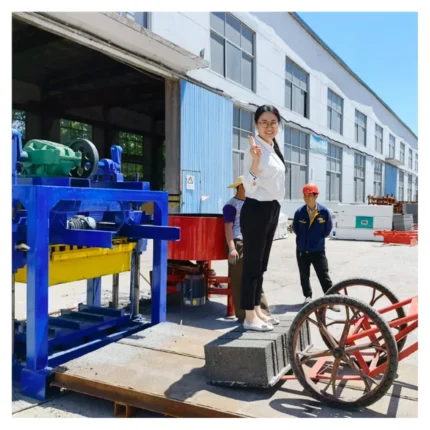
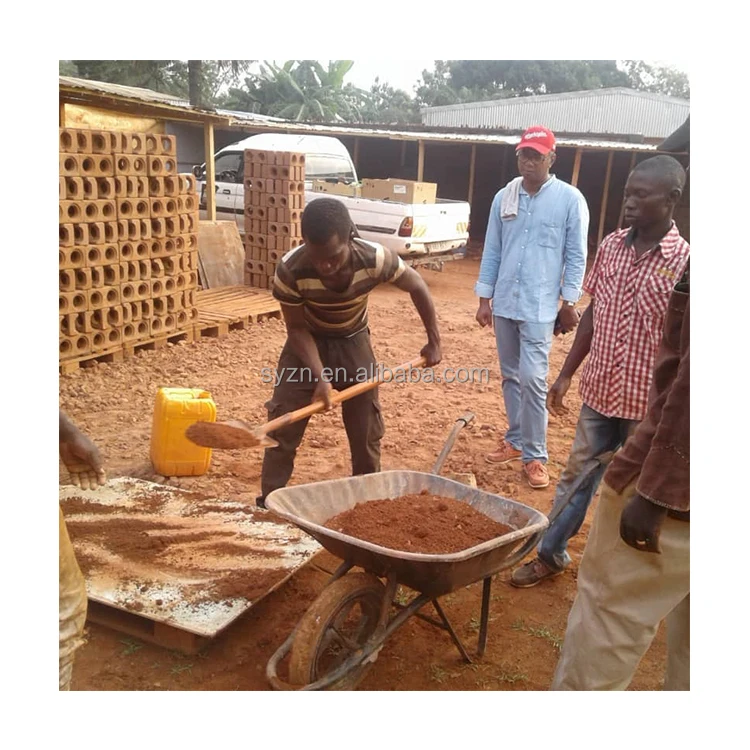
| Contractor self-supply for rural building programs | Soil-clay mix stabilised with cement in mobile setup |
Why the PLC Language Check Must Happen Before Crating
Confirm the HMI display language and voltage before the automatic clay interlocking block machine leaves the factory, not after it arrives on site.
I once shipped a semi-automatic interlock press to the Middle East with the touch panel defaulted to English. The local operator could not read the menus, the machine sat idle for an entire first shift, and a technician had to fly in just to flash an Arabic interface. That single oversight cost the buyer days of lost production. Since then I have made it a rule to lock in PLC language and voltage at the order-confirmation stage so the control system matches the people who will actually run the machine every day.
From Manual Pallet Handling to Intelligent Cycle Control
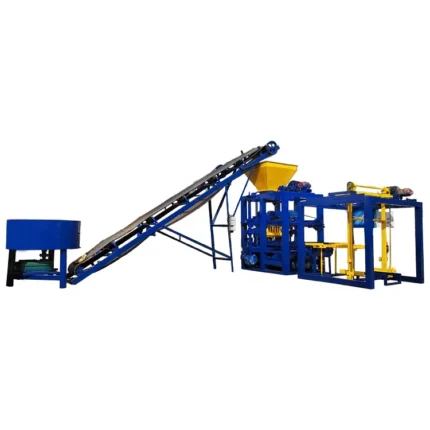
The LY2-10 ships as a semi-automatic unit where an operator feeds pallets and stacks finished blocks. For buyers ready to reduce manual labour, the press accepts add-on modules — automatic pallet feeder, stacking unit and curing-rack handler — that link directly into the same PLC controlling the molding cycle. Each module is phased in as production volume justifies the investment, so a first-time block plant can start lean and expand the line without replacing the core press.
How Automation Closes the Consistency Gap
Batch-to-batch block strength depends on vibration time, pressure and feed volume staying identical across every cycle. The PLC controlled block machine locks these parameters into recipe memory, so the operator only selects the mould format and the controller runs the same sequence whether it is the first mould of the morning or the last of the shift. Remote diagnostics support is available on selected PLC brands, letting a technician review fault logs off-site instead of waiting for a service visit.
Reading the Specs That Actually Matter
A 10-second molding cycle sets the pace, but the real throughput depends on which block format the mould produces and how many cavities that mould carries. The listed 6000-piece figure assumes a single-cavity mould running one of the stated sizes; a two-cavity interlock mould will change both cycle load and daily count. The 7.5 kW rated power must be matched to the mixer, conveyor and pallet feeder so that no station starves the press or creates a bottleneck upstream [NEED_CITE: matching station cycle times to press rhythm in block line design]. Pallet size should be chosen against your existing curing racks and forklift dimensions, not taken from a catalogue default.
What Wrong Voltage and Language Choices Cost on Day One
Selecting the wrong voltage or leaving the PLC in a default language delays commissioning and can damage the control electronics. Mismatched frequency throws off motor speeds, which shifts the molding cycle and throws out block density. I have walked into plants where a 60 Hz motor on a 50 Hz supply ran hot within the first week, forcing an unplanned replacement [NEED_CITE: voltage and frequency standards by export market]. Every configuration mismatch that could have been caught on a single phone call becomes a multi-day disruption once the machine is bolted to the floor.
Why Buyers Source This Press Through Our Configuration Process
Block machinery is the only product line we engineer, so the press, mould, pallet and handling equipment are specified together rather than assembled from separate suppliers. The LY2-10 configuration is built around your local aggregate, target block format and existing curing space — not a catalogue default. Mould design covers the interlocking profiles your market actually sells, including custom drawings when standard formats do not fit. Automation modules bolt on when you are ready, and the PLC upgrade path is planned at quotation stage so electrical cabinets already carry the spare I/O needed later. Factory test records are run on your specified block format before the press is crated.
Documentation & Verification
- Line layout drawing showing LY2-10 footprint, pallet path and curing-rack interface
- Electrical schematic with confirmed voltage, frequency and PLC I/O assignment
- Factory test record on your chosen interlocking block format before dispatch
- Mould drawing with dimensional tolerance table for your specified cavity size
- Operation manual translated to the HMI language selected at order stage
Installation, Commissioning & Support
- Foundation pad sized for 1300 × 1800 mm base footprint and 7.5 kW vibration load
- Dedicated circuit matching confirmed voltage and frequency before the LY2-10 is energised
- PLC language and recipe parameters loaded and verified during on-site commissioning
- Operator training covering mould change sequence, fault-code reading and daily greasing points
- Spare mould and hydraulic seal list provided with local equivalent part numbers
What to Include in Your Inquiry
Share your target interlocking block dimensions, the clay or cement mix you plan to use locally, and the daily volume you need the line to sustain. Let us know the voltage and frequency at your site and the display language your operators will work with. If you already have pallet racks, a forklift or a mixer in place, include their specifications so the automatic clay interlocking block machine and its add-on modules are sized to fit the equipment already on your floor.
Frequently Asked Questions
Q: What automation levels are available for the LY2-10?
A: The press starts as a semi-automatic unit with manual pallet handling. Buyers can add an automatic pallet feeder, stacking unit and curing-rack handler as separate modules, each wired into the same PLC. This phased approach lets a new plant begin production immediately and automate further as volume grows.
Q: How is the PLC language and brand confirmed?
A: At the quotation stage we confirm the PLC brand, the HMI display language and whether remote diagnostics will be enabled. The selected language is flashed before factory testing so the operator interface matches the language your team reads on the production floor.
Q: How do I verify the actual daily output of the automatic clay interlocking block machine?
A: The 6000-piece figure assumes a single-cavity mould and a specific block size from the listed formats. We provide a capacity calculation tied to your exact mould cavity count, material mix and target block dimensions so the daily estimate reflects the format you will actually produce.
Q: How is the molding cycle synchronised with upstream equipment?
A: The 10-second cycle sets the line rhythm. The mixer discharge interval, conveyor speed and pallet feeder timing are all configured to match this cycle so the press never waits for material or pallets [NEED_CITE: PLC-controlled block machine cycle synchronisation across line stations].
Q: What spare-part information is supplied with the press?
A: Every shipment includes a wear-parts list covering hydraulic seals, vibration springs and mould wear plates. Equivalent local part numbers are noted where available so your maintenance team can source routine replacements without waiting for an international shipment.