
Description
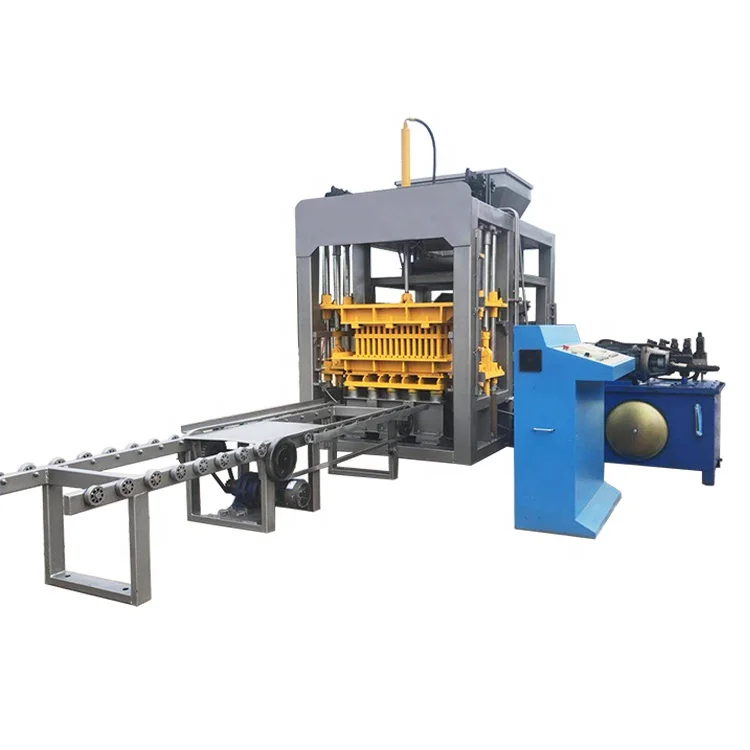
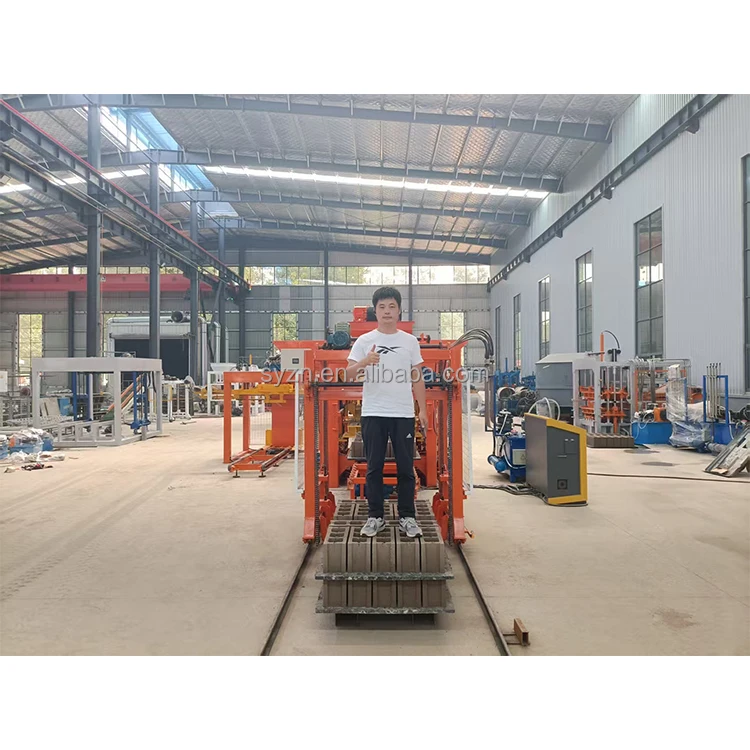
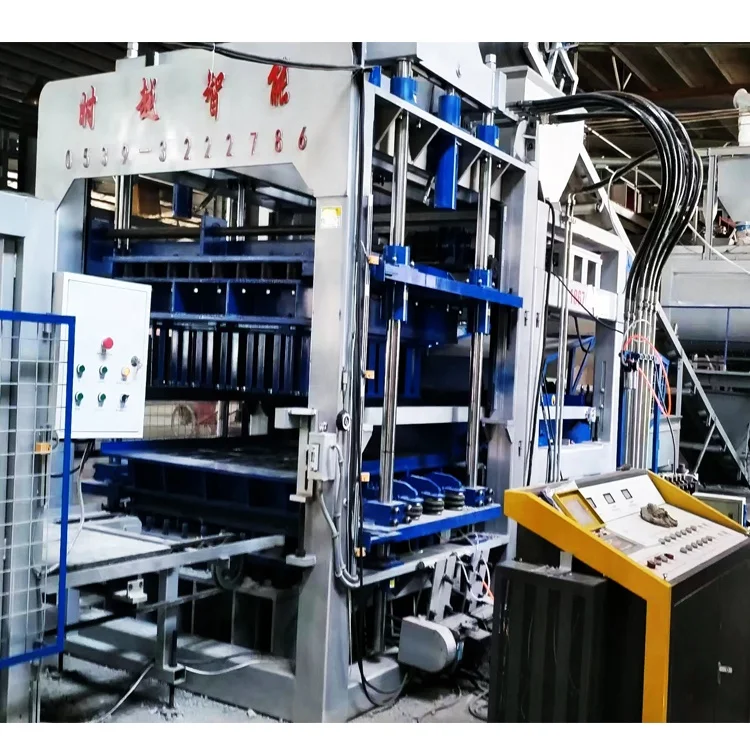
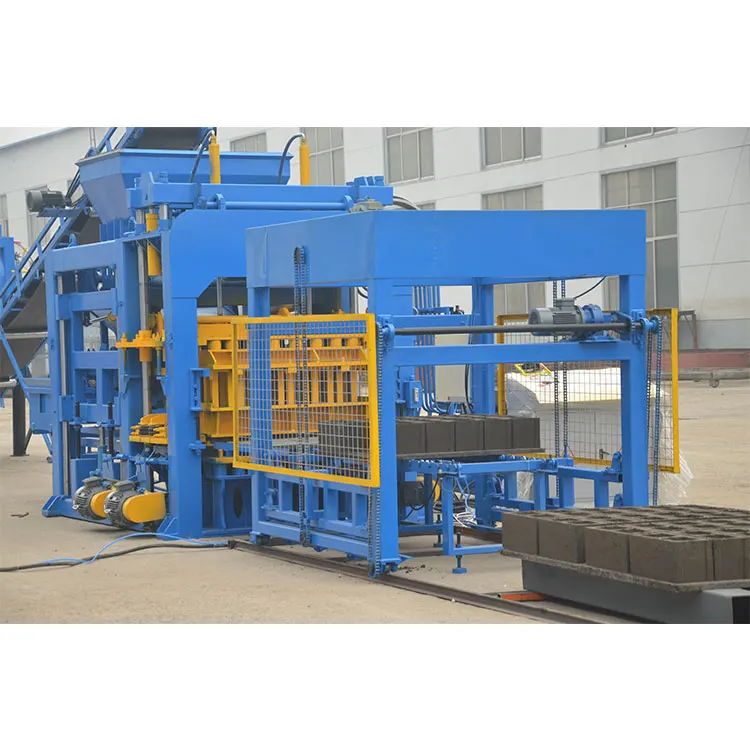
Intelligent Control Integration — The QT12-15 automatic concrete block making machine PLC controlled system manages hydraulic pressure and platform vibration as a unified process, removing operator-dependent variation from every production cycle.
Technical Specifications
| Parameter | Value |
|---|---|
| Model | QT12-15 |
| Product Type | Automatic Concrete Block Making Machine |
| Overall Dimensions (L×W×H) | 9350 × 2520 × 2950 mm |
| Total Weight | 12000 kgs |
| Total Power | 50.7 kW |
| Rated Pressure | 21 MPa |
| Main Vibration Form | Platform Vibration |
| Vibration Frequency | 2800–4500 r/min |
| Vibration Acceleration | 15–20 g |
| Exciting Force | 120 kN |
| Fixed Brick Height | 50–200 mm |
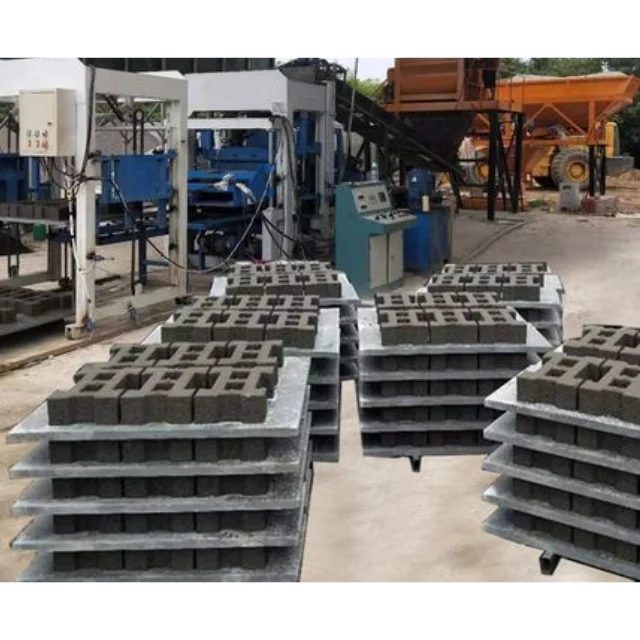
| Pallet Size | 1350 × 850 mm |
| Molding Cycle | 15–25 s |
| Control System | PLC controlled (mechanical-hydraulic synthesis) |
| Frame Structure | Gantry frame type, super steel, shock resistant |
| Material Feeding | Net wave swing type feeding device |
| Mould Type | Cartridge type welding mould, manganese steel |
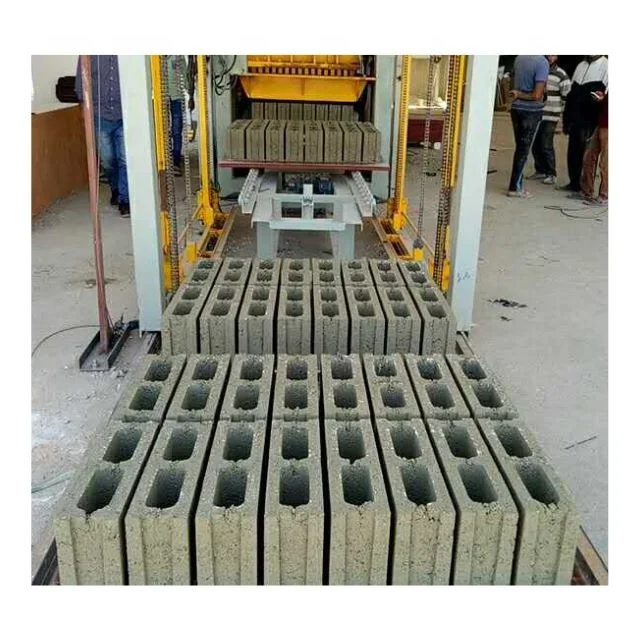
| Output Capacity (Hollow Block) | 13700–17200 pcs/day (based on 390×190×190mm, 12 pcs/mould, 8h) |
| Output Capacity (Porous Block) | 40300–50400 pcs/day (based on 240×115×90mm, 35 pcs/mould, 8h) |
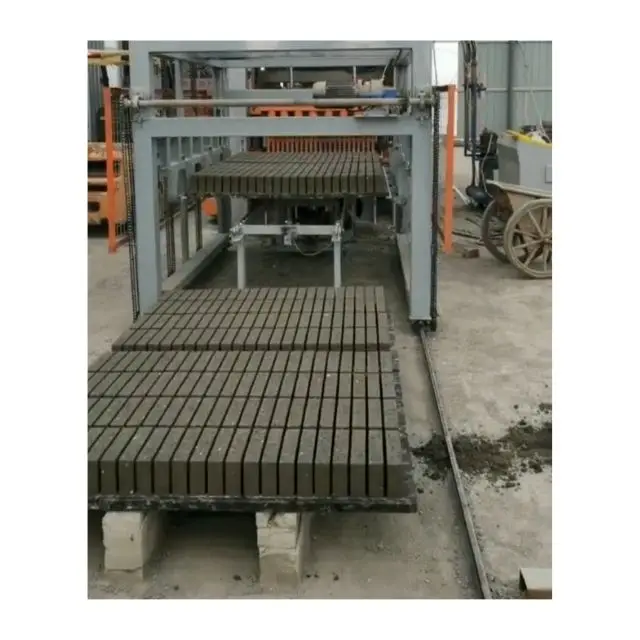
| Output Capacity (Standard Block) | 105000–119000 pcs/day (based on 240×115×53mm, 62 pcs/mould, 8h) |
| Compressive Strength of Blocks | >15 MPa |
Application Suitability
| Application | Material or Output |
|---|---|
| Hollow block production | Concrete mix with crushed stone, sand, and cement |
| Porous block production | Lightweight aggregate blends with cement binder |
| Standard solid block production | Dense concrete mix with local sand and gravel |
| Interlocking brick production | Fine aggregate mix with precise moisture control |
| Cement paving block production | High-strength concrete with surface pigments |
| Fly ash block production | Fly ash, lime, gypsum, and aggregate blends |
What the Cycle Time Number Actually Means on an Automatic Concrete Block Making Machine PLC Controlled Line
The molding cycle of 15–25 seconds only translates to real daily output when tied to a specific block format, mould cavity count, and pallet size.
Buyers often receive a single cycles-per-hour figure without being told which block that number assumes. A 20-second cycle on a hollow block mould with 12 cavities produces a very different daily tonnage than the same cycle on a standard brick mould with 62 cavities. I have seen plant owners sign contracts expecting a single output number, then discover on commissioning day that the machine was rated on their smallest format [NEED_CITE: block machine capacity calculation standards]. The automatic concrete block making machine PLC controlled system on the QT12-15 addresses this by allowing programmable cycle parameters per mould type, so the operator selects the format and the PLC adjusts vibration duration, pressure hold time, and feeding sequence accordingly.
Programmable Logic for Consistent Densification
The PLC-controlled mechanical-hydraulic synthesis manages vibration frequency between 2800 and 4500 r/min alongside an exciting force of 120 kN. Rather than relying on an operator to judge when the block is sufficiently compacted, the automatic concrete block making machine PLC controlled logic monitors the cycle stage and terminates vibration once the programmed densification profile completes. This means batch-to-batch compressive strength stays above 15 MPa without depending on shift-worker attention.
Automation Scope and the Operator Boundary
The net wave swing type feeding device operates from an independent storage foundation, distributing material across the mould cavity with each cycle. The PLC coordinates this feeding sequence with pallet indexing and the hydraulic press stroke. What remains manual on the QT12-15 is pallet return and final stacking unless the buyer specifies an automatic stacker in the line configuration [NEED_CITE: block production line automation levels]. Understanding where automation ends and manual work begins prevents the common disappointment of expecting a fully unmanned line from a press-only quotation.
Pressure, Vibration, and Local Aggregate Matching
The 21 MPa rated pressure works in combination with platform vibration to compact the mix. If the buyer’s local aggregate is angular crushed stone rather than rounded river gravel, the vibration frequency and pressure hold time need adjustment to achieve full cavity fill without surface cracking. The PLC allows these parameters to be stored per mould and per mix recipe, so switching between a porous block blend and a dense paving block mix involves recalling a saved program rather than manual dial adjustments. The cartridge type welding mould with carburized manganese steel is engineered for quick changeover, preserving format flexibility across a production day.
The Hidden Cost of Underspecified Automation
When the control language on the PLC display does not match the operator’s working language, troubleshooting a fault code becomes a translation exercise that halts production. Similarly, when voltage and frequency are confirmed after the machine is built rather than before, the buyer faces weeks of downtime waiting for replacement contactors or variable frequency drives [NEED_CITE: voltage and frequency standards by export market]. These are not engineering failures but specification failures, and they happen when the inquiry stage skips the electrical confirmation step.
Why Source the QT12-15 Through This Channel
The machine, mould, pallet, and handling equipment are specified as a matched system rather than assembled from separate suppliers, so the 1350 × 850 mm pallet size is confirmed against the buyer’s curing area and forklift before production starts. Configuration is set against the buyer’s actual mix design and target block format, not a catalogue default. Mould design covers the formats the buyer’s market sells, including custom drawings when standard cavity layouts do not match. The automation level is selectable, allowing a buyer to start with the base QT12-15 press and add automatic stacking later. Installation includes on-site commissioning with operator training so the PLC parameters are set to local conditions before the first production run.
Documentation & Verification
- Capacity calculation sheet stating block format, mould count, and cycle time assumed for each output tier
- Voltage, frequency, and PLC display language confirmation signed off before production begins
- Hydraulic and electrical schematic provided for buyer-side engineering review prior to shipment
- Factory test record run on the buyer’s specified block format before dispatch
- Mould drawing and format list for every cartridge type tooling included in the order
Installation, Commissioning & Support
- Foundation plan based on the 9350 × 2520 mm footprint and 12000 kg total weight with vibration isolation requirements
- Power supply confirmation for the 50.7 kW total load with dedicated circuit breaker sizing
- PLC parameter programming on-site to match local aggregate and target block compressive strength
- Operator training on mould change procedure for the cartridge type welding system
- Wear parts list covering hydraulic seals, vibration motor bearings, and feeding device liners
- Maintenance schedule aligned with the platform vibration assembly and hydraulic circuit intervals
Before You Request a Quote
Send your target block format with dimensions, your daily output requirement on that specific format, and your local aggregate type. Confirm your site voltage, frequency, and the language your operators need on the PLC display. If you have existing pallets or a curing rack system, share the dimensions so the line is configured around what you already have.
Frequently Asked Questions
Q: How is daily output verified per block format on the QT12-15?
A: Every output figure is tied to a specific block dimension, mould cavity count, and molding cycle range. The hollow block capacity of 13700–17200 pieces per day assumes the 390×190×190mm format with 12 cavities per mould across an 8-hour shift. A separate calculation is provided for porous and standard block formats so buyers compare like-for-like figures.
Q: What does the PLC control versus what still requires operator input?
A: The PLC manages vibration frequency, hydraulic pressure profile, feeding sequence, and cycle timing per selected mould. Pallet return from the curing area and final stacking remain manual unless an automatic stacker is added to the line configuration. The system supports future automation additions without replacing the core controller.
Q: How are vibration and pressure matched to local aggregate?
A: The PLC stores parameter sets for different mix designs, adjusting vibration duration and pressure hold time to suit angular crushed stone, rounded gravel, or lightweight aggregate blends. During commissioning, test cycles are run with the buyer’s actual material to confirm cavity fill and surface finish before full production begins.
Q: What electrical details must be confirmed before production starts?
A: Site voltage, frequency, phase configuration, and PLC display language are confirmed in writing before the electrical cabinet is assembled. This prevents the common situation where a machine built for one electrical standard arrives at a site running a different supply, requiring component replacement and delaying commissioning by weeks.
Q: How long does a mould change take, and are all formats included?
A: The cartridge type welding mould system is designed for changeover within a single shift break when operators are trained. Every format specified in the purchase contract is supplied with its own cartridge mould, and custom mould designs can be produced from buyer drawings when standard cavity layouts do not match local market requirements.