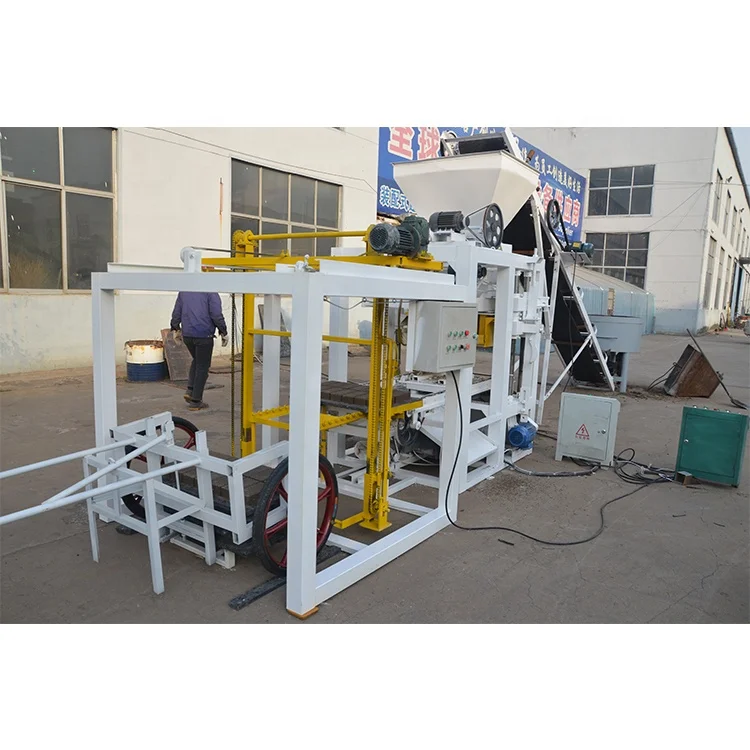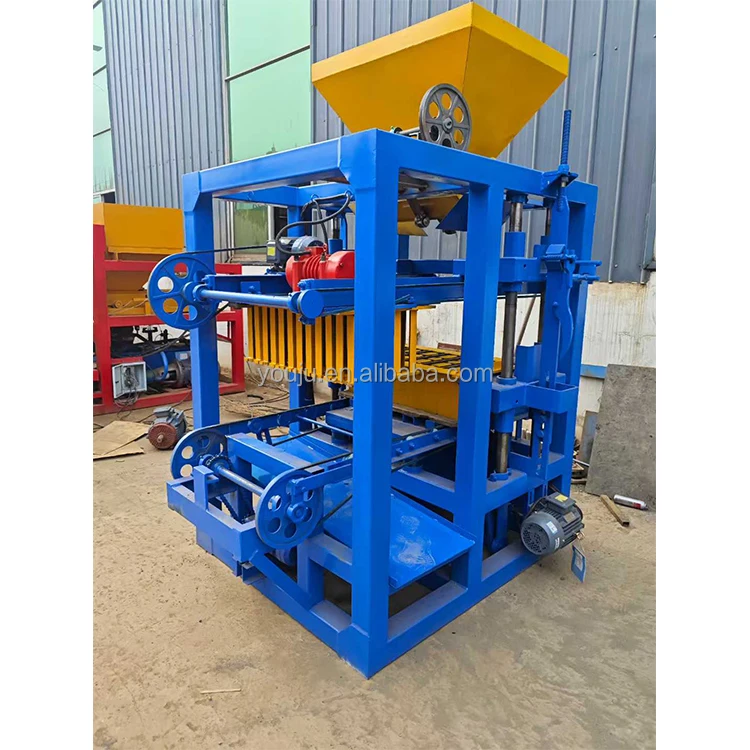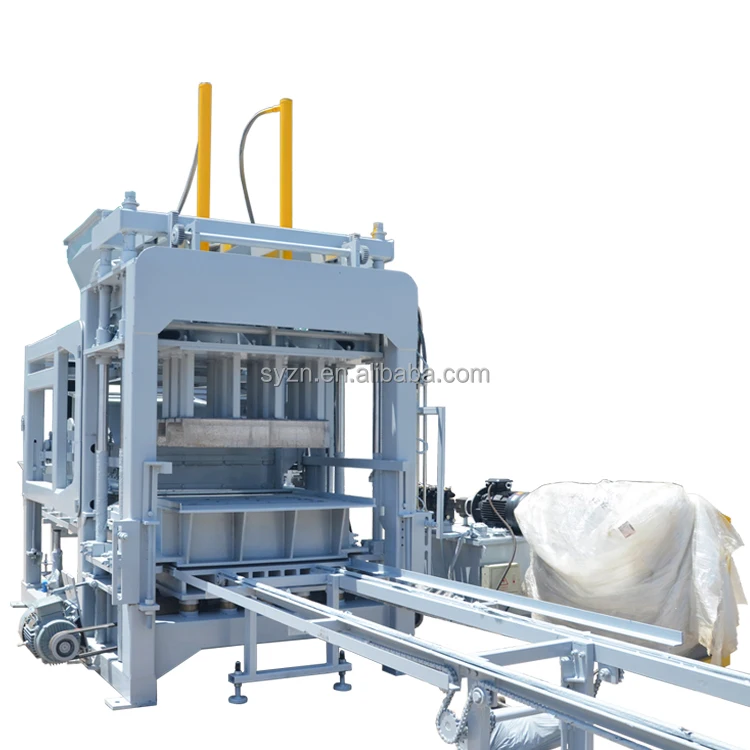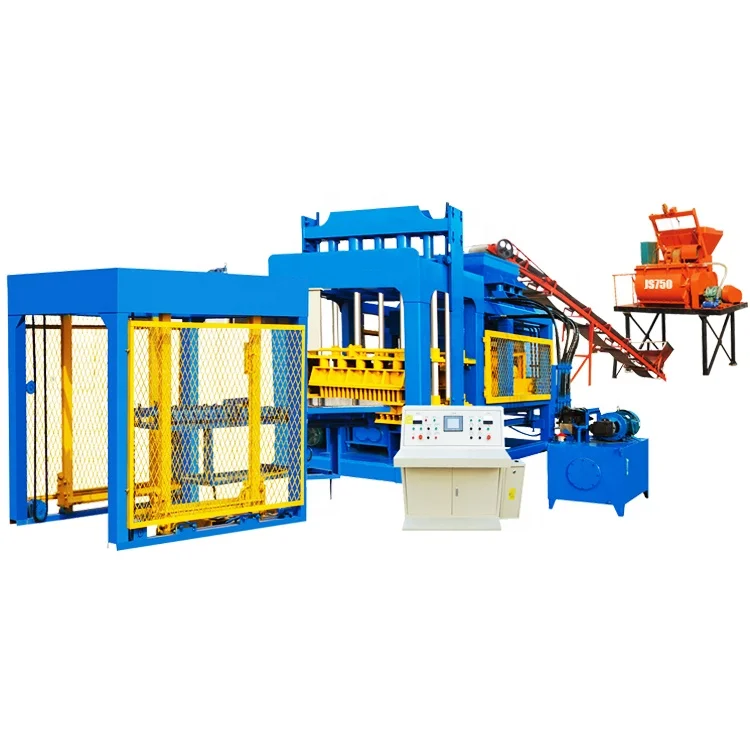


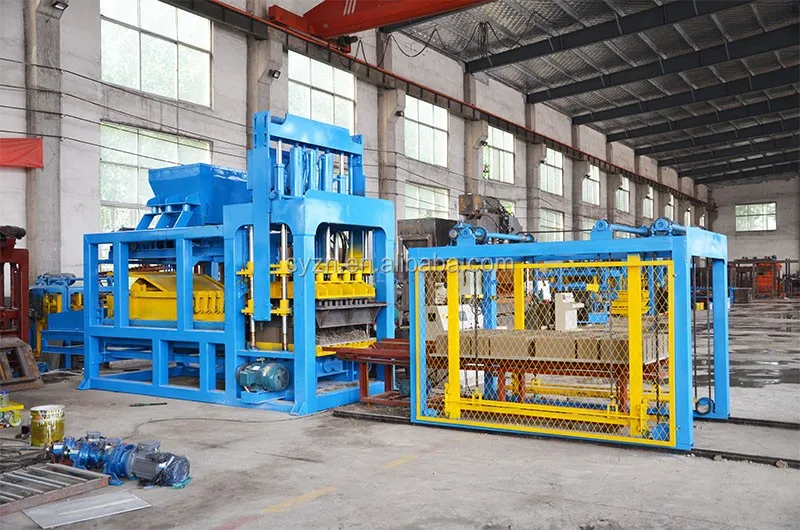
Description
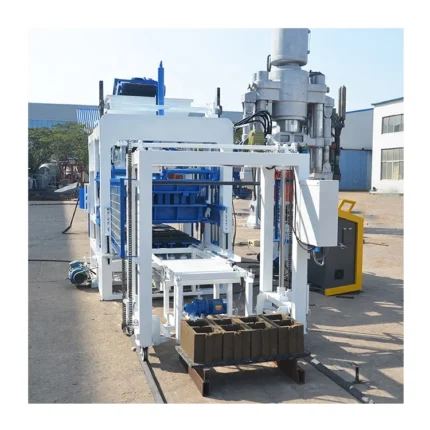
Synchronization Vibration Control — The QT12-15 fully automatic stationary block machine pairs adjustable platform vibration with 16–21 MPa hydraulic pressure, managed by PLC, to maintain density consistency across every mould format the operator loads.
Technical Specifications
| Parameter | Value |
|---|---|
| Model | QT12-15 |
| Product Type | Fully Automatic Stationary Block Making Machine |
| Rated Power | 44.58 kW |
| Voltage & Frequency | Customized to local supply (basis to be confirmed) |
| Control System | PLC with computer fault diagnosis |
| Overall Dimensions | 9350 × 2520 × 2950 mm |
| Net Weight | 11000 kg |
| Molding Cycle | 15–20 seconds (general); varies by block format |
| Hydraulic Pressure | 16–21 MPa |
| Vibration Form | Platform vibration (synchronization vibration) |
| Pallet Size | 1300 × 900 mm |
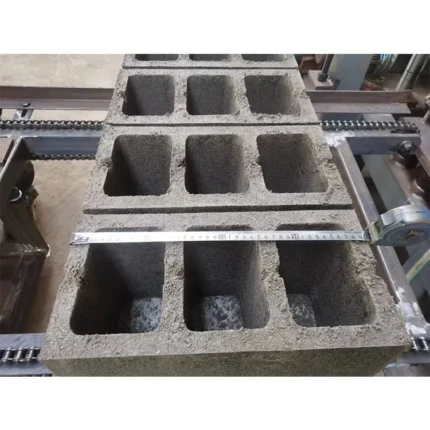
| Output — Hollow Block | 21,600 pcs/day (based on 400×200×200 mm, 12 pcs/mould, 20–25s cycle) |
| Output — Porous Block | 72,000 pcs/day (based on 240×115×90 mm, 30 pcs/mould, 15–20s cycle) |
| Output — Standard Block | 144,000 pcs/day (based on 240×115×53 mm, 60 pcs/mould, 15–17s cycle) |
| Automation Level | Fully automatic |
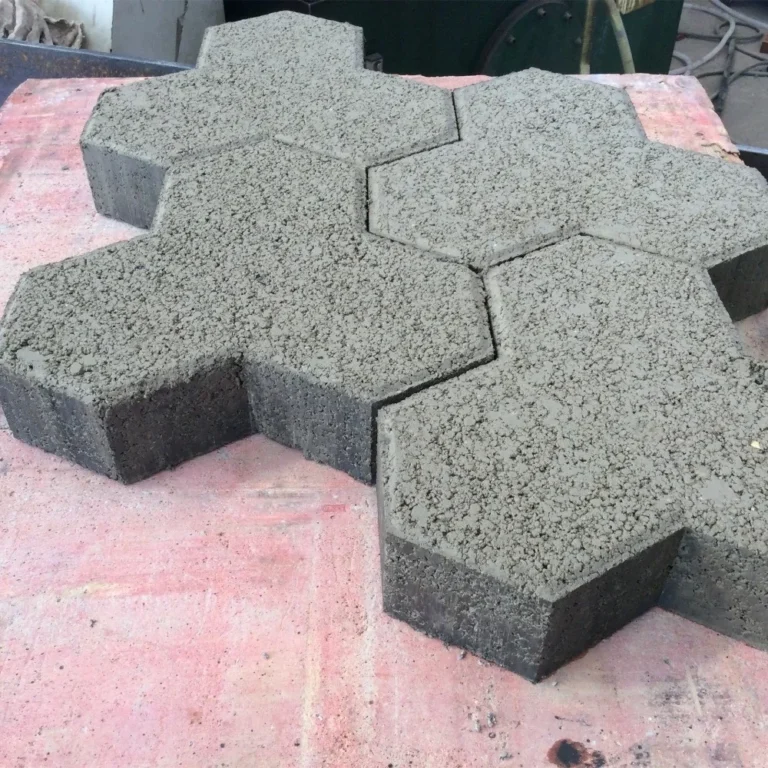
| Applied Products | Hollow blocks, solid blocks, pavers, interlocking blocks, curbstone, porous bricks |
| Raw Materials | Crushed stone, sand, cement, fly ash, gravel, slag, dust |
| Standards | CE, ISO (verify against manufacturer catalog) |
Application Suitability
| Application | Material or Output |
|---|---|
| High-volume hollow block production | Concrete with crushed stone, sand, cement, and fly ash |
| Standard solid brick manufacturing | Dense aggregate mixes for load-bearing walls |
| Paving block and interlocking paver runs | Colored concrete with fine aggregate |
| Porous brick for drainage systems | Permeable mix designs with graded gravel and slag |
| Curbstone for municipal projects | High-strength concrete from coarse aggregate and cement |
Why the PLC Display Language Matters Before the Price
A control system the operator cannot read is a production line that cannot run.
I once shipped an automatic block press to Southeast Asia where the PLC defaulted to English. The local crew could not navigate the fault diagnosis menu, and the line sat idle for two days while we pushed a language patch remotely. That delay was entirely preventable. When you evaluate an automatic QT12-15 block making machine PLC controlled, the conversation about control language, voltage, and frequency should happen before the quotation, not after the container arrives [NEED_CITE: PLC interface language standards for industrial machinery exports].
The computer fault diagnosis system on this press issues warning signals to guide operators through faults, but those signals only help if the operator reads them. Confirming display language, electrical standards, and alarm thresholds against your local grid and workforce is part of the configuration process, not an afterthought.
From Manual Cycles to Format-Aware Automation
The automatic QT12-15 block making machine PLC controlled removes the operator from the timing loop entirely. The PLC governs feed, vibration, pressure, and ejection as one sequence, adjusting the molding cycle based on the loaded block format — 15–17 seconds for standard bricks, up to 25 seconds for large hollow blocks. This format-aware control is what separates a consistent daily output from one that drifts as operators fatigue through a shift.
What Fault Diagnosis Actually Catches
The computer fault diagnosis system monitors the press continuously and surfaces anomalies before they become downtime. Hydraulic pressure deviation, vibration motor failure, or a pallet feed misalignment triggers a specific warning on the PLC screen. For a plant running multiple formats per day, this diagnostic layer shortens the gap between a developing fault and the corrective action [NEED_CITE: PLC-based fault diagnosis in hydraulic block presses].
Pressure, Vibration, and Block Density
The 16–21 MPa hydraulic pressure and platform synchronization vibration do not work in isolation. Low-frequency vibration during the feeding stage distributes the mix evenly across the mould cavity, then high-frequency vibration during compaction forces aggregate particles into dense contact. The hydraulic pressure holds the mould head down throughout, preventing rebound. Together, these parameters determine whether a hollow block meets the compressive strength your local building code requires. The pallet size of 1300 × 900 mm defines the mould footprint, and that pallet must match your curing rack spacing and forklift tine width — a mismatch here bottlenecks the entire line downstream of the press.
The Cost of Skipping the Configuration Conversation
When a block machine arrives configured for a mix design the buyer cannot source locally, the result is weeks of trial-and-error with substitute aggregates, producing blocks that fail strength tests. Voltage incompatibility can damage motors or prevent commissioning entirely. If the automation scope in the quotation covers only the press and not the pallet feeding, stacking, and cubing stations, the buyer discovers at installation that output still requires manual handling — negating the labor reduction that justified the investment [NEED_CITE: automation scope alignment in block production line procurement].
Why This Configuration Approach Works
Block machinery as a single focus means the press, mould, pallet, and handling equipment are specified as one matched system. The configuration is set against your actual mix design and local aggregate, not pulled from a catalogue default. Mould design covers the formats your market sells, with custom drawings available. The automation level is selectable, so you can start semi-automatic and expand. Installation includes commissioning support and operator training so the PLC parameters are tuned to your production conditions from the first shift.
Documentation & Verification
- Line layout and capacity calculation stating the block format assumed for each output figure
- Machine specification sheet with hydraulic and electrical schematic
- Mould drawing and format list matching your target product range
- Voltage, frequency, and PLC control language confirmation record
- Factory test record on your specified block format before dispatch
- Operation and maintenance manual with wear parts and mould list
Installation, Commissioning & Support
- Foundation plan sized to the 9350 × 2520 mm footprint and 11000 kg operating weight
- Dedicated electrical circuit matching confirmed voltage and the 44.58 kW rated power draw
- PLC display language and fault diagnosis parameters set before the first production run
- Mould change procedure trained on-site so format switches do not consume a full shift
- Pallet size verification against your existing curing racks and forklift capacity
- Wear parts list supplied with recommended reorder intervals for hydraulic seals and vibration components
What to Include in Your Inquiry
To size this line correctly, share the block formats your market demands, the daily volume you target for each, and the local aggregate and cement available to you. Confirm your plant voltage, frequency, and the control language your operators read. If you have existing pallets, curing racks, or forklifts, provide their dimensions so the automation scope matches your site.
Frequently Asked Questions
Q: How is daily output verified for each block format?
A: Each output figure corresponds to a specific block size, mould cavity count, and cycle time. For example, the 21,600-piece hollow block figure assumes a 400×200×200 mm block, 12 cavities per mould, and a 20–25 second cycle. Request a capacity calculation that states the format behind every number so your production plan reflects reality.
Q: Can the PLC display language be matched to our operators?
A: Yes. The PLC control language is confirmed before production. The fault diagnosis system warnings and parameter menus are set to your specified language so operators can respond to alerts without translation delays during commissioning and daily operation.
Q: How do we match vibration settings to our local aggregate?
A: Vibration frequency is adjustable — low during feeding, high during compaction. The correct setting depends on your aggregate gradation and mix moisture. During commissioning, test blocks are produced and measured for density, and the PLC parameters are tuned until the target compressive strength is reached.
Q: Does the quotation cover the full automation scope?
A: The automation level is configurable. Confirm whether your quotation includes automatic pallet feeding, stacking, and cubing, or only the press. A line layout showing each station and its cycle time ensures no bottleneck exists between the press and your curing area.
Q: What is the path from semi-automatic to full automation?
A: The system supports staged upgrades. A semi-automatic configuration handles mould change and pressing while operators manage pallet movement. Adding automatic pallet feeding, stacking, and cubing later converts the line to full automatic operation using the same PLC platform.