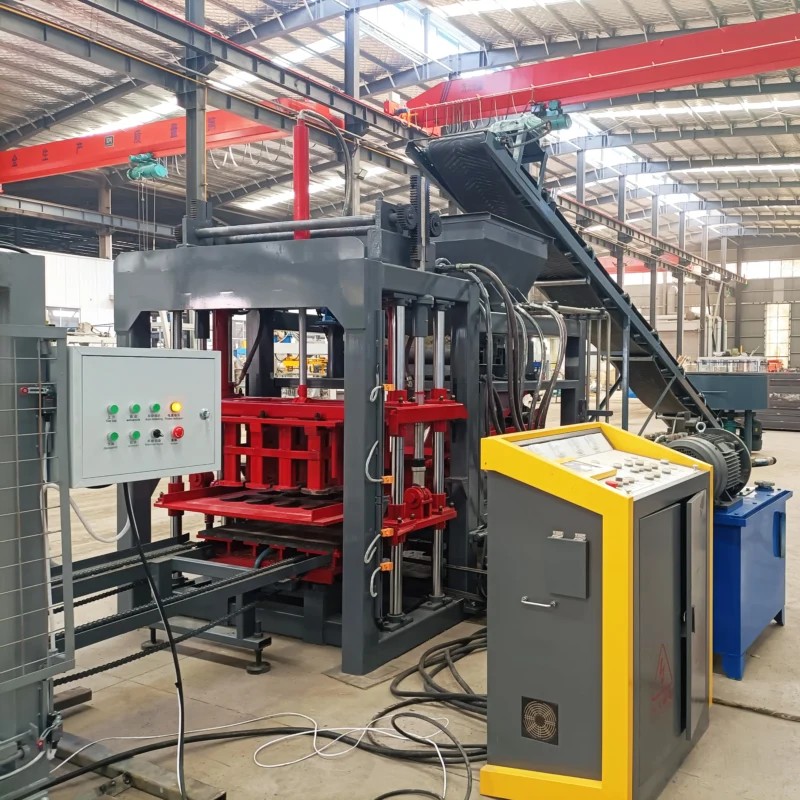
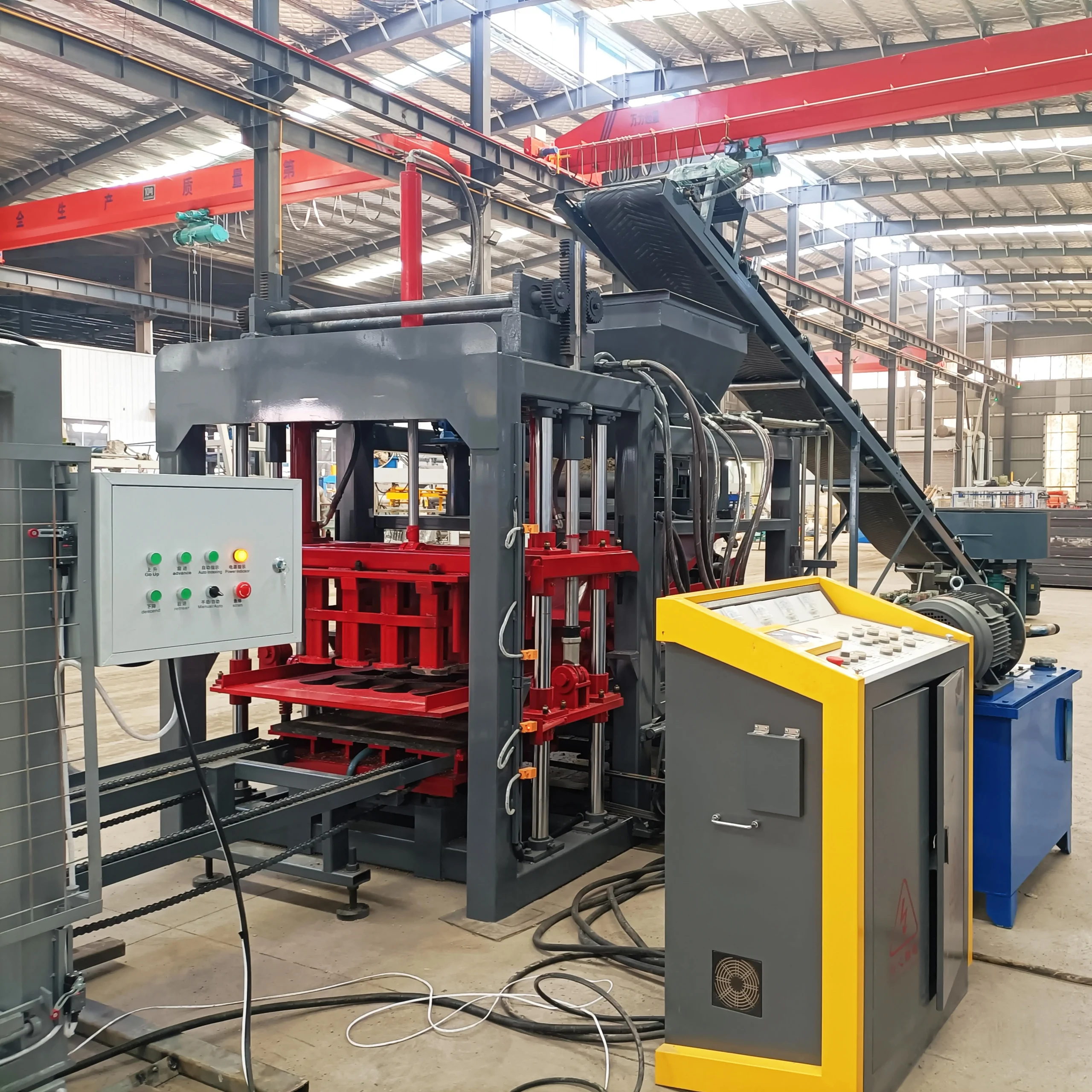
Description
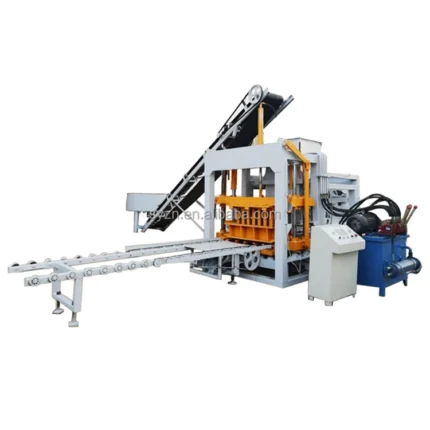
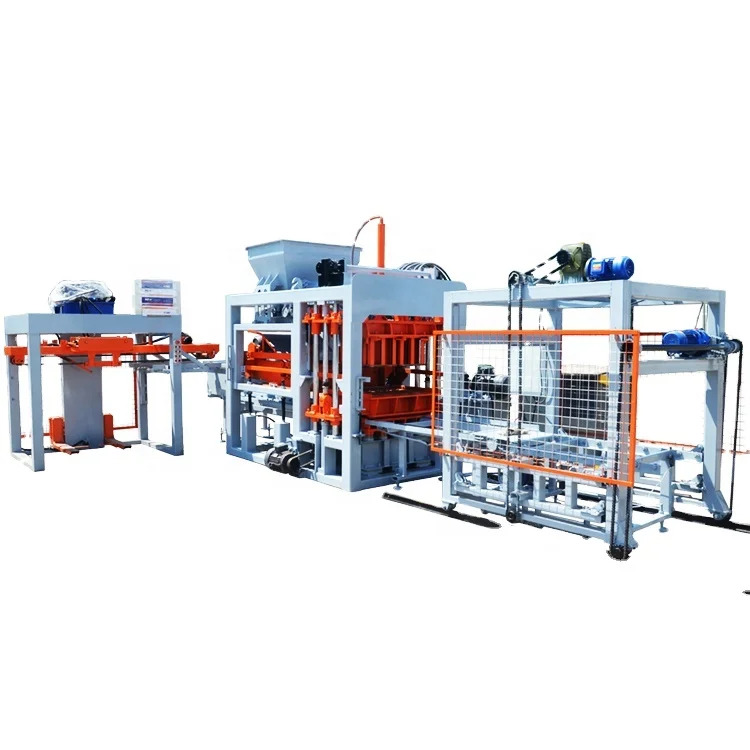
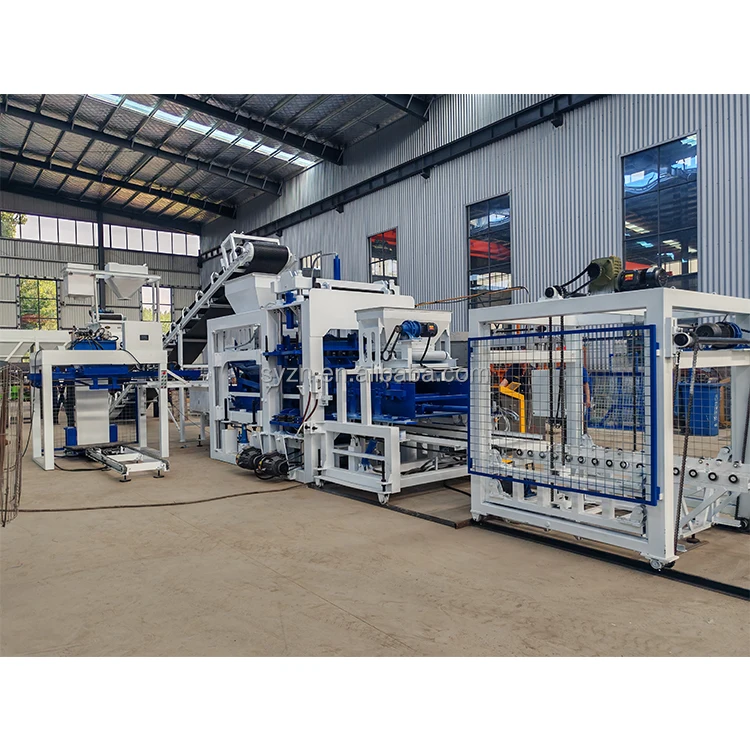
Matched Automation to Your Block Format — the QT4-15A automatic concrete block making machine PLC controlled system is configured against your actual raw material, pallet size and target block density, not pulled from a catalogue default.
Technical Specifications
| Parameter | Value |
|---|---|
| Model | QT4-15A |
| Product Type | Fully Automatic Concrete Block Making Machine |
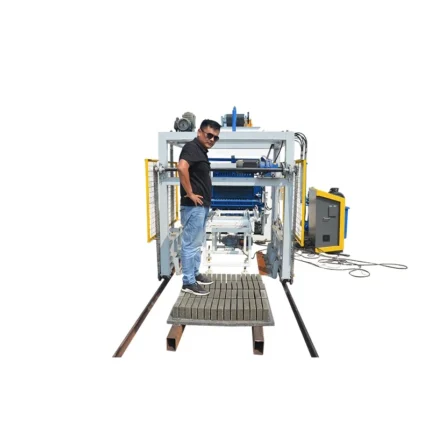
| Overall Dimensions (L×W×H) | 4100×1600×2600 mm |
| Total Mass | 4 T |
| Rated Pressure | 16–21 MPa |
| Main Vibration Form | Platform Vibration |
| Vibration Frequency | 4200 r/min |
| Vibration Force | 55 kN |
| Pallet Size | 880×550 mm |
| Molding Cycle | 25–30 s (basis not stated in source — confirm block format / material / thickness) |
| Overall Power | 18.45 kW |
| Demolding Method | Hydraulic |
| Factory Area Required | 300 m² |
| Automation Level | Fully automatic |
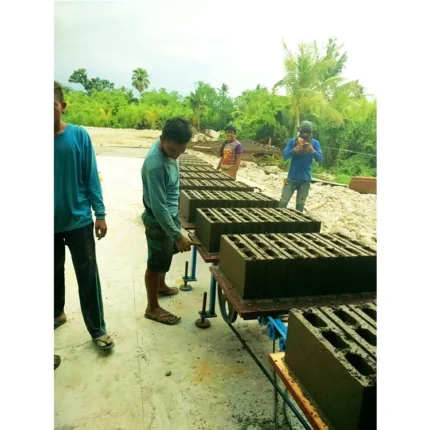
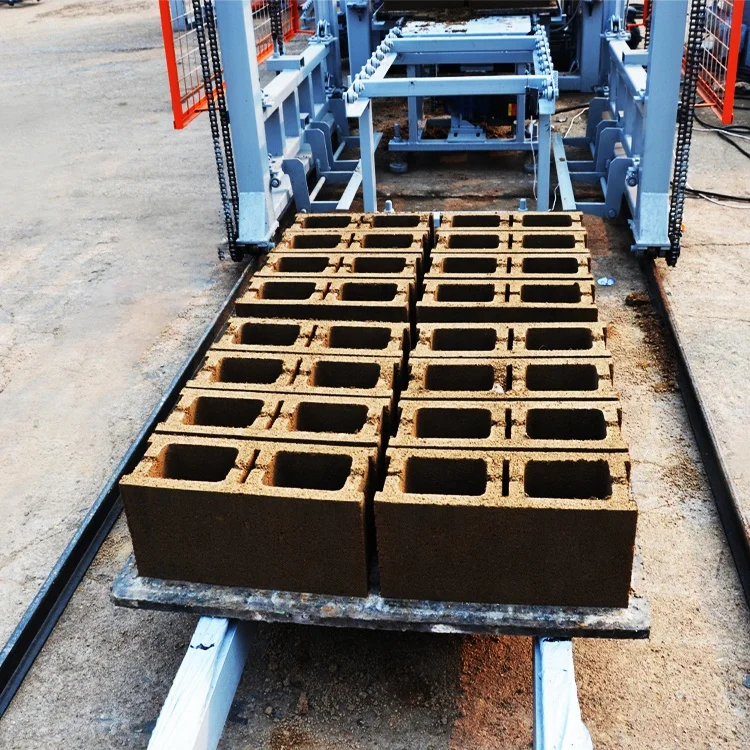
| Applied Products | Hollow blocks, solid blocks, pavers, interlocking blocks, curbstone, colored pavers |
| Raw Materials | Crushed stone, sand, cement, fly ash, gravel, slag |
| Warranty | 1 year (excluding spare parts) |
Application Suitability
| Application | Material or Output |
|---|---|
| Hollow block production for residential walls | Crushed stone, sand, and cement mixes |
| Solid load-bearing block manufacturing | High-density gravel and cement blends |
| Interlocking paver production for driveways | Colored concrete with fine aggregate |
| Curbstone forming for municipal infrastructure | Coarse aggregate and high-strength cement |
| On-site block production for housing projects | Locally sourced sand, fly ash, and slag |
Why "Fully Automatic" Means Nothing Without the Right PLC Recipe
An automatic concrete block making machine PLC controlled setup only removes the operator from the press cycle when the PLC recipe matches the buyer’s mix, pallet and block format — otherwise the machine runs automatically, producing inconsistent output automatically.
I once saw a plant owner in a humid coastal region run an automatic line on local volcanic aggregate without adjusting vibration frequency and hydraulic pressure to the material. The blocks left the press looking fine, then crumbled during curing. The buyer blamed the machine; the root cause was a PLC recipe written for limestone, not volcanic rock. This is why the first step here is always testing your actual raw material before the control logic is finalized [NEED_CITE: PLC recipe adjustment for local aggregate variation].
What the PLC Actually Takes Over
The automatic concrete block making machine PLC controlled logic on the QT4-15A manages pallet feeding, mould filling, vibration timing, hydraulic pressure application and demolding as one continuous sequence. The operator sets the recipe once, and the system repeats it across shifts without drift. This removes the variability that comes from manual timing — the half-second delay one operator introduces versus another, the inconsistency in vibration duration when someone is watching the clock versus watching the mix.
Where Labour Reduction Actually Happens
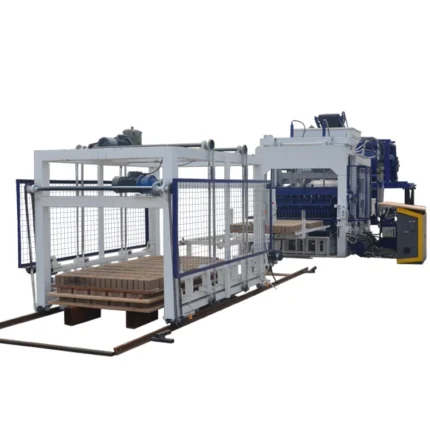
On a semi-automatic line, two or three workers handle pallets, watch the hopper and stack output by hand. The QT4-15A in fully automatic configuration removes the pallet feeder and the demolding operator from the press station. The stacking and cubing stations, if included in your line layout, extend that reduction further down the line. The key point is that automation is selectable — a buyer can start with partial automation at the press and add pallet handling and stacking later, without replacing the core machine [NEED_CITE: block plant automation upgrade paths].
Reading the Numbers That Matter
The rated pressure range of 16–21 MPa and the 55 kN vibration force at 4200 r/min are not independent figures — together they determine how densely your specific mix compacts inside the mould. A high-cement mix with fine sand needs different pressure-vibration balance than a fly-ash-heavy mix with coarse aggregate. The 880×550 mm pallet size dictates your curing rack spacing and forklift compatibility; order the wrong pallet dimension and you are rebuilding your curing area. The 300 m² factory area requirement assumes a basic line layout; add automatic stacking and curing racks and the footprint grows. The 18.45 kW overall power draw must be checked against your local voltage and frequency before production begins, not after the machine arrives on site.
The Cost of Skipping Configuration
When an automatic block line ships with a default PLC recipe and the buyer runs a different aggregate, the blocks pass visual inspection but fail compressive strength tests weeks later — by which point they are already on a wall. When pallet size is chosen without checking the buyer’s existing curing racks, every pallet has to be handled manually until new racks are fabricated. When voltage and PLC display language are not confirmed before production, commissioning stalls while new electrical components and translated HMI screens are sourced [NEED_CITE: commissioning delays from unconfirmed voltage and control language].
Why Buyers Spec Here
Block machinery is the single focus, so the QT4-15A press, moulds, pallets and handling equipment are specified as one matched system rather than assembled from separate vendors. Every configuration is set against your actual mix design, local aggregate and target block format, not a catalogue default. Mould design covers the formats your market actually buys, with custom mould work available to your drawings. The automation level is selectable, so you can commission semi-automatic today and add stacking or cubing stations as volume grows. Installation support includes operator training on your specific PLC recipe, and wear parts and mould availability are confirmed before the machine ships.
Documentation & Verification
- Line layout and capacity calculation stating the specific block format assumed for your QT4-15A
- Machine specification sheet with hydraulic and electrical schematics for your local maintenance team
- Mould drawing and format list matched to your market, including custom designs to your drawings
- Voltage, frequency and PLC display language confirmation signed off before production begins
- Factory test record on your actual raw material mix before dispatch
- Operation and maintenance manual with wear parts and mould replacement list
Installation, Commissioning & Support
- Foundation plan based on the QT4-15A footprint of 4100×1600 mm and 4 T operating mass
- Electrical supply specification matched to the 18.45 kW power draw at your local voltage and frequency
- Dismantling and container loading plan for 1×40HQ shipment of the basic equipment set
- On-site PLC recipe setup using your raw material and target block format during commissioning
- Operator training on the fully automatic cycle, mould change procedure and daily maintenance checks
- Wear parts and mould supply schedule established before first replacement is due
Before You Request a Quote
Send your target block format and daily output requirement, along with the raw material you actually source locally — not a generic material list. Include your available workshop area, ceiling height, and existing curing rack and forklift specifications so the pallet size and line layout fit what you already have. Confirm your local voltage, frequency, and preferred PLC display language up front. If you are replacing an existing press, note the current mould formats and pallet dimensions so the transition can be planned without downtime.
Frequently Asked Questions
Q: What does full automation remove from the operator versus semi-automatic on the QT4-15A?
A: In full automatic mode, the PLC handles pallet feeding, mould filling, vibration, hydraulic pressing and demolding without manual intervention at the press station. Semi-automatic operation keeps the press cycle automated but requires operators to feed pallets and handle output manually. The upgrade path allows adding automatic pallet handling and stacking later without replacing the core press.
Q: What PLC brand and display language options are available?
A: PLC brand and HMI language are confirmed during the configuration stage based on your target market and local maintenance capability. The display language, voltage and frequency are all locked in before production begins to prevent commissioning delays when the machine arrives on site.
Q: How is vibration force and hydraulic pressure matched to local aggregate?
A: Before the PLC recipe is written, your raw material is tested to determine the pressure-vibration balance that produces target block density. The 16–21 MPa pressure range and 55 kN vibration force at 4200 r/min are then tuned to your specific mix, not left at catalogue defaults.
Q: What is the upgrade path from semi-automatic to fully automatic?
A: The QT4-15A platform supports adding automatic pallet feeding, stacking and cubing stations as separate modules. A buyer commissioning semi-automatic today can expand automation later by adding these stations to the existing press and PLC system, without replacing the machine.
Q: How are mould change times minimised between block formats?
A: Mould change procedure and timing depend on the specific formats in your production range. The hydraulic demolding system and PLC recipe storage allow switching between stored block profiles, and the mould mounting design is specified to keep changeover practical within a normal shift.