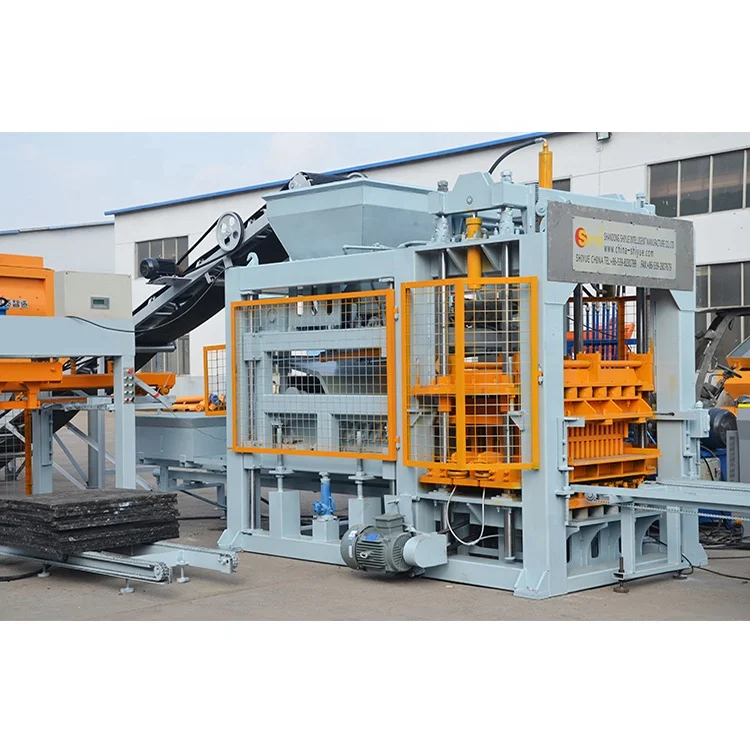
Description
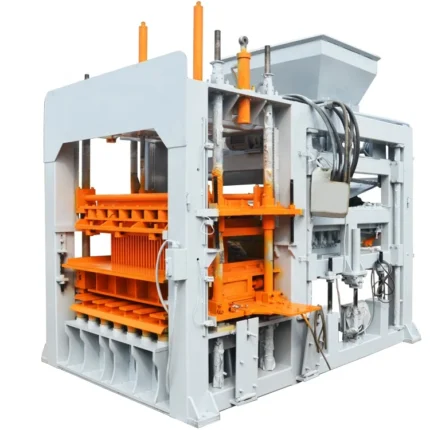
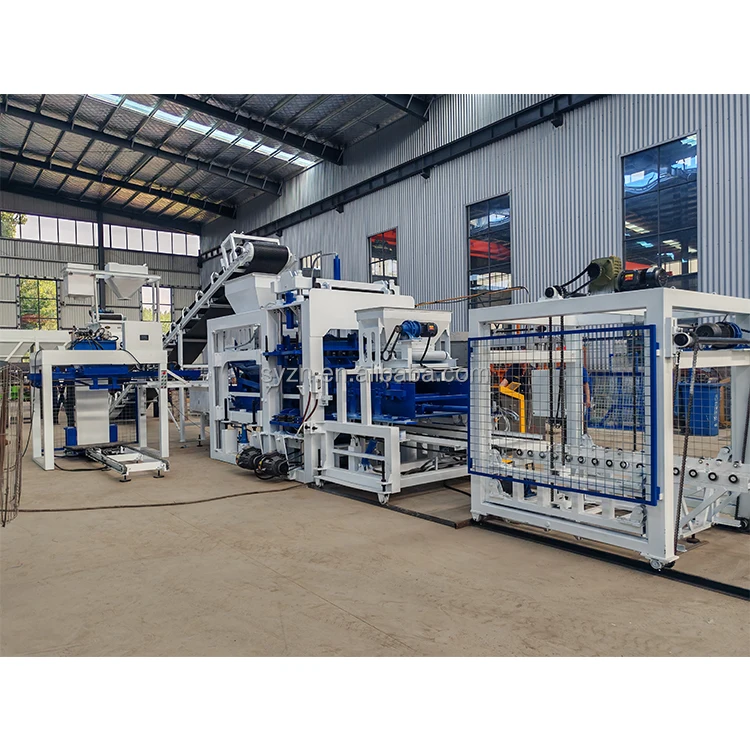
Matched System Integration — The QT6-15 is specified as one coordinated press, mould, pallet and control package rather than a collection of unrelated components, ensuring automation upgrades function without interface conflicts.
Technical Specifications
| Parameter | Value |
|---|---|
| Model | QT6-15 |
| Product Type | Automatic Hydraulic Concrete Block Making Machine |
| Molding Cycle | 15-20s (basis not stated in source) |
| Exciting Power (Vibration Force) | 55 kN |
| Rated Power | 37.2 kW |
| Mixer | JS750 |
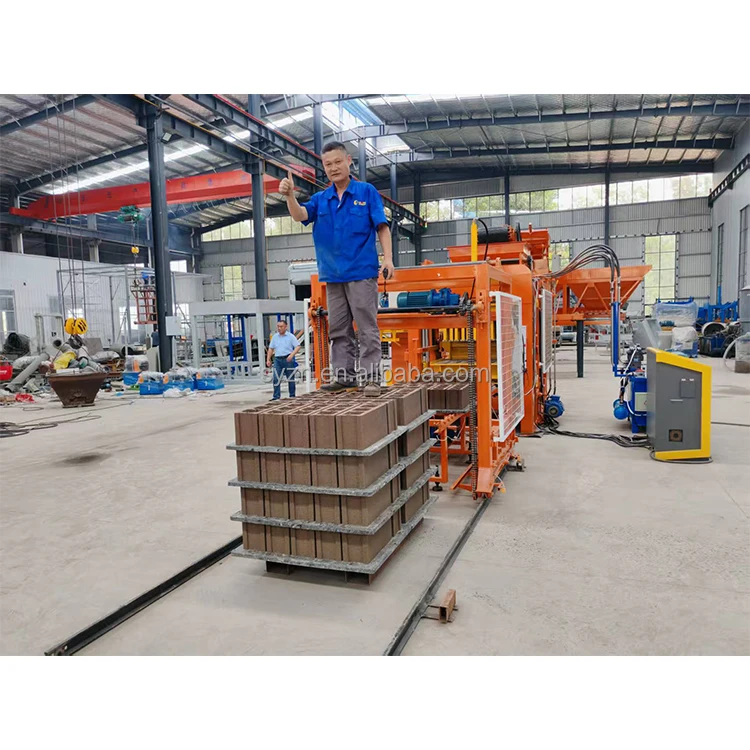
| Pallet Size | 1020 × 900 mm |
| Overall Dimensions (L × W × H) | 8300 × 1860 × 3000 mm |
| Net Weight | 8 T |
| Control System | PLC control system (language configurable) |
| Voltage & Frequency | Configurable to target market (basis to be confirmed) |
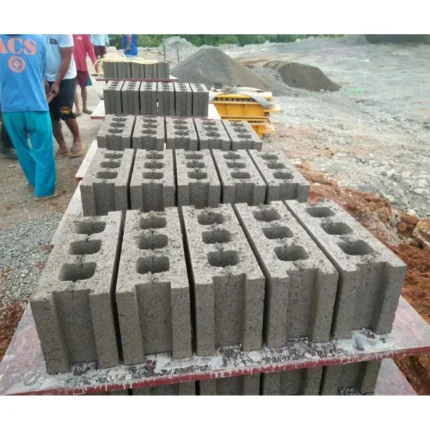
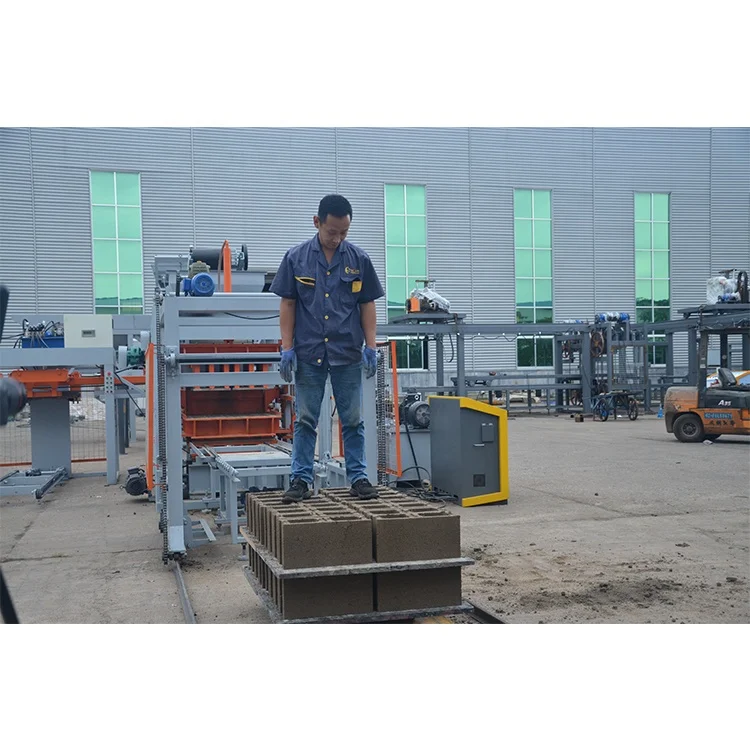
| Mould Format Compatibility | Paver, solid, hollow, curbstone |
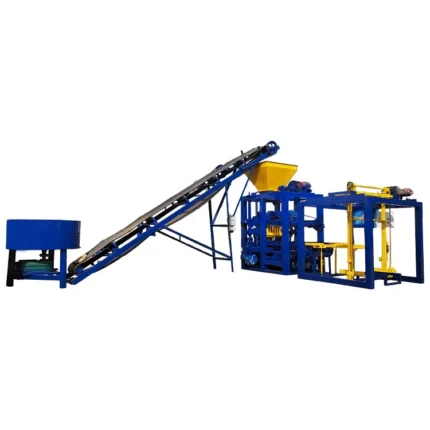
| Automation Level | Automatic (pallet feeder, block conveyor, block sweeper included) |
| Raw Materials | Crushed stones, sand, cement, dust, fly ash |
| Key Features | PLC-controlled cycle, automatic pallet feeding, hydraulic station, block sweeper integration |
Application Suitability
| Application | Material or Output |
|---|---|
| Hollow block production for building walls | Crushed stone, sand, cement, fly ash blends |
| Solid block manufacturing for load-bearing structures | Dense aggregate and cement mixes |
| Paving block production for walkways and yards | Fine aggregate with pigment integration |
| Curbstone forming for road and pavement edges | High-strength cementitious mixes with coarse aggregate |
What the PLC Screen Language Means for Your First Week On-Site
An automatic block making machine PLC controlled in the wrong language is a stopped line until someone arrives who can read it.
I have watched a fully commissioned concrete block plant sit idle for three days because the HMI displayed every alarm and parameter menu in English while the local operators spoke only French and Swahili. The mixer ran, the pallet feeder cycled, but the press operator could not acknowledge a proximity sensor fault, so the entire automatic sequence locked out. That delay cost more in lost production and idle labour than the language configuration would have taken to confirm before the machine left the factory [NEED_CITE: on-site commissioning delays caused by unconfirmed PLC language settings]. Voltage mismatches produce a similar result — a 380V/50Hz machine wired into a 440V/60Hz supply will trip breakers or damage the hydraulic solenoid valves before the first mould cycle completes.
Control Logic That Removes Operator Guesswork
The PLC control system on the QT6-15 manages the full press cycle from raw material feed through vibration, hydraulic compression and pallet discharge. Each stage runs on a timed sequence that the operator can monitor but does not need to manually trigger, which keeps block density consistent from the first pallet of the morning shift to the last. When you specify this automatic block making machine PLC controlled, the programme can store separate recipes for hollow blocks, pavers and curbstones so a format switch requires selecting a new programme rather than recalibrating timers by hand.
Automation Stations That Keep the Press Fed
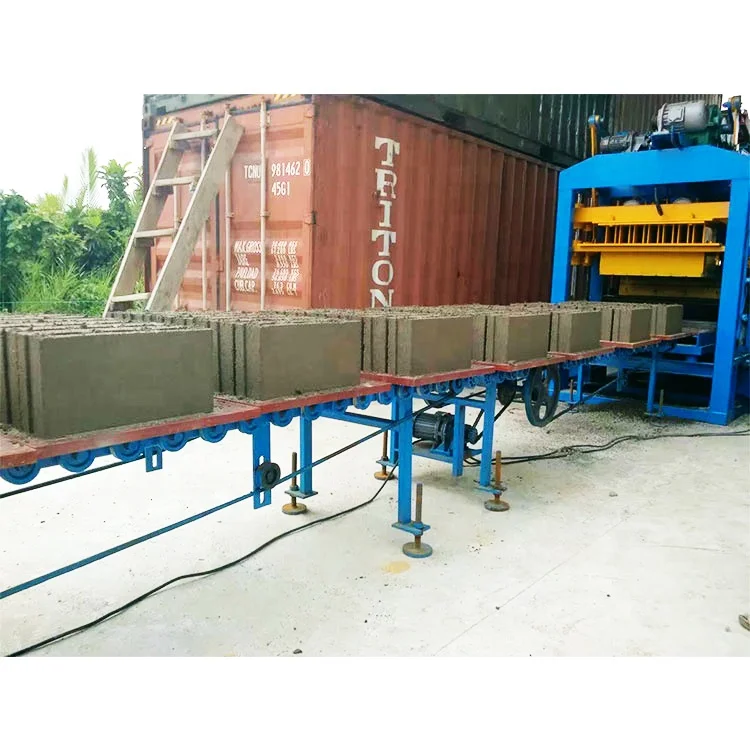
The automatic pallet feeder positions each pallet under the mould box without manual placement, removing the bottleneck that occurs when a semi-automatic line depends on a worker sliding pallets into position at press speed. The block conveyor carries pressed units away from the press station to the curing area, and the block sweeper cleans the top surface of each block before it leaves the line. These three stations — pallet feeder, conveyor and sweeper — are controlled from the same PLC that runs the press, so timing between stations stays synchronised and the press does not pause waiting for the next empty pallet [NEED_CITE: synchronisation requirements between press and auxiliary stations in automatic block lines].
Reading the Specifications That Matter
The 55 kN vibration force and the hydraulic station work together to compact the mix into the mould. Vibration alone settles the aggregate, but hydraulic pressure applied during the vibration phase forces finer particles into the voids, producing a denser block with higher compressive strength. The JS750 mixer feeds this press with a batch volume matched to the mould box capacity, so the operator does not need to ration material between cycles. The 1020 × 900 mm pallet size determines how many blocks fit on each pallet and, critically, must match the curing rack dimensions and the forklift tine spacing already in your yard — specifying a pallet size without checking downstream handling equipment causes stacking problems that no amount of press automation can solve. The 37.2 kW rated power draw requires a dedicated circuit with appropriate breaker sizing, and the supply must be confirmed against local voltage and frequency standards before the electrical panel is assembled [NEED_CITE: industrial voltage and frequency standards across African and Southeast Asian markets].
The Cost of Skipping Configuration Confirmation
A buyer who orders without confirming voltage, frequency and PLC display language discovers the problem only when the machine arrives and the electrician opens the panel. Rewinding motors or replacing solenoid valves on-site takes weeks if parts must ship from the country of origin. An unconfirmed pallet size means the buyer either purchases new curing racks or hand-stacks every block that does not fit existing racks, eliminating the labour savings the automation was meant to deliver. Mould drawings not reviewed before production result in a mould that produces a block dimension the local market does not buy, and the replacement mould order adds lead time to a project already behind schedule [NEED_CITE: mould replacement lead times and cost impact on block production projects].
Why Source the QT6-15 Through This Channel
The machine, mould, pallet and handling equipment are specified as one matched system rather than assembled from separate suppliers, which eliminates interface mismatches between the press and the pallet feeder. Configuration is set against the buyer’s actual mix design and local aggregate, not a catalogue default that assumes materials unavailable at the project site. Mould design covers the formats the buyer’s market actually sells, with custom drawings available when standard moulds do not match local block dimensions. The automation level is selectable, so a buyer can start with the included automatic pallet feeder and conveyor, then add stacking and cubing stations later without replacing the PLC. Installation and commissioning include operator training on the specific PLC programme loaded for that buyer’s block formats and language requirement.
Documentation & Verification
- Line layout showing QT6-15 station positions with pallet flow direction and curing rack spacing
- Machine specification sheet confirming voltage, frequency and PLC language before panel assembly
- Mould drawing and format list with cycle time noted per block type
- Hydraulic and electrical schematic for local maintenance team reference
- Factory test record on buyer-specified mix design and target block format before dispatch
Installation, Commissioning & Support
- Foundation pad sized for the 8300 × 1860 mm footprint with anchor bolt template provided before arrival
- Dedicated 37.2 kW circuit with breaker sizing confirmed against local supply voltage and frequency
- Machine ships dismantled for container loading with reassembly sequence documented in the manual
- First-day commissioning covers PLC parameter verification and recipe loading for each mould format on site
- Operator training conducted in the confirmed PLC display language with block format changeover practice
- Wear parts list identifies hydraulic seals, vibration springs and mould liner replacements with reorder codes
What to Include in Your Enquiry
Provide the block formats you intend to produce, the local aggregate types available and the target daily output so the mould and cycle time can be matched to realistic production. State your site voltage, frequency and the preferred PLC display language to prevent commissioning delays. Include your existing curing rack dimensions and forklift specifications so the pallet size is confirmed against your handling equipment, not selected from a default list.
Frequently Asked Questions
Q: How is realistic daily output calculated per block format on the QT6-15?
A: Output is stated per block format with the assumed block dimensions, mould cavity count and cycle time listed together. A 15-20 second cycle applies to a specific block thickness and mix, so the daily figure changes when you switch from a thin paver to a tall hollow block. We provide the calculation sheet with each format listed separately rather than a single generic number.
Q: What automation level is included, and what is the upgrade path?
A: The QT6-15 ships with an automatic pallet feeder, block conveyor and block sweeper controlled from the PLC. Stacking and cubing stations can be added later and integrated into the existing PLC programme without replacing the control panel. This lets a plant start with reduced manual handling and add full stacking automation when production volume justifies it.
Q: How is PLC control language and voltage confirmed before shipment?
A: Both are confirmed in writing during the order stage before the electrical panel is assembled. The PLC display language is loaded and verified during the factory test, and the voltage and frequency are set to match the buyer’s written site specification. Any change after panel assembly requires rewiring and programme reloading, which is why written confirmation is mandatory before production begins.
Q: How does hydraulic pressure and vibration force match my local aggregate?
A: The 55 kN vibration force and hydraulic pressure are configured together based on the buyer’s mix design and aggregate gradation. Coarse crushed stone requires different vibration amplitude and pressure duration than fine fly ash blends. We request a sample mix description or local material test data and adjust the PLC recipe parameters so the press cycle produces consistent density with the materials actually available at the project site.
Q: What is the mould change procedure and how long does a format switch take?
A: The mould is unbolted from the mould box, lifted out and replaced with the new format. The PLC recipe is then selected for the new block type. The procedure and estimated changeover time are documented in the operation manual supplied with the machine, and operators practice the change during commissioning so the format switch fits within a planned window rather than consuming an unplanned portion of the shift.