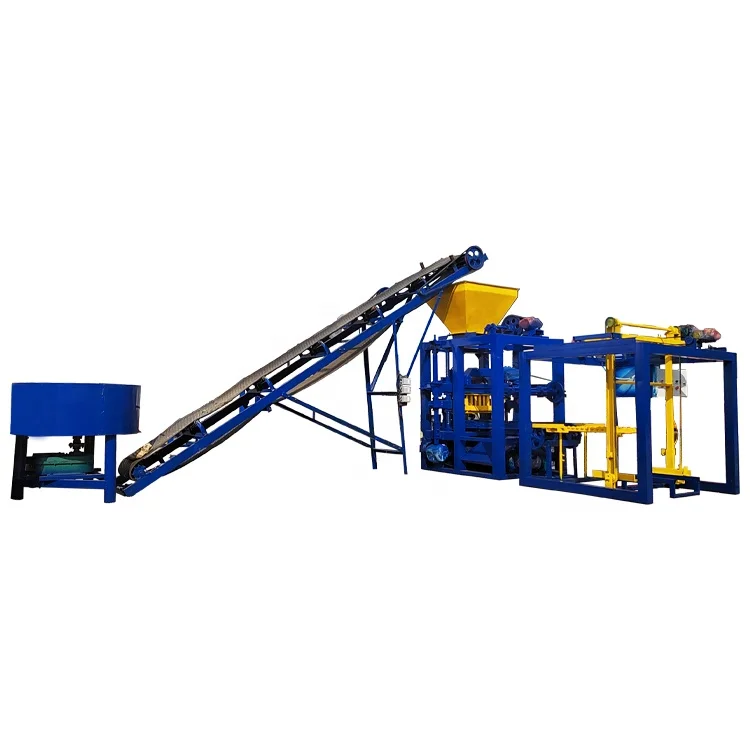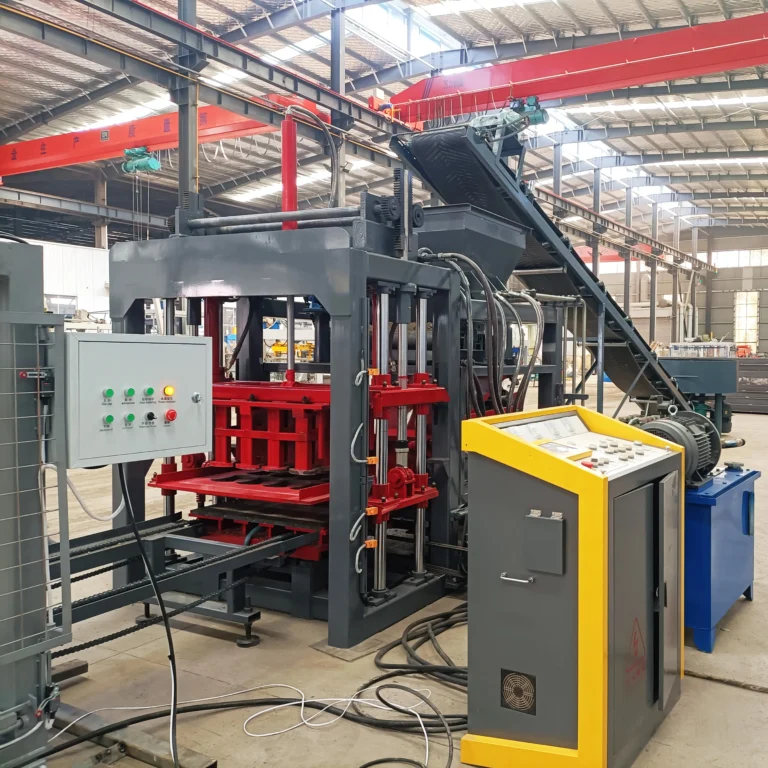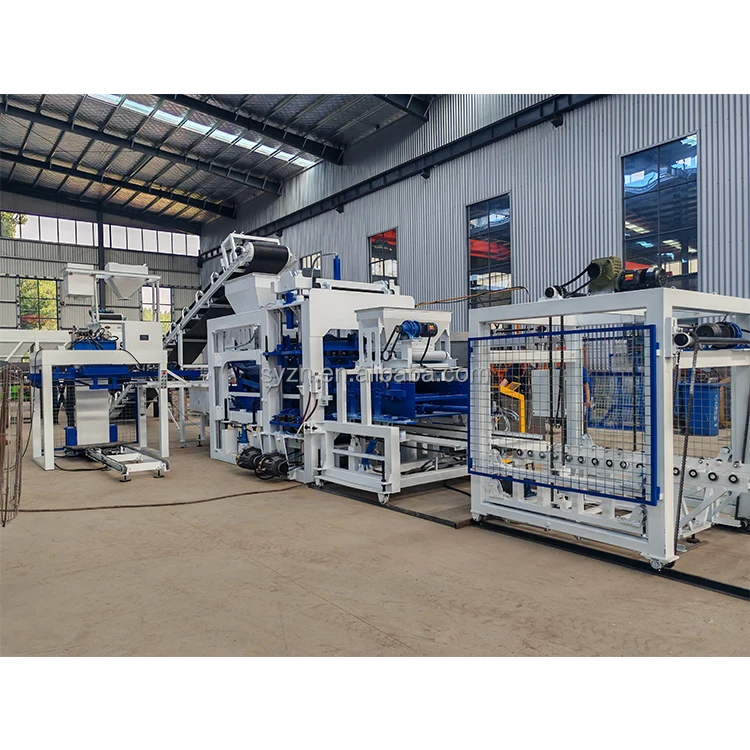
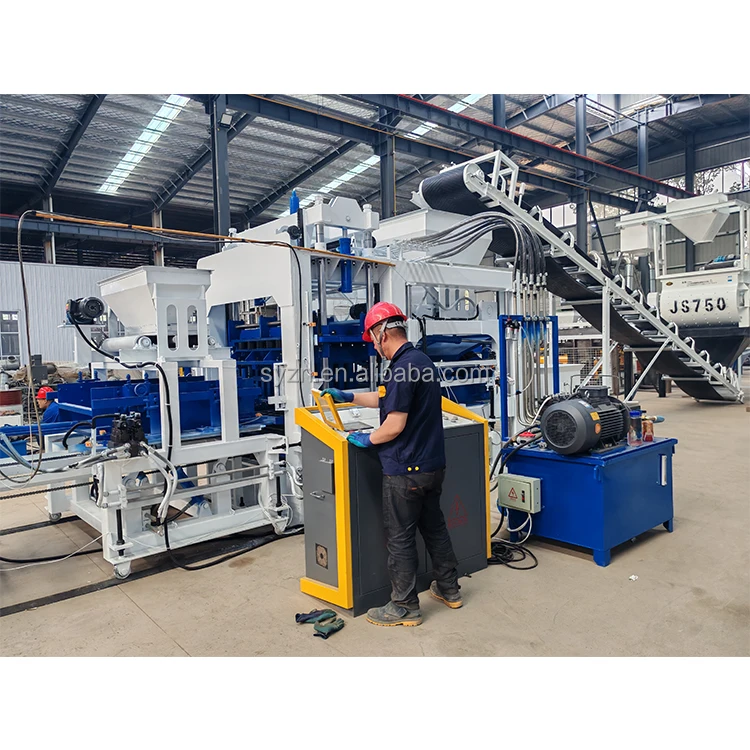
Description
Hydraulic precision matched to mix — vibration frequency and pressure curves are tuned against the buyer’s actual aggregate sample before PLC parameters are locked in.
Technical Specifications
| Parameter | Value |
|---|---|
| Model | QT8-15 |
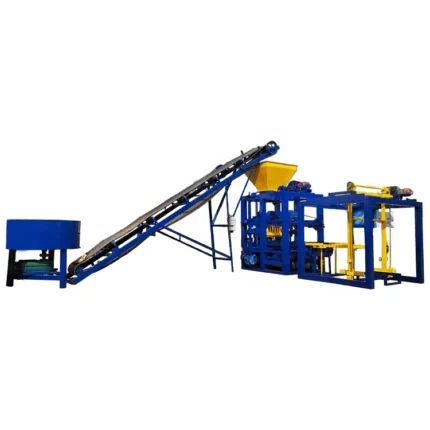
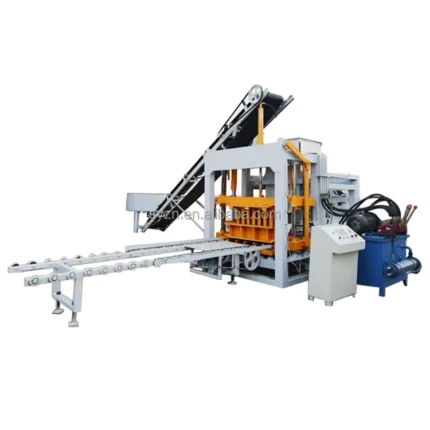
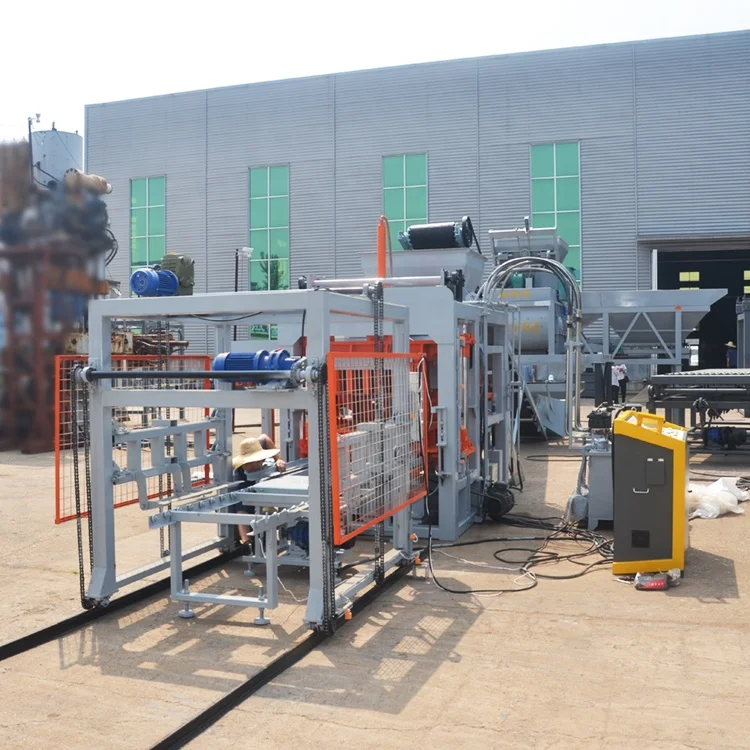
| Product Type | Hydraulic Concrete Block Making Machine |
| Overall Dimensions (L×W×H) | 8300 × 1860 × 3000 mm |
| Rated Pressure | 21 MPa |
| Vibration Form | Platform Vibration |
| Vibration Frequency | 2800–4500 r/min |
| Vibration Force | 45 kN |
| Pallet Size | 950 × 900 mm |
| Molding Cycle | 15–20 s (basis not stated in source — depends on block format and material) |
| Overall Power | 55.5 kW |
| Total Mass | 8 T |
| Demolding Method | Hydraulic |
| Control System | PLC |
| Factory Area Required | 300 m² |
| Container Loading | 1 × 40HQ (basic equipment) |
Application Suitability
| Application | Material or Output |
|---|---|
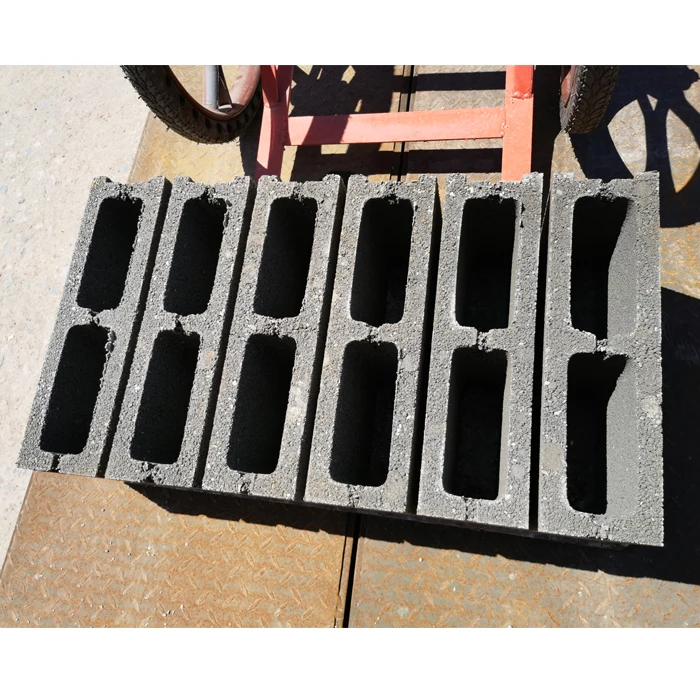
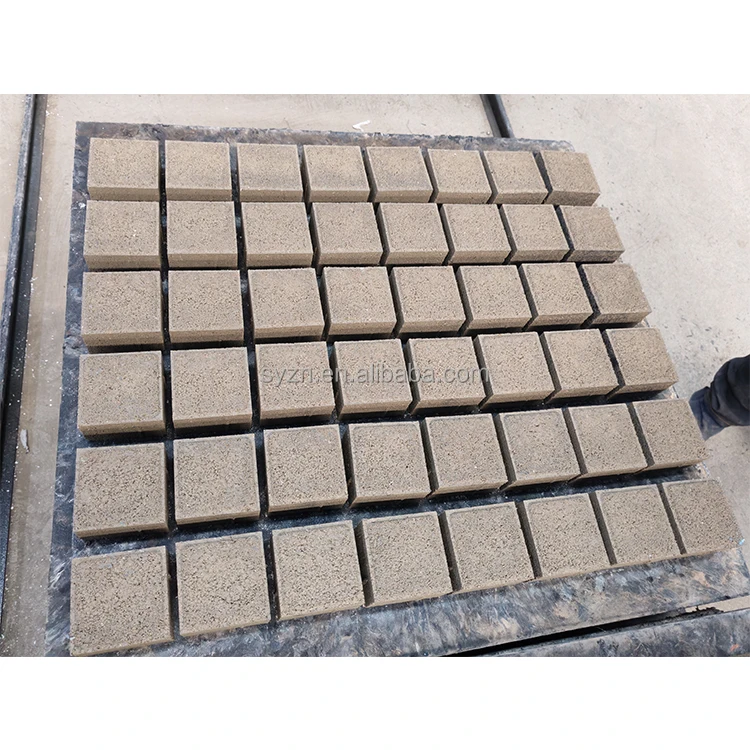
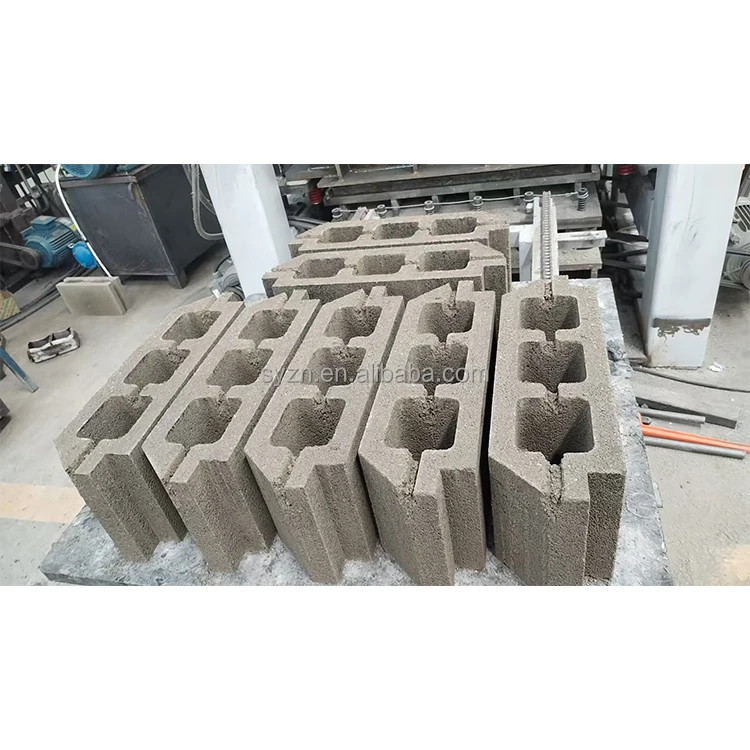
| Hollow and solid block production | Crushed stone, sand, cement, fly ash, gravel, slag |
| Paving block and colored paver runs | Fine aggregate blends with pigment dosing |
| Interlocking brick and kerbstone | Cement-stabilized mix with coarse gravel fraction |
| On-site contractor production | Locally sourced aggregate with variable moisture content |
Why "Cycle Time" Means Nothing Without the Block Format Attached
A 15-second cycle on a thin paver is a different machine than a 15-second cycle on a 200 mm hollow block.
When an automatic QT8-15 block machine is quoted with a single molding cycle figure, that number almost always assumes the most favorable format in the mould catalog. Hollow blocks with deep cavities demand longer vibration dwell and higher hydraulic hold time to consolidate the web sections. A PLC controlled concrete block making machine can store distinct parameter sets for each format, but the quoted cycle only holds true if the PLC program was written around the buyer’s actual product mix. I have watched plants receive machines where the default program ran a fast paver cycle, and the first hollow block run crumbled at the corners because the vibration duration was too short for that depth of draw [NEED_CITE: effect of vibration dwell time on block corner density].
What the PLC Actually Controls Beyond Start and Stop
The PLC on this machine governs more than a simple timer loop. It sequences the raw material feed gate, controls the vibration motor ramp-up and ramp-down curves, manages the hydraulic pressure build during compaction, and times the demolding stroke. For a PLC controlled concrete block making machine, the real value sits in parameter recall — an operator selects the block format from the display, and the machine loads the vibration frequency, pressure hold duration, and feed volume associated with that mould. Batch-to-batch consistency depends on this recall accuracy, especially when the plant runs two or three formats across a single shift.
How Vibration Frequency Range Covers Divergent Mix Designs
The 2800 to 4500 r/min vibration range on the platform exists because different mixes respond to different excitation frequencies. A dry, zero-slump mix with coarse crushed stone consolidates better at the lower end of the range where the amplitude penetrates deeper. A finer sand-rich mix with fly ash responds to higher frequency vibration that shakes particles into tighter packing. The automatic QT8-15 block machine allows the PLC to store these frequency profiles per mould, so an operator switching from hollow blocks to pavers does not have to guess the correct setting [NEED_CITE: relationship between vibration frequency and aggregate gradation in concrete block production].
Reading the Pressure and Vibration Numbers Together
The 21 MPa rated hydraulic pressure and 45 kN vibration force are not independent specifications — they work as a paired system. Vibration fluidizes the mix so it flows into the mould cavity, while hydraulic pressure applied through the head box compresses the material to its final density. If vibration force is high but hydraulic pressure is low, blocks leave the press with good surface finish but weak core compaction. Reverse the imbalance and blocks are dense but show surface tearing from insufficient material flow. The QT8-15 platform vibration and hydraulic demolding are specified to operate within a matched envelope, and the PLC monitors pressure feedback to adjust hold time when the mix stiffness varies slightly from batch to batch.
The Cost of Skipping the Voltage and Language Check
Confirming the control voltage and PLC display language sounds like a minor paperwork step, but getting it wrong stalls commissioning for weeks. A plant wired for 415V three-phase that receives a control cabinet built for 380V will burn out the PLC power supply on first energization. An operator facing a display in a language they cannot read will revert to manual overrides, defeating the consistency that automation was supposed to deliver [NEED_CITE: voltage and frequency standards by export market]. The QT8-15 control system supports configurable voltage input and selectable display languages, but these must be confirmed in writing before the cabinet is assembled — they are not field-adjustable after the fact.
Why Purchasing Here Reduces Integration Risk
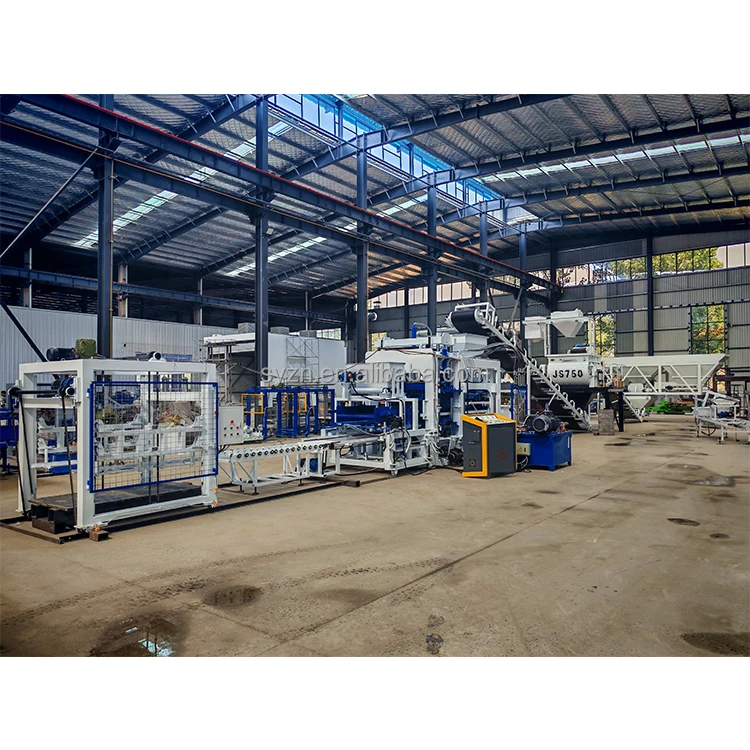
Block machinery is the single focus here, so the press, mould, pallet, and handling equipment are specified as one matched system rather than assembled from separate suppliers. The automation level is selectable, meaning a buyer can commission the QT8-15 in semi-automatic mode with manual pallet handling and add automatic stacking and cubing later without replacing the press. Configuration is set against the buyer’s actual mix design and local aggregate, not pulled from a catalog default. Mould design covers the formats the buyer’s market actually sells, including custom drawings. Installation includes operator training on the PLC parameter system so the crew can manage format changes independently.
Documentation & Verification
- Line layout showing QT8-15 placement with pallet flow and curing rack distances
- Capacity calculation stating which block format the molding cycle assumes
- PLC parameter sheet listing stored programs per mould number
- Voltage and control language confirmation signed before cabinet build
- Factory test record on buyer’s specified block format before dispatch
- Hydraulic and electrical schematic matching as-built machine configuration
Installation, Commissioning & Support
- Foundation pad must support 8T static load plus dynamic vibration transfer across the 8300 mm frame length
- Dedicated 55.5 kW three-phase circuit with isolator within 3 m of the control cabinet
- Machine ships in one 40HQ container and requires reassembly of the hydraulic head box on site
- First-run PLC parameter tuning against buyer’s actual mix sample over multiple production cycles
- Operator training covers format selection, vibration frequency adjustment, and alarm response on the display
- Wear parts list identifies hydraulic seals and vibration motor bearings with replacement intervals
What to Include in Your Inquiry
Provide the block formats you intend to produce with target dimensions and daily volume per format. Include a sample or lab analysis of your local aggregate showing gradation and moisture range. State your site voltage, frequency, and preferred PLC display language so the control cabinet is built correctly before shipment.
Frequently Asked Questions
Q: What automation level options are available for the QT8-15 and how does the upgrade path work?
A: The machine can be configured from semi-automatic with manual pallet handling through to fully automatic pallet feeding, stacking, and cubing. Starting semi-automatic does not lock you out of later upgrades — the PLC architecture supports adding automatic stations when production volume justifies the investment, using the same control platform already installed on the press.
Q: How does PLC control ensure consistent block strength across different production batches?
A: The PLC stores complete parameter sets for each mould, including vibration frequency, pressure hold time, and feed volume. When an operator selects a format, the machine recalls these values rather than relying on manual adjustment. This removes human variation between shifts and ensures each block receives the same compaction energy regardless of who is operating the press.
Q: What voltage and control language options are confirmed before shipment?
A: The control cabinet voltage is configured to match your site supply and confirmed in writing before assembly. The PLC display language is selected from available options and verified on the factory test record. Both specifications are documented so there are no surprises when the machine arrives and is connected to your electrical system.
Q: How does automatic pallet feeding and stacking reduce labor requirements?
A: Automatic pallet feeding eliminates the manual transfer of pallets from the return conveyor to the press infeed. Automatic stacking and cubing remove the need for workers to collect freshly pressed blocks and carry them to the curing area. This reduces the crew needed around the press and removes the heaviest repetitive lifting from the production floor.
Q: Can the QT8-15 be configured for remote diagnostics and what does that include?
A: Remote diagnostic capability depends on the control package selected. Where available, it allows the PLC to transmit alarm logs and parameter data for off-site review, reducing the time needed to troubleshoot faults. This feature is confirmed during the configuration stage and documented in the electrical schematic before the cabinet is built.